Loading…
 Saturday, September 26Saturday, September 26
4 months · 2 summary articles
France unveils stop-gap tank as Daimler invests 1bn in military mobility amid Franco-German defence tensions
Germany and France scrap 100bn FCAS project amid leadership disputes
Germany and France formally abandoned their decade-long €100 billion Future Combat Air System (FCAS) project on Monday, 8 June 2026, after Airbus and Dassault Aviation failed to resolve irreconcilable disputes over industrial leadership and technological control. The collapse, confirmed by German Chancellor Friedrich Merz and French President Emmanuel Macron in coordinated statements, marks the end of Europe’s most ambitious defence collaboration and leaves the continent scrambling for alternatives amid rising geopolitical tensions.
The decision followed a Brussels meeting of EU defence ministers, where both governments concluded that the project could not be salvaged. “We can no longer pursue the FCAS as originally envisaged,” Merz told reporters at the ILA Berlin Air Show on Wednesday, adding that Germany would seek “decisive involvement” of its domestic industry in any future initiative. Macron, speaking separately, said France would continue developing its next-generation fighter capabilities independently through 2040, signalling a strategic pivot away from Franco-German cooperation.
The failure stems from fundamental disagreements between Dassault, which led the French segment, and Airbus, which represented Germany. Paris insisted on retaining control over critical avionics and stealth technology, while Berlin pushed for greater industrial participation and export rights. “The lack of shared vision doomed the project,” wrote *Le Monde* on Wednesday, noting that precious time had been lost at a moment when Europe’s defence autonomy is more urgent than ever amid Russia’s war in Ukraine.
With FCAS dead, European capitals are now exploring alternative paths. Spain and Germany are reportedly eyeing Saab’s Gripen fighter as a potential partner, while Berlin has not ruled out purchasing additional US-made F-35 jets to fill the gap. “We need to act swiftly,” said a senior German defence official, speaking on condition of anonymity. The EU is also considering joint investments in new military capabilities, including in-flight refuelling and missile warning systems, to reduce dependence on the United States.
At the Berlin Air Show, Merz underscored the importance of the German aviation sector, calling for a “new European approach” that prioritises strategic autonomy. Yet analysts warn that the collapse of FCAS risks fragmenting Europe’s defence industry further. “The Eurofighter has been flying for 20 years with no successor in sight,” noted *Welt* economics editor Benedikt Fuest. “This failure shows that Europe still struggles to align its industrial ambitions with political realities.”
The geopolitical fallout is already visible. France’s decision to go it alone risks sidelining Germany in future European defence projects, while Berlin’s openness to US or Swedish partnerships could strain relations with Paris. Meanwhile, the EU’s push for joint military capabilities faces fresh hurdles, with officials acknowledging that funding and coordination remain major challenges. As Europe’s defence landscape reshapes, one question looms: can the continent’s fractured industry unite before the next crisis strikes?
Follow us for live European news

Mercedes-Benz va colabora cu un start-up german pentru dezvoltarea unui sistem mobil de apărare antidronă Mercedes-Benz urmează să semneze un parteneriat cu start-up-ul german Tytan Technologies pentru dezvoltarea unui sistem mobil de apărare împotriva dronelor. Proiectul vizează protejarea infrastructurii critice și a bazelor militare din Europa.
adevarul · 4 months ago
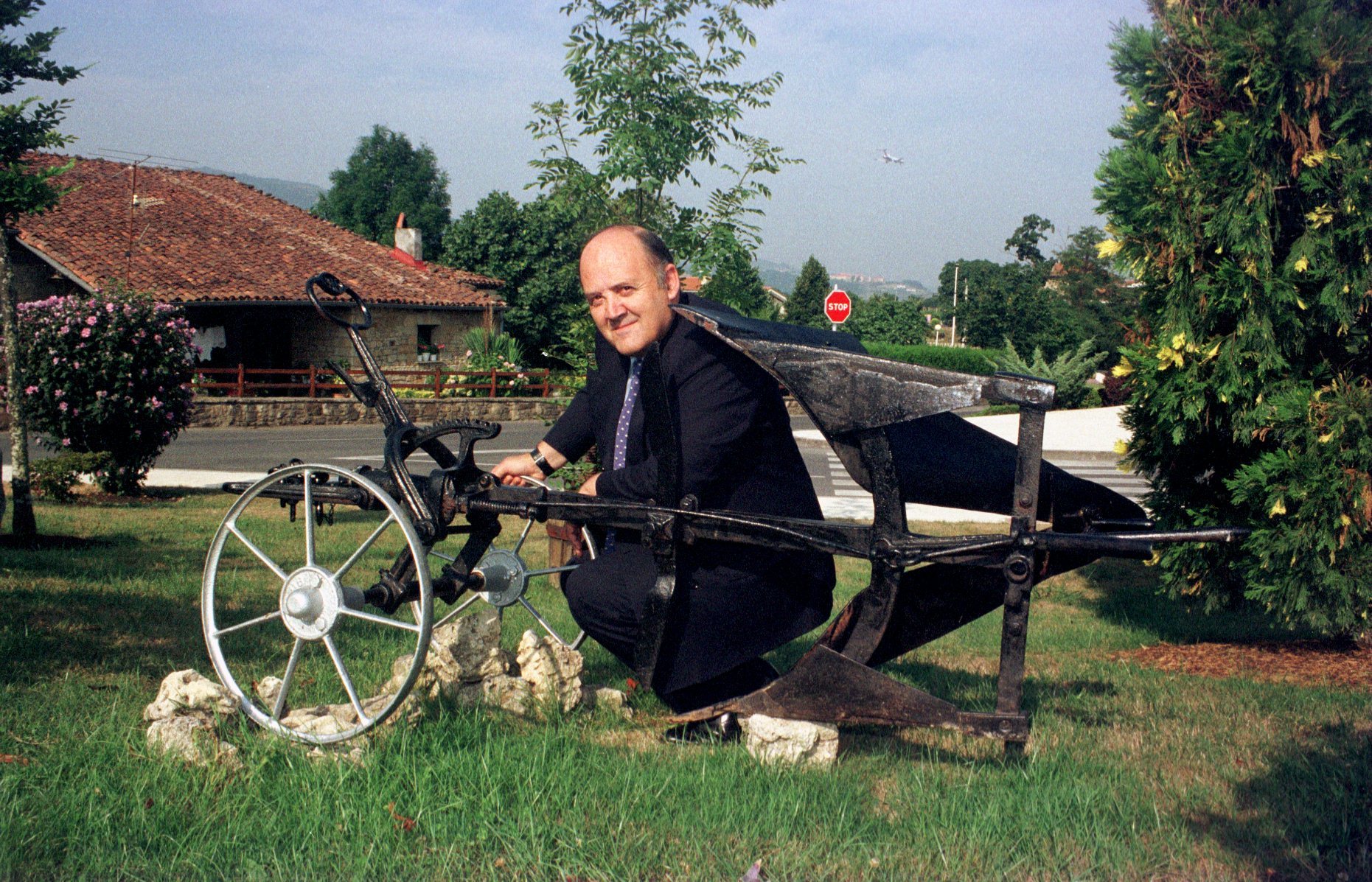
Muere López de Arriortúa, el aldeano vasco que revolucionó el sector del automóvil y enfrentó a Estados Unidos y Alemania El ingeniero nacido en Amorebieta (Vizcaya) fallece a los 84 años. Revolucionó las plantas de montaje con proveedores más cercanos. Soñó con montar una fábrica de vehículos en su pueblo de la mano con el apoyo de Javier Arzalluz (PNV) Leer
elmundo · 4 months ago
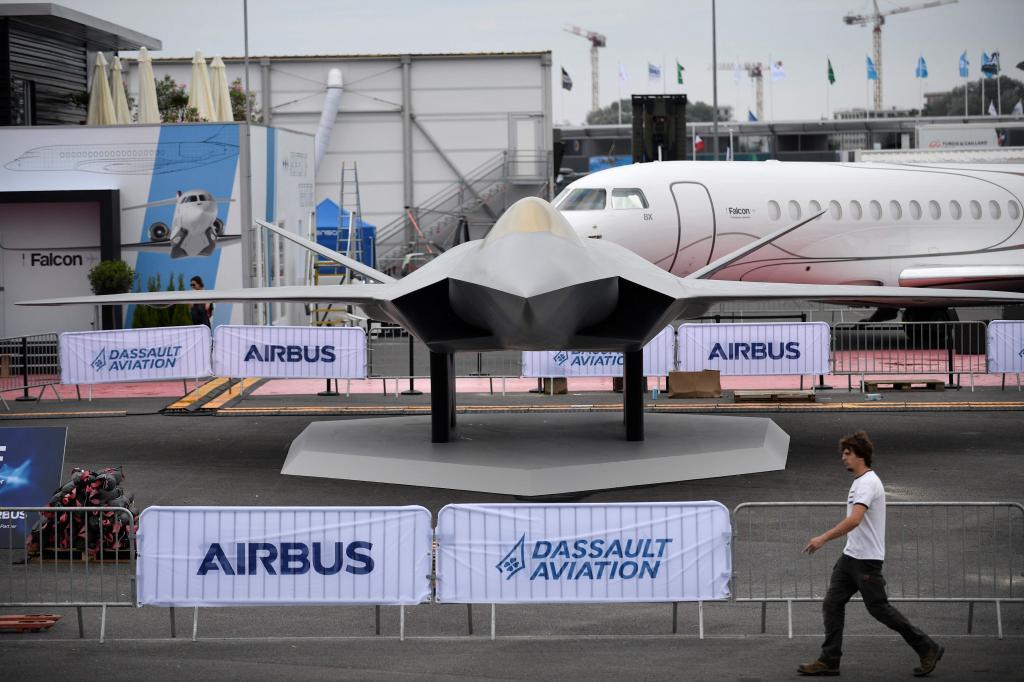
Merz certifica la muerte del gran caza europeo y apuesta por una cooperación militar más limitada con Francia El canciller alemán y Macron llegan a la conclusión de que no hay perspectivas realistas de desbloquear las negociaciones entre Airbus y Dassault Leer
elmundo · 4 months ago
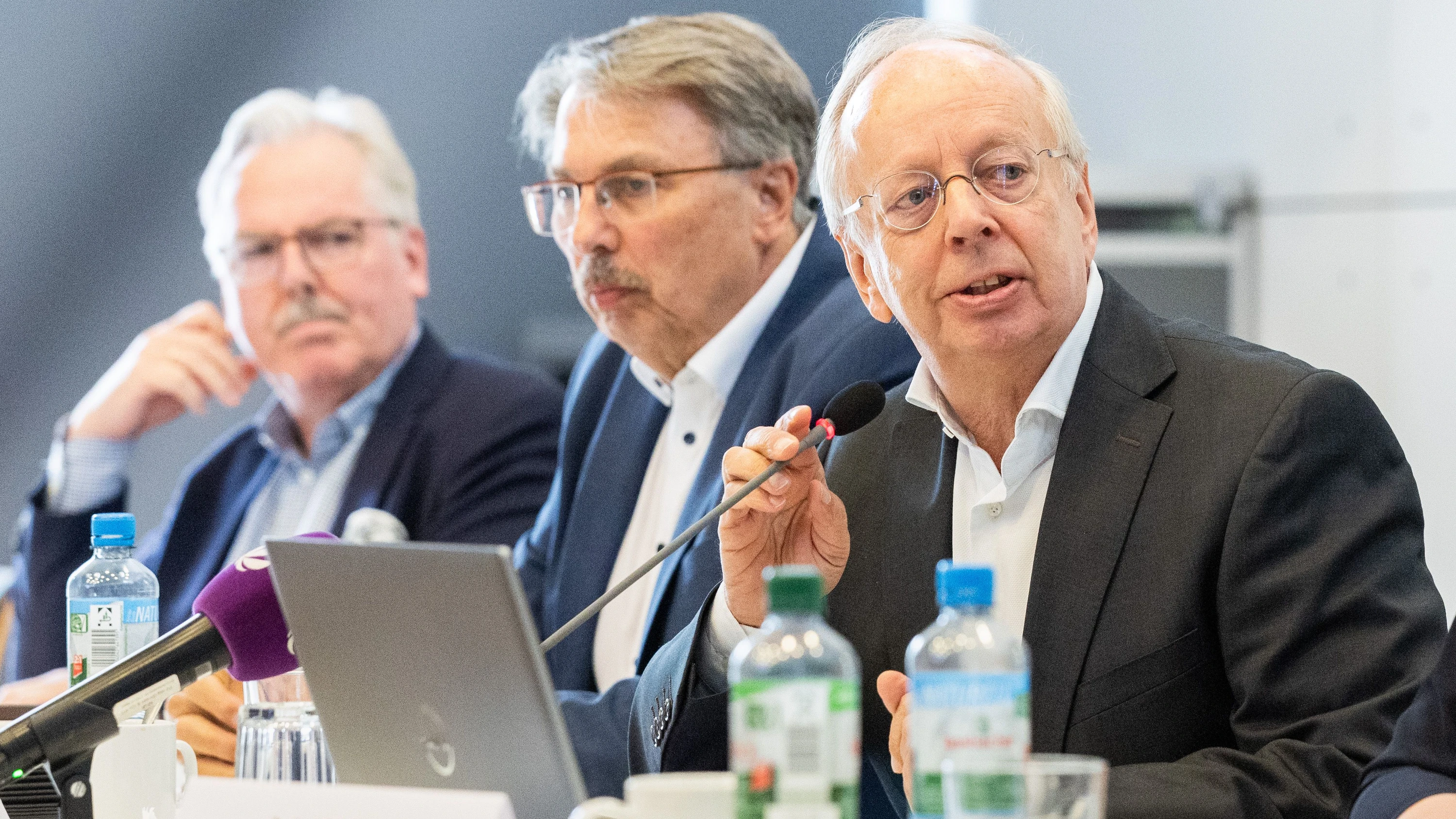
Fluglärm: „Die am stärksten Belasteten kriegen eins obendrauf Die Fluglärmkommission kritisiert das neue Betriebskonzept des Frankfurter Flughafens, würdigt aber den damit einhergehenden Lärmschutz. Noch nicht vergessen ist der „Kommunikationsgau aus dem vergangenen Jahr.
faz · 4 months ago
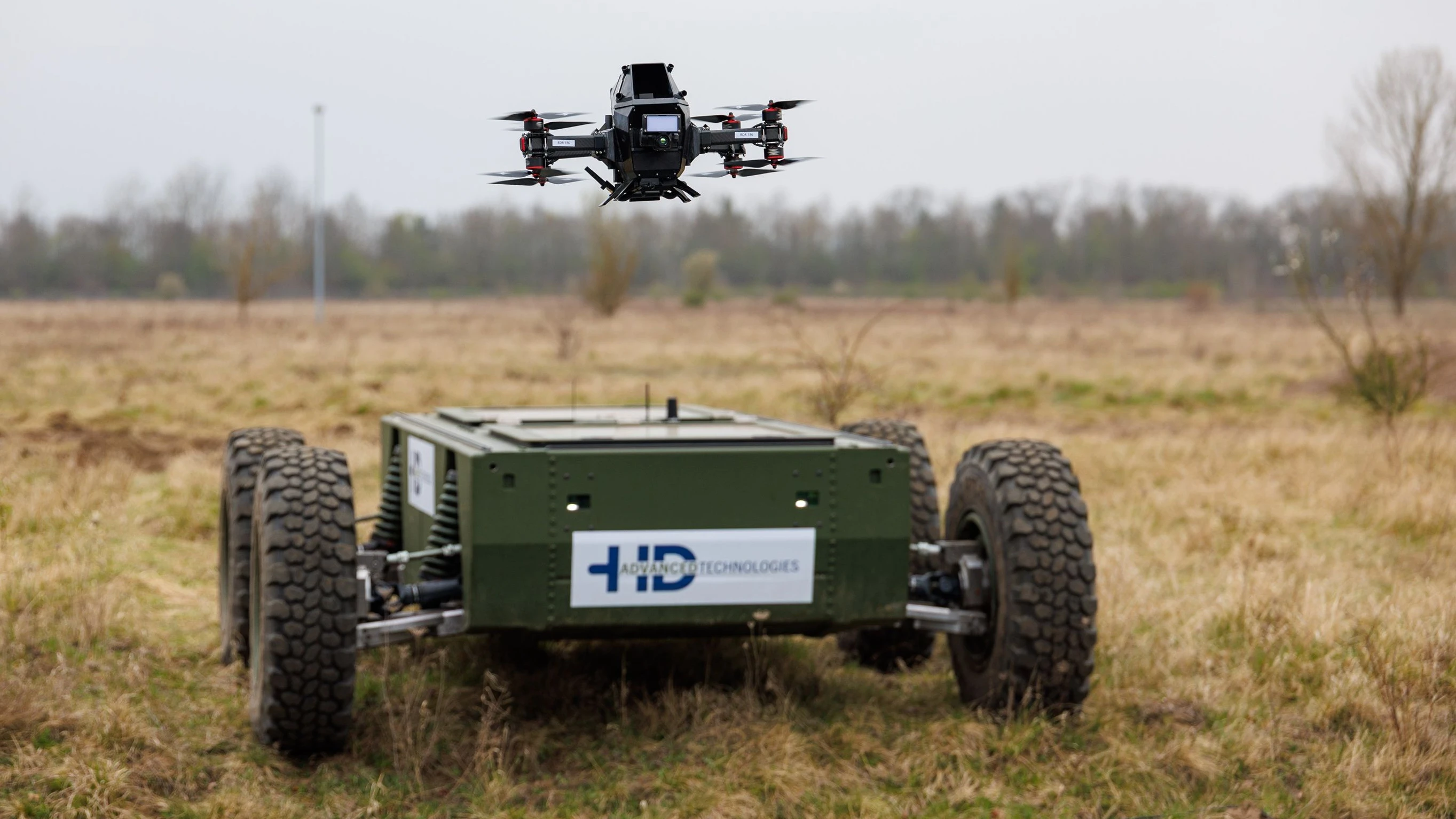
Heidelberger Druckmaschinen: Drohnen statt Druckmaschinen Rüstung, Ladeinfrastruktur, Service: Der angeschlagene Traditionskonzern sucht sein Heil in neuen Geschäften. Schließlich könne die Firma die komplexesten Maschinen der Welt bauen. Doch nicht alles gelingt.
faz · 4 months ago
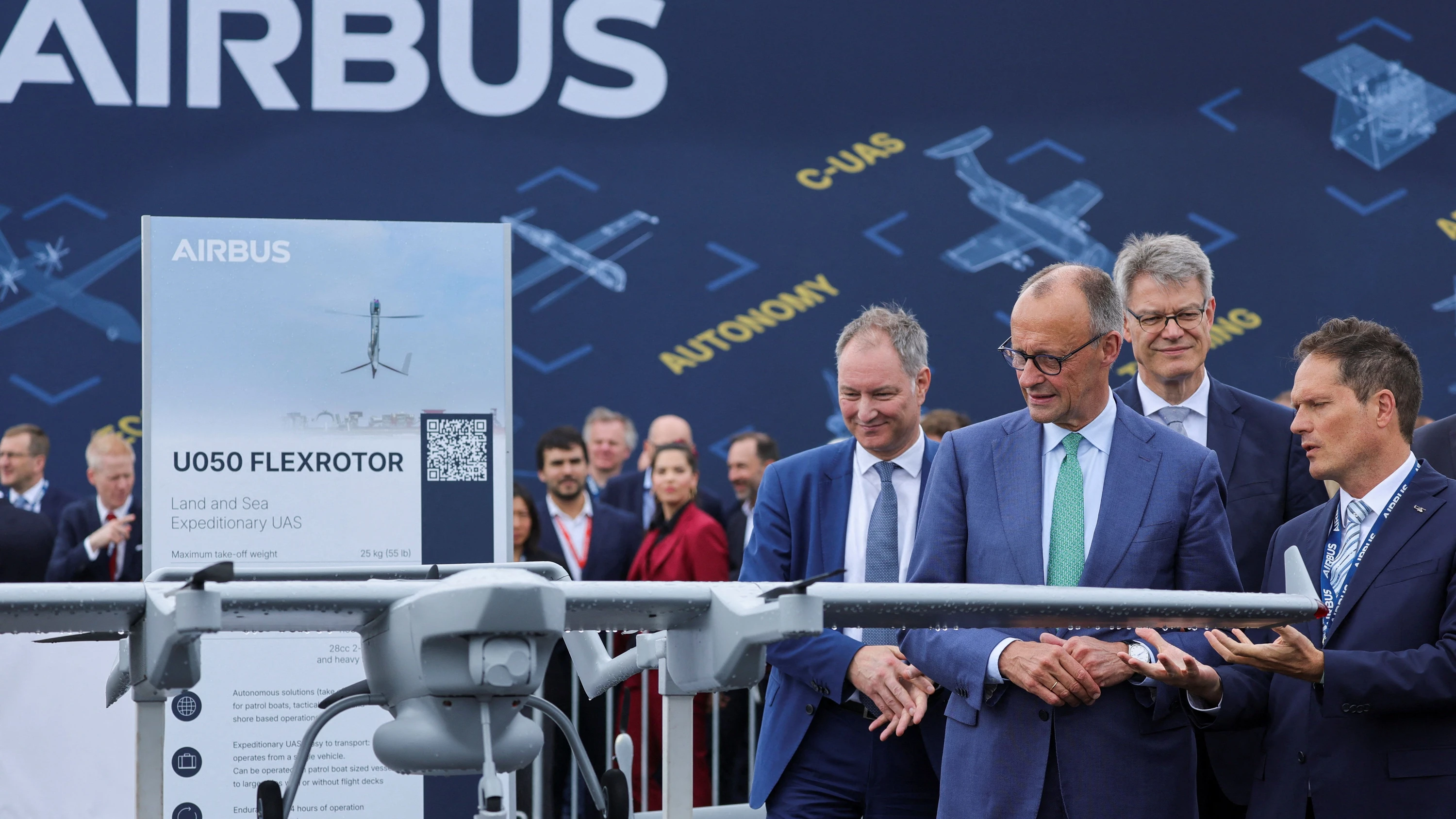
Neustart nach FCAS-Aus: „Wir wollen die deutsche Industrie entschieden beteiligt sehen Die Regierung legt eine Kursbestimmung für die Luftfahrt vor. Für das gescheiterte Kampfjetprojekt FCAS setzt der Bund jetzt auf eine Alternative unter „maßgeblicher Beteiligung der deutschen Luftindustrie.
faz · 4 months ago
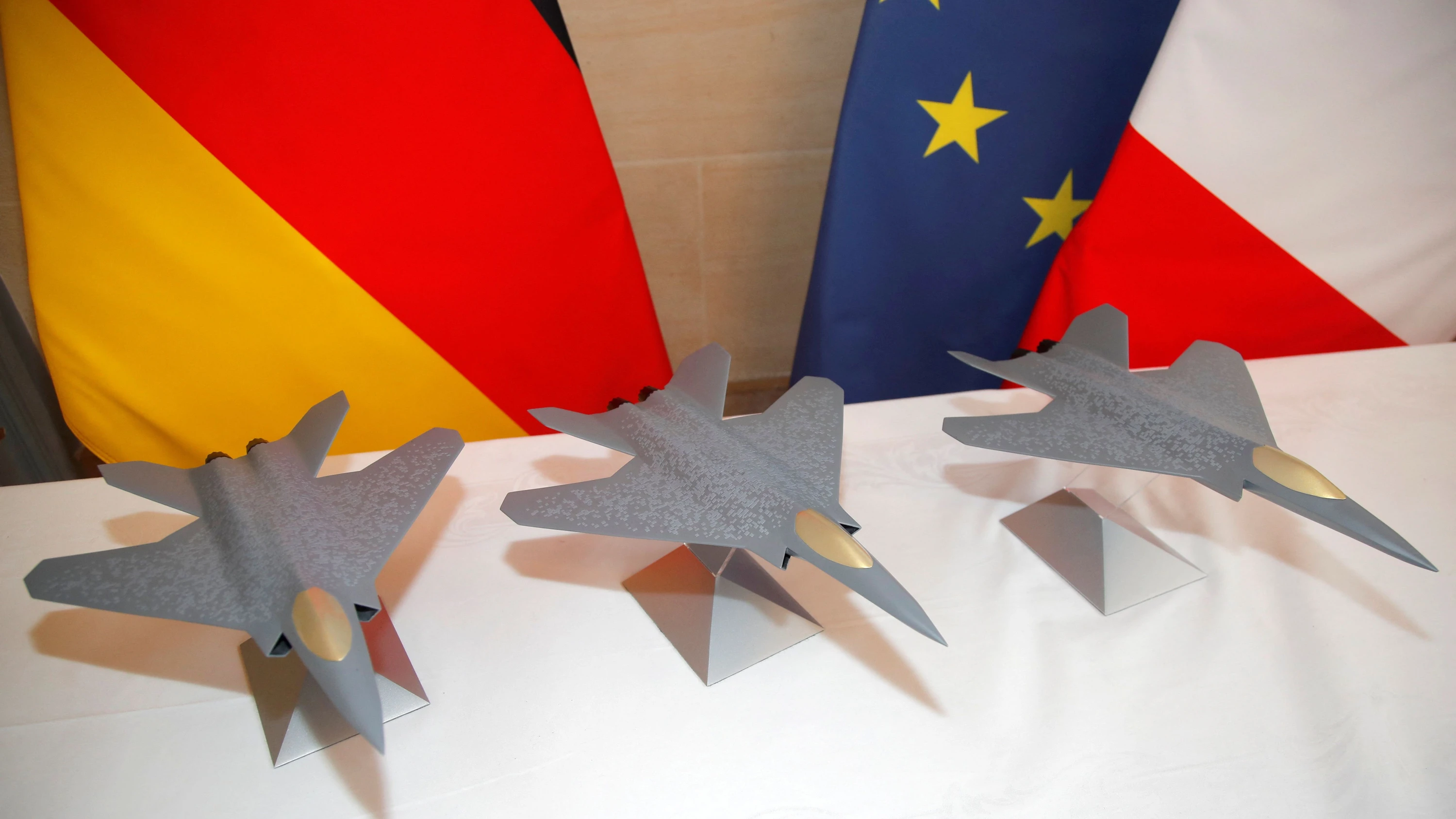
Nicht nur FCAS: Die unrühmliche Galerie gescheiterter Rüstungsprojekte FCAS ist nicht das erste fehlgeschlagene internationale Rüstungsprojekt. Eine Geschichte guter Absichten ohne guten Ausgang.
faz · 4 months ago
Rüstung: Merz lässt offen, wie es nach dem FCAS-Aus weitergeht Der Kanzler sagt, er und Frankreichs Präsident Macron hätten sich die Entscheidung über das Aus für das Kampfjet-Projekt nicht leichtgemacht. Doch eine entscheidende Frage lässt er unbeantwortet.
sueddeutsche · 4 months ago

Merz touts importance of German aviation sector at Berlin Air Show
news.yahoo.com · 4 months ago
New York: French air force soars over Statue of Liberty Eight jets from Frances air force acrobatics team staged a flyover of the Statue of Liberty on Tuesday, soaring above the iconic statue gifted by France to the US in 1886. The flight was part of a mission highlighting Frances support for the US during the War of Independence and comes ahead of the 250th anniversary of the US Declaration of Independence.
france24 · 4 months ago
FCAS: Learning from the failure of the French-German next-generation fighter jet The next-generation fighter jet project collapsed due of a lack of shared vision, leaving a bitter outcome. Precious time has been lost, at a moment when Russias war against Ukraine demands swift decisions for Europes common defense.
le monde · 4 months ago
France to keep working on fighter jet through 2040 France and Germany scrapped a program to develop a fighter jet on Monday after disagreements between the two companies involved.
le monde · 4 months ago
Catastrofă aviatică în Kashmir. Nu există supraviețuitori după prăbușirea unui elicopter militar Un elicopter Mi-17 al armatei pakistaneze s-a prăbuşit miercuri în partea controlată de Pakistan a regiunii Kashmir; toţi cei aflaţi la bord şi-au pierdut viaţa, informează DPA şi AFP, citate de Agerpres. Aeronava a suferit o defecţiune tehnică imediat după decolare, în oraşul Muzaffarabad, capitala Kashmirului pakistanez, arată un comunicat al forţelor armate care nu …
hotnews.ro · 4 months ago
După eșecul franco-german al avionului de vânătoare de generația a 6-a, Europa se reorientează către gigantul suedez Saab, producătorul Gripen Gigantul din domeniul aviației Airbus se orientează din ce în ce mai mult către compania suedeză Saab ca viitor partener preferat, pe măsură ce eșecul programului franco-german pentru noul avion de vânătoare al Europei remodelează alianțele europene în domeniul apărării, au declarat miercuri trei persoane familiarizate cu situația pentru agenția de presă Reuters. Colaborarea în …
hotnews.ro · 4 months ago
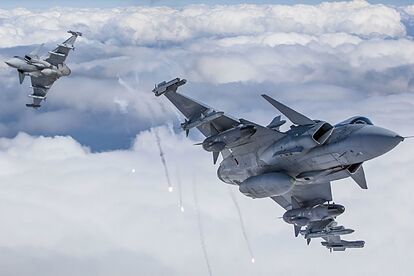
Indra y Airbus miran a Saab para salvar el futuro caza europeo Tras el fin del pacto para finalizar el programa del sistema de combate aéreo europeo FCAS, España y Alemania buscan alianzas con empresas europeas para apostar por la autonomía estratégica. Leer
expansion · 4 months ago

Yves Ubelmann, architecte, fondateur de la société Iconem : « Les nouvelles technologies de limage permettent de lutter contre leffacement du patrimoine » Le commissaire associé de lexposition « Patrimoines en résistance », à la Cité de larchitecture et du patrimoine à Paris, explique, dans un entretien au « Monde », comment les images prises par des drones participent à la reconstruction de sites ou de villes détruites.
le monde · 4 months ago
„Der Eurofighter fliegt seit 20 Jahren seine Runden und ein Nachfolger fehlt Nach dem Scheitern des deutsch-französischen Kampfjet-Projekts setzt die deutsche Industrie auf ein neues europäisches Vorhaben. „Denn alleine, ganz alleine ist es eben so, dass es keinen Sinn macht, so ein Projekt durchzuziehen, sagt WELT-Wirtschaftsredakteur Benedikt Fuest.
welt.de · 4 months ago
Gemälde, Skulpturen und Fotografien: „Tausendmal Berlin im Hamburger Bahnhof Mehr als 70 Werke beleuchten die Berliner Kunstszene seit 1989. Die neue Ausstellung im Museum Hamburger Bahnhof in Berlin lädt zum Dialog mit Künstlerinnen und Künstlern ein.
tagesspiegel · 4 months ago
Verteidigung: Wer baut den neuen Kampfjet für die Luftwaffe? Die Suche nach der FCAS-Alternative hat begonnen Nach dem Aus für das gemeinsame deutsch-französische Kampfflugzeug laufen die Gespräche, wie es nun weitergehen soll. Wird Deutschland weitere F-35-Jets aus den USA kaufen?
handelsblatt · 4 months ago
Spire to pursue space-based missile warning in partnership with German defense firm Diehl Defence will explore using Spires constellation for detection of ballistic and hypersonic missile threats The post Spire to pursue space-based missile warning in partnership with German defense firm appeared first on SpaceNews.
spacenews · 4 months ago
UE are în vedere dezvoltarea unor noi capacități militare pentru a reduce dependența de SUA: „Trebuie să găsim modalități Comisarul UE pentru Apărare, Andrius Kubilius, analizează o nouă inițiativă prin care țările să finanțeze în comun capacități militare precum realimentarea în zbor, asigurată în prezent de SUA, au declarat pentru Politico trei oficiali ai Parlamentului European.
digi24 · 4 months ago