
Belgian prosecutors charge ex-railway chief and advisor in state financing corruption case

Belgian prosecutors have exposed deepening concerns over systemic corruption within state institutions, with a recent case underscoring the erosion of public trust. Brussels Prosecutor Julien Moinil revealed an alleged political intervention to secure the release of a detainee, describing it as part of a broader pattern of compromised integrity across administrations and law enforcement. His remarks follow a 2021 warning by former investigating judge Michel Claise, who declared, “The Belgian state is corrupt” .
The latest development involves Jean-Claude Fontinoy, 81, the former president of Belgium’s national railway (SNCB) and the international arm of the state’s financial institution (SFPIM), who will stand trial in November alongside his advisor, Thierry Denuit. They face charges related to a suspected scheme between 2023 and 2024, where applicants for state financing were allegedly pressured to pay an unnamed nonprofit to ensure favorable treatment of their files. Investigators have closed the first phase of the inquiry, with additional probes ongoing. The case marks a rare public reckoning, as Belgium has frequently relied on plea bargains to resolve such matters.
Moinil’s comments also referenced past scandals—including the Kazakhgate affair, the Libyan funds case, and the dismantling of Sky-ECC encrypted networks—that exposed corruption within police and customs. While not all cases involved criminal offenses, they have collectively fueled public skepticism. The prosecutor emphasized that the trial of Fontinoy and Denuit sends a necessary signal about defending the rule of law, even as institutions grapple with chronic underfunding. Presumption of innocence applies, but the case underscores the urgency of addressing systemic vulnerabilities.
Follow us for live European news
- 2
- 2
- 1
- 1
- 1
- 1
- 1
4 further sources not geolocated
Articles

«Tugev inimene murdub palju kordi, aga ta ei jää katki.» 10 mõtet vaimsest tugevusest Ettevõtja, CrossFiti treener ja kirjanik Marko Viik vaatab raamatus «Vaimse tugevuse teemant» tagasi sõltuvustele, valusatele suhetele, depressioonile, lähedaste kaotustele ja ettevõtluses kogetud raskustele, et mõtestada, mida inimene saab oma langustest õppida ning kuidas jõuda selleni, et minevik ei määraks enam tema järgmisi valikuid.
postimees · about 2 hours ago
Da giovani non abbiamo guadagnato quanto avremmo dovuto. Ora non lasceremo che ci fott*no di nuovo. A casa di Elton John cerano almeno 6mila euro di fiori: parlano i Blue Nellepoca delle boyband le loro canzoni stazionavano in cima alle classifiche e in carriera hanno venduto più di 15 milioni di dischi in tutto il mondo. I Blue hanno raggiunto il successo da giovanissimi allinizio del millennio, poi nel 2005 si sono fermati per una pausa durata oltre sei anni, dedicandosi a progetti solisti. Sono […] Larticolo Da giovani non abbiamo guadagnato quanto avremmo dovuto. Ora non lasceremo che ci fott*no di nuovo. A casa di Elton John cerano almeno 6mila euro di fiori: parlano i Blue proviene da Il Fatto Quotidiano.
il fatto quotidiano · about 2 hours ago
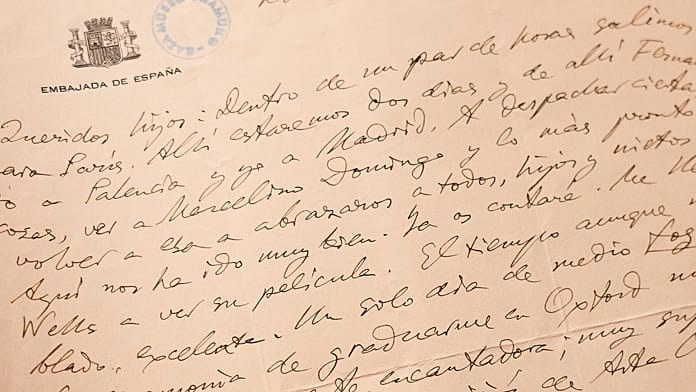
Unamuno and H. G. Wells went to the cinema together: unpublished letter confirms it 90 years on Written in 1936 and found in the archive of Salamancas Casa-Museo Unamuno, the document confirms the Spanish writer dined with the author of The War of the Worlds before going to the cinema together in London.
euronews · about 2 hours ago

Der ORF als Sprachrohr für ms Teams. Und damit es richtig wirkt müssen für die Open Source Alternative harte Worte genutzt werden "absoluter scheiß". 💩Grml...Wie oft ich mir das schon bei so ziemlich jeder Software gedacht habe und wie oft ich selbst dabei das Problem war lass ich mal so stehen 😅 #digitaleunabhängigkeit #oss
mastodon bot · about 2 hours ago

From the fictional Connecticut town of Gilmore Girls Stars Hollow to destinations closer to home in Europe, the set-jetting trend continues to turn film and TV locations into travel experiences. #Destinations
bluesky_Euronews · about 2 hours ago
![Jak działa manipulacja w sieci. „Dziecko nie zawsze wie, że jest ofiarą [WYWIAD] Sprawcy szukają dzieci tam, gdzie te spędzają czas – na platformach społecznościowych, grach i popularnych serwisach. Po kilku tygodniach wspólnej gry „obcy może już nie wydawać się dziecku obcy, a materiały raz opublikowane w sieci mogą zacząć żyć własnym życiem. Nina Vaaranen-Valkonen z organizacji Protect Children opowiada w rozmowie z CyberDefence24 o tym, jak zmieniają się metody sprawców, dlaczego przemoc online wciąż bywa bagatelizowana i czego potrzeba, by skuteczniej chronić dzieci w świecie, którego nie rozumieją.](https://cdn.defence24.pl/2026/09/29/1200xpx/QgkHRJKrUhd10aoOzx35wr8r18wI6NXBp20g1h7M.rzml.png)
Jak działa manipulacja w sieci. „Dziecko nie zawsze wie, że jest ofiarą [WYWIAD] Sprawcy szukają dzieci tam, gdzie te spędzają czas – na platformach społecznościowych, grach i popularnych serwisach. Po kilku tygodniach wspólnej gry „obcy może już nie wydawać się dziecku obcy, a materiały raz opublikowane w sieci mogą zacząć żyć własnym życiem. Nina Vaaranen-Valkonen z organizacji Protect Children opowiada w rozmowie z CyberDefence24 o tym, jak zmieniają się metody sprawców, dlaczego przemoc online wciąż bywa bagatelizowana i czego potrzeba, by skuteczniej chronić dzieci w świecie, którego nie rozumieją.
cyberdefence24 · about 2 hours ago
Landwirtschaft: Sieben Jahre Arbeit, kein einziges Gehalt - "Mein Job ist ein teures Hobby" Schweinepest in Spanien, Lieferstopp nach China, ein Kilopreis von nur 1,45 Euro – immer mehr Schweinehalter geben auf. Annika Thier will den Hof ihres Vaters trotzdem übernehmen. Warum?
handelsblatt · about 2 hours ago

13-latek planował atak w szkole. Ekspertka: Nie lekceważmy "dziwnych" zachowań - Pojawia się czasem pytanie, jak to możliwe, że dzieci, nastolatki popełniają zbrodnie. Nigdzie nie jest powiedziane, że nie mogą tego zrobić tylko dlatego, że są młodzi - mówi dr Joanna Stojer-Polańska, kryminalistyk z Uniwersytetu SWPS.
gazeta.pl · about 2 hours ago

Caminar como en la Prehistoria por la Gran Vía: ¿qué dicen los traumatólogos sobre el barefoot urbano? Félix López Martín, traumatólogo y responsable de la Unidad de Preservación Articular y Medicina Regenerativa del Hospital Memorial Publio Cordón de Madrid, explica qué beneficios tiene esta tendencia, qué riesgos puede entrañar y cómo adaptar el pie a esta nueva forma de caminar Leer
elmundo · about 2 hours ago
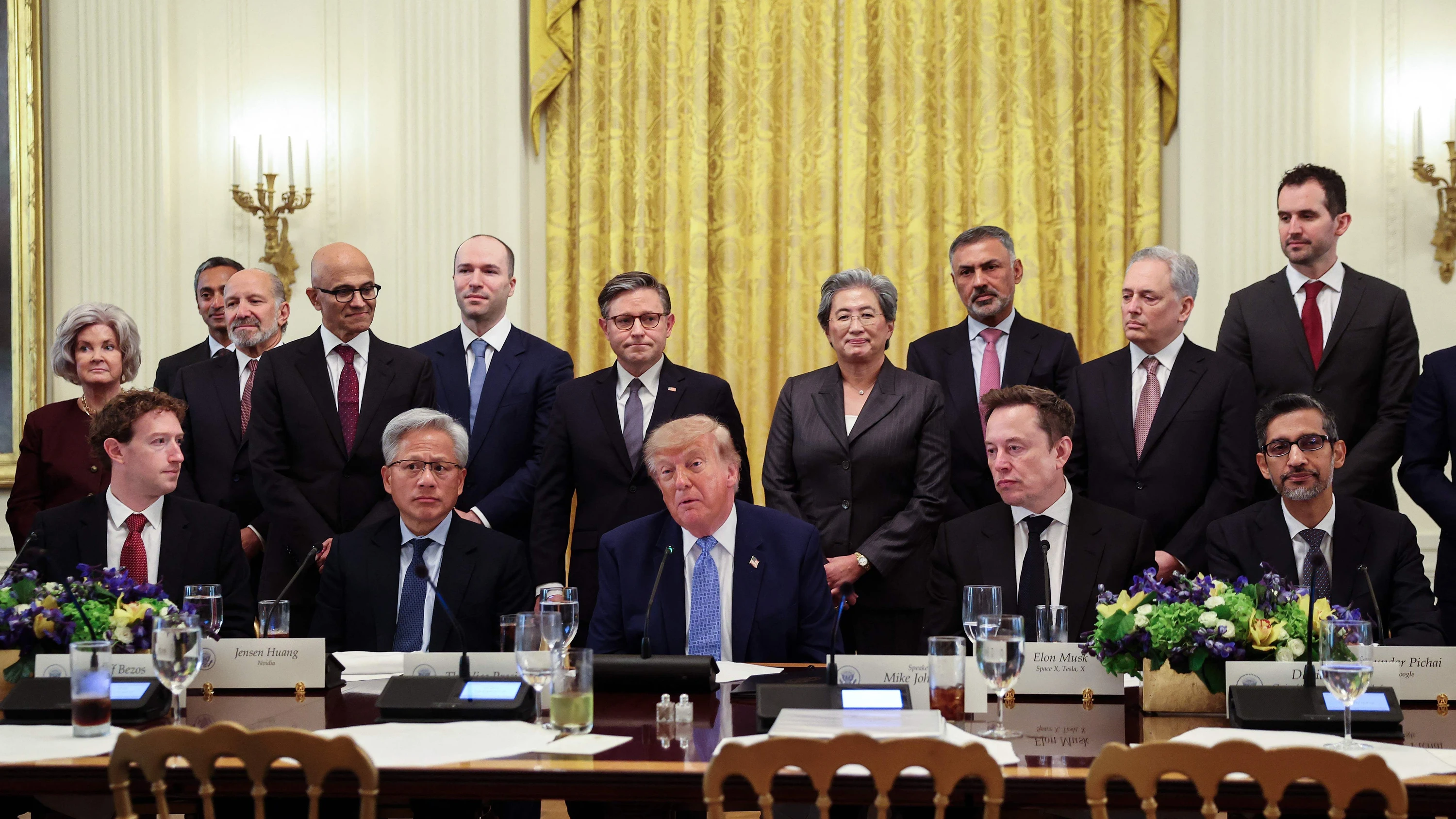
Naomi Klein und Astra Taylor: „Die faschistischen Kräfte haben an Momentum gewonnen Naomi Klein und ihre Kollegin Astra Taylor sehen der Apokalypse entgegen: Die mächtigsten Menschen der Welt würden sich nicht nur auf ein Ende der Welt vorbereiten, sondern es sogar beschleunigen. Ein Gespräch.
faz · about 2 hours ago
„Nu îmi mai ajung banii. Românii câștigă mai mult, dar își permit mai puțin. Cum explică economiștii paradoxul Veniturile medii ale unei familii de români au crescut cu 3,2 procente, în primul trimestru din acest an. Vestea nu este neapărat una bună, deoarece, raportat tot la aceeași perioadă a anului trecut, cheltuielile sunt mai mari cu 4,5. Potrivit datelor INS, aproape 85 din veniturile încasate într-o gospodărie se duc pe alimente, taxe și facturi. Din banii rămași, oamenii abia dacă reușesc să pună ceva deoparte.
digi24 · about 2 hours ago
Ile naprawdę zostaje z najmu? Czytelniczka pokazuje swoje wyliczenia Najem krótkoterminowy nie jest już świetnym sposobem na zarabianie. Jak mówi nasza czytelniczka, osoby legalnie wynajmujące prywatne nieruchomości już są na granicy opłacalności. Mówi, że wystarczy spojrzeć na koszty i pokazuje wyliczenia.
businessinsider polska · about 2 hours ago
Provocarea zilei pe „Adevărul: integrama „Albastru pune la încercare atenția și vocabularul. Cât de repede o poți rezolva? „Adevărul aduce pe telefon și computer una dintre rubricile îndrăgite ale ediției tipărite. „Jocurile zilei le oferă cititorilor, zilnic, provocări de atenție, cultură generală și spirit de observație, potrivite atât pentru o pauză de la serviciu, cât și pentru momentele de relaxare.
adevarul · about 2 hours ago