
Europes June heatwave sparks wildfires, emergencies as temperatures shatter records across Spain and France

Story Timeline
3 months · 11 summary articles
Europe’s relentless June heatwave has intensified into a continent-wide crisis, with Spain’s Catalonia region declaring a state of emergency as wildfires rage and temperatures shatter records. In Barcelona, meteorologists recorded 40.7°C on Tuesday—the highest since records began 112 years ago—while simultaneous infernos forced the evacuation of nearly 17,000 people across eastern Spain, including a blaze in Sentmenat that has already scorched over 200 hectares.
The fires, described by emergency services as “high-intensity,” have prompted authorities to deploy 29 ground crews and seven aircraft in Gavà alone, where a blaze originating near Montserrat Roig street threatened the Serra de Ferreres. Investigators suspect fireworks as the likely cause, with Mossos d’Esquadra and Agentes Rurales searching for those responsible. Meanwhile, in Pla de Manlleu and Navarcles, authorities warned of potential calcinations spanning thousands of hectares, as the Catalan fire service (Bombers de la Generalitat) battled to contain two simultaneous fronts.
Spain is not alone in its struggle. France’s Mediterranean coast has seen temperatures exceed 43°C in the Hérault department, while Bordeaux’s newly built eco-district of Brazza—designed to modern sustainability standards—has become an oven, with residents reporting indoor temperatures unbearable even at night. “It’s like living inside a furnace,” one resident told France 24’s Emerald Maxwell. Across the Channel, Belgium has issued a nationwide yellow heat alert through Sunday, and the UK’s Met Office has warned of a severe marine heatwave threatening coastal ecosystems.
The human toll is mounting. Portugal recorded 237 excess deaths during the June heatwave, while Belgium’s Wallonia region reported a 47.8% surge in mortality—76 deaths—during the same period. In Catalonia, emergency services have been stretched thin, with the Sentmenat fire, now largely contained, serving as a grim reminder of the region’s vulnerability. “The fires are everyone’s business, whether in the north or south,” warned a spokesperson for France’s fire services, as simultaneous blazes from the Deux-Sèvres to the Mediterranean strained national resources.
Scientists warn that such extreme events are becoming the new normal. A study published Wednesday in *Science Advances* proposes a controversial geoengineering solution to mitigate the intensifying El Niño phenomenon, suggesting that artificially brightening marine clouds could temporarily cool Pacific waters. While researchers acknowledge the risks—including unpredictable climate feedback loops—lead author Kate Ricke of the Scripps Institution of Oceanography argues that targeted interventions could offer a lifeline. “We need to understand much more, but if there’s a way to use this alongside risk-reduction tools, why not consider it?” she said. Critics, however, dismiss the idea as reckless. Francisco J. Tapiador, a physics professor at the University of Castilla-La Mancha, called the proposal “temerarious,” citing the lack of long-term climate modeling and the potential for legal liabilities.
As Europe braces for a possible Super El Niño—the strongest in recorded history—governments are scrambling to adapt. In schools across the continent, classrooms are being retrofitted with cooling systems, while airlines and tourism operators report cancellations and shifting travel patterns due to extreme heat. The Tour de France, now in its fifth stage, has seen riders resort to desperate measures, with supplies of ice running out and temperatures exceeding 35°C. “Climate change is here,” said Italian cyclist Matteo Trentin. “We can’t ignore it anymore.”
With no respite in sight, Europe’s heatwave underscores the urgent need for both immediate crisis management and long-term climate adaptation. As the continent swelters, the question remains: will this summer’s devastation finally force decisive action, or will it be forgotten by winter?
Follow us for live European news
- 2
- 2
- 2
- 1
- 1
- 1
- 1
- 1
- 1
- 1
- 1
- 1
- 1
2 further sources not geolocated
Articles

Fenomen spectaculos pe o plajă din Coreea de Sud. Ceața marină densă a înghițit zgârie-norii și litoralul Un fenomen neobișnuit a fost surprins pe o plajă din Coreea de Sud, unde o ceață marină extrem de densă a învăluit zgârie-norii și linia de coastă.
adevarul · about 2 months ago
Imagini cu furtuna de nisip care i-a alungat pe turiștii de pe plaja din Eforie Nord, în timpul codului galben din Dobrogea Momente de panică, miercuri, pe plaja din Eforie Nord, unde vântul puternic a provocat o furtună de nisip. Turiștii și-au strâns în grabă lucrurile și au căutat adăpost, în timp ce rafalele au redus vizibilitatea și au măturat plaja.
adevarul · about 2 months ago
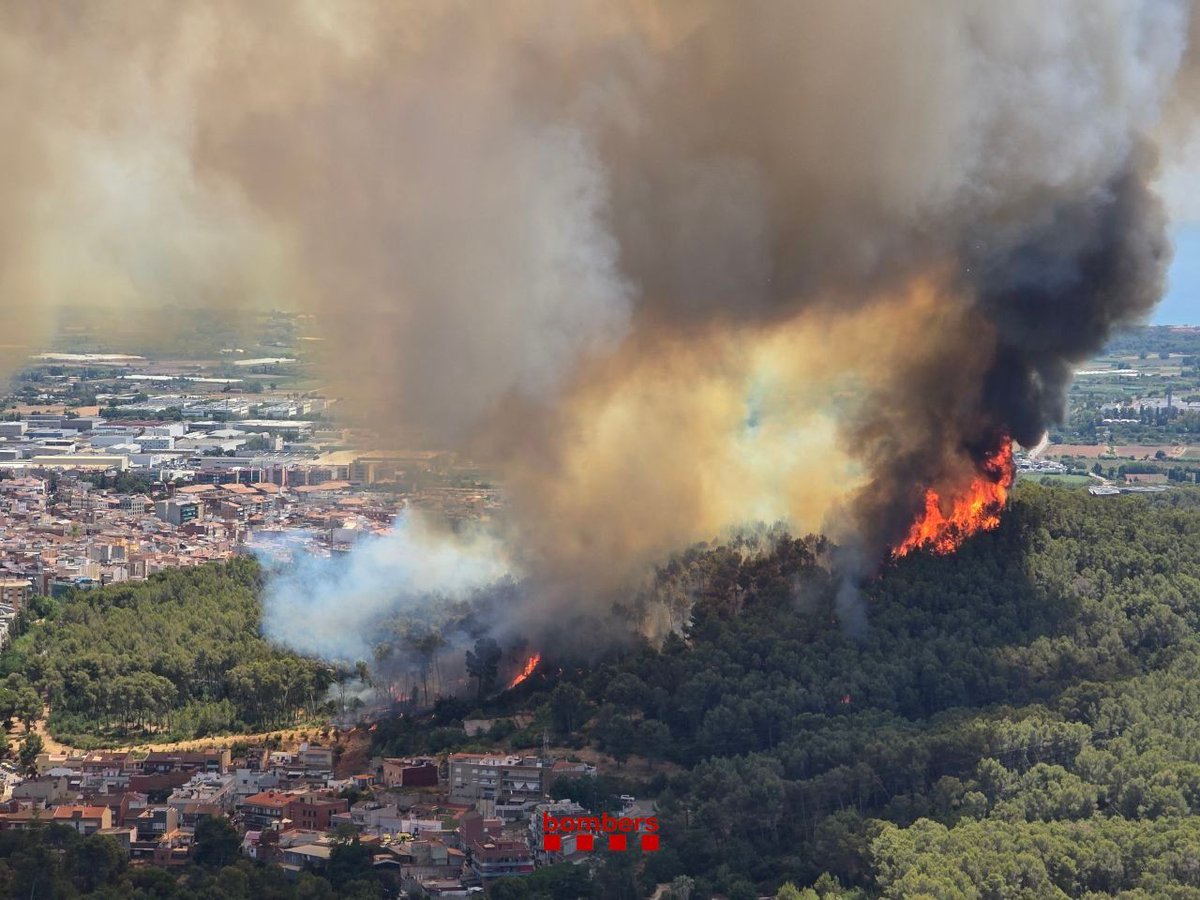
Una nueva jornada de incendios simultáneos en Cataluña provoca el confinamiento de 17.000 personas Declarados nuevos fuegos en Gavà, Navarcles (Barcelona) y Pla de Manlleu (Tarragona) Leer
elmundo · about 2 months ago
En Finlande, construire mieux pour faire baisser la température Comment faire VRAIMENT baisser la température alors que la canicule revient, on sintéresse aux vraies bonnes solutions, celles qui permettent de lutter contre le réchauffement climatique. Et dans ce domaine, la Finlande est une vraie source dinspiration, léconomie circulaire est devenue une priorité nationale, lidée est de recycler, retraiter les ressources pour plus de durabilité.
rfi.fr · about 2 months ago
In Bordeauxs brand new eco-district of Brazza, homes turn into ovens during the heatwave France is experiencing its third heatwave in two months. In Bordeaux the thermometre hit 40 degrees Celsius this week, including in its new eco-neighbourhood. The apartment blocs are new, built to the latest standards - but inside its like an oven, and residents have had enough. FRANCE 24s Emerald Maxwell reports.
france24 · about 2 months ago
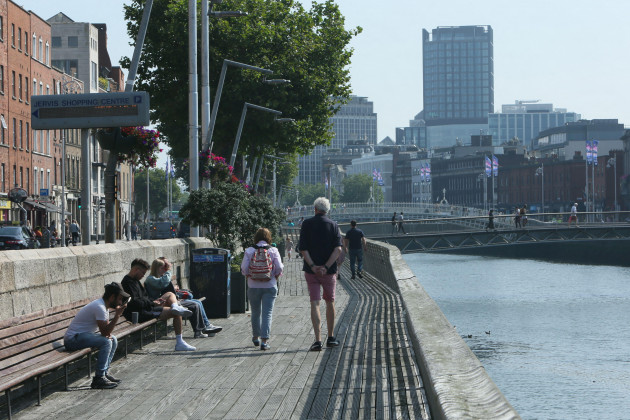
Lise Hand: In this heat, Irish summers just arent what they used to be We once lathered on tanning oil and prayed for sunshine. Now every heatwave comes with wildfire maps, health warnings and an uneasy feeling that something is off.
thejournal · about 2 months ago
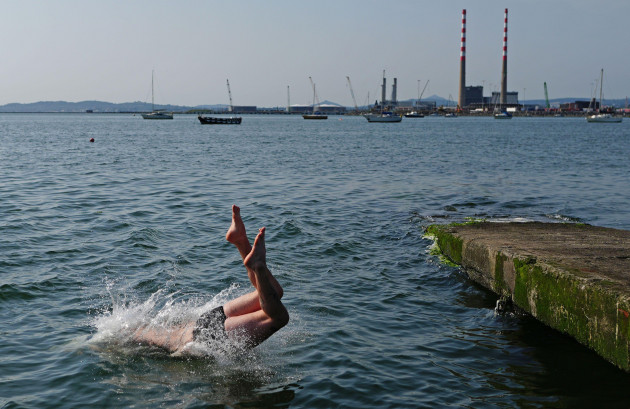
Hot and getting hotter: Met Éireann says temperatures could reach 30 degrees this weekend Saturday night will be tropical in some parts of the country.
thejournal · about 2 months ago
US summer travel slumps under rising fares and fuel expenses US summer trips decline as 45 percent of Americans skip holidays due to soaring airfares and car travel expenses.
aljazeera · about 2 months ago
July weather: Floods, waterspouts and giant hailstones The current month is only a week or so old but has already seen more than its fair share of variable and sometimes unusual weather conditions.
news.err · about 2 months ago
![Flight delays this summer: Manchester worst for delays in UK as European airports face similar chaos Is my holiday flight likely to be delayed or cancelled? Theres nothing worse than the flight out to our holiday […]](https://euroweeklynews.com/wp-content/uploads/2026/07/shutterstock_2643739345-1-e1783522042103-1024x640.jpg?type=local)
Flight delays this summer: Manchester worst for delays in UK as European airports face similar chaos Is my holiday flight likely to be delayed or cancelled? Theres nothing worse than the flight out to our holiday […]
euroweeklynews · about 2 months ago

Hotter Seas in Britain and Europe Threaten Marine Life Higher sea temperatures have followed scorching weather across Europe, prompting Britains weather service to declare a severe marine heat wave.
new york times · about 2 months ago
Cyprus leads EU in air conditioning energy usage Cyprus recorded the highest share of household energy consumption devoted to air conditioning and cooling in the European Union in 2024, according to figures released on Wednesday by Eurostat, highlighting the growing impact of hotter weather on domestic energy demand. The latest figures show that 16 per cent of final household energy consumption in Cyprus […]
cyprus mail · about 2 months ago
Vročinski val v Španiji. V Barceloni izmerili rekordnih 40,7 stopinje Celzija. V Barceloni so najvišjo temperaturo izmerili pri 40,7 stopinje Celzija. Gre za rekordno visoko vrednost, odkar so pred 112 leti začeli izvajati meritve, so sporočile španske meteorološke službe. Španijo je sicer v teh dneh zajel nov vročinski val.
rtv slovenia · about 2 months ago

Efeitos colaterais do calor, crédito aperta e a fraude cara Calor extremo afeta trabalhadores, comboios e até o abastecimento de água em Almada. Aperto no crédito à habitação em agosto. Estado perde centenas de milhões nos combustíveis. E a Easyjet na mira.
observador · about 2 months ago

Portugal regista 237 mortes em excesso durante onda de calor País registou excesso de mortalidade durante pelo menos quatro dias, até esta terça-feira. INEM e linha SNS registam elevada procura, mas pressão nas urgências ainda não é significativa.
observador · about 2 months ago
Record absolut de temperatură înregistrat la Barcelona Barcelona a înregistrat miercuri un record absolut de temperatură, de 40,7°C în zona înaltă a orașului, doborând precedentul record de 40°C, stabilit în iulie 2024, au anunţat serviciile meteorologice regionale din Spania, potrivit AFP. La Barcelona, un oraş foarte popular în rândul turiştilor, proximitatea mării are tendinţa de a atenua căldura din aer, potrivit meteorologilor. …
hotnews.ro · about 2 months ago
Po týdnu se konečně zase dočkali teplé vody. Jedná se o obyvatele tisíců domácností Prahy 4 Pracovníci Pražské teplárenské (PTAS) ve středu po sedmi dnech obnovili dodávky teplé vody do části Prahy 4, kde byly od minulého čtvrtka přerušeny kvůli poruše horkovodního potrubí. Oprava v oblasti Michelské a Ohradní ulici byla dokončena a od 15.00 mají teplou vodu opět všechny dotčené domácnosti. Výpadek se týkal tisíců domácností v městské části. Informovala o tom PTAS.
irozhlas.cz · about 2 months ago

Un moment semble particulièrement compliqué lorsque lon part en vacances avec des amis: "La situation dégénère rapidement" Voyager avec des amis peut apporter beaucoup de positif mais aussi créer des tensions. Voici les conseils dexpertes pour éviter de se disputer pendant vos vacances. ...
la libre · about 2 months ago

La vague de chaleur de juin a causé une surmortalité de 47,8: une région davantage touchée, les personnes âgées pas les seules concernées La vague de chaleur de juin a engendré une surmortalité de 47,8, selon les données de Sciensano publiées mercredi. Il y a eu 1.747 décès en plus que dhabitude à cette période de lannée. ...
la libre · about 2 months ago

Canicule: record de chaleur absolu enregistré à Barcelone avec 40,5°C, linquiétude grandit en France Barcelone a enregistré mercredi un record absolu de température, à 40,5°C dans les hauteurs de la ville, ont annoncé les services météorologiques régionaux, battant le précédent record de 40°C enregistré en juillet 2024. ...
la libre · about 2 months ago

La vague de chaleur de juin a été exceptionnellement meurtrière, en particulier en Wallonie Quelque 1 747 décès supplémentaires ont été enregistrés, soit une surmortalité de 47,8 pour lensemble du pays, selon Sciensano. Ce chiffre monte à 76 en Région wallonne. ...
la libre · about 2 months ago

Vague de chaleur: pour le ministre de la Santé Coppieters, les chiffres de Sciensano sont "préoccupants" Pour le ministre wallon de la Santé Yves Coppieters, les chiffres de surmortalité pendant la vague de chaleur de fin juin publiés mercredi par Sciensano sont "préoccupants". ...
la libre · about 2 months ago

Nouvelle escalade avec lIran, coup de froid sur les marchés européens À Bruxelles, DIeteren et Aperam ont enregistré les plus fortes baisses parmi lindice Bel20. ...
la libre · about 2 months ago

Chaleur: alerte jaune sur toute la Belgique jusquà au moins dimanche soir LIRM prévient. ...
la libre · about 2 months ago

Canicule : les ministres de la Santé réclament des espaces frais dans les bâtiments publics et privés pour les personnes vulnérables Ils ont pris mercredi une série de mesures pour affronter les futures vagues de chaleur. Certaines recommandations des experts nont par contre pas été retenues. ...
la libre · about 2 months ago
Högtryck på ingång: Kan närma sig 30 grader Efter dagar av regn och moln ser värmen ut att göra comeback. I södra Sverige kan temperaturen närma sig 30 grader nästa vecka.– Vi kan till och med få högsommarvärme, säger SMHI:s meteorolog Henrik Reimer.
expressen · about 2 months ago
Vädret orsakar problem i tågtrafiken Vädermyndigheten SMHI varnar för kraftig regn och vind i flera delar av landet. Flera tåg har ställts in på grund av vädret.
sverigesradio · about 2 months ago
Tour de France, polemica durissima per il caldo estremo. I corridori allo stremo: finite le scorte di ghiaccio. Trentin: Il cambiamento climatico è qui Caldo estremo, temperature insostenibili e in media superiori a 35 gradi, giubbotti refrigeranti e continue docce dacqua durante la corsa. Il Tour de France 2026 è arrivato alla quinta tappa, ma il tema dominante non è più soltanto la lotta per la maglia gialla, passata ieri sulle spalle del norvegese Torstein Træen. A tenere banco […] Larticolo Tour de France, polemica durissima per il caldo estremo. I corridori allo stremo: finite le scorte di ghiaccio. Trentin: Il cambiamento climatico è qui proviene da Il Fatto Quotidiano.
il fatto quotidiano · about 2 months ago
Incendio in un capannone della Bartolini di Milano: Vigili del fuoco al lavoro, fumo visibile da diversi chilometri Un incendio è divampato nel pomeriggio allinterno di un capannone a Milano, in via Don Giovanni Minzoni 10. Si tratta di una sede della Bartolini, azienda della logistica specializzata nelle spedizioni. Sul posto sono intervenute cinque squadre dei Vigili del fuoco del comando provinciale di Milano, impegnate nelle operazioni di spegnimento e messa in sicurezza […] Larticolo Incendio in un capannone della Bartolini di Milano: Vigili del fuoco al lavoro, fumo visibile da diversi chilometri proviene da Il Fatto Quotidiano.
il fatto quotidiano · about 2 months ago
Maxi incendio nel deposito Bartolini di Milano: le immagini dallalto. Il Comune invita a chiudere le finestre Un vasto incendio è divampato allinterno del deposito Brt di via Don Giovanni Minzoni, nel quartiere Bovisa di Milano. Le fiamme, scoppiate intorno alle 19.30, hanno rapidamente coinvolto unampia porzione della struttura, interessando circa 8 mila metri quadrati di superficie e numerosi container collegati alle rampe di carico. Sul posto sono al lavoro diverse squadre […] Larticolo Maxi incendio nel deposito Bartolini di Milano: le immagini dallalto. Il Comune invita a chiudere le finestre proviene da Il Fatto Quotidiano.
il fatto quotidiano · about 2 months ago