 Sunday, June 7Sunday, June 7
US forces intercepted Iranian ballistic missiles and drones overnight on Saturday, 6 June 2026, after Tehran launched seven rockets toward Kuwait and Bahrain—six were shot down and one missed its target, US Central Command (CENTCOM) said. The strikes followed American attacks on Iranian radar installations in the Strait of Hormuz, which Washington described as retaliation for what it called an “immediate threat” posed by four Iranian drones en route to the waterway. Sirens sounded in Manama and Kuwait City as air-defence systems scrambled, while Iran’s Revolutionary Guards vowed to “close the Strait of Hormuz” if provoked further.
CENTCOM confirmed that US forces destroyed radar sites on Iran’s Qeshm Island and elsewhere in the south of the country, hours after the Iranian salvo reached the Gulf. Kuwait’s state news agency KUNA and Bahrain’s interior ministry both reported air-raid alerts as the missiles crossed their airspace. “Six of the seven ballistic missiles were intercepted,” CENTCOM said in a statement carried by Reuters . The seventh fell short of its intended target, according to initial assessments.
The exchange marks the latest flare-up since a fragile ceasefire took hold in late May, and it underscores the persistent risk of miscalculation in one of the world’s most congested shipping lanes. Iran’s state media framed the US strikes as “cowardly aggression” against coastal defences, while Washington insisted its radar attacks were limited to military infrastructure. US President Donald Trump, speaking to reporters in New York, said Tehran still retains roughly one-fifth of its pre-conflict missile stockpile and remains capable of further escalation .
Regional allies moved quickly to bolster defences. Kuwait announced a $2bn purchase of US drone-intercept systems, according to Germany’s *Frankfurter Allgemeine Zeitung* . The Pentagon said additional naval assets were being repositioned to deter further Iranian provocations, but analysts warned that any sustained closure of the Strait of Hormuz—through which roughly a fifth of global oil transits—would send shockwaves through energy markets.
Diplomatic channels remained open but strained. EU foreign ministers convened an emergency video call, while the UN Security Council scheduled an emergency session for later today. “The ceasefire is hanging by a thread,” said a senior European diplomat who asked not to be named. “Both sides are calculating how far they can push without triggering a full-scale conflict.”
US intercepts Iranian missiles targeting Kuwait and Bahrain

Iranul a lansat șapte rachete spre două țări din Golf. Anunțul armatei americane Iranul a lansat șapte rachete către Kuweit și Bahrain, a anunțat sâmbătă armata americană, adăugând că șase au fost interceptate, iar ultima nu și-a atins ținta, potrivit AFP și Reuters. „Iranul a lansat șapte rachete balistice către Kuweit și Bahrain (…) conform primelor evaluări, șase au fost interceptate, iar a șaptea nu și-a atins ținta …
hotnews.ro · about 19 hours ago
Iran, gli Usa colpiscono stazioni radar di Teheran. La risposta: missili su Kuwait e Bahrein Larticolo Iran, gli Usa colpiscono stazioni radar di Teheran. La risposta: missili su Kuwait e Bahrein proviene da Il Fatto Quotidiano.
il fatto quotidiano · about 19 hours ago
USA schießen iranische Drohnen über der Straße von Hormus ab Das US-Militär hat nach eigenen Angaben vier iranische Drohnen auf dem Weg zur Straße von Hormus abgefangen und anschließend Radarstellungen attackiert. Der Iran reagierte darauf mit Raketenangriffen auf US-Ziele in der Golfregion.
welt.de · about 19 hours ago
Fußball: Iran: Keine US-Visa für mehrere Funktionäre in WM-Delegation Die Einreise der Mannschaft in die USA ist geklärt, doch nicht alle Mitglieder der iranischen Delegation erhalten offenbar dafür eine Erlaubnis.
tagesspiegel · about 19 hours ago

USA och Iran i nattliga attacker Det iranska Revolutionsgardet uppger att det attackerat amerikanska baser, sedan USA:s militär attackerat radaranläggningar i Iran och skjutit ned fyra iranska drönare som avfyrats mot Hormuzsundet.
dagens nyheter · about 19 hours ago
Iran feuert Raketen auf Kuwait und Bahrain ab Sechs von sieben abgefeuerten Raketen konnten laut US-Militär abgefangen werden. Irans Revolutionsgarden drohen mit der erneuten Schließung der Straße von Hormus.
die presse · about 19 hours ago
Guerra in Iran. Leone XIV: "In Iran non è una guerra giusta, sono preoccupato per il Libano" Usa colpiscono stazioni radar iraniane, Pasdaran rispondono: missili su Kuwait e Bahrein. Contro i due Paesi che ospitano importanti basi militari americane la risposta di Teheran
corriere · about 19 hours ago
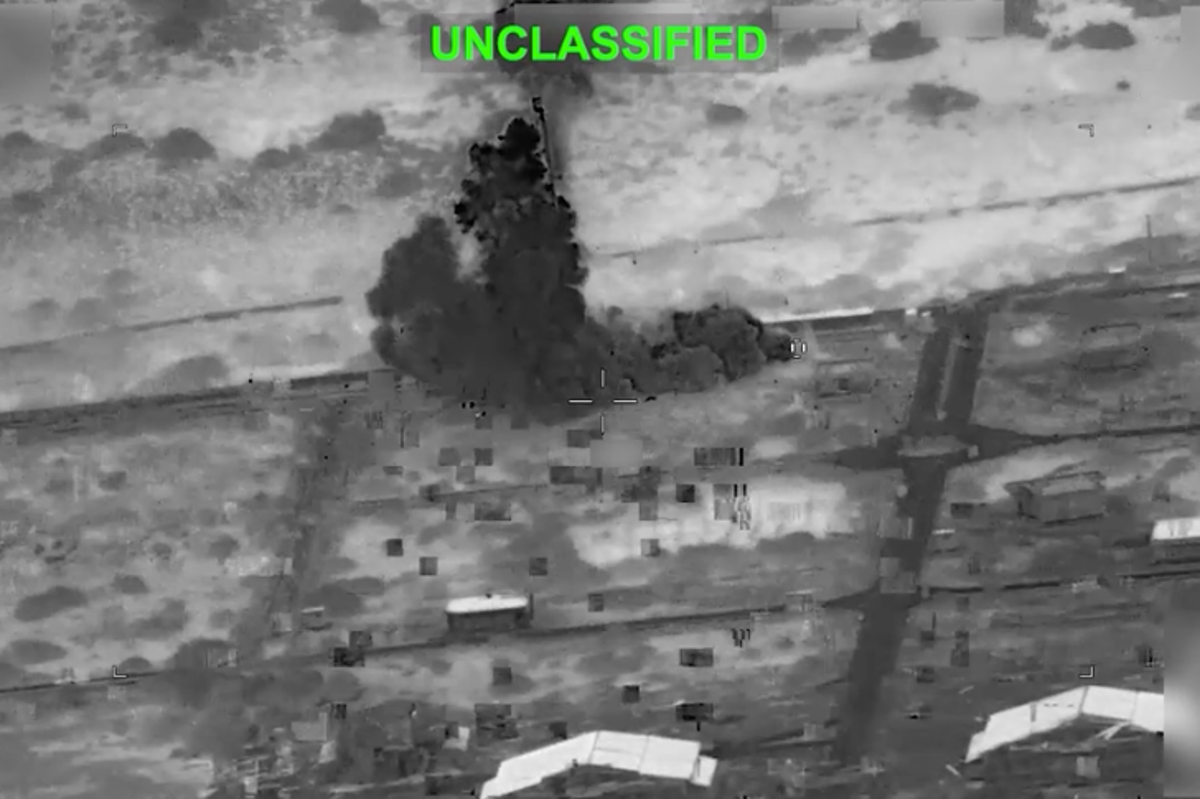
Iran-US war latest: American forces shoot down Iranian ballistic missiles targeting Kuwait and Bahrain US military also downs drones over Strait of Hormuz, saying they posed an immediate threat to regional maritime traffic
independent · about 19 hours ago
USA attackerar i Iran – Iran svarar med robotar USA angrep radaranläggningar i Iran.Iran avfyrade ballistiska robotar mot Bahrain och Kuwait.– Det verkar gå väldigt bra, säger Trump om förhandlingarna.
expressen · about 20 hours ago
Iran-Krieg – Die Lage am Morgen: USA und Iran greifen sich in Golfregion an – Iran droht mit vollständiger Schließung der Straße von Hormus Trotz Waffenruhe geht der Beschuss zwischen den USA und dem Iran weiter. Das gilt auch für den Konflikt zwischen der proiranischen Hisbollah und Israel. Ein Ende scheint nicht in Sicht.
handelsblatt · about 20 hours ago
Noi atacuri SUA-Iran: schimburi de focuri în Strâmtoarea Ormuz, sirene în Bahrain și rachete interceptate în Kuweit Iranul a lansat şapte rachete balistice către Kuweit şi Bahrain la câteva ore după ce Comandamentul Central al SUA (CENTCOM) a doborât patru drone iraniene de atac cu sens unic de deplasare, lansate către Strâmtoarea Ormuz, conform CENTCOM, citată de Reuters. Iranul afirmă că a atacat „baze inamice din regiune după loviturile americane asupra unor obiective de coastă, după ce Kuweitul a anunţat interceptarea unor atacuri cu rachete şi drone, iar în Bahrain au fost activate sirenele.
digi24 · about 20 hours ago
Guerra in Iran, le news di oggi. Usa colpiscono stazioni radar iraniane, Pasdaran rispondono: missili su Kuwait e Bahrein Contro i due Paesi che ospitano importanti basi militari americane la risposta di Teheran
corriere · about 20 hours ago
US-Militär: Iran feuerte Raketen auf Kuwait und Bahrain ab
orf.at · about 20 hours ago
Erneut gegenseitige Angriffe in Golfregion Die USA und der Iran haben einander in der Nacht auf Samstag trotz geltender Waffenruhe erneut gegenseitig angegriffen. Die US-Armee schoss nach eigenen Angaben vier iranische Drohnen ab und attackierte Radaranlagen im Iran, u. a. auf der Insel Keschm in der Straße von Hormus. Die iranische Revolutionsgarde reagierte mit Angriffen auf Bahrain und Kuwait. Laut US-Präsident Donald Trump verfügt der Iran noch über ein Fünftel seines Raketenarsenals.
orf.at · about 20 hours ago
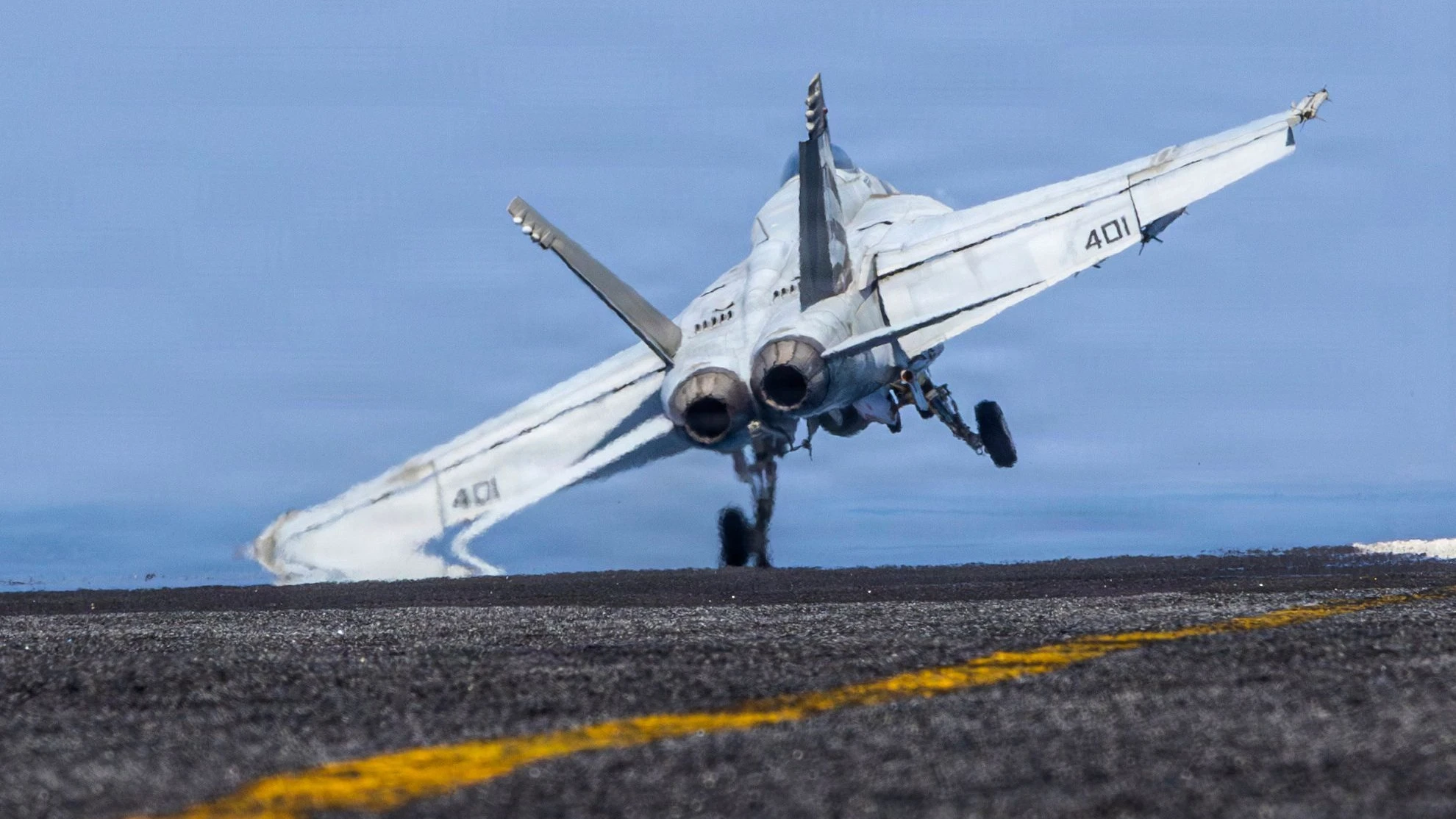
Liveblog Irankrieg: USA: Radarstationen in Iran angegriffen Teheran: US-Stützpunkte attackiert +++ Iran droht mit vollständiger Schließung der Straße von Hormus +++ Kuwait kauft in den USA Drohnenabwehrsystem für zwei Milliarden Dollar +++ alle Entwicklungen im Liveblog
faz · about 20 hours ago
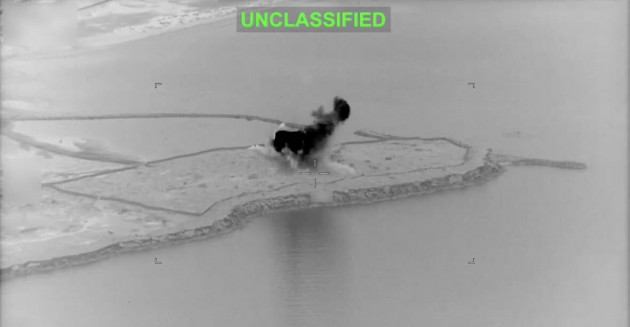
US and Iran trade strikes in latest test of already fragile ceasefire US Central Command said Iran launched seven ballistic missiles toward Kuwait and Bahrain.
thejournal · about 20 hours ago
Iran and US exchange strikes in latest threat to fragile ceasefire The US claims to have intercepted Iranian drones before launching missile strikes on what it described as "radar sites" in the south of Iran.
euronews · about 20 hours ago

Mísseis e drones terão atingido o Kuwait e Bahrain O Irão terá atacado bases militares norte-americanas no Kuwait e no Bahrain, depois dos EUA terem atingido radares de vigilância costeira iraniana.
observador · about 20 hours ago
US-Militär meldet erneuten Schlagabtausch mit Iran in Golfregion Der Iran soll laut US-Angaben Raketen auf Kuwait und Bahrain gefeuert haben. Das US-Militär attackierte wiederum Ziele im Iran
der standard · about 20 hours ago
Irankrieg: Explosionen nahe des Flughafens von Kuwait und in Bahrein Die USA melden die Abwehr iranischer Raketen – und beschießen eine Radaranlage. Der Iran droht mit der völligen Schließung der Straße von Hormus. Das Liveblog
die zeit · about 20 hours ago

Iran wystrzelił siedem rakiet balistycznych. "Bezpośrednie zagrożenie". Jest odpowiedź USA Dowództwo Centralne USA (CENTCOM) poinformowało, że siły USA zestrzeliły cztery irańskie drony oraz zaatakowały stacje radarowe w okolicach cieśniny Ormuz. Iran wystrzelił również rakiety w kierunku Kuwejtu i Bahrajnu.
gazeta.pl · about 20 hours ago