 Wednesday, May 20Wednesday, May 20
A federal jury in Oakland, California, ruled on Monday, 18.05.2026, that Elon Musk’s lawsuit against OpenAI, its CEO Sam Altman, co-founder Greg Brockman, and Microsoft was filed too late, barring it under the statute of limitations. The verdict effectively dismissed Musk’s claims that OpenAI abandoned its original nonprofit mission by accepting billions in funding from Microsoft and restructuring into a for-profit entity. Musk, who initially provided funding for OpenAI but left after failing to secure more control, argued that the company had deviated from its founding principles of developing AI "for the benefit of humanity." The jury’s decision was unanimous, though the trial concluded on procedural grounds rather than addressing the substantive allegations .
Musk has vowed to appeal the verdict, framing it as a precedent that could enable the "looting of charities." In a post on X, he stated that the ruling undermines accountability for nonprofit organizations that shift toward profit-driven models. Legal experts, however, noted that the case’s procedural resolution left unanswered the broader question of how much flexibility nonprofits have to restructure after making public commitments to donors .
The trial exposed deep divisions within Silicon Valley’s AI sector, revealing internal power struggles and profit motives that contradicted the industry’s earlier rhetoric about prioritizing safety and public benefit. Court documents and testimony highlighted tensions dating back to 2017, when OpenAI executives expressed concerns about Musk’s potential to become a "dictator" over the company. Musk, in turn, proposed folding OpenAI into Tesla before ultimately departing. The trial also confirmed reports of OpenAI’s discussions with Anthropic about a potential merger during Altman’s brief 2023 ouster, further illustrating the sector’s competitive and often personal rivalries .
Despite the legal setback, OpenAI emerged with its leadership intact, avoiding the immediate threat of Musk forcing changes through the courts. Analysts suggested that a Musk victory could have led to Altman’s removal, echoing his 2023 ouster. Instead, the company can continue its expansion, though the trial has further damaged public trust in AI’s governance. Critics argue that the case underscored the industry’s shift away from its original humanitarian goals, with AI now viewed as a tool for profit and power consolidation. Public approval of AI has declined sharply, trailing even controversial institutions like U.S. Immigration and Customs Enforcement (ICE) .
The verdict also highlighted the partisan divide over AI in the U.S., with Republicans increasingly embracing the technology while Democrats grow more skeptical. OpenAI’s reputational score, for instance, is now 12 points higher among Republicans than Democrats, reflecting broader trends in public perception of AI companies. This shift coincides with concerns about job displacement, data privacy, and federal overreach, though younger voters—particularly Gen Z—remain the most apprehensive about AI’s economic impact .
> Background: **Jury unanimously rejects Elon Musks OpenAI lawsuit over expired claims.** — *11 hours ago*
More LFE coverage on this topic

Musk v Altman: tech bros at war over OpenAI – The Latest A long and bitter legal battle between tech billionaires Elon Musk and Sam Altman has culminated in victory for the OpenAI boss. Musk has vowed to appeal the verdict. But what did the trial reveal about big tech and the global AI race? Lucy Hough speaks to Guardian US tech and power reporter Nick Robins-Early Continue reading...
theguardian · 1 day ago

Billionaires are trying to lull us into AI complacency. Dont let them | Steven Greenhouse As resistance to data centers grows, Musk and others are painting a rosy picture. But the US must institute protectionsAs Americans grow increasingly worried that AI will wipe out millions of jobs and create a permanent new underclass, tech billionaires are rushing to reassure us not to worry – the subtext being: please dont bring out the anti-AI pitchforks.Even Elon Musk, who recently merged SpaceX with his AI company, has joined the effort, essentially telling people dont worry, be happy about AI. Musk wrote last month that Universal HIGH INCOME via checks issued by the Federal government would save everyone thrown out of work by AI.Steven Greenhouse is a journalist and author, focusing on labor and the workplace, as well as economic and legal issues Continue reading...
theguardian · 1 day ago

Musk vs Altman: What to know about the OpenAI verdict Elon Musks planned appeal suggests the legal battle is far from over.
aljazeera · 1 day ago
Rechtsstreit gegen Musk: Ein Sieg mit bitterem Beigeschmack für Sam Altman Open AI gewinnt den Rechtsstreit gegen Elon Musk, wird ihn aber nicht einfach abhaken können. Denn der Prozess hat den Ruf seines Vorstandschefs weiter angekratzt.
faz · 1 day ago
FirstFT: Elon Musk vows to fight on Also in todays newsletter: Xis comments about Putin and Israels land seizure
financial times · 1 day ago
Musk loses Open AI lawsuit as jury says it was filed too late The worlds richest man Elon Musk lost his blockbuster lawsuit against artificial intelligence giant OpenAI on Monday, with a federal jury finding that the tycoon had waited too long to bring his case forward. The trial saw some of the most powerful figures in Silicon Valley go head-to-head with their competing ambitions for the rapidly changing technology.
france24 · 1 day ago
Elon Musk loses his court battle against Sam Altmans OpenAI, but vows to keep fighting A California court ruled on Monday that Elon Musk has waited too long to file a lawsuit against OpenAIs leadership accusing them of misleading the public about their plans to transform the once charity into a for-profit entity. Also in the business news this Tuesday, Standard Chartered cuts thousands of jobs as it accelerates adoption of AI and fires its CEO in South Korea over an insensitive promotional campaign.
france24 · 1 day ago
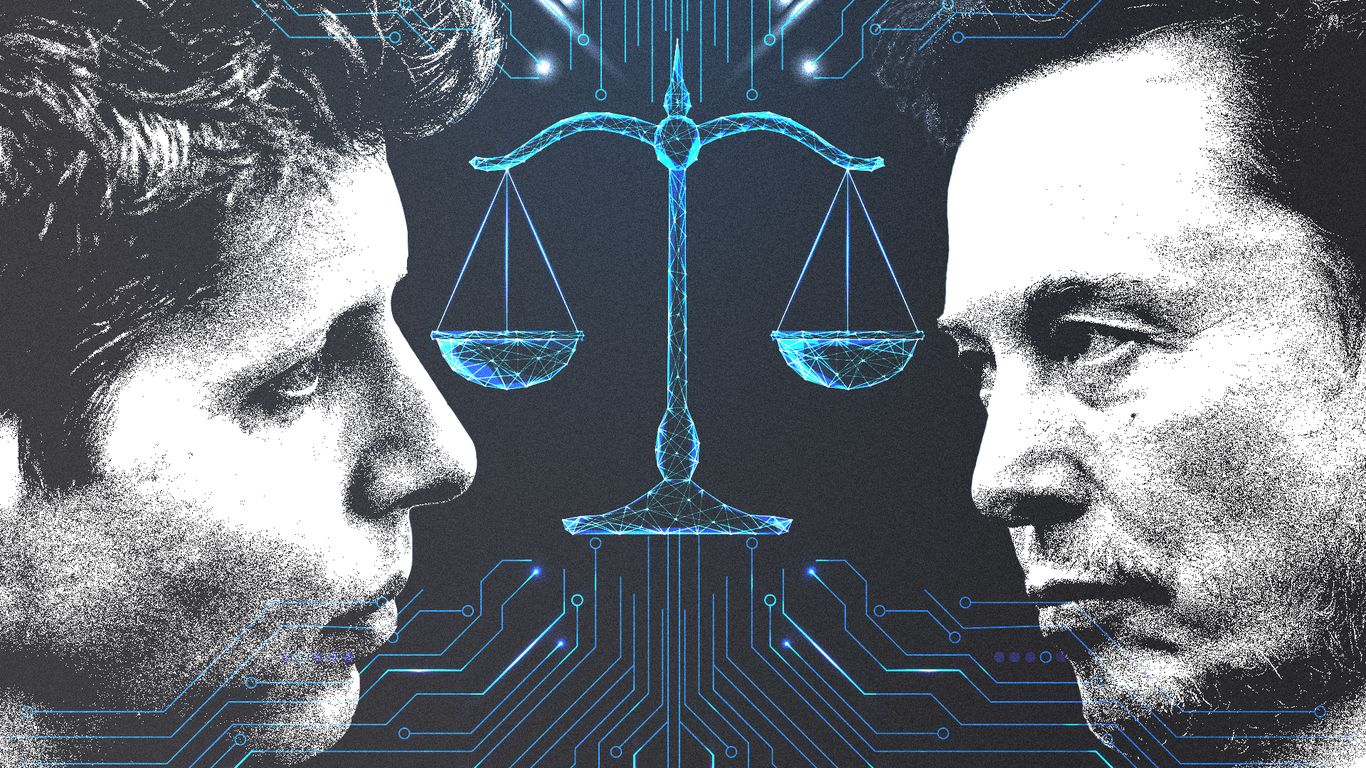
In Musk v. Altman trial, the entire AI industry lost The biggest tech trial of the AI era — which ended anticlimactically Monday on procedural grounds — revealed a sector consumed by the same power struggles and profit motives its leaders once warned would corrupt artificial intelligence.Why it matters: The trial cemented a growing public fear about AI: that the people racing to control the worlds most powerful technology are driven less by humanity-saving ideals than by money, power and personal rivalries.The big picture: OpenAIs founders originally positioned themselves as an alternative to Google DeepMind, fearing a single tech giant would monopolize transformative AI systems.But testimony and internal documents showed the organizations leaders quickly became consumed by power struggles.OpenAI executives worried in 2017 that Elon Musk could become a dictator and sent him an email with the subject line honest thoughts. Musk responded saying Ive had enough and later suggested the company be folded into Tesla.Among the court documents were texts Sam Altman sent during his brief 2023 ouster, including him pleading repeatedly to attend board meetings and being rejected. The trial also confirmed reports that OpenAI met with Anthropic to discuss a potential merger at that time.What theyre saying: Does anybody really believe that love of humanity is driving any of this? Its power, Anthony Aguirre, CEO of the Future of Life Institute, which focuses on AI governance, told Axios. The trial may be over, but the real choice is still ahead of us: whether AI becomes infrastructure that serves the public, or a set of products that lock us in, Raffi Krikorian, chief technology officer at Mozilla, said in an email. Catch up quick: Jurors unanimously ruled that Musks lawsuit against OpenAI, Altman, co-founder Greg Brockman and Microsoft was barred by the statute of limitations.Musks side argued OpenAI abandoned its founding nonprofit mission by accepting billions of dollars in backing from Microsoft and creating a for-profit arm. (Musk originally provided funding, but left the company after founding members refused to give him more control.) The trial ended with a predictable whimper over procedure, Ray Seilie, a trial attorney with expertise in tech and corporate law, told Axios. He added that the central question posed by the lawsuit went unanswered: how much freedom nonprofits have to restructure after making commitments to donors and the public.Musk vowed to appeal, writing on X that the verdict creates a precedent to loot charities.Between the lines: The trial exposed how far the industrys leaders have drifted from their original rhetoric about building AI for humanitys sake — for example, by prioritizing the safety and best use cases for AI models over the ability to profit from them. The figures in the trial underline the need to pursue alternatives to the current concentration of power among a handful of AI companies and executives, Krikorian added.This comes as public trust in AI is nosediving. Public approval of AI now trails that of both the war in Iran and Immigration and Customs Enforcement. Yes, but: Even if neither side came out looking good, Altman still emerges on stronger footing.Had Musk won, Altman could have been pushed out of OpenAI again, just as he was in 2023, PitchBook analyst Harrison Rolfes told Axios.Instead, OpenAI can keep expanding without the immediate threat of Musk forcing changes through the courts.The bottom line: The trial showed AI critics another example of the corrupting influence of large piles of money, Aguirre said.
axios · 1 day ago
Congress is scrambling to regulate prediction markets Members of Congress are rushing to institute new regulatory guardrails around online prediction markets following a series of alleged insider trading scandals.Why it matters: As with cryptocurrency and artificial intelligence, this is proving to be yet another emerging tech policy area in which Congress finds itself struggling to stay ahead of the curve.More than a dozen bills have been introduced this year aimed at regulating betting markets, according to the Congressional Research Service. Not one has made meaningful progress towards becoming law.The latest is a bill from Rep. Ritchie Torres (D-N.Y.), first obtained by Axios, which would ban the use of campaign funds to bet on prediction markets.Catch up quick: A $30,000 bet on the capture of former Venezuelan President Nicolas Maduro in January sparked a public furor around possible insider trading on prediction markets.Last month a U.S. soldier was charged with using classified information to profit by more than $400,000 from the bet.There have since been reports of political candidates, campaign staffers and others with access to material non-public information placing bets on markets that pertained to their line of work.Kalshi has taken its own steps to restrict such behavior, as have some government bodies including the U.S. Senate.The latest: Torres, who has introduced other bills aimed at cracking down on illicit prediction market betting, is proposing criminal penalties including up to five years of imprisonment for using campaign funds to gamble on prediction markets.His new bill, the Campaign Funds Integrity Act of 2026, would have the Federal Election Commission devise guidance to enforce the ban and refer violators to the Department of Justice.There have been previous incidents of lawmakers using campaign funds to gamble by more traditional methods, but it is not clear if there has been an instance of them being used to make prediction market bets.Zoom out: A growing cohort of lawmakers is seeking to advance prediction market legislation.One bill aims to prohibit prediction markets related to war or the deaths of specific individuals.Some bills go even further, with Rep. Jamie Raskin (D-Md.) and Sen. Jeff Merkley (D-Ore.) proposing a sweeping ban on prediction markets related to sports, politics and the military.Yes, but: The Trump administration has largely resisted strict guardrails like these, lowering the chances of any major prediction market bill becoming law.
axios · 1 day ago
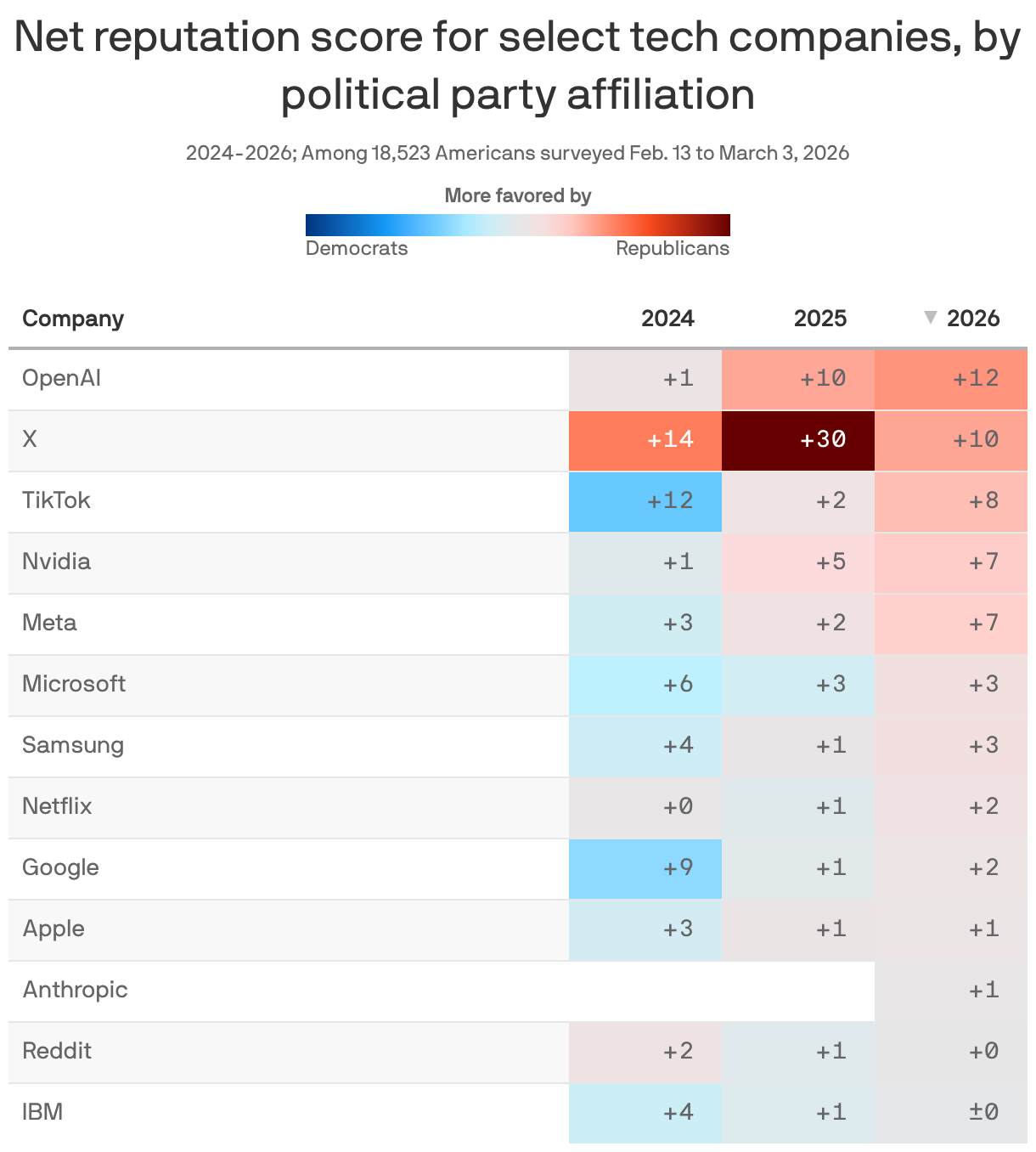
Axios Harris Poll 100: GOP embraces AI over Democrats Data: Axios/Harris Poll; Chart: Danielle Alberti/AxiosDemocrats have become more skeptical of AI technology and the industry behind it, while Republicans are significantly more likely to trust most AI companies, according to this years Axios Harris Poll 100 rankings.Why it matters: This represents a significant shift in just two years, since the White House changed hands and AI advancements accelerated. Sam Altmans OpenAI is the tip of the spear. OpenAIs reputational score was just 1 point higher among Republicans than Democrats in 2024, but that gap has widened to 12 points today.TikTok, Nvidia, Meta, X and other AI or AI-driven companies also show a widening partisan gap. Zoom in: AI companies arent viewed equally — and those with narrower partisan gaps generally received higher reputational scores.Dario Amodeis Anthropic ranks No. 15 on the overall top 100 reputation ranking of the most visible brands in America, with a 1 point partisan gap. OpenAI ranks No. 68.Anthropic earlier this year infuriated the Trump administration when it refused to lift safeguards that prevent its technology from being used for mass domestic surveillance or autonomous weapons development.By the numbers: 44 of Republicans say their opinion of AI has become more positive in the past year, compared with just 35 of Democrats.40 of Democrats said they expect AI to greatly or somewhat harm their career opportunities and wages in the years to come, versus 32 of Republicans.The big picture: AI executives own predictions of job disruptions are fueling Americans apprehension. So are concerns over data centers, higher energy costs, AI misuse and federal government overreach.At the same time, President Trumps embrace may be reassuring some Americans in his own party. Because younger voters skew left, the shift also appears to reflect younger Americans anxieties that AI is coming for entry-level jobs.The Harris Poll found that 42 of Gen Z respondents believe AI will harm job opportunities and wages for people like them, compared with 33 of millennials, 39 of Gen X and 37 of Baby Boomers.Millennials relative confidence reflects a population already established in their jobs and generally more adept with tech skills than their elders.What theyre saying: The cultural fault lines are quickly being drawn on whether AI is a benefactor or a broligarchy, says John Gerzema, CEO of The Harris Poll.In our Axios Harris poll, for a decade weve seen Big Tech more left, more progressive. But if you look at this basket of AI firms, with the exception of Anthropic, theyve all shifted to the right as their innovation and market dominance appears unrivaled in the years to come, he says.The bottom line: Think of AI as a candidate on the November ballot. Its now up there with jobs, the economy, immigration and climate change. Go deeper: The Axios Harris Poll 100s methodology
axios · 1 day ago
Elon Musk pierde procesul împotriva lui Sam Altman. Planurile OpenAI par acum aproape imposibil de oprit Un juriu federal din Oakland, California, a decis luni că Elon Musk a intentat prea târziu procesul împotriva OpenAI și a directorului executiv Sam Altman, în care îi acuza că au încălcat un acord privind administrarea companiei de inteligență artificială exclusiv ca organizație nonprofit cu scop ca
adevarul · 1 day ago
O avocată din Iași a cerut 10.000 de euro despăgubire pentru o recenzie negativă pe Google dată de un client. Ce au decis magistrații O avocată din Iași a cerut în instanță 10.000 de euro despăgubiri și ștergerea unei recenzii negative de o stea postate pe Google de fiul unei foste cliente, susținând că i-a afectat imaginea și activitatea profesională.
adevarul · 1 day ago
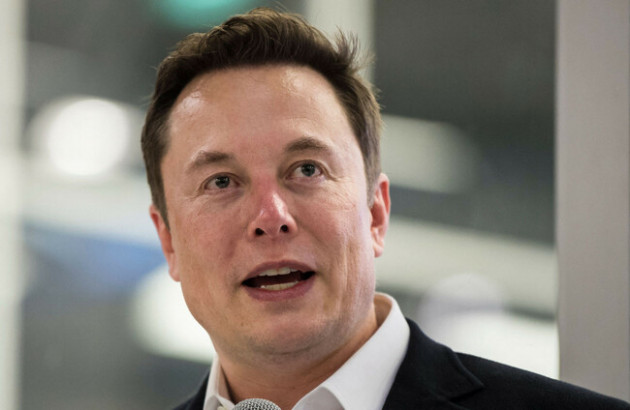
Jury rules against Elon Musk and finds he filed lawsuit too late in feud with OpenAI Musk, the worlds richest man, was a co-founder of OpenAI, the company that launched in 2015 and went on to create ChatGPT.
thejournal · 2 days ago
Musk loses landmark lawsuit against OpenAI after jury finds he filed his claim too late The worlds richest man Elon Musk lost his blockbuster lawsuit against artificial intelligence giant OpenAI on Monday, with a federal jury finding that the tycoon had waited too long to bring his case forward. The trial saw some of the most powerful figures in Silicon Valley go head-to-head with their competing ambitions for the rapidly changing technology.
france24 · 2 days ago
Musk loses case against OpenAI after two hours of jury deliberations Decision hands a legal victory to Sam Altman in a case that had overshadowed the AI labs plans to go public
financial times · 2 days ago
Jury rejects Musks claims against Sam Altman over OpenAI Founding Musk is expected to appeal.
politico.eu · 2 days ago
US-Jury weist Klage gegen OpenAI ab Der US-Multimilliardär Elon Musk hat im Prozess gegen den ChatGPT-Entwickler OpenAI und dessen Chef Sam Altman eine Niederlage erlitten. Die Geschworenen des Gerichts im kalifornischen Oakland kamen am Montag zu dem Schluss, dass Musk erst nach Ablauf der Verjährungsfrist vor Gericht gezogen war. Richterin Yvonne Gonzalez Rogers urteilte entsprechend.
orf.at · 2 days ago

Federal court rejects Elon Musks claims against OpenAI, saying he filed his lawsuit too late
news.yahoo.com · 2 days ago
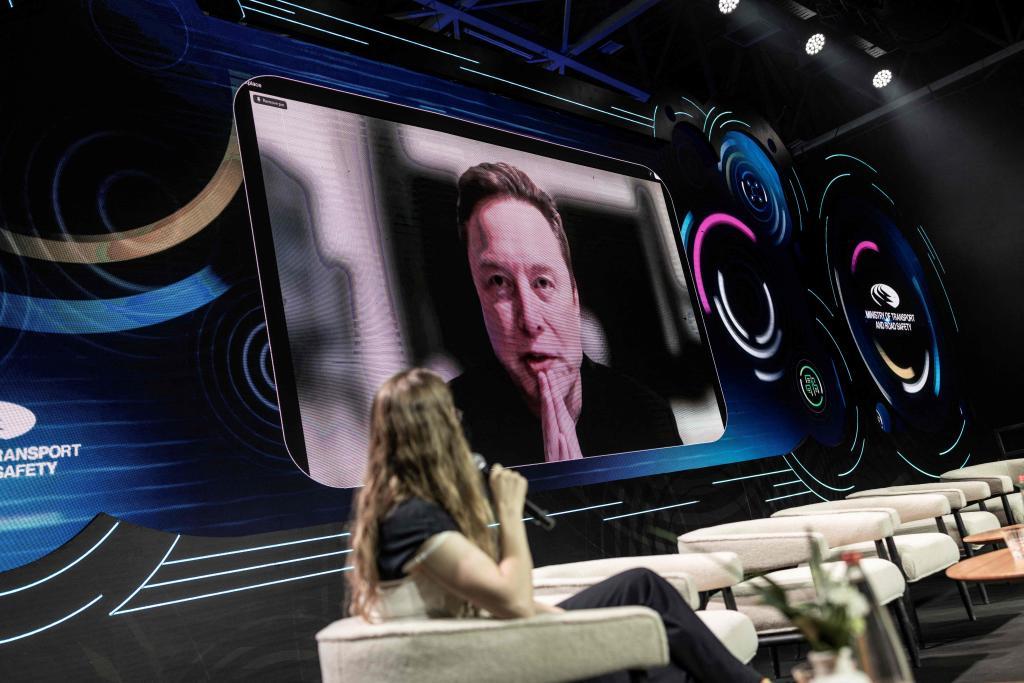
Un jurado rechaza la demanda de Elon Musk contra Open AI La decisión supone una gran victoria para Sam Altman, CEO de uno de los gigantes de la inteligencia artificial Leer
elmundo · 2 days ago
Elon Musk loses US lawsuit against OpenAI In a unanimous verdict, the jury in Oakland, California federal court said Musk had brought his case too late.
aljazeera · 2 days ago
Elon Musk pierde la demanda contra OpenAI: la empresa no es responsable de haberse desviado de su misión original de beneficiar a la humanidad El juicio se ha convertido en un momento crucial para el futuro de OpenAI y de la inteligencia artificial en general, tanto en lo relativo a cómo debe utilizarse como a quién debe beneficiarse de ella, incluso desde el punto de vista financiero Leer
elmundo · 2 days ago
Künstliche Intelligenz: Musk scheitert in Prozess gegen OpenAI Der Tech-Milliardär hatte geklagt, weil OpenAI von seinem ursprünglichen Ziel abgewichen sei, KI zum Wohle der Menschheit zu entwickeln. Eine Richterin urteilte, dass er erst nach Ablauf der Verjährungsfrist vor Gericht gezogen sei.
sueddeutsche · 2 days ago
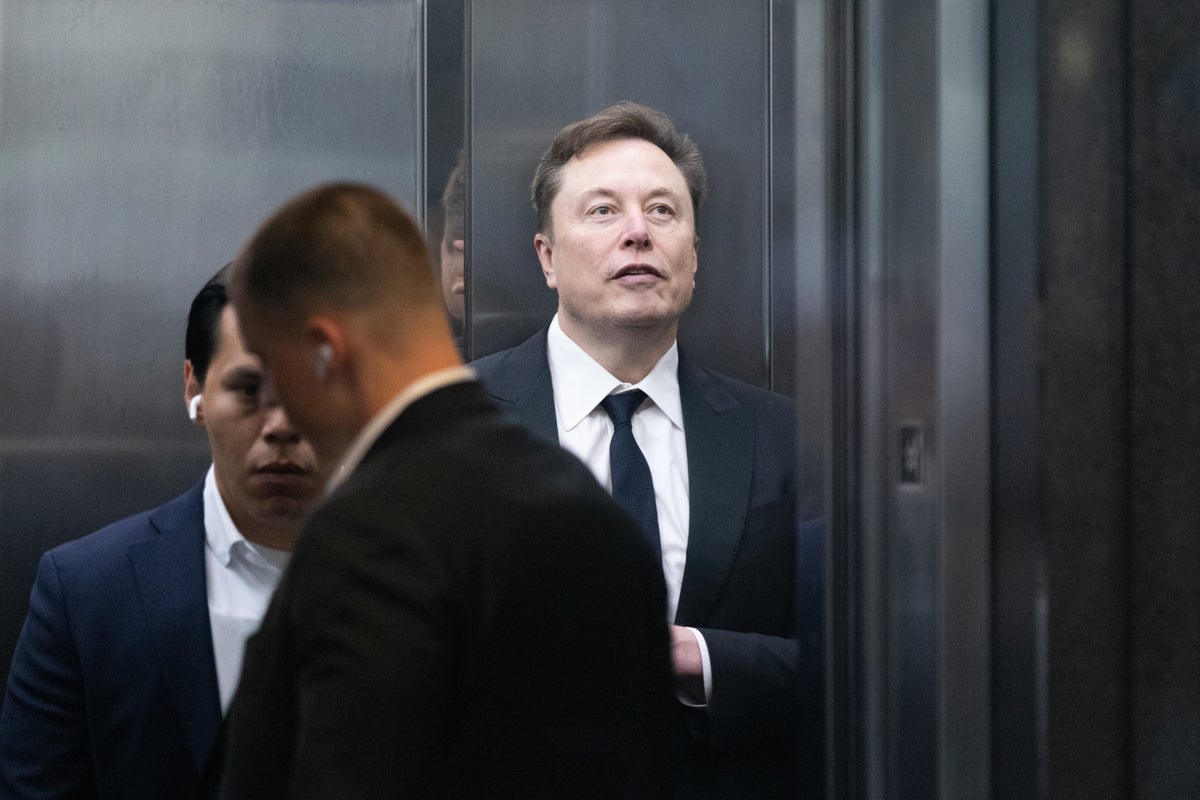
Elon Musk loses lawsuit against OpenAI after high-stakes showdown with Sam Altman Each side accused the other of being more interested in money than serving the public
independent · 2 days ago
Jury hands victory to Sam Altman and OpenAI in battle with Elon Musk OpenAI CEO and president found not liable for breaking contracts made with Musk when founding the startupA jury ruled in favor of Sam Altman in the culmination of a long and bitter legal battle that pitted the richest person in the world against a leader of the AI boom.The federal jury in Oakland, California, found Altman and Greg Brockman, OpenAIs president, not liable for unjustly enriching themselves and breaking contracts made with Musk when founding the startup. Continue reading...
theguardian · 2 days ago
Jury rules against Musk in landmark AI trial A federal jury unanimously ruled that Elon Musk waited too long in his lawsuit against OpenAI and its top executives — a staggering defeat for the Tesla chief in his showdown with archrival Sam Altman. Why it matters: Musk had been seeking billions in damages as well as Altmans ouster from OpenAI, arguing he abandoned the organizations founding mission for profit. But, unless the judge reverses the jurys finding, Musk will walk away empty-handed.Driving the news: A federal jury unanimously rejected Elon Musks $150 billion lawsuit against OpenAI and Sam Altman on Monday.Jurors also ruled Musks charitable trust claims against OpenAI, Altman, Greg Brockman and Microsoft were barred by the statute of limitations.The decision short-circuits a case that threatened to upend the AI industrys power structure.Between the lines: The decision means neither OpenAI, its executives nor Microsoft will be held liable for claims brought by Musk.The bottom line: Musk took too long. This story is developing.
axios · 2 days ago
Musks case against OpenAI dismissed after just two hours of jury deliberations Decision hands a legal victory to Sam Altman in a case that had overshadowed the AI labs plans to go public
financial times · 2 days ago

Shakira Is Found Not Guilty of Tax Fraud in Spain A Spanish court ruled that the pop star was not a tax resident of Spain in 2011 and ordered the countrys tax authorities to return tens of millions of dollars to her.
new york times · 2 days ago

Shakira acquitted by Spanish court of tax fraud, over US$64 million to be returned A Spanish court acquitted Shakira in a tax fraud case, ordering the government to return more than 55 million euros (US$64 million) in wrongly imposed fines, according to a court document. The decision follows years of tax troubles in Spain for the Colombian superstar. The ruling relates to a dispute over the 2011 tax year in which Spanish authorities failed to prove that the singer was a resident of Spain, the Madrid-based court said in its decision. For a person to be considered a tax resident...
south china morning post · 2 days ago

Chess: Niemann puts controversy aside and wins $50,000 first prize in Warsaw US grandmaster scored biggest success of his career at the Grand Chess Tour Rapid & Blitz and is close to world top 10Hans Niemann, the controversial US grandmaster whose game with Magnus Carlsen at the 2022 Sinquefield Cup led to cheating allegations, a $100m lawsuit, an out of court settlement, the Netflix documentary Untold: Chess Mates, and a forthcoming book, scored the most important success of his career last weekend.Niemann, competing as a wildcard, won the $50,000 first prize at the Warsaw Rapid & Blitz in Poland, ahead of the US champion and the world No 3, Fabiano Caruana, Indias reigning world champion, Gukesh Dommaraju, and the Candidates winner, Javokhir Sindarov. The event was part of the St Louis-backed Grand Chess Tour, which ends in August and includes the prestigious Sinquefield Cup. Continue reading...
theguardian · 6 days ago

US agrees to settle lawsuit that accused an Indian billionaire of hiding an alleged bribery scheme The U.S. government has agreed to settle a lawsuit against Indian billionaire Gautam Adani
independent · 6 days ago