Loading…
 Saturday, September 26Saturday, September 26
4 months · 3 summary articles
US and Iran set up direct channel after Doha talks as Strait of Hormuz dispute persists
US and Iran cancel peace talks as Mideast tensions surge
US warns Iran: military strikes resume if talks fail
The planned peace talks between the US and Iran in Switzerland have been abruptly cancelled, casting doubt on the future of a provisional deal signed earlier this week to end their conflict. The cancellation comes as tensions escalate between Israel and Hezbollah in Lebanon, further complicating the already fragile situation.
According to the Swiss Foreign Ministry, the talks scheduled for Friday at Bürgenstock were called off due to unresolved logistical details. US Vice President JD Vance, who was expected to attend the negotiations, has also cancelled his trip to Switzerland.
The cancellation follows the electronic signing of the Islamabad Memorandum by US President Donald Trump and Iranian President Masoud Pezeshkian on Wednesday, which was intended to reopen the Strait of Hormuz and bring an end to military actions between the two countries. However, key details of the agreement were still to be worked out during the Swiss talks.
The White House acknowledged the complexity of the negotiations. "The logistics of these negotiations have never been simple or predictable," a spokesperson said.
Meanwhile, the situation in the Middle East remains volatile. Israel and Hezbollah have been engaged in overnight clashes in Lebanon, with the Israeli military conducting airstrikes in the south of the country. This has added another layer of complexity to the already delicate negotiations between the US and Iran.
The cancellation of the talks has raised questions about the fate of the provisional deal. Many details of the agreement are yet to be finalized, and the ongoing conflict in Lebanon could further hinder the chances of a lasting truce.
Reaction to the cancellation has been mixed. Some analysts see it as a temporary setback, while others fear it could signal the collapse of the deal. The US Pentagon has announced a financial requirement of $80 billion, partly due to the ongoing conflict with Iran.
In Israel, the provisional deal has been met with strong opposition. The Times of Israel described it as a "catastrophic capitulation," reflecting the sentiment among many Israeli officials who are wary of any agreement that might embolden Iran or its allies in the region.
The cancellation of the talks has also drawn international attention. France has called on Israel to cease hostilities in Lebanon, emphasizing the need for stability in the region to facilitate diplomatic efforts.
As the situation develops, all eyes will be on the next steps taken by the US and Iran, as well as the ongoing conflict between Israel and Hezbollah. The cancellation of the talks underscores the fragility of the situation and the challenges ahead in securing a lasting peace in the region.
Follow us for live European news
5 further sources not geolocated

Krieg im Nahen Osten: Trotz US-Deal mit Iran: Kein Ende der Gewalt im Libanon Die gewaltsamen Auseinandersetzungen zwischen Israels Armee und der Schiitenmiliz Hisbollah im Libanon gehen unvermindert weiter. Was bedeutet das für das Abkommen zwischen Washington und Teheran?
handelsblatt · 3 months ago
US-Iran talks scheduled for Friday cancelled: Swiss ministry The Swiss Foreign Ministry announced that US‑Iran talks planned for Friday at Bürgenstock have been cancelled, citing unresolved logistical details. Vice President JD Vance will not depart for Switzerland as expected. The cancellation follows the electronic signing of the Islamabad Memorandum, which was supposed to reopen the Strait of Hormuz.
yenisafak · 3 months ago
+++ Nachrichten im Irankrieg +++: Geplante US-Iran-Verhandlungen am Freitag fallen aus Die in der Schweiz geplanten Verhandlungen über eine Friedensvereinbarung sind „verschoben. Vance hatte Kommen abgesagt. Israel greift Ziele im Libanon an. mehr...
taz.de · 3 months ago
Acordul lui Trump cu Iranul, rezultatul unor ambiţii nerealiste într-un război nesustenabil: „Reagan se răsuceşte în mormânt Donald Trump a intrat în războiul cu Iranul cu obiective maximaliste: eliminarea programului nuclear al ţării, distrugerea programului său de rachete balistice şi încetarea sprijinului acordat grupărilor militare regionale, inclusiv Hezbollah şi Hamas. El iese din război cu promisiunea Iranului de a nu construi o bombă şi de a purta discuţii suplimentare privind programul nuclear, fără nicio menţiune scrisă referitoare la programul de rachete balistice, iar Hezbollah celebrează o „victorie, întrucât memorandumul de înţelegere instituie un armistiţiu în Liban, unde Israelul a ocupat o porţiune a ţării ca „zonă tampon, scrie The Guardian.
digi24 · 3 months ago
JD Vance răspunde criticilor acordului cu Iranul din Israel: „Nu aș ataca singurul aliat puternic care mi-a mai rămas în întreaga lume Vicepreședintele SUA, JD Vance, i-a criticat dur pe criticii israelieni ai acordului cu Iranul, afirmând că Donald Trump este singurul aliat al Israelului rămas în lume, într-o mustrare dură în care a făcut referire la miliardele de dolari sub formă de ajutor pentru apărare pe care țara le primește din partea Americii, relatează The Guardian.
digi24 · 3 months ago
Cum a ajuns JD Vance imaginea acordului cu Iranul și ce calcule politice face Trump Vicepreședintele american JD Vance a devenit principalul apărător al acordului interimar dintre SUA și Iran, într-un moment în care înțelegerea provoacă tensiuni puternice în interiorul Partidului Republican. În timp ce Donald Trump oscilează între susținere și distanțare, Vance este împins în centrul unui dosar cu miză uriașă, care îi poate influența atât viitorul politic, cât și eventualele ambiții prezidențiale din 2028.
digi24 · 3 months ago

Az USA kapitulált, miközben Irán az atombombánál is fontosabb fegyverhez jutott Csak az amerikai elnök és odaadó környezete nem látja Irán számára kedvezőnek a háborút lezáró béke keretfeltételeit rögzítő szándéknyilatkozatot. Donald Trump az összes kezdeti célját feladta, és erre a gazdasági következmények vették rá. A pénteki svájci tárgyalást közben épp az amerikaiak fújták le.
hvg.hu · 3 months ago
Sør-Korea: Trump vil nå rette søkelyset mot Nord-Korea Nå som avtalen med Iran har kommet i stand, skal USAs president Donald Trump rette oppmerksomheten mot…
aftenposten · 3 months ago
Ett bättre avtal än Obamas – håller Trumps löfte? Donald Trump har gett två löften gällande avtalet med Iran: Att det säkerställer att Iran aldrig kan få kärnvapen – och att det är bättre än Barack Obamas.Det här är vad vi vet om hur avtalen skiljer sig åt.
svenska dagbladet · 3 months ago
Etats-Unis-Iran : on vous explique la capitulation de Trump Pour comprendre pourquoi la signature du protocole daccord marque un affaiblissement du président américain, «Libération» reçoit le chercheur à lIfri Adel Bakawan, ce 19 juin à 9h30.
liberation · 3 months ago
USA und Iran sagen Gespräche in der Schweiz ab Die Verhandlungen über ein dauerhaftes Ende des Iran-Kriegs finden nicht statt. Das US-Pentagon kündigt einen Finanzbedarf von 80 Mrd. US-Dollar an - auch wegen des Iran-Kriegs.
die presse · 3 months ago
Strategia Trump: de ce „înfrângerea" de la Versailles ar putea fi, de fapt, o mutare de geniu Memorandumul de la Versailles nu încheie conflictul cu Iranul, ci marchează începutul unei noi etape în care Donald Trump încearcă să transforme avantajul militar al SUA într-o victorie diplomatică și strategică pe termen lung
adevarul · 3 months ago
European stocks muted as US-Iran peace talks called off
gdeltproject.org · 3 months ago
Iran war day 112: Vance defends Tehran deal but Switzerland trips are off Vance backs US-Iran deal as Washington ends blockade and Iran hails wartime gains.
aljazeera · 3 months ago
US-Iran talks postponed as Israel attacks Lebanon Tehran holds back from talks to cement ceasefire due to ongoing Israeli attacks on southern Lebanon.
aljazeera · 3 months ago
JD Vance cancels trip to Switzerland for planned US-Iran talks US President Donald Trump and Iranian President Masoud Pezeshkian signed an initial agreement aimed at bringing the Iran war to a close on Wednesday.
euronews · 3 months ago

Tehran and Washington have postponed direct talks to hammer out the details of their tentative agreement to end the war in Iran, Switzerlands Foreign Ministry has announced.
bluesky bot · 3 months ago
Geneva talks postponed and Vance stands down as Iran deal uncertainty deepens Planned talks between US and Iranian negotiators in Switzerland will not go ahead on Friday, and Vice President JD Vance has abandoned plans to travel there, Switzerland confirmed, fuelling uncertainty over whether a lasting truce can be secured. The logistics of these negotiations have never been simple or predictable, a White House spokesperson said. A […]
in-cyprus · 3 months ago
Israel and Hezbollah fighting reignites as Vance berates Israeli leadership following Iran deal Israel and Hezbollah traded blows overnight on June 18 and June 19, while US Vice President J.D. Vance postponed his trip to Switzerland for US-Iran talks on June 19.
intellinews · 3 months ago
Krieg in Nahost: Vance sagt Reise in die Schweiz ab Das Abkommen mit Iran ist unterzeichnet, das geplante Treffen jedoch abgesagt. Laut US-Vizepräsident Vance ist die Gesprächsrunde in der Schweiz allerdings nur aufgeschoben.
sueddeutsche · 3 months ago

US-Iran peace talks in Switzerland called off, clouding prospects for lasting truce
news.yahoo.com · 3 months ago
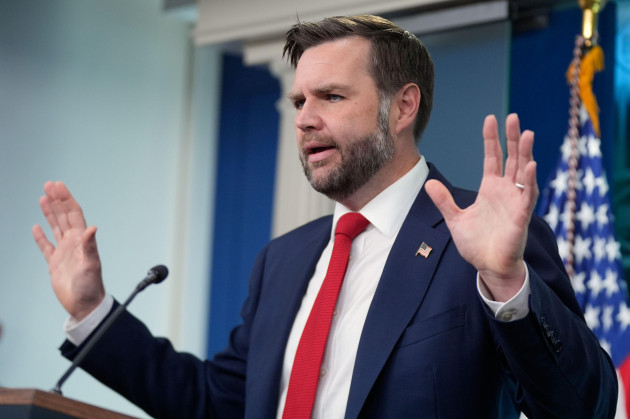
Planned peace talks between US and Iran in Switzerland abruptly called off The talks have been postponed, according to Swiss officials, though a new date has not been provided.
thejournal · 3 months ago
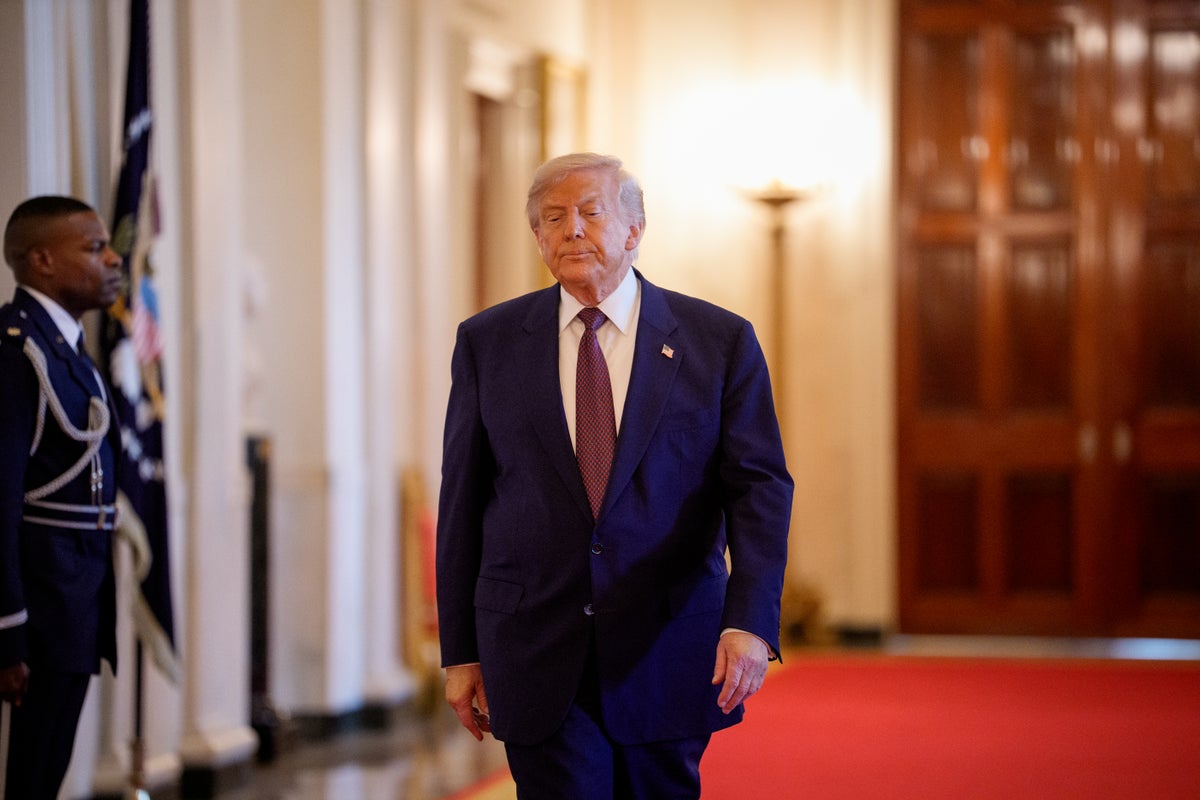
Iran-US war latest: Swiss peace talks abruptly cancelled after Trump boasts of Tehrans unconditional surrender Israel continues to clash with Hezbollah in Lebanon, threatening the bilateral agreement with the US and Iran
independent · 3 months ago
US-Iran talks in Switzerland cancelled The talks between the United States and Iran scheduled for Friday at the Bürgenstock resort will not take place. Switzerland nevertheless intends to remain available and is continuing with its preparations. +Get the most important news from Switzerland in your inbox Switzerland remains fully committed to its efforts to promote dialogue, foreign ministry spokesperson Nicolas Bideau told the Swiss News Agency Keystone-SDA. US Vice-President JD Vance and the Speaker of the Iranian Parliament, Mohammad Ghalibaf, have postponed their trip. The framework agreement signed by the US and Iran on Wednesday has nevertheless come into force. Following the signing, the next steps in the negotiations remain unclear. The 60-day round of negotiations on a final agreement – particularly regarding the nuclear sector – formally begins on Friday. Adapted from German by AI/ts How we work We select the most relevant news for an international audience and use automatic translation tools to translate ...
swissinfo · 3 months ago
Iran–US peace talks postponed U.S. President Donald Trump and his Iranian counterpart on Wednesday signed a provisional deal to end military actions between the two countries.
politico.eu · 3 months ago

Swiss Officials Say Iran Talks Are Off, for Now The announcement raised immediate questions over the fate of the agreement President Trump signed this week, with key details left to be worked out.
new york times · 3 months ago

🟠 UPDATEUS-Iran talks in doubt as Vance delays Switzerland tripArticle contextualizes US-Iran diplomatic tensions by comparing potential outcomes to the 1979 hostage crisis, suggesting Trumps legacy could be defined by Tehran similar to Jimmy Carters.📰 #USA #Diplomacy #Geopolitics #GeoWire
mastodon bot · 3 months ago

LIVE: Vessel traffic in Strait of Hormuz after US-Iran peace talks postponed www.youtube.com/live/eeQWFX3...
bluesky bot · 3 months ago
JD Vance ställer in resa till Schweiz USA och Iran har kommit överens om en vapenvila. I Israel tas beskedet emot med stort motstånd. En katastrofal kapitulation, skriver redaktören tidningen The Times of Israel.Vid sidan av detta har JD Vance ställt in sin resa till förhandlingarna med Iran.
expressen · 3 months ago