
Berlin attacker pledged allegiance to Islamic State in video before killing woman, injuring 31

Story Timeline
1 day · 3 summary articles
Berlin attacker pledged allegiance to Islamic State in video before killing woman, injuring 31
Berlin attacker shot dead after Pride rampage kills woman, injures 29: Merz demands security review
ContinuationBerlin police shoot dead suspect in Islamist attack on Pride event that killed one
A terrorist attack during the Christopher Street Day (CSD) event in Berlin on Saturday has left one woman dead and 31 people injured. The suspect, identified as Abdul B., was shot dead by police on Sunday after he drove a van into a crowd and attacked people with a machete.
The attack occurred on the fringes of the CSD parade in Berlin's Tiergarten park. According to reports, Abdul B. drove a rented minivan into a crowd of people, killing a 65-year-old Polish woman and injuring 31 others. After crashing the vehicle, he allegedly attacked more people with a machete before fleeing the scene.
German authorities confirmed on Tuesday that a video found on the suspect's phone shows him pledging allegiance to the Islamic State (IS). The video, recorded on the day of the attack, shows the man masked but is believed to be Abdul B. Speaking in Arabic, he is seen making a pledge of allegiance to the terrorist organization.
Abdul B., a 21-year-old German citizen with Lebanese roots, was known to authorities as an Islamist extremist. He had been under surveillance by the Berlin police and was classified as a "high-risk person" by an analysis tool used by the Federal Criminal Police Office (BKA). Despite this, he was able to carry out the attack.
The suspect had a history of extremist activities. In 2025, he traveled to Lebanon with the intention of going to Syria to join ISIL. He was detained upon his return to Germany and was convicted in May 2026 of planning a serious act of subversive violence. However, he received a suspended sentence of one year and 10 months.
According to reports from "Der Spiegel," the Berlin police had been monitoring Abdul B. and had even installed a camera opposite his residence. However, this surveillance did not prevent the attack. Federal Interior Minister Alexander Dobrindt acknowledged that technical surveillance had been in place but questioned its adequacy.
The attack has sparked a debate in Germany about how to prevent such incidents in the future. Dobrindt has called for stronger measures against potential extremists, including electronic monitoring and preventive detention.
"Man kann das Risiko minimieren, aber man kann es nicht komplett ausschließen," Dobrindt said in an interview with ZDF's "Heute Journal" on Monday.
Dobrindt also mentioned that the suspect was under technical surveillance by the Berlin police before the attack. However, this surveillance was not sufficient to prevent the attack. "Ob die technische Überwachung ausreichend war, die das Land Berlin angewandt hat oder nicht, auch das wird betrachtet werden," Dobrindt said.
The debate about preventive measures has gained momentum, with some politicians calling for the use of electronic ankle monitors for potential extremists. Dobrindt's proposals include preventive detention for extremists and stricter youth criminal law.
The Berlin police have increased their presence at the city's CSD event in response to the attack. Meanwhile, the state prosecutor's office in Warsaw is also investigating the incident, as the victim was a Polish citizen.
Follow us for live European news
- 7
- 3
- 2
- 1
- 1
- 1
1 further source not geolocated
Articles

Ermittler finden Bekennervideo nach CSD-Anschlag in Berlin Das Video beinhaltet unter anderem einen Treueschwur auf die Terrormiliz „Islamischer Staat (IS).
die presse · about 2 hours ago
Berlin community remembers victims of Pride parade attack Berliners leave flowers, candles and messages at Tiergarten memorial after a deadly vehicle and machete attack near the Pride parade.
euronews · about 2 hours ago
Terror: Landesamt startet Hotline für Betroffene des CSD-Angriffs Eine neue Hotline soll Betroffenen des CSD-Angriffs in Berlin helfen. Welche Unterstützung das Landesamt nun anbietet und wer sich an die Beratungsstelle wenden kann.
tagesspiegel · about 2 hours ago
Ozan Zakariya Keskinkılıç zum CSD-Anschlag: „Ich habe Sorge, dass nächste Woche alles wieder vergessen ist Der Berliner Schriftsteller ist queer und Muslim. Er kritisiert die politische Instrumentalisierung des CSD-Attentats und fragt: Wie funktioniert das mit dem Miteinander nach einem solchen Anschlag?
tagesspiegel · about 2 hours ago
„Auch 26 Sitzungen hätten nichts gebracht: Extremismus-Experte Thomas Mücke über den CSD-Attentäter Thomas Mücke leitet das Violence Prevention Network, das Deradikalisierungsprogramme gegen Islamismus anbietet. Abdul Ballout nahm dort zwei Gespräche wahr. Warum half das nichts?
tagesspiegel · about 2 hours ago
CSD-Anschlag: Fußfessel, Präventivhaft, Jugendstrafrecht: Welche rechtlichen Verschärfungen möglich und nötig sind Nach dem Anschlag beim Christopher Street Day hat sich Innenminister Dobrindt für einen verschärften Umgang mit extremistischen Gefährdern ausgesprochen. Doch vieles ist jetzt schon möglich.
handelsblatt · about 2 hours ago
Nach dem CSD-Anschlag: Fußfessel, Gewahrsam, Strafrecht: Ist Terror zu stoppen? Der Attentäter vom Christopher Street Day in Berlin war bei den Behörden auf dem Radar. Dennoch gelang es ihm, den Anschlag zu verüben. Innenminister Dobrindt will konkrete Veränderungen.
handelsblatt · about 2 hours ago
Gefahr durch Islamismus: Bekennervideo und Treueeid auf IS nach CSD-Anschlag entdeckt Zunächst war nach dem Angriff am Rande des CSD nicht völlig sicher, dass es um Islamismus ging. Nun fand die Polizei ein Video.
handelsblatt · about 2 hours ago
Trauer nach dem Anschlag: Am Sonntag danach Erst am nächsten Morgen hat unsere Autorin von dem Anschlag auf den Berliner CSD gehört. Den Tag über suchte sie zu Hause mit ihrer Freundin Trost. mehr...
taz.de · about 2 hours ago
Rüstungsproduktion in Berlin: Widerstand gegen Waffenschmiede Verschiedene Gruppen protestieren gegen den Umbau einer Autofabrik in einen Rheinmetall-Standort in Berlin. Nur: Bisher arbeiten sie nicht so recht zusammen. mehr...
taz.de · about 2 hours ago

Was der Anschlag in Berlin über Terrorgefahr und Radikalisierung in Österreich verrät Der Berliner Attentäter wurde überwacht – und konnte dennoch töten. Auch Österreich hat genau das erlebt. Was wir über Radikalisierung und die aktuelle Bedrohungslage wissen
der standard · about 2 hours ago
Christopher Street Day: Polizei verstärkt Einsatzkräfte für CSD in Hamburg Nach dem Attentat in Berlin will die Hamburger Polizei ihre Präsenz beim dortigen CSD ausbauen. In Berlin ermittelt der Staatsschutz nach Vandalismus am Gedenkort.
die zeit · about 2 hours ago
Pride-Anschlag in Berlin: Bekennervideo gefunden
orf.at · about 2 hours ago
German investigators find apparent motive after Berlin Pride attack Prosecutors say they uncover video of accused Berlin Pride attacker pledging allegiance to ISIL (ISIS).
aljazeera · about 2 hours ago
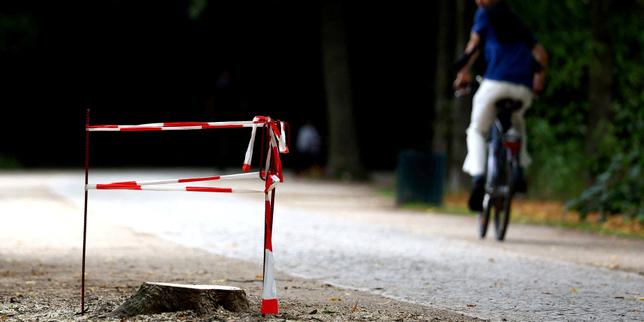
Berlin Pride attacker pledged allegiance to Islamic State, prosecutors say The man blamed for the deadly attack on the weekend pledged allegiance to the Islamic State group in a video, prosecutors said on Tuesday. He was shot dead on Sunday by police.
le monde · about 2 hours ago

Berlin Pride attacker recorded pledge of allegiance to IS, prosecutors say reut.rs/4xcDKWN
bluesky_Reuters · about 2 hours ago
Berlin / Brandenburg: Mutmaßlicher Täter nach CSD-Anschlag getötet Mutmaßlicher Täter nach CSD-Anschlag getötet
tagesspiegel · about 2 hours ago
Nach dem CSD-Anschlag ins Café Keese: Als sei die Welt noch in Ordnung Polizeisperren am Tiergarten, Sorge nach der Schocknachricht. Ein zufälliger Abstecher ins Tanzlokal bringt uns in eine ahnungslose, heile Welt. mehr...
taz.de · about 2 hours ago
Reaktionen auf den CSD-Anschlag: Hauptsache, die anderen sind schuld CDU und Linkspartei zeigen mit dem Finger aufeinander und versuchen, aus dem Terror Kapital zu schlagen. Dem Schutz queeren Lebens ist damit nicht gedient. mehr...
taz.de · about 2 hours ago
Abdul B.: Reaktionen auf den CSD-Anschlag – was der Innenminister ändern will Abdul B. wurde als Gefährder überwacht, trotzdem konnte er im Tiergarten töten. Wird nun eine Präventivhaft für Gefährder eingeführt? Und: Feuerwolken über Frankreich
die zeit · about 2 hours ago
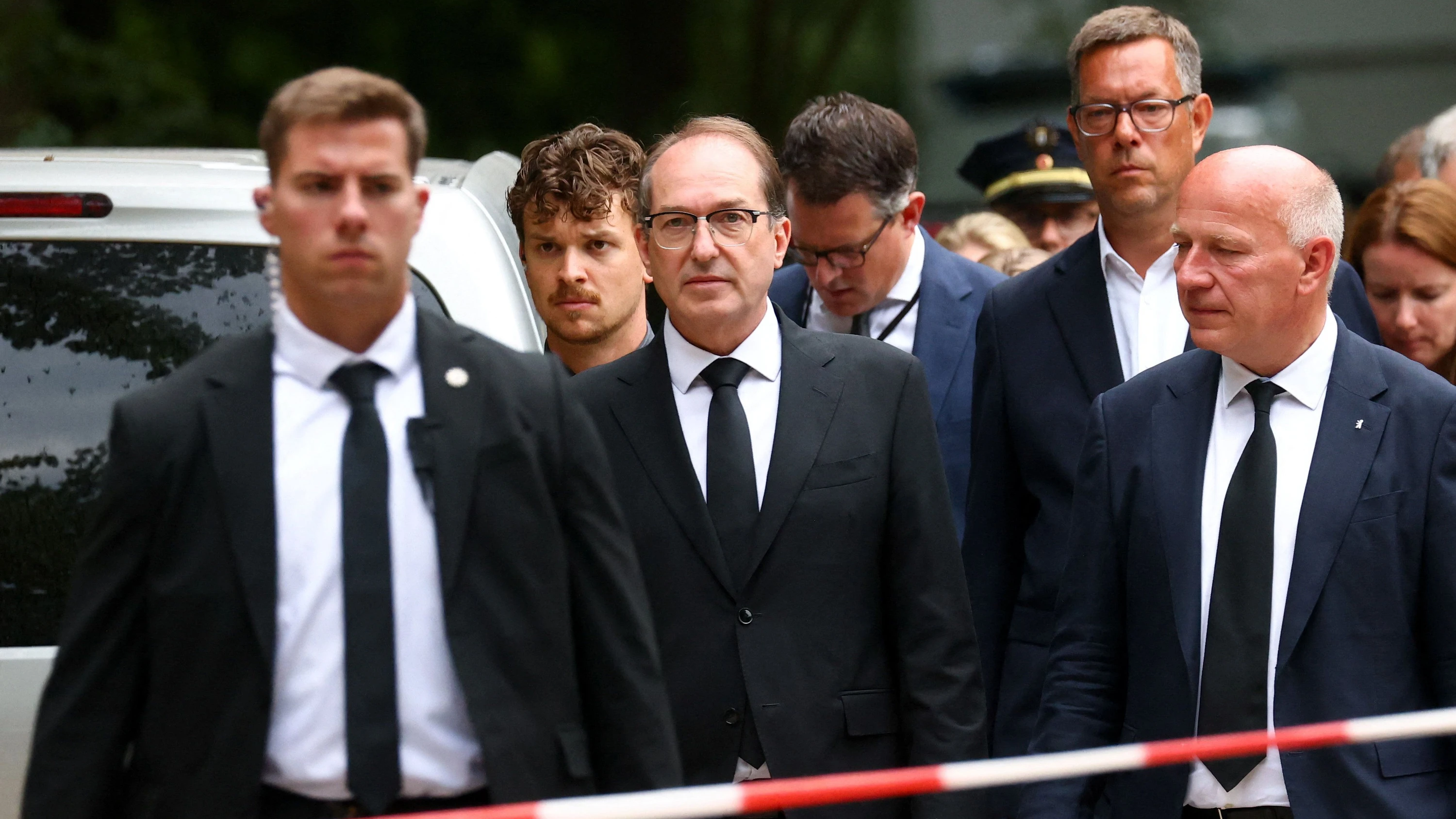
Nach Anschlag auf CSD: So will Dobrindt gegen islamistische Gefährder vorgehen Präventivhaft, elektronische Fußfesseln und ein schärferes Jugendstrafrecht: Mit diesen Mitteln will der Innenminister Anschläge verhindern. Was hätten sie im Fall des Berliner Attentats gebracht?
faz · about 2 hours ago
Terrorismus: Von Fußfessel bis Passentzug – was Gefährder künftig stoppen soll Politiker fordern nach dem Anschlag von Berlin mehr Härte gegen radikalisierte Personen. Einige Pläne sind juristisch sehr umstritten.
sueddeutsche · about 2 hours ago
Christopher-Street-Day: „Wenn ich Angst habe, haben die gewonnen Wie geht es queeren Menschen nach dem Anschlag in Berlin? Sophia K. tanzte in der Nähe, als ein Mann mit dem Auto in die Menge raste. Von der Bundesregierung ist sie enttäuscht – und fordert echte Solidarität.
sueddeutsche · about 2 hours ago
Berlin still a divided city | Svenska Dagbladet - Sweden
eurotopics.net · about 2 hours ago
Debate: CSD attack in Berlin: what to think, what to do? Berlins Christopher Street Day parade was cut short on Saturday evening following an attack. A van driver ploughed into a crowd on the fringes of the festival and then attacked passers-by with what appeared to be a machete. One woman died and 29 people were injured. The suspected 21-year-old perpetrator was a known Islamist. He was shot dead in a police operation on Sunday.
eurotopics.net · about 2 hours ago

Attentat Pride de Berlin: lauteur aurait prêté allégeance au groupe EI dans une vidéo Lauteur de lattentat contre la Pride de Berlin avait prêté allégeance au groupe Etat Islamique dans une vidéo samedi, le jour même des faits, a rapporté mardi le site du quotidien Bild sappuyant sur des sources sécuritaires anonymes. ...
la libre · about 2 hours ago

In Deutschland sind mehr Polen Opfer von Islamisten geworden als in Polen Das Todesopfer beim Berliner CSD ist eine polnische Mutter. Für viele Polen fügt sich das in ein düsteres Bild von Deutschland, in dem die öffentliche Ordnung verfällt – von Tumulten in Freibädern bis zu Terroranschlägen.
welt.de · about 2 hours ago

Pass-Entzug, Präventivhaft, Fußfessel – so realistisch sind die Ideen gegen Gefährder Nach dem Anschlag auf den Berliner CSD werden verschiedene Ideen laut, um weitere Bluttaten von Islamisten zu verhindern. WELT gibt den Überblick – und erklärt, welche Vorschläge realisierbar wären.
welt.de · about 2 hours ago

„Was beim Christopher Street Day passiert ist, ist ein absolutes Versagen des Staates Nach dem Anschlag beim Christopher Street Day in Berlin wächst der Druck auf die Politik, Gefährder konsequenter zu überwachen. „Die schiere Anzahl ist eine Überforderung für den Staat und auch für die Gerichte, vermutet Dorothea Schupelius.
welt.de · about 2 hours ago

„Es braucht die Möglichkeit, überall in Deutschland die Präventivhaft anzuwenden Nach dem CSD-Anschlag in Berlin entbrennt eine Debatte über den Umgang mit Terrorverdächtigen. Alexander Dobrindt fordert Maßnahmen wie Präventivhaft und Fußfesseln: „Wir müssen den Schutz deutlich erhöhen, so der Bundesinnenminister.
welt.de · about 2 hours ago