Loading…
 Sunday, July 19Sunday, July 19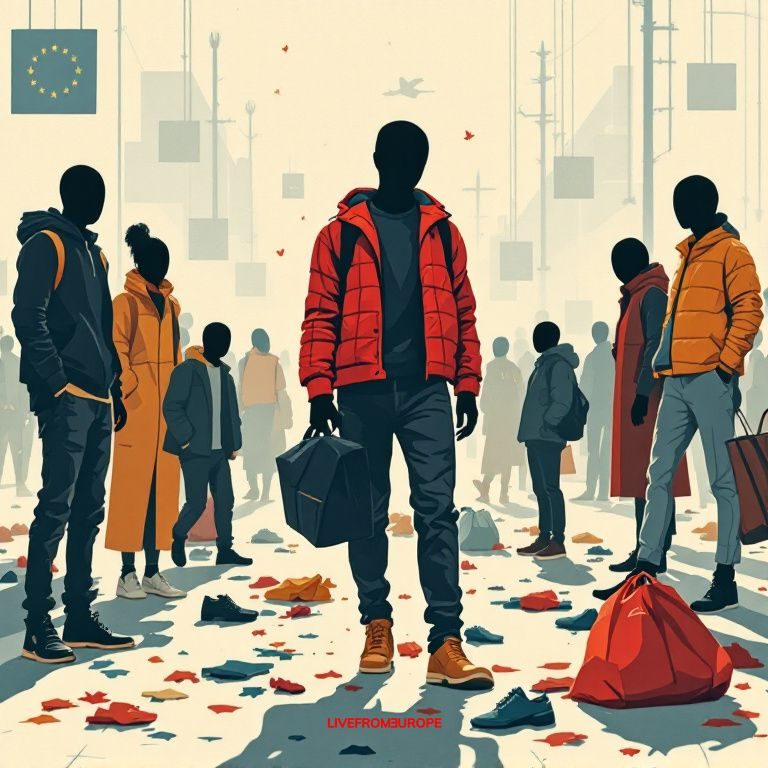
Large companies in the European Union are now prohibited from destroying unsold clothing and footwear, according to a new regulation that took effect today. The ban aims to reduce waste and promote sustainability by encouraging companies to resell, donate, or recycle these items instead of discarding them.
The regulation, adopted under the Ecodesign for Sustainable Products Regulation (ESPR), applies immediately to large companies. Exceptions are made for items that are damaged, contaminated, or cannot be reused or recycled. Additionally, items offered to social welfare organizations but not accepted within a specified timeframe may still be destroyed.
Smaller companies will have until 2030 to comply with the new rules. The European Commission estimates that 4-9% of unsold textile products in Europe are destroyed annually, generating approximately 5.6 million tons of CO2 emissions.
The Handelsverband Deutschland (HDE) suggests that the ban could lead to an increase in discounted items for consumers through outlets, discount markets, or second-hand channels. Stefan Genth, the main executive officer of HDE, also sees potential environmental benefits, stating that "less new clothing will be destroyed and products will be resold or donated more often."
However, Genth notes that the trade will face challenges, as not all unsold goods can be easily resold or donated. Issues such as damaged packaging, high logistics costs, lack of demand, or low product value could pose difficulties. Retailers will also incur additional costs for storage, sorting, reprocessing, and remarketing, as well as documentation obligations and legal uncertainties.
Thomas Lange, the main executive officer of the Modeverband GermanFashion, supports the new regulation, stating that "clothing is a valuable product whose destruction should be avoided." He sees the ban as an important signal for more responsible resource management. However, Lange points out that many European clothing companies already do not destroy unsold goods, and the real challenge lies with the large volumes of cheap, fast-fashion items ordered from non-European suppliers.
The regulation is part of a broader effort by the EU to promote a circular economy and reduce waste. According to the European Commission, the new rules will help create a level playing field for businesses that adopt sustainable practices and reduce the environmental impact of the textile industry.
Follow us for live European news
3 further sources not geolocated

Luxury groups face inventory squeeze under EU destruction ban Ban particularly sensitive for industry that keeps products desirable by maintaining their scarcity
financial times · about 12 hours ago
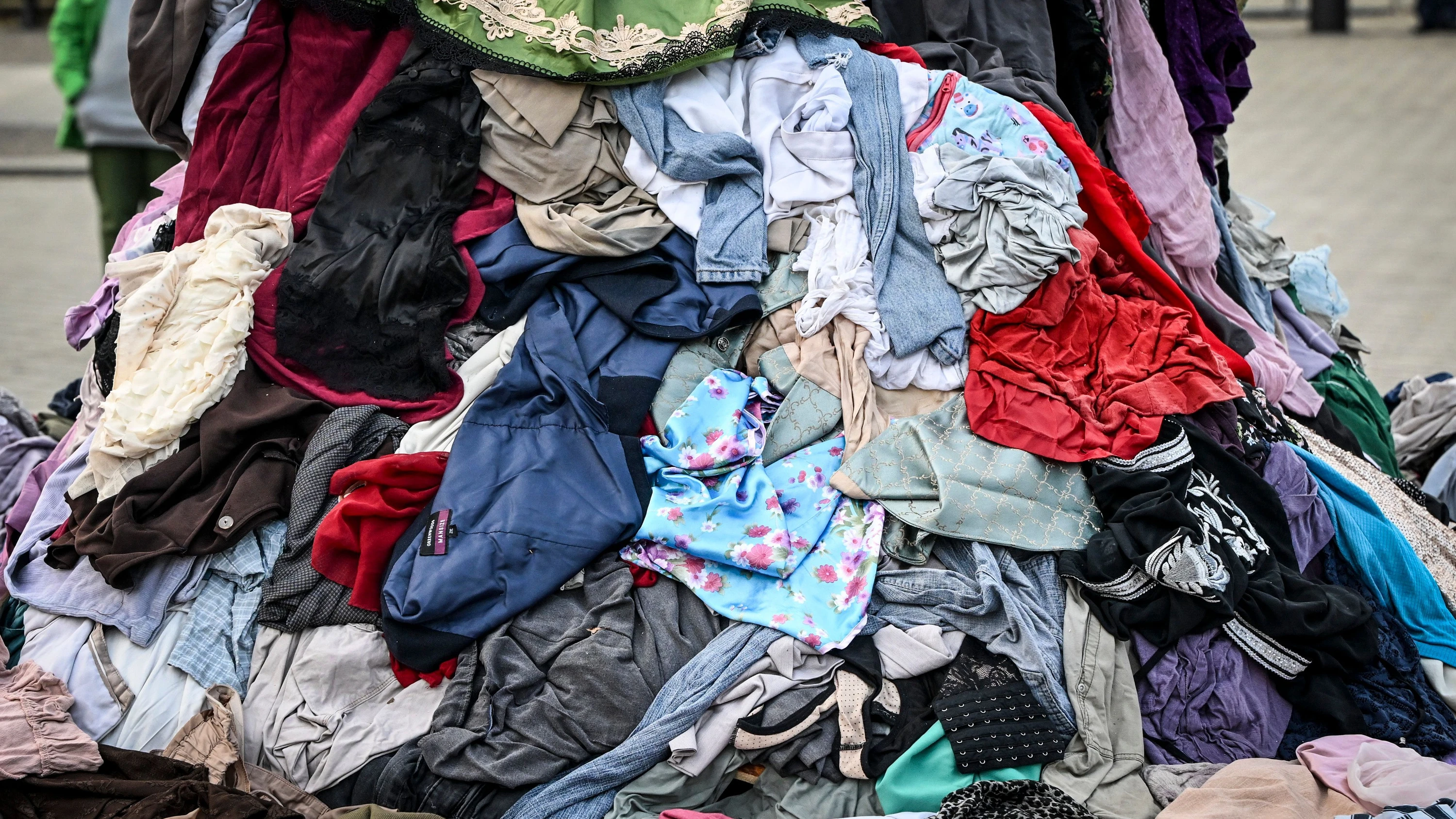
Modebranche: Große Firmen dürfen unverkaufte Kleidung nicht mehr wegwerfen Nicht verkaufte Kleidung und Schuhe landet oft im Müll – das ändert sich jetzt für Ware großer Unternehmen. Für Verbraucher könnte das eine gute Nachricht sein.
faz · about 13 hours ago
Google și Apple, somate să elimine aplicațiile care pot genera imagini cu persoane dezbrăcate
digi24 · about 13 hours ago

The 9 at 9: Sunday A victims testimony on Michael Shine, a return to cloudier weather and an EU ban on destroying unsold clothes for no good reason.
thejournal · about 13 hours ago
Radnice kritizují povinný svoz tříděného textilu. Likvidaci odpadu totiž musí samy financovat Už rok a půl platí pro obce a města povinnost umožnit lidem odevzdat tříděný textil. To, že si pak následně jednotlivé radnice musí s odpadem také poradit a často za jeho svoz a likvidaci také platit, starostové často kritizovali. Věřili, že se situace změní.
irozhlas.cz · about 13 hours ago

Große Firmen in der EU dürfen unverkaufte Mode nicht mehr wegwerfen Eine entsprechende EU-Vorschrift soll dafür sorgen, dass betroffene Unternehmen unverkaufte Kleidung und Schuhe erneut verkaufen oder spenden, anstatt sie zu vernichten
der standard · about 13 hours ago

Große Unternehmen dürfen unverkaufte Kleidung nicht mehr vernichten Dass nagelneue, aber unverkaufte Kleidung entsorgt oder auch verbrannt wird, ist nicht nachhaltig. Die Europäische Union greift nun durch: Die Ware muss fortan erneut verkauft oder gespendet werden. Aber es gibt eine Lücke im Gesetz.
welt.de · about 14 hours ago
O decizie majoră a UE a intrat azi în vigoare: Marile companii nu mai au voie să distrugă hainele nevândute. Ce se întâmplă cu ele Marile companii nu mai au voie, începând de duminică, să distrugă obiectele de îmbrăcăminte și de încălțăminte nevândute, potrivit Comisiei Europene. Interdicția privind distrugerea articolelor de îmbrăcăminte, a accesoriilor vestimentare și a încălțămintei nevândute, precum și derogările, se alică întreprinderilor mari începând de azi, 19 iulie 2026. Se preconizează că întreprinderile mijlocii vor urma acest …
hotnews.ro · about 14 hours ago
Vietato distruggere i vestiti invenduti: per le imprese del tessile scatta lobbligo di favorire riutilizzo, riciclo o donazione Da domenica 19 luglio le grandi imprese del settore tessile non potranno più distruggere capi di abbigliamento, scarpe o accessori invenduti o restituiti dai consumatori: dovranno favorire il riutilizzo, il riciclo e la donazione dei prodotti, dando loro una seconda vita. Lo ricorda Assoutenti, che sottolinea come la novità interesserà in prima istanza le grandi […] Larticolo Vietato distruggere i vestiti invenduti: per le imprese del tessile scatta lobbligo di favorire riutilizzo, riciclo o donazione proviene da Il Fatto Quotidiano.
il fatto quotidiano · about 14 hours ago
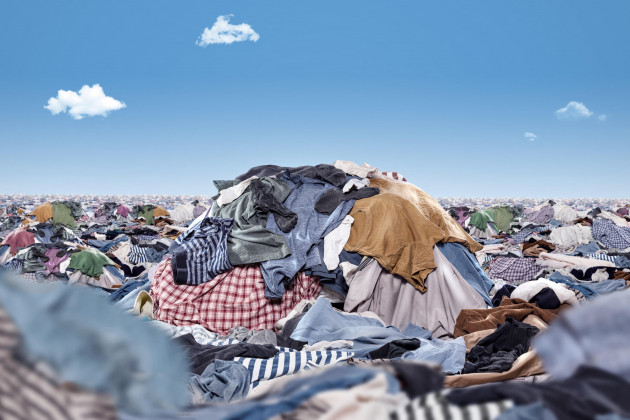
Will the EUs new ban on companies destroying unsold clothes really stop bad behaviour? Fast fashion giants will be incentivised to resell, repurpose, or donate leftover stock that arises from returns or overproduction.
thejournal · about 14 hours ago
EU warns against unilateral action after Poland, Hungary ban Ukrainian grain
gdeltproject.org · about 15 hours ago
UE interzice de astăzi distrugerea hainelor și încălțămintei nevândute. Ce impact au noile reguli asupra companiilor din România Marile companii din industria textilă și a confecțiilor din Uniunea Europeană nu mai au voie, începând de astăzi, să distrugă hainele, încălțămintea și accesoriile nevândute. Noua măsură, adoptată pentru reducerea risipei și a impactului asupra mediului, obligă firmele să găsească alternative precum revânzarea, recondiționarea sau donațiile și va avea efecte inclusiv asupra companiilor din România.
digi24 · about 15 hours ago
Große Firmen dürfen unverkaufte Mode nicht mehr wegwerfen
orf.at · about 15 hours ago
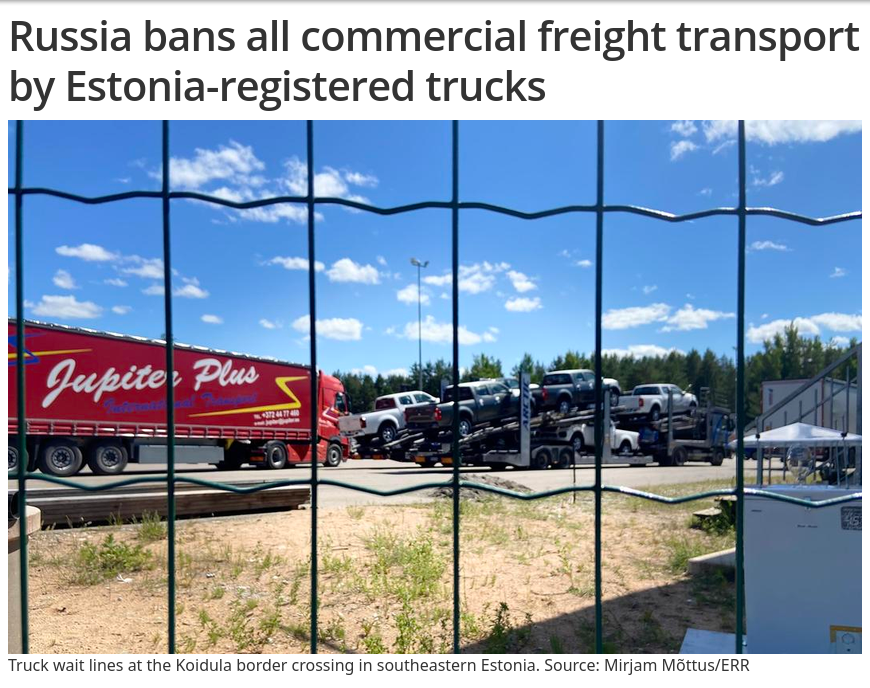
Russia has imposed a blanket ban on all commercial freight transport by Estonia-registered trucks, expanding upon existing restrictions on specific EU-origin carriers implemented in October 2022. #Russia #EU #Estonia
mastodon bot · about 15 hours ago
Nachhaltigkeit: Große Firmen dürfen unverkaufte Mode nicht mehr wegwerfen Nicht verkaufte Kleidung und Schuhe landet oft im Müll – das ändert sich jetzt für Ware großer Unternehmen. Die neue EU-Vorschrift könnte auch Folgen für Verbraucher haben.
tagesspiegel · about 16 hours ago

Volkswagen vai recuperar da crise? E a "nossa" Autoeuropa? Grupo Volkswagen, o maior consórcio automóvel europeu e o 2º maior a nível mundial está em crise e vai despedir milhares, encerrando fábricas. E a Autoeuropa também está em risco de sofrer cortes?
observador · about 16 hours ago
JUST IN - EU prohibits large companies from destroying unsold clothes, clothing accessories and footwear from today, under the Ecodesign for Sustainable Products Regulation with medium-sized companies set to comply from 2030. Source: @disclosetv
telegram_Disclose.tv · about 16 hours ago

„Keinen Kaffee an Nazis – Gastronomin verweigert Bedienung von „AfD-Schmock Die Betreiberin eines Berliner Cafés weigert sich, einen Kunden zu bedienen, den sie als Anhänger der AfD ausgemacht hat. Über den Vorfall berichtet sie in den sozialen Medien – und kündigt an, auch künftig Nazis den Kaffee zu verwehren.
welt.de · about 17 hours ago

Quién es quién en la marca blanca La marca de distribución favorece el crecimiento de fabricantes y productores que se mantienen en la sombra
la vanguardia · about 18 hours ago
Neues EU-Gesetz: Große Unternehmen dürfen unverkaufte Mode nicht mehr vernichten Eine EU-Vorschrift untersagt großen Firmen künftig die Vernichtung von unverkaufter Kleidung. Unternehmen könnten das Verbot jedoch leicht umgehen, warnen Umweltschützer.
die zeit · about 20 hours ago

Stagnant Germany Considers the Unthinkable: Sunday Shopping Germany is facing growing economic pressure to ease its historic Sunday shopping ban and align with the rest of Europe.
wsj · about 20 hours ago
Ban on destruction of unsold clothes and shoes enters into application
gdeltproject.org · about 21 hours ago

Nio Closes a Flagship Showroom in Europe for the First Time as Sales Collapse #Europe
mastodon bot · about 22 hours ago
Whiskyboomen är över – historisk nedgång Lyxprodukter lyckas inte längre hålla den skotska whiskyindustrin flytande. Nu söker destillerier nya ägare medan de bygger ut lagren för att förvara tunnorna med osåld whisky. Kommer den anrika industrin att klara krisen?
svenska dagbladet · about 23 hours ago
Nederland zegt nee tegen dadel uit illegale nederzetting, Europa twijfelt nog Nederland laat binnenkort geen producten meer toe uit Israëlische nederzettingen op de Westelijke Jordaanoever. Europa is nog altijd niet unaniem overtuigd. Maar zelfs als het verbod er is, wordt het lastig om een sinaasappeltje te herkennen als nederzettingsproduct.
nu.nl · about 23 hours ago