
German study says 130 kmh autobahn speed limit could save up to 90 lives a year
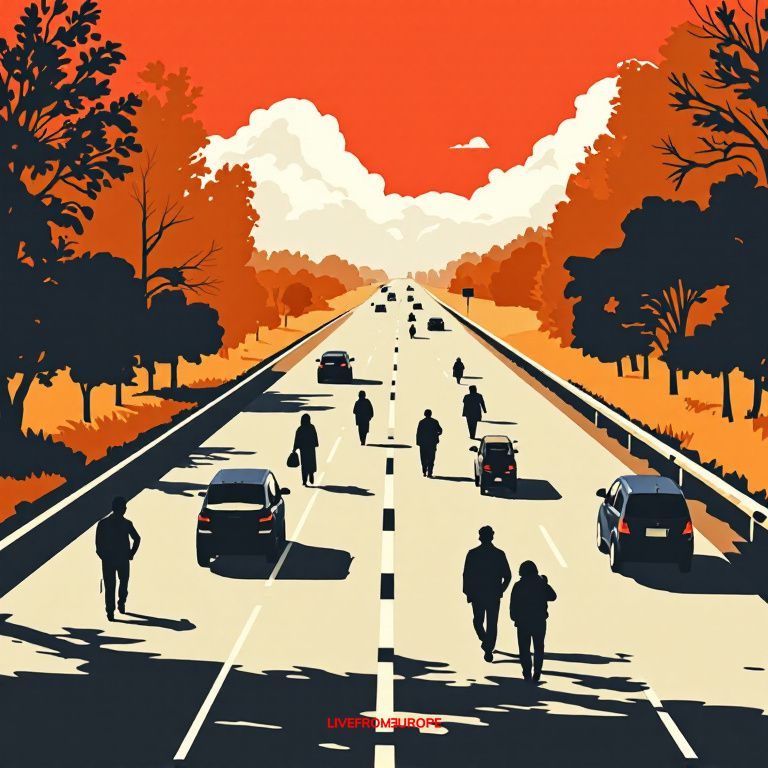
A new study suggests that implementing a speed limit of 130 km/h on German autobahns could save up to 90 lives annually. The study, conducted by Siegfried Brockmann from the Björn Steiger Stiftung, indicates that such a measure could reduce the number of traffic fatalities by 25 to 30 percent.
"At a maximum speed of 130 kilometers per hour, there would be 25 to 30 percent fewer fatalities on federal autobahns, which corresponds to about 70 to 90 people," said Brockmann. Although this represents only 3 percent of all traffic fatalities, it is a significant effect for a single measure.
Germany is one of the few countries without a general speed limit on its highways. While many other countries have implemented speed limits, Germany has maintained its policy of allowing drivers to travel at high speeds on many sections of the autobahn. However, the debate over introducing a general speed limit has been ongoing for years.
The Federal Ministry of Transport has repeatedly rejected the idea of a general speed limit, while many associations and experts support it. The study by Brockmann is the latest contribution to this debate.
In 2025, more than 2,800 people died in traffic accidents in Germany, with 292 of those fatalities occurring on autobahns. Brockmann's study suggests that a speed limit could have a positive effect on road safety.
"Almost all other states have binding speed limits on highways," Brockmann noted. The highest regular highway speed limits in Europe are found in Poland (140 km/h) and on individual pilot routes in the Czech Republic (150 km/h).
Studies from Austria, the Netherlands, and the USA have shown reductions in serious accidents or traffic fatalities when speed limits are implemented. However, Brockmann pointed out that there are no comparative studies for Germany, and previous studies from the 1970s and early 2000s have limited applicability to today's conditions.
Brockmann suggests testing the effects of speed limits on autobahns for one year or introducing experimental sections with different speed limits. However, this would require the approval of the Federal Ministry of Transport.
The debate over speed limits on German autobahns is not new. Proponents argue that it would improve road safety and reduce emissions, while opponents claim it would infringe on personal freedom and have little impact on safety.
Meanwhile, other countries are taking different approaches to traffic management. In Switzerland, ships on Lake Biel have reduced their speed to 18 km/h, resulting in a 10 percent reduction in fuel consumption and up to 100 tons of CO2 saved annually. The slower speed has not received complaints from passengers, who are there for relaxation, not speed.
In Spain, there is a debate about reintroducing tolls on highways to fund infrastructure maintenance. The Catalan government is considering reintroducing tolls on the AP-7 highway within two or three years.
These examples highlight different approaches to managing traffic and improving road safety. While Germany debates the introduction of a speed limit on its autobahns, other countries are implementing measures to reduce fuel consumption and emissions, or considering tolls to fund infrastructure maintenance.
As the discussion continues, the focus remains on finding effective strategies to improve road safety and manage traffic more efficiently.
Follow us for live European news
- 4
- 3
- 2
- 1
- 1
- 1
- 1
- 1
- 1
- 1
- 1
3 further sources not geolocated
Articles

Mag je hier niet bloot zijn? Dit bord zorgt voor verwarring op het strand Mag je hier niet bloot zijn, niet zonnen of zelfs niet liggen? Een verbodsbord bij de Galderse Meren zorgt voor flinke verwarring onder bezoekers. Bijna niemand begrijpt wat je er wel en niet mag.
rtl nieuws · about 3 hours ago
Imagini virale cu un șofer care circulă pe contrasens pe A7. Bărbatul a fost identificat de polițiști Un șofer care a fost filmat în timp ce mergea pe contrasens pe Autostrada A7 a fost identificat de polițiști. Imaginile cu momentul în care a pus în pericol alți șoferi au devenit virale.
digi24 · about 3 hours ago
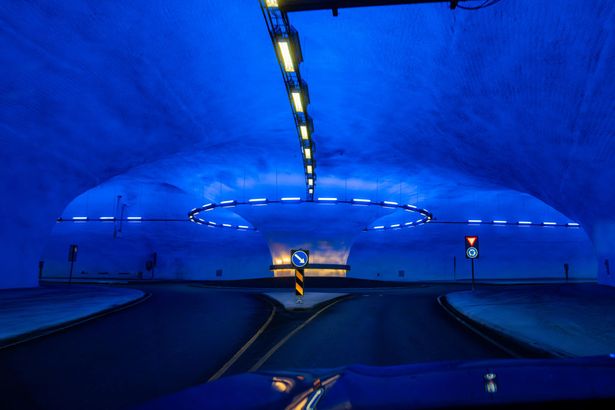
Most beautiful tunnel in the world cost £75million and stretches 15 miles
mastodon bot · about 3 hours ago
Pogumneži bodo z 12-metrskega mostu skakali v Krko Danes v Novem mestu potekajo tradicionalni skoki v Krko z 12 metrov visokega Kandijskega mostu. Pogumni tekmovalci, ki bodo morali pokazati natančnost in tehniko, se bodo pomerili v več disciplinah. Most in plovba bosta med dogodkom začasno omejena.
rtv slovenia · about 3 hours ago
Έρευνα: Πόσο ελκυστική είναι η ναυτιλία στους νέους και γιατί (πίνακες) Τι αποκαλύπτει η πρώτη παγκόσμια έρευνα του YES Forum - Οι λόγοι που οδηγούν στο ναυτικό επάγγελμα - Τι λένε οι νέοι από 12 χώρες και η ιδιαίτερη περίπτωση της Ελλάδας
protothema · about 3 hours ago
Trendviertel 2026: Ein Markt, zwei Welten: Zwischen Zechenstaub und Villenviertel sucht Essen seinen Weg In Essen ist die A40 mehr als eine Autobahn. Sie teilt die Stadt in zwei ganz unterschiedliche Immobilienmärkte auf. Wer hier Eigentum sucht, kommt an einer simplen Gleichung kaum vorbei.
handelsblatt · about 3 hours ago

How little exercise can you get away with? Even tiny bursts of activity have measurable benefits
der standard · about 3 hours ago

Was man zur Sonnenfinsternis im August wissen muss Europa blickt in den Himmel: Am 12. August verdunkelt der Mond die Sonne. Wo das Himmelsereignis des Jahres am besten zu sehen ist
der standard · about 3 hours ago
Altersvorsorge: Rente und Pension - Wie groß sind die Unterschiede? Die Renten sind im Schnitt deutlich niedriger als die Beamtenpensionen. Eine neue Auswertung aus dem Bundestag zeigt die Unterschiede bei den Bezügen, weist aber auch auf Gründe hin.
tagesspiegel · about 3 hours ago
Weniger Treibstoff – Schiffe auf dem Bielersee fahren langsamer – bringts das? Wer in diesem Sommer auf dem Bielersee mit einem Kursschiff unterwegs ist, braucht etwas mehr Zeit. Was das bringt.
srf.ch · about 4 hours ago
Svanfamilj på E4 – försöker ta sig över vägen Orsakar trafikhinder
expressen · about 4 hours ago
Simson-Mopeds: Voigt: Gespräch über Simson-Sonderstatus mit der EU Die in Suhl gebauten Simson-Mopeds sind mehr als DDR-Nostalgie: Sie können mit Tempo 60 fahren und verheißen jungen Leuten Mobilität. Doch Reimporte müssen langsamer fahren. Worin das Problem liegt.
tagesspiegel · about 4 hours ago

countdown auf Mallorca: Wenn am Abend die schwarze Sonne im Meer versinkt Die Gelegenheit ist nicht günstig, aber sie kommt nicht wieder: Wer in einem Monat am richtigen Ort auf Mallorca ist, muss nicht einmal den Kopf in den Nacken legen, um die totale Sonnenfinsternis zu erleben.
faz · about 4 hours ago
Scandal în Italia pentru că turiștii nu sunt lăsați să vină cu mâncare la pachet pe plajele cu șezlonguri scumpe: „Strică imaginea Prânzul la pachet a devenit cea mai recentă sursă de conflict pe plajele din Italia, după ce o femeie a fost certată că a adus sendvișuri de acasă pe o plajă privată, cu restaurant, din Puglia, relatează The Guardian.
digi24 · about 4 hours ago
Nach Generalsanierung: Frisch sanierte Bahnstrecke nur eingeschränkt befahrbar
die zeit · about 4 hours ago
Camere obligatorii pentru monitorizarea șoferilor în toate mașinile noi. O nouă regulă adoptată la nivelul Uniunii Europene Începând de vineri, toate autoturismele noi vândute în Uniunea Europeană trebuie să fie echipate cu un sistem care monitorizează atenția șoferului și îl avertizează atunci când este distras de la condus. Regulamentul european stabilește ce date pot fi colectate și interzice folosirea sistemului pentru identificarea persoanelor aflate la volan, scrie ZDF.
digi24 · about 4 hours ago

El Camino Ignaciano suma a los jesuitas El convenio servirá para mejorar la señalización e impulsar conjuntamente la promoción del itinerario de 650 km que une el País Vasco, La Rioja, Navarra, Aragón y Catalunya
la vanguardia · about 4 hours ago

Barcelona se atasca con la gestión de la creciente distribución urbana de mercancías En el 2023 se presentó un ambicioso plan, pero se ha avanzado más bien poco y las furgonetas siguen copando el 23 de la circulación de la ciudad
la vanguardia · about 4 hours ago

Casi 1.300 kilómetros de vías de alta capacidad volverán al Estado en el 2027 El Ministerio de Transportes recupera tramos que operaban con peaje en sombra
la vanguardia · about 4 hours ago

El deterioro de las autopistas reabre el debate sobre recuperar el pago por uso Un estudio plantea que Europa es incapaz de asumir la inversión para modernizar la red
la vanguardia · about 4 hours ago

Barcelona elimina en 20 años uno de cada tres carriles destinados el vehículo privado Las 30 principales arterias han cedido paso al bus, la bici y las aceras más anchas sin que se haya resuelto la saturación de coches en hora punta
la vanguardia · about 4 hours ago
Uno de cada tres conductores admite conducir tras tomar medicamentos que pueden afectar a la conducción Aunque un 34 admite conducir medicado, solo un 3 identifica los fármacos como un riesgo para la seguridad vialLa DGT cambia el carnet de conducir: así será el nuevo examen teórico con vídeos Uno de cada tres conductores españoles reconoce que se pone al volante después de haber tomado medicamentos que pueden alterar sus capacidades para conducir. Así lo refleja el estudio Fármacos y Conducción, elaborado por la consultora Salvetti Llombart para la Fundación Mapfre y la Fundación Bidafarma, con la colaboración de la Dirección General de Tráfico (DGT) y el Consejo General de Colegios Farmacéuticos. El informe revela, además, una llamativa contradicción porque aunque un 34 admite conducir medicado, solo un 3 identifica de forma espontánea los fármacos como un riesgo para la seguridad vial. El estudio se basa en entrevistas a expertos y conductores, así como en una encuesta realizada a 2.000 personas. Entre sus conclusiones destaca que únicamente un 25 de los conductores habituales asegura no haber tomado en los últimos tres años ningún medicamento que pudiera interferir en la conducción. En cambio, un 45 afirma que, cuando se medica, evita conducir mientras duran los efectos del tratamiento, mientras que un 34 reconoce hacerlo pese a eso posibles efectos. Un riesgo que muchos siguen infravalorando La investigación señala que los medicamentos continúan fuera del radar preventivo de la mayoría de los conductores. Las principales preocupaciones al volante siguen siendo la climatología adversa, citada por el 72 de los encuestados, los desplazamientos nocturnos, mencionados por el 60, y el cansancio o el sueño, destacados por un 53. Solo un 26 afirma extremar las precauciones cuando está tomando medicamentos que pueden afectar a la conducción. Cuando se pregunta de forma espontánea por los principales riesgos al volante, apenas un 3 menciona los fármacos. Muy por delante aparecen la conducción temeraria de otros usuarios de la vía (33), las distracciones provocadas por el teléfono móvil (26), el mal tiempo (16) o el consumo de alcohol y drogas y el cansancio, ambos con un 12. Incluso al valorar el nivel de peligro, los medicamentos reciben una puntuación media de 6,9 sobre 10, por debajo del alcohol y las drogas (8,4), el exceso de velocidad (8,0) o la falta de descanso (8,0). El estudio también define el perfil del conductor que más se expone a este riesgo. Se trata de personas de más de 55 años, con más de dos décadas de experiencia al volante y que utilizan habitualmente el coche. Además, este grupo presenta una mayor incidencia de siniestros de tráfico durante los últimos cinco años en comparación con el conjunto de conductores. Los medicamentos no se ven como peligrosos al volante Uno de los aspectos que más preocupa a los responsables del informe es la diferencia entre la percepción del riesgo y el comportamiento real. Aunque un 83 de los conductores reconoce que algunos medicamentos pueden afectar a la conducción, esa conciencia no se suele traducir en medidas preventivas. A ello se suma una falsa sensación de control. El 61 de los conductores que toman medicamentos considera que estos afectan poco o nada a su capacidad para conducir. Sin embargo, casi la mitad de los encuestados reconoce haber experimentado efectos secundarios, especialmente somnolencia, sensación de fatiga o reflejos más lentos. Pese a ello, la respuesta más habitual no es dejar de conducir, sino adaptar la forma de hacerlo: algunos reducen la velocidad y otros simplemente aseguran que extreman las precauciones. El informe también detalla que no todos los medicamentos son percibidos del mismo modo. Los conductores identifican con mayor facilidad el riesgo asociado a los psicotrópicos o a los tratamientos para la ansiedad y el insomnio, mientras que otros fármacos, como los antigripales, los antitusivos o algunos medicamentos para la diabetes, siguen estando poco asociados a posibles problemas al volante. Tras conocer estos resultados, la Fundación Mapfre, la Fundación Bidafarma, la DGT y el Consejo General de Colegios Farmacéuticos impulsarán una campaña informativa en farmacias de toda España para reforzar la información que reciben los pacientes en el momento de retirar su medicación. La iniciativa pretende concienciar de que algunos tratamientos pueden comprometer la capacidad para conducir, incluso cuando sus efectos no resultan evidentes para quien los toma.
eldiario.es · about 4 hours ago
Verkehrsstudie: Bis zu 90 Unfalltote weniger bei Tempolimit Sollte die Geschwindigkeit auf Autobahnen begrenzt werden? Eine neue Studie beschäftigt sich mit dieser Frage und kommt zu einer eindeutigen Antwort.
tagesspiegel · about 4 hours ago

Bemondták a számot, 100 000-nél több műhold nem keringhet a Föld körül. És hogy mi a baj? Milliókat terveznek Komolyan akadályozná a csillagászokat, ha százezernél is több műhold lepné el a Föld körüli pályát.
hvg.hu · about 4 hours ago
XRP Has Pulled Back Sharply. Is Now the Time to Load Up?
gdeltproject.org · about 4 hours ago
Ein Sommer auf Schiene: Billiger Reisen mit Interrail? Günstig per Bahn ans Mittelmeer: So gelingt eine Riviera-Rundreise mit Interrail und kleinem Budget. Ein Routenvorschlag und eine Kalkulation
der standard · about 4 hours ago
Alcance o seu corpo de verão Se aos homens foi sendo reconhecido valor pelo que faziam, produziam ou conquistavam, às mulheres foi ensinado que o seu maior capital residia no corpo que apresentavam.
publico · about 4 hours ago
Neue Vorschriften für Radarfallen in Italien: 850 Geräte abgeschaltet Künftig müssen Geschwindigkeitsmessgeräte in Italien deutlich strengere technische Anforderungen erfüllen.
die presse · about 4 hours ago
Neues Gesetz legt Radarfallen in Italien lahm
orf.at · about 4 hours ago
Lux Express: üldist piletihindade tõusu ei ole toimunud Postimehele teadaolevalt on Lux Express mõnel liinil ja väljumisel bussipiletite hindu kergitanud. Ettevõtte sõnul ei saa siiski rääkida kõiki liine ja piletitüüpe puudutavast üldisest hinnatõusust, sest hinnad kujunevad dünaamiliselt vastavalt nõudlusele.
postimees · about 5 hours ago