Loading…
 Saturday, August 29Saturday, August 29
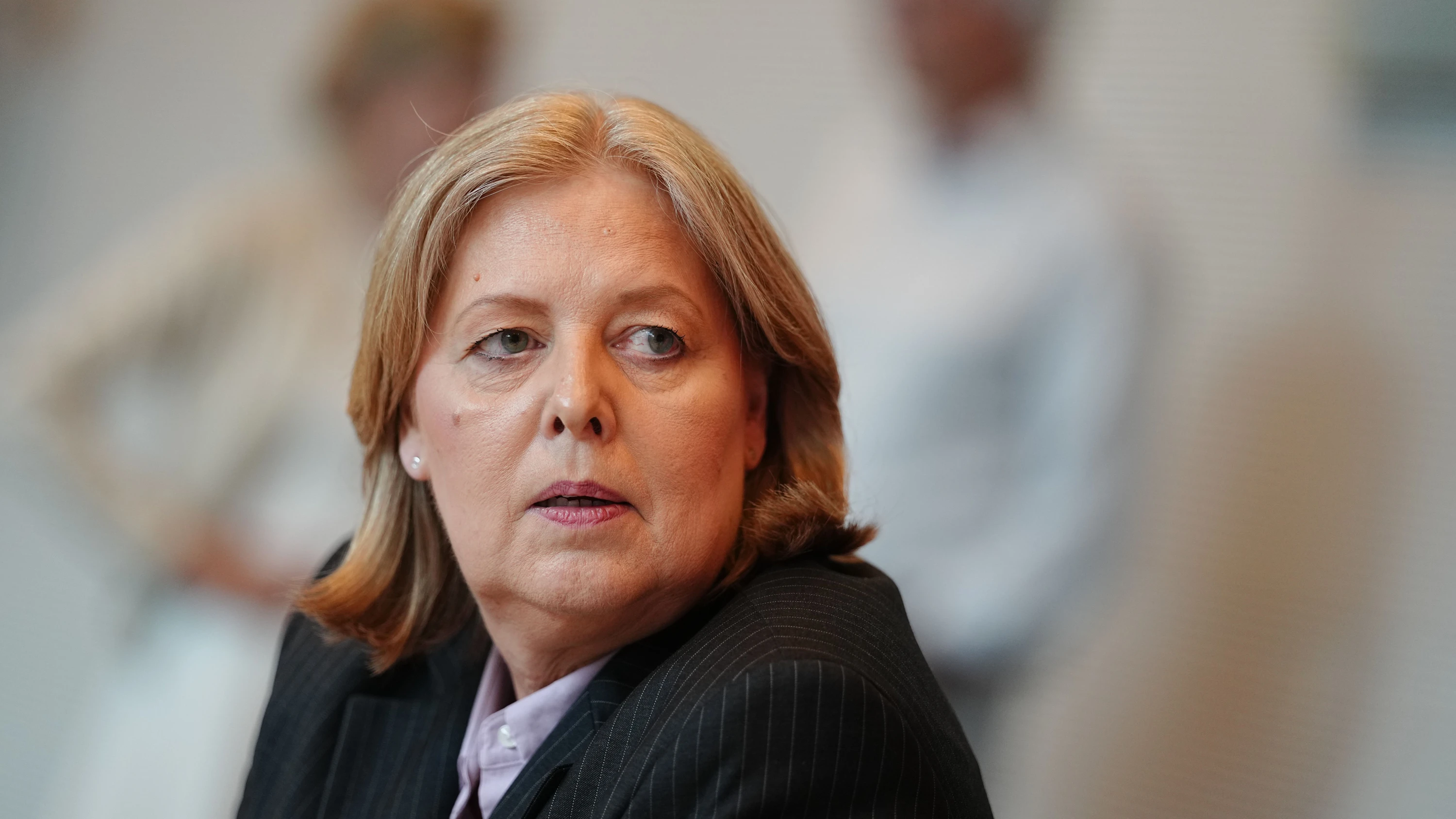
Bärbel Bas, Germany’s federal labor minister and co-leader of the center-left SPD, publicly questioned the coalition’s plan to require a doctor’s note from the first day of sick leave, saying on Friday that the policy’s practicality should be reconsidered.
“Ich bin koalitionstreu, aber wir sollten uns schon nochmal fragen, ob das sinnvoll ist,” Bas told the Funke Mediengruppe, noting that exceptions for unionized companies with existing agreements could render the rule ineffective. “Wenn ich eine Pflicht einführe und anschließend 95 Ausnahmen reinschreibe, stellt sich die Frage, ob man das überhaupt noch braucht.” She added that the measure was part of a broader compromise with the center-right CDU/CSU, which had pushed for waiting periods and cuts to sick pay—both rejected by the SPD in exchange for the attestation requirement .
The proposed rule is tied to guarantees for same-day doctor appointments and stroke prevention measures, but Bas acknowledged that the health ministry’s primary care concept—necessary for the appointment guarantee—is not yet finalized. She expressed concern that minor illnesses could lead to longer absences if employees must visit a doctor immediately, stating, “Meine Sorge ist, dass dann Menschen mit einem leichten Infekt am ersten Tag zum Arzt gehen und aus einem kurzen Ausfall am Ende eine ganze Woche Krankschreibung wird” .
The debate comes as German companies reported record costs for sick pay in 2025. A study by the employer-aligned Institute of the German Economy (IW) found that businesses spent €85.6 billion on continued wage payments for sick employees last year, up from €81.2 billion in 2024. The figure includes €72.5 billion in gross wages and an estimated €13.1 billion in employer social security contributions. The IW attributed the rise to higher wages, increased employment, and a statistically significant increase in reported sick leave since the 2022 introduction of electronic sick note tracking. The institute noted that the actual impact on workplace absences remains unclear, but the current sick leave rate is well above pre-pandemic levels .
Bas also addressed pension reforms, indicating openness to a five-year transition period for phasing out the early retirement option without deductions after 45 years of contributions. “Nötig seien ausreichende Übergangsfristen und Vertrauensschutz, damit die Menschen ihre Lebensplanung anpassen können,” she said, citing a proposal from Rentenkommission chair Constanze Janda. The measure, often referred to as the “Rente mit 63,” is a key part of the coalition’s pension reform agenda, with Union faction leader Thorsten Frei previously signaling willingness to discuss transitional rules .
Coalition leaders from the CDU/CSU and SPD reaffirmed their reform timeline on Friday, with SPD parliamentary group leader Matthias Miersch calling it a “fester Fahrplan” for implementation by year’s end .
Follow us for live European news
2 further sources not geolocated

Altersvorsorge: Wie sich der Riester-Nachfolger für Gutverdiener lohnen kann In das Altersvorsorgedepot kann mehr eingezahlt werden, als für die Förderung notwendig ist. Im Ruhestand sind dann die Steuersätze niedrig – mitunter werden sie aber teuer bezahlt.
handelsblatt · about 2 hours ago
Krankheit: Unternehmen zahlen Rekordsumme für kranke Beschäftigte Mehr als 85 Milliarden Euro – Noch nie mussten Firmen so viel für krankheitsbedingte Lohnfortzahlung zahlen. Was steckt hinter dem Anstieg?
handelsblatt · about 2 hours ago
Gesundheitskosten – Die Spitalrechnung – ein Mysterium für viele Versicherte Die Rechnungen von Spitälern sind für Laien kaum entzifferbar. Wieso es so schwer ist, sich Transparenz zu verschaffen.
srf.ch · about 2 hours ago
Pikavipit | Tiinan tulot menevät velanmaksuun, mutta laina ei pienene Tiina on maksanut velkojaan noin 70 000 euron edestä, mutta alkuperäinen velkasumma, 95 000 euroa, ei ole lyhentynyt kuin muutamalla tuhannella eurolla.
helsingin sanomat · about 2 hours ago
Ende der „Rente mit 63: Arbeitsministerin Bas zeigt sich offen für fünfjährige Übergangsfrist Die mögliche Abschaffung der Frührente ohne Abschläge nach 45 Beitragsjahren ist umstritten. SPD-Chefin Bas ist bereit für einen Kompromiss, den die CDU zuletzt auch schon genannt hatte.
tagesspiegel · about 3 hours ago

Eläkeläinen, saatat olla oikeutettu tähän tukeen: Jopa 387 euroa ekstraa kuukaudessa – Omaisuus ei ole este
iltalehti · about 3 hours ago
Moni eläkeläinen ei tajua hakea tätä tukea – Jopa 387 euroa ekstraa kuukaudessa
iltalehti · about 3 hours ago

„Wir sollten uns nochmal fragen, ob das sinnvoll ist – Bas rückt von Krankschreibung ab Tag 1 ab Bundesarbeitsministerin Bärbel Bas (SPD) hat die Union zu Gesprächen über einen Verzicht auf die umstrittene Neuregelung zur Attestpflicht ab dem ersten Krankheitstag aufgefordert.
welt.de · about 3 hours ago
IW-Studie: Unternehmen zahlen Rekordsumme für kranke Beschäftigte Mehr als 85 Milliarden Euro: Noch nie mussten Firmen so viel für krankheitsbedingte Lohnfortzahlung zahlen. Was steckt hinter dem Anstieg?
tagesspiegel · about 4 hours ago
Prestação sobe 70 euros num contrato de 150 mil euros a rever em Setembro Desde o início do conflito no Irão, as taxas de juro utilizadas no crédito à habitação já subiram entre 0,5 e 0,7 pontos percentuais. Tendência poderá agravar-se.
publico · about 4 hours ago
Las siete las claves de la nueva jubilación flexible para cobrar salario y pensión La modalidad permite la reincorporación como autónomo o con un contrato a tiempo parcial como asalariado. Leer
expansion · about 4 hours ago

Corona-Fonds kostet Deutschland bis zu 150 Milliarden Euro Für den Corona-Wiederaufbaufonds nahmen die EU-Mitgliedstaaten erstmals gemeinsam Schulden auf. Die Kredite müssen ab 2028 zurückgezahlt werden. Jetzt zeigt sich, wie hoch die Belastungen für den deutschen Steuerzahler ausfallen.
welt.de · about 5 hours ago
Kompromiss mit Union: Bas stellt Krankschreibung ab erstem Tag infrage Die geplante Pflicht zur Krankschreibung ab dem ersten Tag ist ein Kompromiss und geht auf einen Wunsch der Union zurück. Arbeitsministerin und SPD-Chefin Bas zweifelt am Sinn der Regelung.
handelsblatt · about 5 hours ago
Ce se întâmplă cu pensia soțului după deces. Cât poate primi soția și cum se calculează dreptul de urmaș Pensia pe care o persoană o primea înainte de deces nu se transferă automat soțului supraviețuitor, chiar dacă acesta nu are venituri sau încasează o sumă mai mică. În schimb, partenerul rămas în viață poate solicita pensie de urmaș, dacă îndeplinește condițiile legale.
digi24 · about 5 hours ago

Sindicato bancário leva pensões ao parlamento São necessárias 20.000 assinaturas para poder dar origem a uma Iniciativa Legislativa de Cidadãos
observador · about 6 hours ago

Deutsche Unternehmen zahlen Rekordsumme für kranke Beschäftigte Die Kosten für die Lohnfortzahlung im Krankheitsfall haben sich laut einer neuen IW-Studie innerhalb von eineinhalb Jahrzehnten mehr als verdoppelt. Zu der Entwicklung hat auch der höhere Krankenstand beigetragen.
welt.de · about 6 hours ago
Deutschland-Liveblog: Bas stellt Krankschreibung ab erstem Tag infrage Arbeitsministerin hält Pläne für „inhaltlich falsch +++ Wagenknecht: „Haben Rechtsextremisten in der Bundesregierung +++ Grüne fordern eine Million neue Bäume +++ alle Entwicklungen im Liveblog
faz · about 6 hours ago
+++ Bundespolitik +++: Bas stellt Krankschreibung ab erstem Tag infrage Unionsfraktionsvize will Kohlekraftwerke anwerfen +++ Grüne fordern Gas-Krisengipfel +++ Regierungsfraktionen wollen Deutschland bis Jahresende resilienter machen +++ Der Newsblog.
handelsblatt · about 7 hours ago
Reformvorhaben: Bärbel Bas stellt geplante Krankschreibung ab erstem Tag infrage Mit Plänen zur Attestpflicht ab dem ersten Krankheitstag hatte die Bundesregierung eine große Debatte ausgelöst. Die SPD-Vorsitzende fordert neue Gespräche mit der Union.
die zeit · about 7 hours ago
Krankheit ME/CFS: Fast 62.000 Fälle von Erschöpfungssyndrom in NRW
die zeit · about 8 hours ago
Ο «χάρτης» των πληρωμών από τον e-ΕΦΚΑ και τη ΔΥΠΑ έως τις 4 Σεπτεμβρίου Θα καταβληθούν 88,8 εκατ. ευρώ σε 116.143 δικαιούχους
protothema · about 8 hours ago

„Wir sollten uns nochmal fragen, ob das sinnvoll ist – Bas rückt von Krankschreibung ab Tag 1 ab Bärbel Bas hinterfragt die geplante Einführung der Attestpflicht ab dem ersten Tag. Die SPD-Vorsitzende verweist auf geplante Ausnahmen. Ihre Sorge sei es außerdem, dass aus kurzen Ausfällen längere Krankschreibungen werden.
welt.de · about 10 hours ago
IW-Studie: Unternehmen zahlen Rekordsumme für kranke Beschäftigte
die zeit · about 10 hours ago
Pensionen: Stocker bringt Staatsfonds ins Spiel
orf.at · about 10 hours ago

Entlastung für Hersteller: Wie die Koalition die Pharmabranche schonen will Eli Lilly und Boehringer Ingelheim strichen im Juni drei Milliarden Euro an Investitionen – und begründeten dies auch mit der geplanten Gesundheitsreform. Nun will die Regierung der Branche entgegenkommen.
faz · about 10 hours ago
Pension reform will leave some pensioners below poverty line, unions say Trade unions on Friday warned that the governments planned reform to the pension system may leave some pensioners below the poverty line, following a four-and-a-half-hour meeting of the government, employers organisations, trade unions, and others held to discuss the plans. Peo leader Sotiroula Charalambous said that the poverty line in Cyprus at present is €1,018 […]
cyprus mail · about 11 hours ago
Next pension increase size will be known in September The amount of the pension increase will be known at the beginning of September, and according to all parameters and information, it will be between 3 to 3.5 percent, says the Minister of Social Policy, Demography and Youth Gjoko Velkovski. We are waiting for the end of August and next week we will have the […] The post Next pension increase size will be known in September appeared first on Republika English.
republika macedonia · about 11 hours ago

Rupture conventionnelle: la réforme prend France Travail de court Les nouvelles règles réduisant la durée dindemnisation du chômage après une rupture conventionnelle entrent en vigueur le 1er septembre mais le système informatique de France Travail nest pas prêt. Certains allocataires devraient connaître des retards dans le versement de leurs indemnisations.
mediapart · about 11 hours ago
Japans July jobless rate falls to 2.4; 1st improvement in 3 months Japans unemployment rate fell to 2.4 percent in July from 2.5 percent in the previous month, improving for the first time in three months, the Ministry of Internal…
japantoday · about 11 hours ago

„Es ist für chronische Schmerzpatienten zugelassen und nicht für eine Akuttherapie Ab September soll erstmals ein verschreibungspflichtiges Cannabis-Medikament gegen bestimmte chronische Schmerzen erhältlich sein. Der Entwickler Clemens Fischer erklärt, für wen es gedacht ist und welche Nebenwirkungen auftreten können.
welt.de · about 11 hours ago