Loading…
 Saturday, August 29Saturday, August 29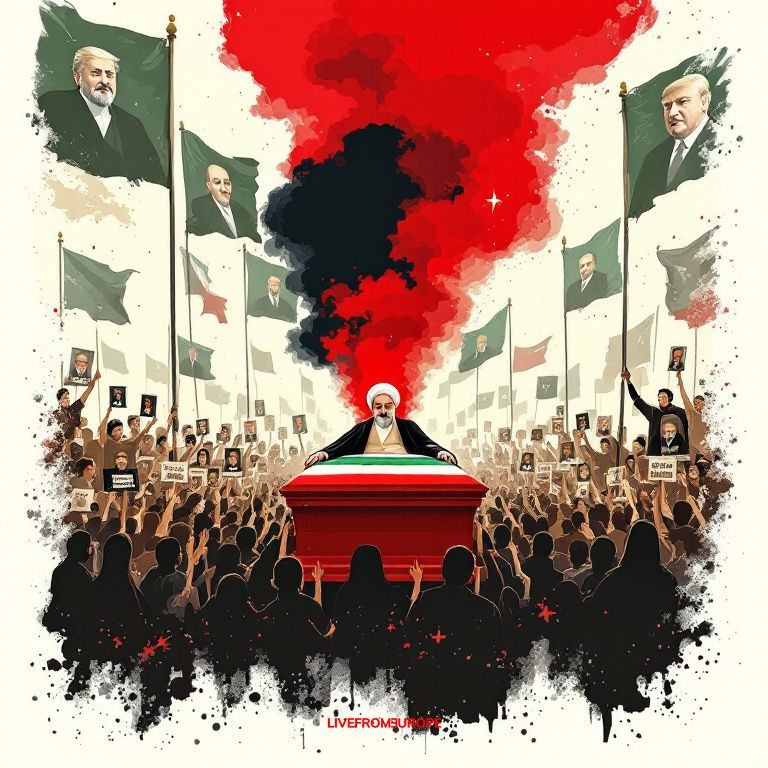
2 months · 3 summary articles
Millions fill Tehran streets as Iran mourns Khamenei in state funeral procession
Iran mourns Khamenei as Britain and Oman demine Strait of Hormuz
Millions mourn as Iran begins week-long state funeral for late Supreme Leader Khamenei
The funeral of Iran’s late Supreme Leader Ali Khamenei on Sunday became a defiant display of national mourning and anti-American rhetoric, as tens of thousands of mourners gathered in Tehran to condemn Washington and vow revenge following his killing in US-Israeli airstrikes on 28 February. The ceremonies, delayed by the month-long conflict that erupted in late February, now serve as a platform for Iran’s new leadership to assert continuity amid political transition.
At the Imam Khomeini Grand Mosalla, crowds waved red flags symbolising vengeance and chanted slogans calling for the death of US President Donald Trump. Mohammad Rasouli, a state-approved poet, declared during a pre-prayer recitation: “From now on the shroud is our garment. I swear by your blood; Trump’s murder is our responsibility.” Khalil Shirgholami, Iran’s ambassador to Armenia, amplified the sentiment on X, stating: “You can kill people, but you can’t kill ideals. You killed Ayatollah Khamenei, but in reality you broke a bottle of perfume, the fragrance of which has now spread everywhere.”
The absence of Khamenei’s son Mojtaba, widely tipped as his likely successor, drew particular attention. While three of his brothers were present, Mojtaba has not been seen in public since the strikes that killed his father, his mother, daughter-in-law, and infant granddaughter. The latter’s tiny coffin became one of the most poignant symbols of the day. Funeral prayers were led by Ayatollah Ja’far Sobhani, a 97-year-old cleric from Qom, but the ceremony honoured four members of the Khamenei family, underscoring the personal and political dimensions of the loss.
Meanwhile, regional tensions over the Strait of Hormuz intensified as Britain announced plans to join Oman in demining the strategic waterway, defying Iran’s recent toll system that bans US and Israeli-flagged vessels. Prime Minister Keir Starmer and French President Emmanuel Macron confirmed the move ahead of next week’s NATO summit in Turkey, framing it as a necessary step to ensure safe passage through waters where Iran has legislated new levies.
Iran’s parliament speaker, Mohammad Bagher Qalibaf, reiterated Tehran’s stance, telling a Chinese delegation that “Iran will not permit any US interference in the Strait of Hormuz.” He also accused Israel of seeking to undermine a recent US-Iran memorandum of understanding.
The funeral unfolded against a backdrop of fragile regional stability. A ceasefire mediated by Pakistan in April halted the month-long US-Israeli campaign that targeted Iranian nuclear sites, including the Arak heavy water plant and Bushehr reactor, but left unresolved questions about Iran’s nuclear ambitions and regional influence. Iranian missile strikes on Kuwait’s airport and a Qatari oil tanker in April underscored the lingering volatility.
Iranian President Masoud Pezeshkian used the occasion to condemn international silence on Israeli actions, telling a Tehran conference that global institutions had failed to prevent aggression while providing political support to Tel Aviv. “The world is no longer a good place for Trump,” he said, echoing the funeral rhetoric.
Against this fraught backdrop, Qatar and Iran announced the immediate resumption of maritime trade, reopening the AlRuwais port to Iranian goods and restoring commercial shipping between the two Gulf states. Iranian state media confirmed the move, signalling tentative steps toward regional economic recovery.
Yet the mood remains cautious. Iran’s central bank is rationing liquidity to defend the rial, with inflation at 57.7% and money supply growth exceeding 53% since the war, according to financial intelligence reports. Public sentiment is similarly uncertain. “We’re just trying to survive,” one Iranian woman told NRK. “Much can still go wrong with the negotiations.”
Follow us for live European news
7 further sources not geolocated

Were all wishing the Iranians some success with that... #Trump #Geopolitics #USA
mastodon bot · about 2 months ago

Au Yémen, les houthistes renforcent leur pouvoir en sattaquant aux tribus À la faveur de laccalmie relative depuis 2022 dans ce pays longtemps ravagé par la guerre, le groupe rebelle pro-Téhéran cherche à asseoir davantage son pouvoir en matant les tribus. Relativement autonomes, ces dernières sont perçues par les houthistes comme un potentiel cheval de Troie dans le conflit qui les oppose au gouvernement internationalement reconnu, explique le site Barran Press.
courrier international · about 2 months ago

Geopolitics of Technology and the Hydrocarbon Status Quo
gdeltproject.org · about 2 months ago

Britain to defy Iran and de-mine the Strait of Hormuz, Starmer says
bluesky_The Times · about 2 months ago

German foreign minister slams Turkish counterparts comments on Israel
news.yahoo.com · about 2 months ago
Foxconn Reports Strong Revenue Growth Despite Global Trade Tensions Taipei, Taiwan, July 05, 2026 – Brussels Morning Newspaper — Global trade tensions remained a key concern after Foxconn reported strong second-quarter revenue growth, fueled by rising demand for artificial intelligence servers and cloud computing equipment. The worlds largest contract electronics manufacturer said sales increased from a year earlier but warned that geopolitical uncertainty and changing trade policies […]
brussels morning · about 2 months ago

US Exit from Iran: Trumps Timeline & Strategic ImpactAnalysis of Trumps Iran withdrawal timeline reveals why rapid exit pledges face operational obstacles. Market data shows 24 ceasefire probability by April 2026. #WorldNews #ForeignPolicy
mastodon bot · about 2 months ago
Avertisment pentru Hezbollah din partea șefului armatei israeliene. În ce condiții vor fi reluate ostilitățile în Liban Şeful armatei israeliene a promis duminică o acţiune „decisivă contra mişcării şiite libaneze Hezbollah, în timpul unei vizite la trupele israeliene din apropierea cetăţii Beaufort din sudul Libanului, informează AFP, preluată de Agerpres. Armata israeliană „va continua să acţioneze de o manieră decisivă împotriva ameninţărilor dinspre teritoriul libanez şi rămâne pregătită să treacă rapid la …
hotnews.ro · about 2 months ago
Israeli intelligence rejected backing Iran nuclear claim: Report Israeli intelligence agencies refused to endorse Prime Minister Benjamin Netanyahus assertion that Irans nuclear program had been completely destroyed, rejecting pressure from his office to validate assessments that officials deemed professionally unsustainable following the 12-day war in June.
yenisafak · about 2 months ago
Turkish president warns war-addicted Israel must not plunge region into bloodshed President Recep Tayyip Erdogan said Israels "war-addicted" government must not be allowed to drown the region in bloodshed again, speaking alongside Pakistani Prime Minister Shehbaz Sharif after talks in Istanbul on Saturday where they addressed regional security and reaffirmed their $5 billion bilateral trade target.
yenisafak · about 2 months ago
Iranian president slams world silence on Israeli actions Masoud Pezeshkian says international institutions have failed to prevent Israeli aggression while providing political support to Tel Aviv, speaking at a Tehran conference commemorating former Supreme Leader Ali Khamenei who was killed in US-Israeli strikes earlier this year.
yenisafak · about 2 months ago
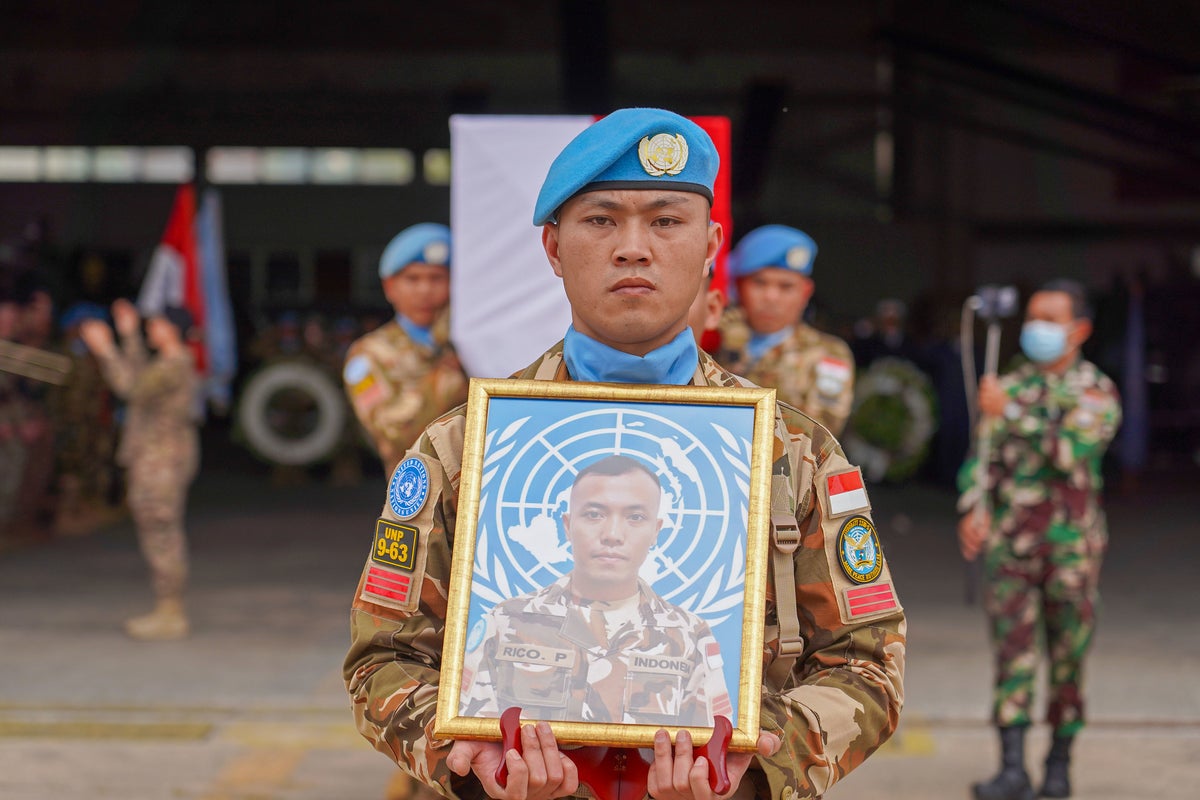
Killed while keeping the peace: UNs blue helmets to leave behind a Lebanon in a tailspin into death and destruction Under terms agreed by the UN Security Council, the blue helmets will begin to withdraw from the war-torn region at the end of this year. Experts tell Oisin Mcilroy that a lack of oversight will see the area plunge further into a cycle of bloodshed
independent · about 2 months ago
Israels Armee hat Kamikaze-Drohnen der Islamisten gewaltig unterschätzt Israel sucht nach effektiven Abwehrmaßnahmen gegen Drohnenangriffe der Hisbollah. Auf einem geheimen Testgelände zeigt die Armee neue Methoden. „Wir müssen viel improvisieren, sagt die israelische Armee.
welt.de · about 2 months ago
Naiset | Nämä bisnesnaiset eivät lopeta, vaikka Taleban haluaa sulkea heidät koteihinsa Ghoncha Karimi pukeutuu joskus mieheksi, jotta voisi hoitaa hunajayritystään Afganistanissa.
helsingin sanomat · about 2 months ago
COMMENT: Why Irans central bank is starving banks of liquidity Irans central bank is squeezing liquidity to defend the rial, meeting under a fifth of banks funding demand as inflation hits 57.7 and money supply growth tops 53 after the war with the US and Israel.
intellinews · about 2 months ago
Entwicklungszusammenarbeit: Protest gegen Kürzungen in internationaler Hilfe
sueddeutsche · about 2 months ago
US voters say Trumps Iran war not worth the cost — FT poll Survey shows conflict is dragging down presidents approval ratings ahead of November midterms
financial times · about 2 months ago
Regional Trade Recovery Advances as Iran and Qatar Resume Maritime Trade Tehran, Iran, July 05, 2026 – Brussels Morning Newspaper — Regional trade recovery moved forward after Iran and Qatar resumed maritime trade, according to Iranian state media. Commercial shipping between the two Gulf nations has restarted following disruptions caused by recent regional tensions. The reopening allows cargo vessels to resume transporting goods between Iranian and Qatari ports, helping […]
brussels morning · about 2 months ago
#UAE #Israel Israel has not publicly confirmed which specific air defense systems it provided to the UAE beyond reporting that an Iron Dome battery was sent along with troops to operate it during the Iran war. Subscribe to @OSINTdefender Chat room
telegram_OSINTdefender · about 2 months ago
#NEW ⚡️🇶🇦🇮🇷 - Qatars Transport Ministry has announced that maritime trade activities are to resume with Iran with immediate effect. Iranian State media has confirmed the reopening of Qatars AlRuwais port to Iranian goods and the resumption of maritime trade.
telegram_GeoPWatch · about 2 months ago
IMEC Plus: How the India-Middle East-Europe Corridor Is Reshaping Global Trade
gdeltproject.org · about 2 months ago

Trumps Iran War: Whats the Exit Strategy?Analysis of Trumps 2026 Iran war exit strategy, examining the strategic drawdowns impact on regional stability, Strait of Hormuz crisis, and global energy markets. #WorldNews #ForeignPolicy
mastodon bot · about 2 months ago
Cum a schimbat războiul Iranul. Noua conducere de la Teheran este mai tânără, mai pragmatică și mai dispusă să își asume riscuri La doar câteva săptămâni după semnarea unui armistițiu între Statele Unite și Iran, Orientul Mijlociu continuă să traverseze una dintre cele mai fragile perioade din ultimele decenii.
adevarul · about 2 months ago
Iran rejects UK-France Hormuz statement, warns against foreign forces Irans deputy foreign minister has rejected a joint UK-France statement on the Strait of Hormuz, warning against any foreign military presence in the waterway and insisting that security rests with the littoral states. He called the statement an adventurism that would bear consequences.
yenisafak · about 2 months ago
Iran: We will not allow US interference in Hormuz Parliament Speaker Mohammad Bagher Qalibaf has declared that Iran will not permit any US interference in the Strait of Hormuz. During a meeting with a senior Chinese delegation in Tehran, he also warned that Israel is seeking to undermine the Iran-US memorandum of understanding.
yenisafak · about 2 months ago

Iran Strike Forces Gulf Aluminum Producer ShutdownIranian strike forces UAE aluminum giant Emirates Global Aluminium to shut down, removing 4 of global supply and triggering 15 price spike in aluminum markets worldwide. #WorldNews #ForeignPolicy
mastodon bot · about 2 months ago
🇺🇸🇮🇱🇮🇷⚡️ — This is what the Iran Electronic Industries (Shiraz Electronics Industries) enterprise in the Iranian city of Shiraz looks like after the US and Israeli bombings. The enterprise is one of the key centers for the development and production of various radio-electronic systems for the Iranian armed forces, specializing in the production of radar systems, electronic warfare systems, and aviation electronics. Judging by the satellite image, the vast majority of buildings have been destroyed or suffered serious damage. @Intelslava
telegram_Intel Slava · about 2 months ago
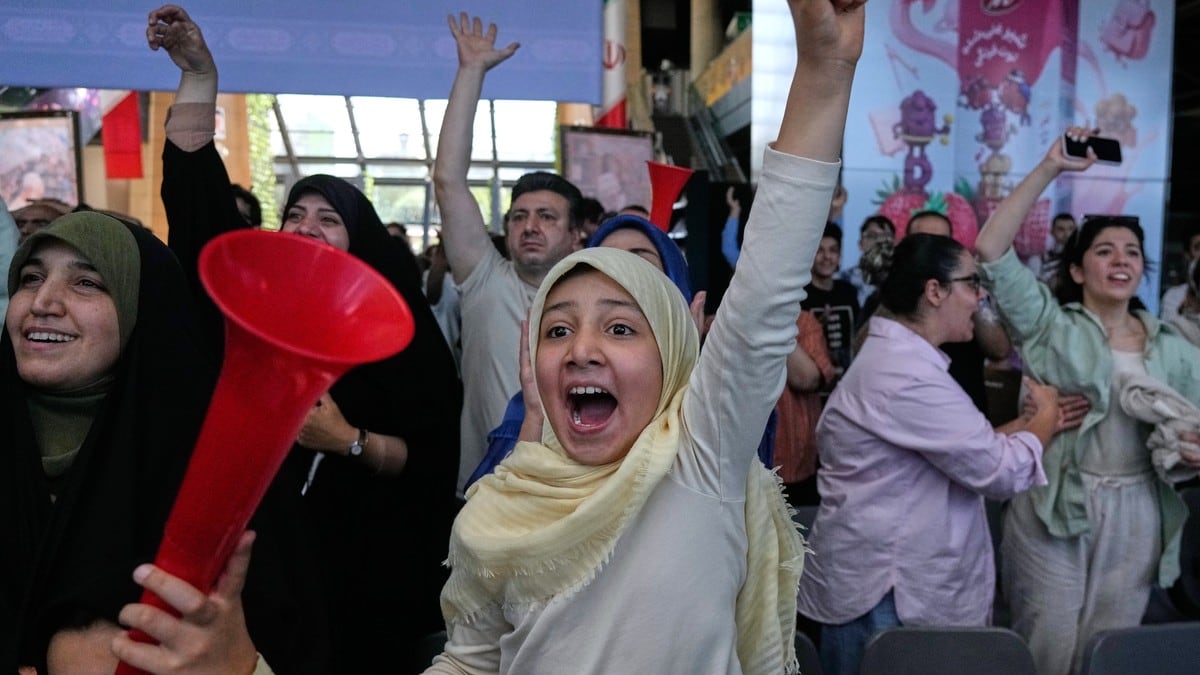
Iranere usikre på om krigen er over: – Vi forsøker bare å overleve Mye kan fortsatt gå galt med forhandlingene, sier flere iranske kvinner til NRK. Men en seier har de oppnådd. I alle fall foreløpig.
nrk · about 2 months ago

Irans Stance on US-Israeli War: No Negotiations?Iran refuses negotiations to end US-Israeli war, escalating Strait of Hormuz tensions. Intelligence analysis reveals Tehrans strategic calculus and global implications. #WorldNews #ForeignPolicy
mastodon bot · about 2 months ago