Loading…
 Saturday, August 29Saturday, August 29
2 months · 8 summary articles
The Baltics’ leisure economy has fully embraced a mobile-first model, with micro-payments now the dominant method for spending on entertainment, transport, and social outings across Riga, Tallinn, and Vilnius. On Friday, 26.06.2026, *The Baltic Times* reported that citizens routinely complete six small phone transactions in a single afternoon—covering coffee, tickets, and livestreams—reflecting a broader shift in how leisure time is monetised.
This transformation extends beyond casual spending. Weekend routines now hinge on mobile apps, with sports nights, cinema outings, and even public transport payments managed through a single device. One screen can simultaneously hold tickets, route planners, chat groups, and streaming links, streamlining social and recreational activities into a seamless digital experience.
The rise of mobile entertainment has also intensified concerns over online safety. As people increasingly purchase livestream access and join fan communities, regulators are re-evaluating security frameworks to address new risks in a cashless, app-driven economy.
Digital entertainment trends are diversifying further. Online slots, for instance, have gained traction as part of the broader shift toward mobile casino gaming, mirroring global patterns in digital leisure consumption.
Meanwhile, social media management tools—now tailored for X—are emerging as essential for individuals and businesses seeking to navigate the fragmented digital landscape. These tools promise to reduce account risks and streamline posting, though selecting the right framework remains a challenge.
The Baltics’ transition to a mobile-first leisure economy, first noted on 22.06.2026, has accelerated rapidly. Micro-payments have replaced traditional cash transactions for transport fares, cinema tickets, and coffee shops, while regulators adapt to the new security demands of an app-centric society. The shift underscores how deeply digital innovation has reshaped daily life in the region.
Follow us for live European news
1 further source not geolocated

Totogaming aduce experiența Cupei Mondiale fanilor din București și de pe litoralul românesc Cupa Mondială este unul dintre cele mai așteptate evenimente sportive ale anului și reprezintă o sărbătoare nu doar pentru fanii fotbalului. De aceea, Totogaming a organizat o serie de evenimente care vor avea loc pe parcursul turneului în locații cheie din București, precum și pe litoralul românesc
adevarul · 2 months ago
Twitter Account Management Tools: A Framework for Choosing What One Actually Needs - The Baltic Times Twitter account management tools, now usually built for X, can save time, reduce account risk, and make posting less messy. The hard part is not......
baltic times · 2 months ago
How Digital Payments Are Changing Leisure Spending in the Baltics - The Baltic Times In Riga, Tallinn or Vilnius, a free afternoon can turn into six small phone payments before anyone notices. Transport, coffee, tickets, a stream......
baltic times · 2 months ago
Why Online Safety Matters More as Entertainment Moves to Mobile - The Baltic Times Mobile entertainment no longer means only music, short videos or games on the bus. People now buy livestream access, join fan communities, pay f......
baltic times · 2 months ago
Sports, Apps and Weekend Spending Habits in Baltic Cities - The Baltic Times In Riga, Tallinn or Vilnius, a sports night usually runs through the phone first. One screen holds the ticket, route, chat, stream link and a fe......
baltic times · 2 months ago
Digital Entertainment Trends: The Continued Rise of Online Slots - The Baltic Times Online slots continue to gain attention as digital casino entertainment grows across the United States. The format fits the broader shift toward......
baltic times · 2 months ago
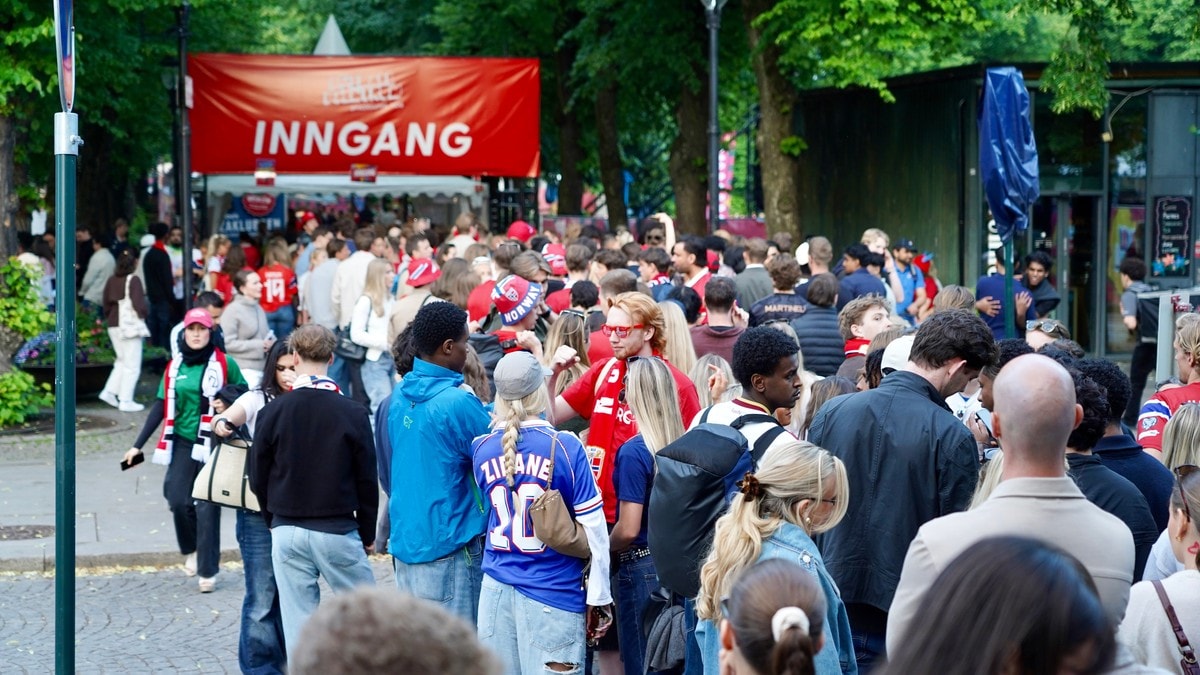
Her kan du se VM uten booking Planlegger du å se Norge og Frankrike ute, men ikke booket bord? Her er et utvalg av steder i ulike byer hvor de har drop-in.
nrk · 2 months ago