
Dutch court upholds ban on US firm's takeover of DigiD login system operator
A Dutch court on Tuesday upheld the government's ban on the takeover of Solvinity, the company behind the Netherlands' DigiD login system, by U.S. firm Kyndryl. The Rotterdam court ruled that the government had acted within legal boundaries and that the ban can remain in place while Solvinity's appeal is considered.
The Dutch government blocked the acquisition in late May over national security concerns. State Secretary Willemijn Aerdts, who oversees digital economy and sovereignty issues, issued the decision based on a report by the Bureau Toetsing Investeringen. Solvinity manages the DigiD system, used by Dutch citizens to access government services, healthcare records, and other sensitive information.
The DigiD system is used by people in the Netherlands to access personal government information from various offices, including tax authorities, benefits programs, and immigration services. It is also used to access patient records from hospitals and connect with insurance providers. Critics raised concerns about a U.S. company potentially accessing confidential information about Dutch citizens or disrupting the system under pressure from U.S. authorities.
The court determined that the ban does not cause irreversible harm to Solvinity and Kyndryl if they have to wait for the appeal decision. Aerdts is due to issue her review of Solvinity's objection by the end of September. The government is now issuing a new tender for the DigiD system to better address sovereignty, defense, and security considerations. News of the takeover caught the Cabinet off-guard, even though the existing DigiD contract was eventually extended.
In the United States, twelve states led by California have filed a lawsuit to block the merger of Paramount Skydance and Warner Brothers Discovery. The states argue that the deal would create a company with excessive market power, harming consumers and workers. The lawsuit is seen as a political move by Democratic officials to curb what they view as unchecked crony capitalism linked to former President Donald Trump.
The states express concerns about reduced competition in the media and entertainment industry, leading to higher prices and fewer choices for consumers. They also highlight potential impacts on workers in the industry.
Meanwhile, Romania's tax agency ANAF is auctioning 773 clothing items confiscated from a company owned by Bianca Drăgușanu. The items were seized in 2024 as part of a tax evasion investigation and will be sold online with photos, descriptions, and starting prices.
In China, Louis Vuitton has filed a lawsuit against the China National Intellectual Property Administration over a trademark dispute involving a Chinese milk tea chain. According to a notice published by the Beijing Intellectual Property Court in May, the lawsuit involves Louis Vuitton Malletier and a Chinese individual, Huang Minyao, as a third party. The French fashion house has been involved in numerous trademark disputes in China this year, with 58 judgments and court summonses published on the country's official court announcement platform. Another 11 trademark infringement cases involving the company are scheduled for hearings between mid-July and the end of August.
Follow us for live European news
- 5
- 2
- 2
- 1
- 1
- 1
- 1
- 1
- 1
- 1
3 further sources not geolocated
Articles

Court: Dutch Cabinet was allowed to ban U.S. takeover of DigiD firm Solvinity The Dutch government has thus far acted within legal boundaries when it blocked the acquisition of Amsterdam firm Solvinity, a Rotterdam judge said in a ruling on Tuesday.
nltimes.nl · about 2 hours ago
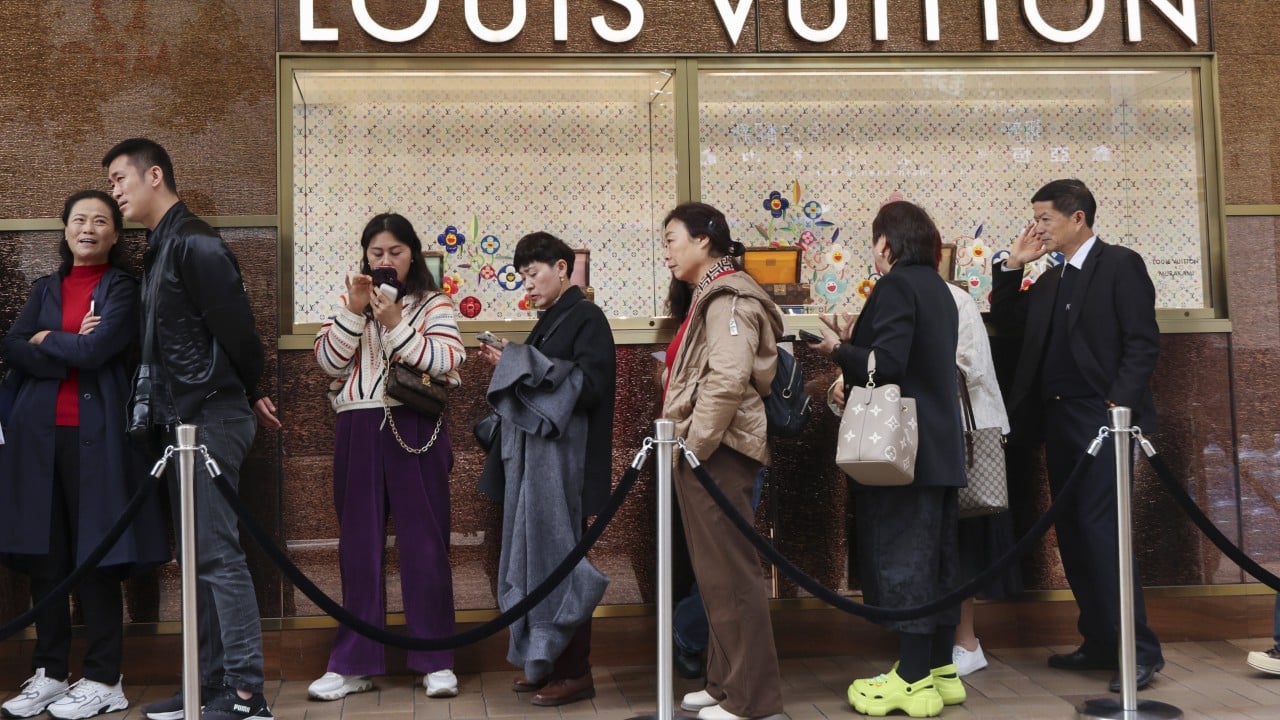
Louis Vuitton takes Chinas trademark regulator to court as legal drive continues Louis Vuitton is set to face off against Chinas trademark regulator in a Chinese intellectual property court on Thursday, as the French luxury brand deals with public backlash in China over a separate legal battle against a local milk tea brand. Louis Vuitton Malletier filed the administrative lawsuit against the China National Intellectual Property Administration (CNIPA), with a Chinese individual – Huang Minyao – joined as a third party, according to a notice published by the Beijing...
south china morning post · about 2 hours ago

Rechtbank laat verbod op overname DigiD-beheerder in stand
trouw · about 2 hours ago
Lieferant: Uber will sich offenbar noch diese Woche mit Delivery Hero einigen Der US-Fahrdienst will einem Medienbericht zufolge bald ein Übernahmeangebot für den Berliner Essenslieferdienst vorlegen. Eine Genehmigung der Kartellbehörden gilt als unsicher.
handelsblatt · about 2 hours ago
Immobilien: Streit um Millionendeal von Aggregate: Insolvenzverwalter will Immobilienverkauf annullieren lassen Als CEO der Immobiliengruppe verantwortete Cevdet Caner den Verkauf im Quartier Heidestraße. Nun sollen Richter klären, ob der Preis angemessen war oder Gläubiger geschädigt wurden.
handelsblatt · about 2 hours ago
Missbrauchsdarstellungen von Buben: Land Tirol stoppt Kauf von Kunstsammlung [premium] Das Land Tirol und die Tiroler Landesmuseen wollten die Sammlung des Kurators Peter Weiermair erwerben. Dazu soll es nach einer Sichtung von Missbrauchsmaterial nun doch nicht kommen.
die presse · about 2 hours ago
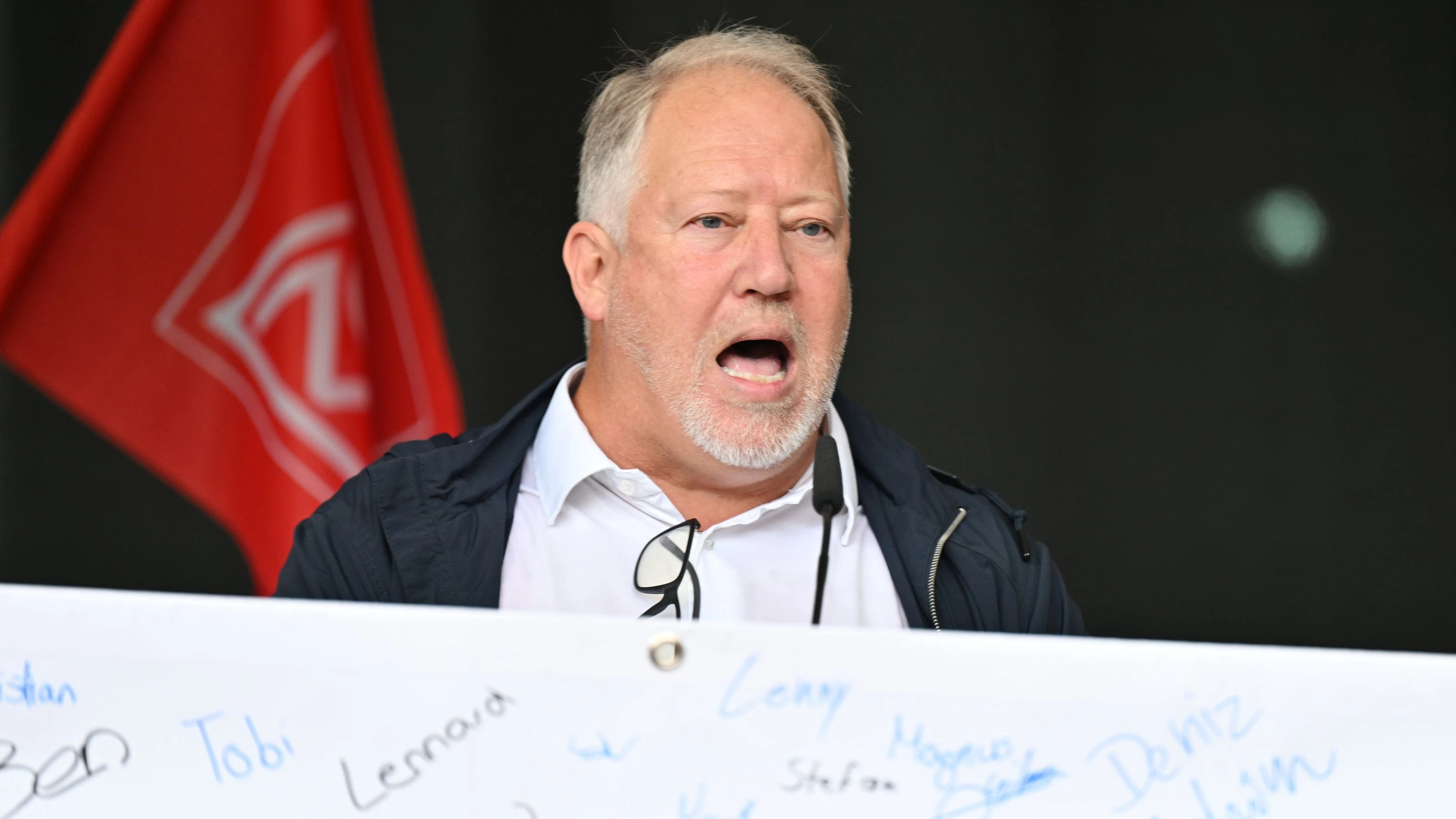
Betriebsversammlung abgebrochen: ZF-Werker pfeifen Vorstand aus Am Stammsitz des Autozulieferers kämpft die Arbeitnehmervertretung gegen die Streichung von übertariflichen Zulagen. Eine Betriebsversammlung am Dienstag muss nach Protesten abgebrochen werden.
faz · about 2 hours ago
Paramounts Warner takeover challenged by 12 US states California is leading the legal charge against one of the worlds biggest media mergers ever. Twelve US states have filed a lawsuit seeking to block Paramount Skydance from acquiring Warner Brothers Discovery – saying the deal would create a company with too much market power and end up harming consumers and workers. The legal challenge is being seen in part as a political proxy battle – with Democratic state officials seeking to rein in what many see as unchecked crony capitalism and corruption based on business leaders proximity to President Donald Trump. Details by Bryan Quinn.
france24 · about 2 hours ago

South Africas iDexis appeals court ruling over compounded weight-loss drugs reut.rs/4w4NZfC
bluesky_Reuters · about 2 hours ago

US state officials fear Paramount-Warner deal will squeeze local movie theaters reut.rs/4vyM3ej
bluesky_Reuters · about 2 hours ago

Irelands DCC set to accept $7.64 billion takeover bid, Bloomberg News reports reut.rs/4plwdSN
bluesky_Reuters · about 2 hours ago

From Breakingviews - Breakingviews - Paramount-WBD lawsuit heads for tragic ending reut.rs/4w2JFO1
bluesky_Reuters · about 2 hours ago
Vaidlus elektri hinna üle lõppes kõnesalvestise kasuks Kas telefoni teel sõlmitud lepingu tingimused olid tarbijale piisavalt selged ja kas elektrivarustuse katkestamine oli õigustatud? Neile küsimustele otsis vastust tarbijavaidluste komisjon ühes vaidluses, mis sai alguse ootamatult suureks kujunenud elektriarvetest.
postimees · about 2 hours ago

TAP volta a perder recurso contra ex-CEO Christine Ourmières-Widener processou em 2023 a TAP depois de ter sido demitida na sequência do caso Alexandra Reis
observador · about 2 hours ago
Rechter houdt verbod op overname Solvinity door Amerikaans bedrijf in stand De rechter heeft het verbod op de overname van het Nederlandse IT-bedrijf Solvinity, het bedrijf achter DigiD, door het Amerikaanse Kyndryl niet geschorst. Daardoor kan de overname voorlopig niet doorgaan.
nu.nl · about 2 hours ago
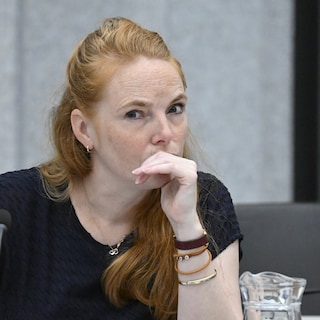
Rechtbank laat verbod op Amerikaanse overname DigiD-beheerder in stand
parool · about 2 hours ago
ANAF scoate la licitație hainele confiscate de la firma Biancăi Drăgușanu. Bunurile au fost ridicate într-un dosar de evaziune fiscală ANAF va scoate la licitație, începând de miercuri, 773 de articole vestimentare confiscate de la societatea Bella Farfallina SRL, deținută de Bianca Drăgușanu. Hainele au fost ridicate în urma perchezițiilor făcute în 2024 într-un dosar de evaziune fiscală, iar fiecare produs va fi prezentat pe platforma online a Fiscului cu fotografii, descriere și preț de pornire.
digi24 · about 2 hours ago

Immobilien vor Gericht: Eine Rücklage ist nur mit klarer Rückführung zulässig Eigentümergemeinschaften dürfen eine Liquiditätsrücklage für unvorhersehbare Ausgaben bilden. Es braucht jedoch eine klare Rückführungsregel.
faz · about 2 hours ago
pressefreiheit: „Ostdeutsche Allgemeine verliert gegen „Volksverpetzer Holger Friedrichs „Ostdeutsche Allgemeine wollte Meinungen über einen seiner Artikel verbieten lassen. Damit ist er vor Gericht gescheitert. So bleibt der Meinungskorridor breit, auch wenn das dem Verleger nicht gefällt.
faz · about 2 hours ago

A troubling precedent: Businesses ask Senate to kill a plan to limit stock buybacks and dividends
news.yahoo.com · about 2 hours ago
State within a State on the BiH Coast: How a 30 million BAM Investment Got Blocked in Neum How is it possible that in Bosnia and Herzegovina, a final and binding judicial verdict, multi-million BAM payments, and a clear land registry certificate are not enough to take over legally purchased property? The hotel Zenit case in Neum is the obvious example of legal absurdity and of a system in which local interests consciously […] The post State within a State on the BiH Coast: How a 30 million BAM Investment Got Blocked in Neum appeared first on Sarajevo Times.
sarajevo times · about 2 hours ago

Lidl retira gelado do Dubai devido a risco alérgico A cadeia de supermercados Lidl retira "Gelado ao Estilo Dubai" do mercado por risco alérgico
observador · about 2 hours ago
Hét év alatt 61 bírságot kapott a gödi Samsung-gyár, összesen 405 millió forint büntetés jött össze Nemcsak veszélyeztette a dolgozóit a gödi Samsung-gyár, de még a tűzvédelmi ellenőröket sem engedte be.
444.hu · about 2 hours ago
Einzelhandel: Discounter Kodi stellt erneut Insolvenzantrag Die Pleitewelle im Einzelhandel reißt nicht ab. Nun ist es der Discounter Kodi, der sich sanieren möchte. Der Geschäftsführer rechnet mit rund 50 Filialschließungen.
handelsblatt · about 2 hours ago
Bývalí zaměstnanci uspěli. Soud poslal výrobce hořických trubiček do konkurzu Spor o insolvenci výrobce podkrkonošských sladkostí skončil ve prospěch jeho věřitelů. Soud rozhodl o úpadku společnosti Hořické trubičky Olča a na její majetek vyhlásil konkurz. Firma ještě na jaře tvrzení věřitelů odmítala a insolvenční návrh označovala za šikanózní.
denik n · about 2 hours ago
Verbod op verkoop van Solvinity, het bedrijf achter DigiD, blijft voorlopig van kracht Het verbod op de verkoop van het bedrijf achter DigiD aan een Amerikaanse koper is voorlopig niet van tafel. Solvinity had om schorsing van het verbod gevraagd. De rechter gaat daar niet in mee – en tikt staatssecretaris Aerdts op de vingers.
nrc · about 2 hours ago
Înghețata stil Dubai cu fistic, retrasă de la vânzare din magazinele Lidl Un lot de înghețată Gelatelli stil Dubai a fost retras de la vânzare din magazinele Lidl din România. ANSVSA avertizează că produsul poate conține nuci caju, motiv pentru care persoanele alergice sunt sfătuite să nu îl consume.
adevarul · about 2 hours ago