
Pakistan airstrikes kill 13 in Afghanistan, including 11 children
Story Timeline
4 months · 2 summary articles
Families bury 14 Indian sailors killed in US strike as grief fuels protests
Pakistan airstrikes kill 13 in Afghanistan, including 11 children
At least 13 civilians, including 11 children, were killed in Pakistani airstrikes on Afghanistan’s eastern border provinces on Tuesday night, the Taliban-run government in Kabul said on Wednesday, marking the deadliest cross-border strikes since the two countries ended hostilities in late February.
The overnight raids targeted the provinces of Kunar, Khost, and Paktika, according to Afghan officials and local reports. Taliban authorities said the strikes hit civilian areas, killing 13 people and wounding dozens more. Afghan health workers in the affected regions reported that most of the dead were women and children, with 11 minors among the fatalities . The Afghan government summoned Pakistan’s chargé d’affaires in Kabul on Wednesday to protest the attacks, calling them a “blatant violation” of sovereignty and demanding an immediate explanation .
Pakistan has not yet issued a formal response, but military sources in Islamabad have previously justified cross-border strikes as necessary to target Tehreek-e-Taliban Pakistan (TTP) militants, who have claimed responsibility for attacks inside Pakistan. The TTP, an offshoot of the Afghan Taliban, has intensified its campaign against Pakistani security forces in recent months, prompting Islamabad to warn Kabul of unilateral action if Afghan soil continues to be used for militant operations .
The strikes come amid a fragile truce between Pakistan and Afghanistan, brokered in February after weeks of deadly border clashes. Since then, sporadic violence has persisted, with both sides accusing each other of harboring militants. Afghan officials said the latest raids were the most lethal since the truce took effect, raising fears of a renewed escalation .
Local residents in the targeted provinces described chaotic scenes, with families searching for survivors in rubble-strewn villages. “We heard the planes around midnight,” said a resident of Khost province who asked not to be named. “When the dust settled, we found bodies—mostly children—under the debris.” Afghan health authorities reported that at least 20 others were injured, some critically .
The international community has yet to react publicly, but diplomats in Kabul expressed concern that the strikes could undermine fragile stabilization efforts in the region. The United Nations Assistance Mission in Afghanistan (UNAMA) has previously warned that civilian casualties from cross-border violence remain a “serious and persistent” issue .
As tensions rise, the Afghan Taliban government has called for an emergency meeting of the Organization of Islamic Cooperation (OIC) to address the strikes. Meanwhile, Pakistan’s foreign ministry has remained silent, leaving regional observers to question whether the latest violence signals a breakdown of the February truce—or a dangerous new phase in the long-running conflict.
Follow us for live European news
- 1
- 1
- 1
- 1
- 1
- 1
- 1
Articles

#Pakistan #Afghanistan Recent airstrikes by Pakistan in Afghanistan have reportedly killed at least 18 people, including women and children. The strikes targeted alleged militant camps and have drawn condemnation from the Afghan government, which claims they hit civilian areas. Subscribe to @OSINTdefender Chat room
telegram bot · 4 months ago
Afganistan hlási 13 obetí po pakistanských útokoch Nočné nálety pakistanskej armády na afganské provincie Kúnar, Chóst a Paktíka si podľa Talibanu vyžiadali životy žien a detí. Zranení sú desiatky civilistov.
aktuality.sk · 4 months ago
Afghanistan says Pakistan air raids killed 13 people, including children No immediate comment from Pakistan as Taliban says 11 children are among the dead in strikes on border provinces.
aljazeera · 4 months ago
Polícia v Afganistane rozohnala demonštráciu za práva žien v Heráte Muži v afganskom Heráte demonštrovali proti zásahu mravnostnej polície Talibanu voči ženám bez čádoru či burky. Protest podľa svedkov prerástol do násilností.
aktuality.sk · 4 months ago
Afghanistan: Afghanistan wirft Pakistan Luftangriffe vor Zwischen Pakistan und Afghanistan gibt es seit Ende Februar Grenzkämpfe. Nach afghanischen Angaben hat Pakistan erneut Luftangriffe geflogen. 13 Menschen seien gestorben.
die zeit · 4 months ago
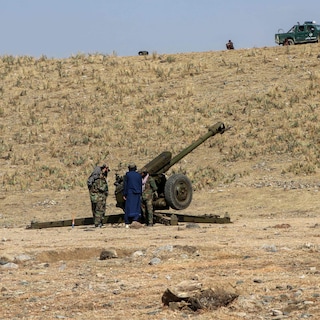
Elf kinderen gedood bij Pakistaanse aanvallen in Afghanistan, zeggen taliban
de morgen · 4 months ago
Afghanistan: Pakistansk luftangreb koster mindst 13 personer livet
dr.dk · 4 months ago
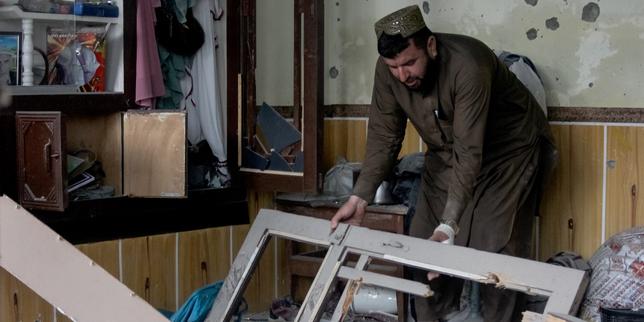
Au moins 13 civils tués en Afghanistan lors de frappes pakistanaises Ces frappes à la frontière entre les deux pays sont les plus meurtrières depuis des semaines et la fin de la guerre. Le Pakistan accuse son voisin daccueillir des combattants du mouvement des talibans pakistanais, lesquels ont revendiqué des attaques sur leur sol.
le monde · 4 months ago
Zemetrasenie na Filipínach si vyžiadalo už 46 mŕtvych. Hlásia stovky zranených a desiatky nezvestných Zemetrasenie s magnitúdou 7,8 na juhu Filipín si vyžiadalo najmenej 46 mŕtvych a stovky zranených. Záchranné tímy stále pátrajú po nezvestných ľuďoch.
aktuality.sk · 4 months ago
Afghanistan: Afghanistan wirft Pakistan Luftangriffe vor Zwischen Pakistan und Afghanistan gibt es seit Ende Februar Grenzkämpfe. Laut afghanischen Angaben hat Pakistan das Land erneut aus der Luft angegriffen.
die zeit · 4 months ago