Loading…
 Saturday, September 26Saturday, September 26
3 months · 4 summary articles
NATO Summit in Ankara Tests Alliance Unity as Trump Demands Loyalty and Higher Defense Spending
ANKARA — The NATO summit in Ankara opens Tuesday against a backdrop of deepening fault lines, as U.S. President Donald Trump arrives to press allies for immediate increases in defense spending and a renewed push to end Russia’s war in Ukraine. Trump’s agenda—outlined by White House spokeswoman Anna Kelly—includes bilateral meetings with Turkish President Recep Tayyip Erdogan, Ukrainian President Volodymyr Zelenskyy, and Syrian President Ahmed al-Sharaa, signaling the summit’s dual focus on transatlantic burden-sharing and regional security crises .
The summit, hosted by Erdogan, will convene at a moment of acute tension. NATO ambassadors have already finalized a declaration labeling Russia a direct threat to Euro-Atlantic security, while European leaders scramble to meet Trump’s demands for tangible progress on defense commitments . U.S. Ambassador to NATO Matthew G. Whitaker emphasized that the alliance must not only meet its 5% GDP defense spending target—agreed at last year’s Hague summit—but do so “as soon as possible” in a “very dangerous world” .
Trump’s meeting with Zelenskyy on Wednesday is framed as a diplomatic urgency to end the frozen battlefield in Ukraine, where neither side has made significant advances in months. A senior U.S. official described the talks as a “real sense of urgency” to halt the conflict, adding that Trump would likely follow up with Russian President Vladimir Putin after consulting Zelenskyy . The White House has also confirmed Trump’s 90-minute call with Putin on Saturday, during which Trump offered to mediate an end to the war .
Yet the summit’s most contentious issue remains burden-sharing. Whitaker noted that while NATO allies have committed nearly $139 billion in additional defense spending since 2023—with half directed toward U.S.-made equipment—progress is uneven. Poland, the Nordic countries, and the Baltic states lead the effort, while Germany is on track to reach the 5% target by 2029 . European officials, speaking anonymously, expressed hope that Trump’s rapport with Erdogan and NATO Secretary General Mark Rutte would mitigate tensions, but lingering transatlantic bitterness over the U.S.-Israeli war in Iran and Trump’s repeated criticism of NATO cast a shadow over proceedings .
The summit’s draft declaration includes a €70 billion ($80 billion) annual military aid package for Ukraine for 2026 and 2027, with EU commitments covering part of the total, leaving NATO members to collectively fund the remainder . However, political divisions persist: France has resisted fixed GDP-based quotas, favoring voluntary contributions and political pressure instead .
Turkey, hosting its first NATO summit in 22 years, has positioned itself as a critical security producer rather than a consumer, with Erdogan chairing the North Atlantic Council and hosting a leaders’ reception . Analysts suggest Ankara’s growing defense industry and strategic location may further elevate its role as U.S. military commitments in Europe face scrutiny .
As Trump departs Ankara on Wednesday evening, the summit’s outcome will hinge on whether Europe can translate increased spending into tangible military capabilities—and whether Trump’s demands for loyalty, not just financial contributions, reshape NATO’s future. The alliance’s unity, already strained by Trump’s unpredictability, now faces its most critical test in Ankara.
Follow us for live European news

Trump sets NATO agenda for Ankara summit - Mangalorean.com
gdeltproject.org · 3 months ago
NATO leaders look for unity as Trump attends annual summit
gdeltproject.org · 3 months ago
NATO countries economies and defense spending The North Atlantic Treaty Organization (NATO), which set out in 1949 with 12 founding members against the Soviet threat, is today experiencing a period of its highest budget and widest borders with 32 members. So, on the eve of this weeks critical leaders summit in Ankara, what is the state of the Alliances economic strength, internal dynamics, and defense spending? A Defense Partnership from the Baltic to the Mediterranean Founded in 1949 with the US, the United Kingdom, France, Italy, Canada,
yenisafak · 3 months ago
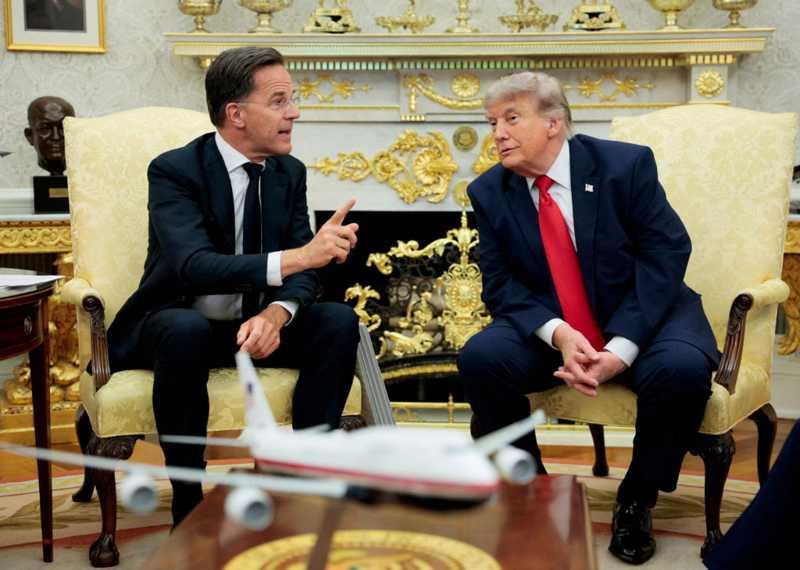
NATO chief faces challenge at summit as Trump demands loyalty and not just burden-sharingSince he started work as NATO secretary-general almost two years ago, Mark Rutte has spent much of his time trying to keep the United States anchored to the worlds biggest military alliance. #News #NATO #Trump #Rutte
mastodon bot · 3 months ago
Allies in Ankara event to run alongside NATO summit Türkiye will host the Allies in Ankara programme on the sidelines of the NATO summit, featuring 45 side events with senior officials and international stakeholders. The two-day event at Ankara Palas will cover defence, security, technology, and regional developments, including Ukraine, the Black Sea, and the Middle East.
yenisafak · 3 months ago
Trump to meet leaders of Ukraine, Syria at NATO summit U.S. President Donald Trump will meet with Ukrainian President Volodymyr Zelenskyy while in Turkey this week for a NATO summit to make a renewed push to end the…
japantoday · 3 months ago
Trump to meet Zelenskyy, Syrias Sharaa during Ankara NATO summit President Donald Trump will hold bilateral meetings with Ukrainian President Volodymyr Zelenskyy and Syrian President Ahmad al‑Sharaa during the NATO summit in Ankara. He will also meet Turkish President Erdoğan on Tuesday evening before joining working sessions on Wednesday.
yenisafak · 3 months ago
US official: US takeover of Greenland is only solution An unnamed US official stated ahead of Tuesdays NATO summit in Ankara that the US still believes an American takeover of Greenland is the only solution to address long-term security risks and meet NATOs defense needs. US President Donald Trump has repeatedly floated the idea of acquiring Greenland, which both Denmark and Greenland have rejected, […]
cphpost · 3 months ago
Türkiye to host NATO Summit for first time in 22 years Türkiye will host the 36th NATO Summit in Ankara next week for the first time in 22 years, bringing together leaders from 32 member states and Indo-Pacific partners in a high-stakes gathering focused on burden-sharing, defense cooperation, and the alliances role in an era of strategic uncertainty.
yenisafak · 3 months ago
NATO summit in Ankara to address defense spending, Euro-Atlantic threats Türkiyes Communications Director Burhanettin Duran said NATO leaders will convene in Ankara on July 7-8 to examine defense investment plans and Euro-Atlantic security challenges, as first lady Emine Erdogan will host a reception for visiting leaders and President Recep Tayyip Erdogan chairs the North Atlantic Council meeting the following day.
yenisafak · 3 months ago
Lithuania hails Türkiye as key NATO ally with strong military Lithuanian Prime Minister Inga Ruginiene praised Türkiye as an important NATO ally with strong military capabilities and strategic geographic position, highlighting Vilniuss appreciation for Ankaras contributions to Baltic security ahead of the alliances summit in Ankara.
yenisafak · 3 months ago
Turkish communications director highlights gastrodiplomacy ahead of NATO summit Communications Director Burhanettin Duran hosted international journalists in Ankara, presenting Türkiyes culinary heritage as a strategic diplomatic tool ahead of the NATO summit. He emphasised that shared meals can convey more than formal documents, while international reporters praised Turkish hospitality and the nations pivotal role in regional security.
yenisafak · 3 months ago

South Korea President Lee heads to NATO summit with eye on worlds largest defence market – Asia News Network #Europe #NATO
mastodon bot · 3 months ago
NATO envoys stress unity, solidarity ahead of Ankara summit Ambassadors from Italy, the Netherlands, Poland, Bulgaria and Latvia emphasized collective defense commitments and transatlantic cooperation ahead of the July 7-8 gathering in Ankara, where allies will address defense spending and regional security threats.
yenisafak · 3 months ago
Erdogan, Carney discuss bilateral ties and upcoming NATO summit President Recep Tayyip Erdogan told Canadian Prime Minister Mark Carney that Ankara and Ottawa are working to elevate bilateral cooperation across trade, security and energy sectors, voicing hope that the upcoming NATO summit in Türkiye would reinforce allied solidarity and regional stability.
yenisafak · 3 months ago
Trump tells Putin US ready to help end Ukraine war The Kremlin said late Saturday that US President Donald Trump reaffirmed his readiness to facilitate an end to the war in Ukraine during a phone call with Russian President Vladimir Putin, noting that the leaders also discussed the upcoming NATO summit in Ankara and efforts to de-escalate tensions with Iran.
yenisafak · 3 months ago
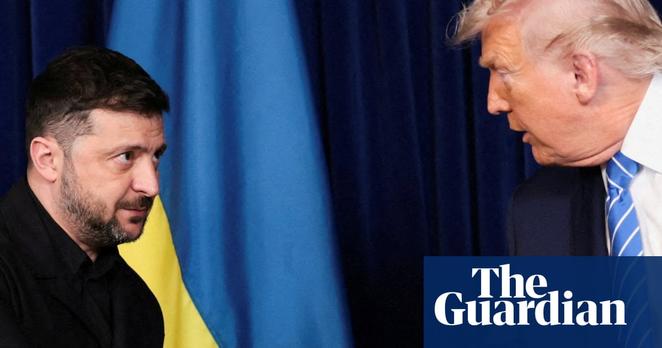
Ukraine war briefing: Trump to meet Zelenskyy at Nato summit as US says battlefield progress frozen #UkraineUkraine war briefing: Trump to...
mastodon bot · 3 months ago
World Insights: NATO faces deepening fault lines ahead of Ankara summit
gdeltproject.org · 3 months ago
NATO Summit In Ankara Puts Alliance Unity And Trumps Commitment To The Test
gdeltproject.org · 3 months ago
Trump heads to NATO summit to meet Zelenskyy, face wary allies
gdeltproject.org · 3 months ago
Trump sets NATO agenda for Ankara summit
gdeltproject.org · 3 months ago
Turkiye gears up for its first NATO summit in 22 years Leaders of the NATO member states are expected in Turkiye by July 7 for a summit - the first it will host in 22 years.
aljazeera · 3 months ago
NATO Zirvesi neden önemli , Ankarada hangi kararlar alınabilir ?
gdelt bot · 3 months ago
Zelenskyy, wary allies await Donald Trump at NATO summit in Turkey
gdeltproject.org · 3 months ago
Trumps krav på Nato: Jag vill bara ha lojalitet För generalsekreteraren Mark Rutte råder det ingen brist på utmaningar inför Natos toppmöte i Turkiet i nästa vecka.Efter att ha krävt högre försvarsbudget av andra medlemsländer kräver USA:s president Donald Trump nu lojalitet av sina allierade – annars hotar han återigen att lämna alliansen.
svenska dagbladet · 3 months ago
First money, now loyalty: US demands shift ahead of NATO summit in Turkey
gdeltproject.org · 3 months ago
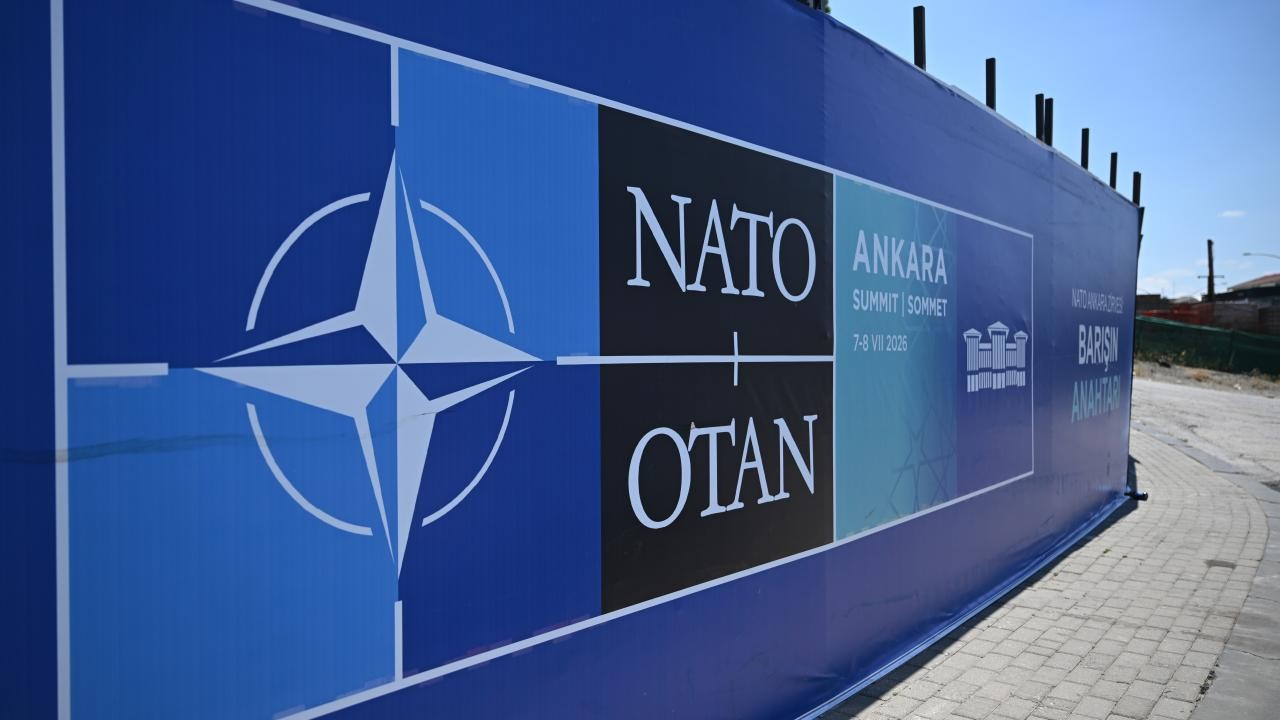
NATO Zirvesi kapsamında Müttefikler Ankarada Programı düzenlenecek
gdelt bot · 3 months ago

⚡️Trump, Zelensky to meet on sidelines of NATO summit in Turkey, US official says. U.S. President Donald Trump will meet with President Volodymyr Zelensky on the sidelines of the NATO summit in Turkey as part of a renewed effort to end Russias war against Ukraine.
bluesky_Kyiv Independent · 3 months ago

Trump spotka się z Zełenskim podczas szczytu NATO w Ankarze. Ale głównym celem USA będzie "rozliczenie sojuszników" Podczas szczytu NATO w Ankarze prezydent USA Donald Trump zamierza sprawdzić postępy sojuszników w sprawie zwiększania wydatków obronnych. Z kolei spotkanie z prezydentem Ukrainy Wołodymyrem Zełenskim ma służyć rozmowie o zakończeniu wojny, którą Trump "uznał za swój wieloletni priorytet".
gazeta.pl · 3 months ago
Opinion | The Elephant at the NATO Summit A U.S. troop withdrawal from Europe is a dangerous signal to Vladimir Putin.
wsj · 3 months ago