 Thursday, May 21Thursday, May 21
US-Iran tensions and stalled negotiations The US and Iran remain deadlocked in negotiations, with key issues unresolved despite recent diplomatic efforts. Tehran has demanded the lifting of sanctions as part of any peace deal, while the US insists Iran must end its nuclear program—a condition Iran has refused to accept . President Trump described the talks as "very positive" but acknowledged that both sides remain far apart . Analysts suggest Trump’s strategy of applying maximum pressure has not yielded concessions from Iran .
Military posturing and threats Trump has repeatedly warned that the US could launch further military strikes against Iran, though he claims Tehran is "begging for a deal" . He postponed a planned attack on Iran at the request of Gulf allies, including the UAE and Saudi Arabia, who urged restraint to avoid escalation . Iran has responded with threats of its own, warning it will "open new fronts" against the US if attacks resume, including potential retaliation against US interests beyond its borders .
Strategic warnings and regional dynamics Trump claimed that Chinese President Xi Jinping assured him China would not supply weapons to Iran, though this assertion has not been independently verified . The US president also warned Iran that it had "two or three days" to reach a deal to reopen the Strait of Hormuz, a critical chokepoint for global oil shipments . Meanwhile, Iran’s military spokesperson stated that any new aggression would trigger an expanded response, framing the conflict as a defense against "Zionist" (Israeli) influence . The 81st day of the conflict saw renewed momentum in talks, but Iran reiterated it would not "surrender" to US demands .
> Background: **Trump delays Iran strike as Gulf states push for nuclear deal talks.** — *11 hours ago*
More LFE coverage on this topic

Replay: Trump addresses Iran war and FRANCE 24s analysis Rewatch as Trump addresses Cuba and the war in Iran amid stalled talks between Washington and Tehran, and analysis from FRANCE 24.
france24 · 1 day ago
Trump claims Xi will not arm Iran as strike threat looms US president warns Tehran has two or three days to reach a deal and reopen the Strait of Hormuz
financial times · 1 day ago

Trump says US may attack Iran again but that Tehran wants deal
news.yahoo.com · 1 day ago
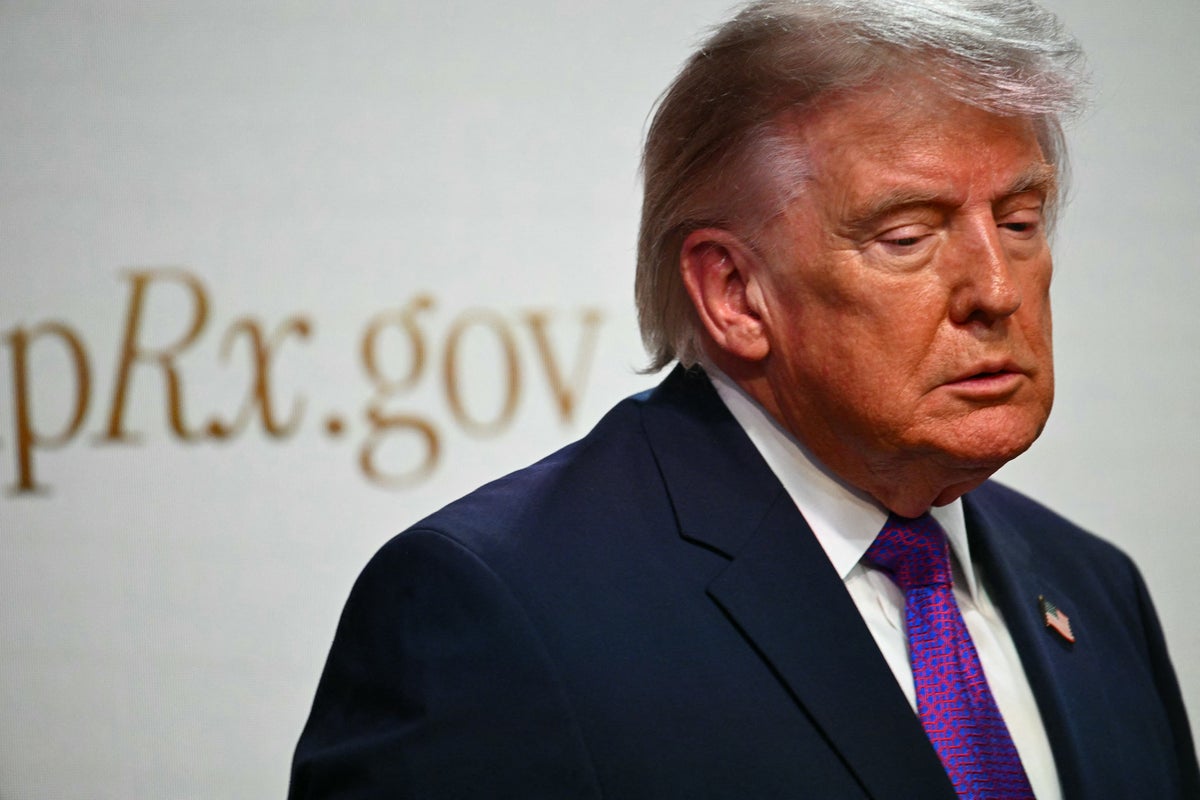
Iran-US war latest: Trump claims Tehran is begging for a deal but we may need to give them another big hit Both sides remain far apart on key issues after the US called off planned strikes following a request from Gulf allies
independent · 1 day ago
Iran-US war latest: Tehran threatens to open new fronts against US if Trump launches fresh strikes Both sides remain far apart on key issues after the US called off planned strikes following a request from Gulf allies
independent · 1 day ago
Trump says Iran attack on hold: What we know about latest negotiations Tehran said its demands for peace include lifting sanctions against Iran but other sticking points likely to remain.
aljazeera · 1 day ago
Middle East crisis live: Iran warns it will open new fronts against US if attacks resume after Trump suspends strikes The US president said he called off a planned attack on Iran on Tuesday so that peace talks could continueFull report: Trump claims planned attack on Iran postponed after Tehran makes new proposal to end warIrans army has warned it would open new fronts against the US if it resumes attacks on the country amid reports that Donald Trump is weighing up restarting military operations in Iran amid an impasse in negotiations.If the enemy is foolish enough to fall into the Zionist trap again and launches new aggression against our beloved Iran, we will open new fronts against it, with new equipment and new methods, army spokesperson Mohammad Akraminia said, according to Irans ISNA news agency. Continue reading...
theguardian · 1 day ago
Trump says holding off on strike on Iran at request of Gulf allies After issuing thinly veiled threats against Iran over the weekend, US President Trump appeared to strike a different tone on May 18. He described ongoing peace talks with Tehran as very positive and even claimed he had paused a planned US military strike.
france24 · 1 day ago
Stalled US-Iran talks show Trumps strategy of pressure is not paying off Late on May 18, Donald Trump said he had called of strikes on Iran following advice from Gulf countries. This comes amid stalled talks between the US and Iran, with neither party willing to compromise on their demands. FRANCE 24s Kethevane Gorjestani looks at where the talks stand, and where the Gulf countries interests lie after weeks of conflict.
france24 · 1 day ago
Iran-US war latest: Tehran refuses to back down on Trumps demand to end nuclear programme in latest peace proposal Both sides remain far apart on key issues after the US called of planned strikes following a request from Gulf allies
independent · 1 day ago
Iran war day 81: Trump delays attack; Tehran says wont surrender US president says he held off a scheduled attack on Iran after pressure from Gulf allies as renewed talks gain momentum.
aljazeera · 1 day ago