Loading…
 Wednesday, September 9Wednesday, September 9
Rising temperatures driven by climate change are reshaping plant biodiversity on European mountain peaks, with warmer conditions pushing new species upward while native alpine flora face extinction, according to a study published Thursday in *Science*.
Researchers tracked vegetation changes at 62 mountain summits across 16 European ranges, including the Alps, Sierra Nevada and Caucasus, between 2001 and 2022. Surveys conducted every seven years revealed that plant species from lower elevations are migrating upward as temperatures rise, increasing overall species counts on peaks. However, cold-adapted species already at the highest elevations have nowhere to retreat and are disappearing, said Jonas Lembrechts, an ecologist at Utrecht University and co-author of the study.
Each plant species thrives within a specific temperature range, and as warming alters these zones, species at the lower edge of their habitat vanish from those areas. “Plants from lower down the mountain suddenly find the summit pleasant, so they move up,” Lembrechts explained. “But for species already at the top, there’s no escape from the heat.” The phenomenon, dubbed the “escalator to extinction,” has previously been observed in mountain bird species forced into ever-shrinking habitats.
The study is among the few to examine alpine vegetation at this scale, requiring fieldwork rather than satellite imagery to distinguish species. While the greening of mountain peaks may appear positive, Lembrechts noted that the loss of cold-dependent species offsets the gains, reducing overall biodiversity .
Follow us for live European news

Väder: Smyghöst på ingång – då vänder det Hösten smyger allt närmare. I helgen och nästa vecka väntar blåst och regn i stora delar av Sverige.– Det kan upplevas mer som höst, säger SMHI:s meteorolog Magnus Nilsson Sangrud.
expressen · 5 days ago
Záver pracovného týždňa bude oblačný, ale relatívne teplý Od juhozápadu až západu bude zasahovať do karpatskej oblasti výbežok tlakovej výše. Po jeho severnom okraji postúpi v brázde nízkeho tlaku cez strednú Európu ďalej na východ teplý front.
aktuality.sk · 5 days ago
Op opwarmende bergtoppen groeien meer planten, maar de soorten die er al waren verdwijnen juist Door klimaatverandering doen steeds meer plantensoorten hun intrede op Europese bergtoppen. Maar wat gebeurt er met de soorten die juist van de kou houden?
nrc · 5 days ago

Especialista diz que "verão calmo" explica menos área ardida Embora o verão tenha arrancado com resultados menos animadores, a chuva de agosto alteraram o cenário
observador · 5 days ago
Portugal entre o clima que sempre mudou e o clima que estamos a alterar A questão essencial não é saber se o clima mudou — sempre mudou. A verdadeira questão consiste em perceber se mudou a velocidade dessa mudança e quais são hoje os mecanismos que a controlam. Opinião de P. Proença Cunha
publico · 5 days ago
Cum pot ajuta oile la stoparea topirii ghețarilor din Alpi: proiectul unor studenți elvețieni În timp ce Elveţia se luptă să ţină sub control topirea gheţarilor, cercetătorii săi desfăşoară un experiment neobişnuit în Alpi pentru a vedea dacă una dintre resursele naturale mai puţin apreciate ar putea fi de ajutor: lâna de oaie, relatează Reuters.
digi24 · 5 days ago
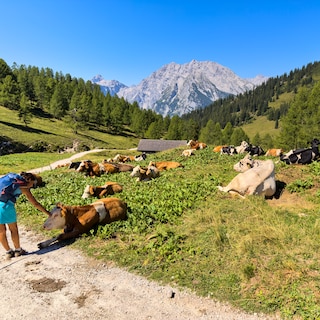
Bergtoppen worden groener maar minder biodivers
de morgen · 5 days ago
Klassiker som blir bättre med åren Bland höstens grönaste vinval hittar vi både vita och röda favoriter. Här är åtta tips.
svenska dagbladet · 5 days ago
Sju generationer av tebjudning När temperaturen sjunker smakar värmande te och söta scones som bäst. Här är fem platser i Stockholm…
svenska dagbladet · 5 days ago
Tugevad sajuhood ja äike liiguvad üle Eesti, paiguti võib tulla kuni 40 mm sademeid Liivi lahe piirkonnast algav tugev vihmasadu levib täna öösel ja reede päeval üle Eesti kirdesse, kohati on äikest, hoiatab keskkonnaagentuur.
postimees · 5 days ago