 Tuesday, June 23Tuesday, June 23
Historic Cypriot art and rare textiles drew robust international demand at the Cypria Auctions Summer Sale on 17 June at Gallery K in Nicosia, with multiple lots surpassing pre-sale estimates and confirming the island’s cultural market as a magnet for collectors. The sale, which concluded last week, featured a portrait of Otto of… and works by Loukia Nicolaidou-Vassiliou, whose painting realised €5,500 against an estimate of €950–€1,500. Nicolaidou-Vassiliou, one of Cyprus’s first women painters, underscored the sale’s emphasis on historically significant yet under-appreciated Cypriot artists.
Rare eighteenth-century embroideries from Skyros, Naxos and Siphnos achieved a 100 per cent sell-through, highlighting sustained collector interest in Greek-island textile traditions and material culture. The three lots, selected for their rarity, historical importance and scholarly documentation, were among the most closely watched ahead of the auction.
The strong results follow earlier reports that Cypria Auctions’ Summer Sale attracted bidders from Cyprus and abroad, with several works significantly exceeding their pre-sale estimates. The auction house’s focus on Cypriot art and historical artefacts appears to be resonating in a market where provenance and cultural significance increasingly drive value.
The sale’s success comes amid broader efforts to position Cyprus as a cultural and economic hub. Earlier this month, Cypriot startups showcased the island’s growing technology and innovation profile at the VivaTech 2026 exhibition in Paris, coordinated by the Ministry of Energy, Commerce and Industry through its Paris Trade Centre . Meanwhile, the Cyprus Presidency of the Council of the European Union is preparing to host a High-Level Conference in Paphos on 26 June, titled Strengthening EU Islands and Coastal Communities, which will bring together EU leaders to discuss sustainable development for island and coastal regions .
Researchers at the AKTI Project and Research Centre emphasised that concerns over microplastics on Cyprus beaches are not new, noting systematic scientific monitoring since 2022. The centre pushed back on recent media reports calling for emergency meetings, stating that continuous sediment sampling has documented microplastic presence for years .
3 further sources not geolocated

Cyprus microplastics not a new problem, research centre says Microplastics on Cyprus beaches have been documented for years, the AKTI Project and Research Centre said, pushing back on media reports of a new detection and calls for emergency meetings on the issue. AKTI said it has conducted systematic scientific research into microplastic presence on Cyprus beaches since 2022, carrying out continuous sediment sampling at […]
in-cyprus · about 3 hours ago
Historic objects, Cypriot art and rare textiles attract Strong collector interest at Cypria Auctions Strong results were recorded across historical artefacts, Cypriot art and rare textiles at Cypria Auctions Summer Sale, held on 17 June at Gallery K in Nicosia. The sale attracted interest from collectors in Cyprus and abroad, with several works significantly exceeding their pre-sale estimates. Among the most notable results was a portrait of Otto of […]
in-cyprus · about 3 hours ago
Report finds Cyprus road deaths on the decline despite increase last year Cyprus has recorded a 13.5 per cent reduction in road fatalities between 2019 and 2025 but saw an increase in deaths in 2025, according to a European Transport Safety Council (ETSC) report published on Tuesday. The findings show Cyprus remains below the EU average in overall improvement, while also experiencing a reversal in short term […]
cyprus mail · about 3 hours ago
AJAKAVA ⟩ Kreeka ralli: algab hirmus pikk, vaid kruusal sõidetav MM-hooaja teine pool Autoralli MM-hooaeg ületab ekvaatori, kaheksas etapp peetakse kivistel Kreeka teedel. Nagu ikka, vahendab Postimees otseblogis nii Rally1 klassi, aga ka aste madalamal kihutavate eestlaste käekäiku.
postimees · about 3 hours ago

Crónico. A nova rubrica da secção DOR que dá voz aos doentes Demos um passo em frente na segunda temporada da secção Dor. Criámos uma nova rubrica, em vídeo, com testemunhos na primeira pessoa sobre dor crónica. Mónica Rebelo é a primeira protagonista.
observador · about 3 hours ago
Greece, Interview poll: ND-EPP: 31 (-1) ELAS-*: 16 PASOK - KINAL-S&D: 14 EL-ECR: 8 EgtD-*: 6 (-2) KKE-NI: 5 FL-PfE: 4 PE-NI: 3 MeRA25~LEFT: 3 (+1) DPK-RE: 2 SYRIZA-LEFT: 1 Niki-NI: 1 (+1) NA-LEFT: 0 +/- vs. 03-08 June 2026 Fieldwork: 17-22 June 2026 Sample size: 3,419 ➤ europeelects.eu/greece
telegram bot · about 3 hours ago
Rare 18th century embroideries achieve full sell-through at Cypria Auctions A group of rare eighteenth-century embroideries from Skyros, Naxos and Siphnos achieved a 100 sell-through rate at Cypria Auctions Summer Sale, confirming sustained collector interest in the textile traditions and material culture of the Greek islands. The three works, which had been highlighted prior to the sale for their rarity, historical importance and scholarly documentation, […]
in-cyprus · about 3 hours ago
Strong results for significant Cypriot artists at Cypria Auctions Several notable results at Cypria Auctions Summer Sale suggest continued collector interest in artists whose contribution to Cypriot art history may exceed their current market visibility. Among the strongest performances of the sale was a work by Loukia Nicolaidou-Vassiliou, which achieved €5,500 against an estimate of €950–€1,500. One of the first women painters of Cyprus, […]
in-cyprus · about 3 hours ago
Paphos to host high-level summit on EU islands and coastal communities The Cyprus Presidency of the Council of the European Union will host a High-Level Conference in Paphos on June 26, titled Strengthening EU Islands and Coastal Communities. The event, which is being held at the Elysium Hotel, will see the participation of the President of the Republic of Cyprus, Nikos Christodoulides, and the Prime Minister […]
cyprus mail · about 3 hours ago
Joint Cypriot-Polish sailing team to compete in Aegean 600 offshore race The Nireas, jointly crewed by both Cypriot and Polish sailors will compete in the Aegean 600 offshore sailing race next month. In a pre-race announcement issued on Tuesday, the Nireas crew stated that they are privately funded and based in Cyprus, with operations centred at the Ayia Napa marina. The Aegean 600 is a 600 […]
cyprus mail · about 3 hours ago
Cypriot startups make mark at record-breaking VivaTech event in Paris Cyprus reaffirmed its growing reputation as an emerging technology and innovation hub during its participation in the VivaTech 2026 international exhibition, held in Paris from June 17 to June 20, 2026. The Ministry of Energy, Commerce and Industry coordinated the national presence through its Paris Trade Centre, showcasing the islands potential to an international audience. […]
cyprus mail · about 3 hours ago
More than a state visit as Cyprus India ties come of age Cyprus state visit to India was always going to be measured through meetings, agreements and official photographs. For partner and chief operating officer at Oesterreichischer Lloyd Shipping Group Sunil Kapoor, however, it became something more personal, bringing together the country he came from, the island he chose and a partnership now clearly coming of age. […]
cyprus mail · about 3 hours ago
Cyprus Cement Public Company buys back own shares The Cyprus Cement Public Company bought back 2,480 of its own shares on June 22, 2026, through ProChoice Chrimatistiriaki. According to an announcement on Tuesday, the share repurchase was conducted following a decision made by the extraordinary general meeting of shareholders on June 18, 2026. Each of the 2,480 shares was purchased at a price […]
cyprus mail · about 3 hours ago
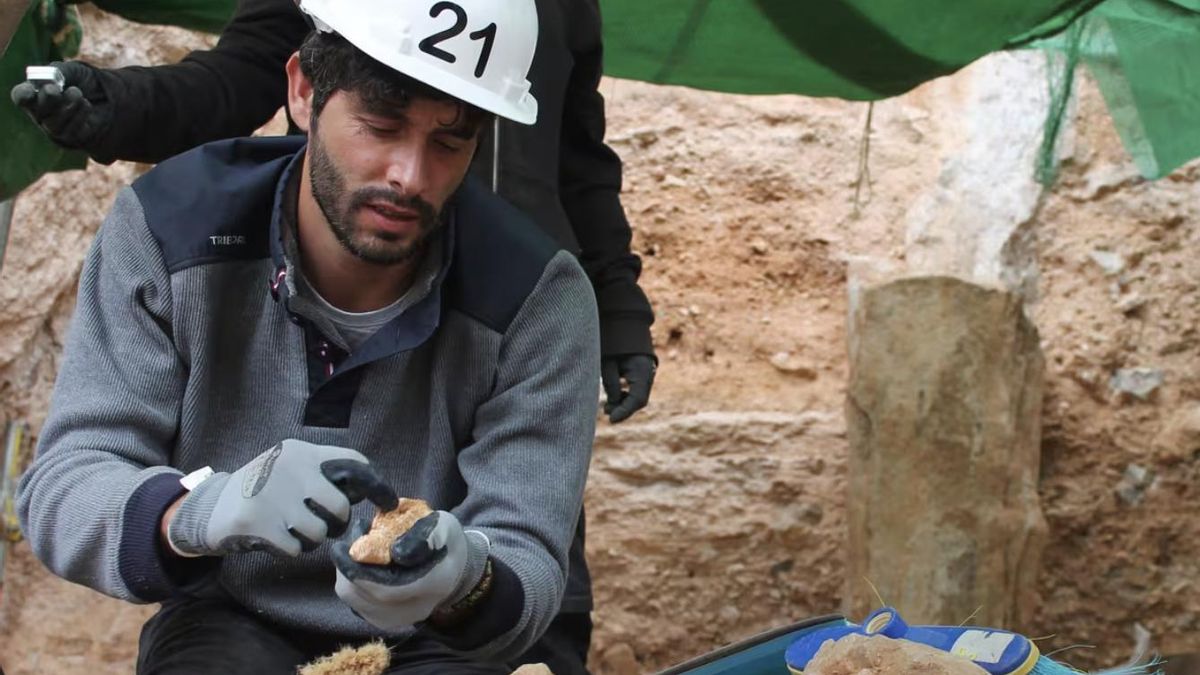
Hallan en Murcia el fósil más antiguo de tortuga mediterránea conocido en la península ibérica Se han descubierto cerca de 150 restos fósiles de vertebrados medianos y grandes en el yacimiento paleontológico de QuibasCon solo 11 años, ha descubierto un fósil excepcional: un reptil marino de 4,5 metros de largo con 85 millones de años El yacimiento paleontológico de Quibas, situado en el municipio murciano de Abanilla, ha permitido recuperar, en la última campaña de excavaciones que se ha llevado a cabo, un caparazón completo de tortuga mediterránea, que es el ejemplar más antiguo conocido de esta especie en la península ibérica, además de nuevos restos de grandes mamíferos y otros vertebrados que vivieron hace aproximadamente un millón de años. Los trabajos que está llevando a cabo principalmente la Universitat de València bajo la dirección del investigador Pedro Piñero (Ramón y Cajal) y con la codirección de Jordi Agustí (Instituto Catalán de Paleontología), han descubierto cerca de 150 restos fósiles de vertebrados medianos y grandes, junto a varios centenares de fósiles de pequeños animales como lagartos, serpientes, sapos, ratones, lirones o topos. Entre los descubrimientos más destacados se encuentra también un cúbito de lince ibérico, un hallazgo que pone en valor la importancia de Quibas como uno de los principales enclaves para estudiar los ancestros más antiguos de este felino endémico. Asimismo, los investigadores han recuperado una mandíbula de bisonte, una falange distal de tigre dientes de sable, restos de una gran rapaz y una segunda falange de rinoceronte etrusco. La última campaña de excavación ha resultado muy exitosa, ha explicado Pedro Piñero, destacando que hasta ahora únicamente se habían encontrado fragmentos aislados de bisonte, por lo que el nuevo fósil permitirá profundizar en el conocimiento de esta especie y en la fauna que habitaba el sureste peninsular durante el Pleistoceno inferior. En el yacimiento Quibas se ha recuperado cerca de un centenar y medio de restos fósiles de grandes y medios vertebrados Clave para comprender la llegada de los primeros humanos El yacimiento de Quibas corresponde a una antigua cueva rellena de sedimentos ricos en fósiles con una antigüedad cercana al millón de años. Desde su descubrimiento en 1994, se han identificado restos pertenecientes a más de 80 especies diferentes de vertebrados e invertebrados, convirtiéndolo en una de las mayores cápsulas del tiempo paleontológicas de Europa. Destaca principalmente por la abundancia de restos del lince ibérico, ya que los fósiles de las poblaciones más primitivas de este felino son muy escasos en otros yacimientos, mientras que Quibas tiene la colección más completa conocida hasta la fecha. Además de aportar información sobre la fauna del Pleistoceno, este enclave permite reconstruir las condiciones ambientales existentes en el momento en que los primeros seres humanos llegaron a Europa occidental, ya que según ha explicado Piñero, el yacimiento ha registrado hasta seis alternancias entre periodos glaciares e interglaciares, lo que deriva en una secuencia única de alternancia de fases áridas y húmedas en Europa.
eldiario.es · about 3 hours ago
Council of Europe Anti-Torture Talks in Cyprus
gdeltproject.org · about 3 hours ago
Elektrische raceklasse Formule E in 2027 op circuit Zandvoort De elektrische raceklasse Formule E bezoekt in 2027 voor het eerst circuit Zandvoort. Er staan twee races gepland, op 18 en 19 juni. Dat meldt de organisatie achter de Formule E, die volgend seizoen uitbreidt naar 21 races, zogeheten E-Prix.
rtl nieuws · about 3 hours ago