Loading…
 Tuesday, August 11Tuesday, August 11
Lebanon’s parliament on Tuesday abolished the death penalty, making it the first country in the Middle East to formally end capital punishment. The 128-member assembly approved the law after amendments, replacing death sentences with life imprisonment plus aggravated hard labour, according to the speaker’s office .
Justice Minister Adel Nassar called the decision “historic” and said the death penalty had previously hindered Lebanon’s efforts to extradite suspects from countries where capital punishment is banned . The vote passed with majority support, though the Hezbollah parliamentary bloc opposed the measure .
Lebanon had not carried out an execution since 2004, though courts continued to issue death sentences. As of late 2025, 85 people remained on death row, according to the Lebanese Ministry of Justice’s Directorate of Prisons . The new law applies retroactively, meaning past crimes will also be punishable by life imprisonment .
Human Rights Watch researcher Ramzi Kaiss described the move as “a monumental step for human rights in the country, representing a clear break from a cruel and arbitrary sentence that should never be imposed” . Amnesty International’s Middle East and North Africa director, Heba Morayef, said the abolition transforms Lebanon’s long-standing moratorium into “lasting legal protection upholding the right to life” .
The European Union’s High Representative for Foreign Affairs and Security Policy, Kaja Kallas, congratulated Lebanon, calling the decision “a historic achievement” and “a significant step forward for human rights” . Kallas added that Lebanon’s move sets “a powerful example for other countries in the Middle East and beyond” .
The abolition comes as Lebanon’s parliament debates a controversial general amnesty law, the largest since the end of its 15-year civil war in 1990, which could reduce sentences or release some convicted of violent offenses . Some legislators noted that the terms of the new punishment—aggravated hard labour—are not yet fully defined, and enforcement may be challenging due to Lebanon’s overcrowded prisons and limited resources .
Follow us for live European news
3 further sources not geolocated

🔴 Lebanon becomes first Middle Eastern country to abolish death penalty
france24 · about 2 hours ago
BREAKING: Lebanon becomes first Middle East country to formally abolish death penalty
telegram_Insider Paper · about 2 hours ago
„Eine historische Entscheidung: Libanon schafft als erstes Land im Nahen Osten die Todesstrafe ab Seit 2004 wurde im Libanon niemand mehr hingerichtet. Die Todesstrafe wurde aber weiter verhängt. Nun hat das Parlament eine Entscheidung getroffen, die Herausforderungen für die Gefängnisse bringt.
tagesspiegel · about 2 hours ago

Mehrheit im Parlament: Libanon schafft Todesstrafe ab Als erstes Land im Nahen Osten hat Libanon die Abschaffung der Todesstrafe beschlossen. Die Parlamentsfraktion der Hizbullah stimmte dagegen.
faz · about 2 hours ago
Lebanon abolishes the death penalty. Kallas: A powerful example for the Middle East While Lebanon has abolished the death penalty and become the first country in the Middle East to adopt a law abolishing capital punishment, its neighbours are passing laws intended to reintroduce it: this is the case with Israel, which on 30 March passed a law making the death penalty the default sentence for Palestinians accused of terrorism
eunews.it · about 2 hours ago

⚡ NEWSLebanon Parliament Votes to Abolish Death PenaltyLebanons parliament has voted to abolish the death penalty, making it the first country in the Middle East to do so. The legislation replaces death sentences with life imprisonment accompanied by aggravated hard labour, marking a significant shift in the nations...📰 #Geopolitics #GeoWire
mastodon bot · about 2 hours ago

Lebanon abolishes death penalty in first for region reut.rs/4fSLK9E
bluesky_Reuters · about 2 hours ago

Líbano abole pena de morte em momento histórico "Ao abolir a pena de morte, o Líbano optou por combater o homicídio em vez de recorrer à pena capital", acrescentou
observador · about 2 hours ago
Ливан первым из арабских государств отменил смертную казнь Парламент Ливана 11 августа проголосовал за отмену смертной казни в стране, пишет Associated Press.
meduza · about 2 hours ago
Libanon har avskaffet dødsstraff Libanons nasjonalforsamling har stemt ja til å avskaffe dødsstraff, som det første arabiske landet i verden.
aftenposten · about 2 hours ago
Le Liban vote labolition de la peine de mort, une première au Moyen-Orient Après vingt-deux ans sans exécutions, le Parlement libanais a officiellement mis fin à la peine capitale dans le pays. Les peines seront commuées en emprisonnement à vie.
liberation · about 2 hours ago
Libanon schafft als erstes Land im Nahen Osten Todesstrafe ab
orf.at · about 2 hours ago
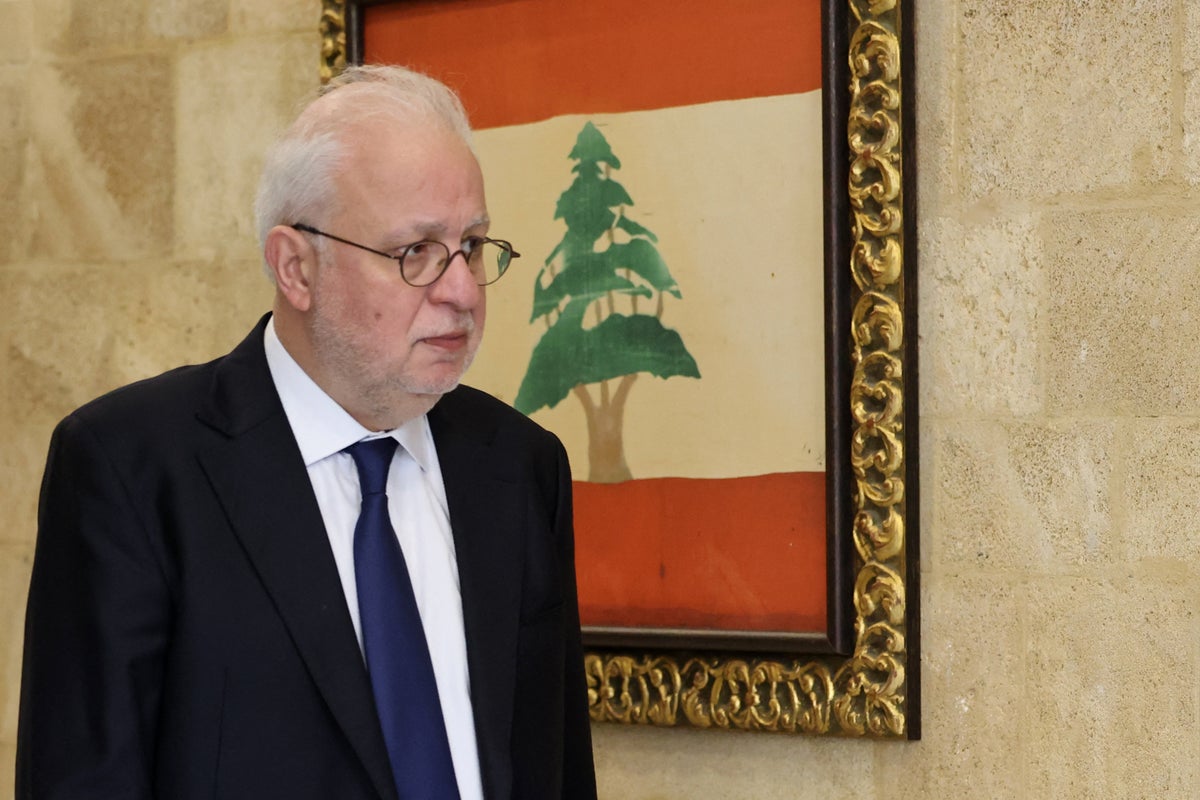
Lebanon abolishes death penalty after historic parliament vote Lebanons parliament voted to abolish the death penalty on Tuesday
independent · about 2 hours ago
Lebanon parliament votes to end death penalty, 1st in Middle East to do so Death sentences will be replaced with life imprisonment with aggravated hard labour.
aljazeera · about 2 hours ago
Ο Λίβανος η πρώτη χώρα του αραβικού κόσμου που καταργεί τη θανατική ποινή Ο υπουργός Δικαιοσύνης Αντέλ Νασάρ χαρακτήρισε την απόφαση «ιστορικό βήμα», καθώς πλέον η επί δεκαετίες de facto αναστολή των εκτελέσεων μετατρέπεται σε θεσμική κατάργηση της θανατικής ποινής
protothema · about 2 hours ago
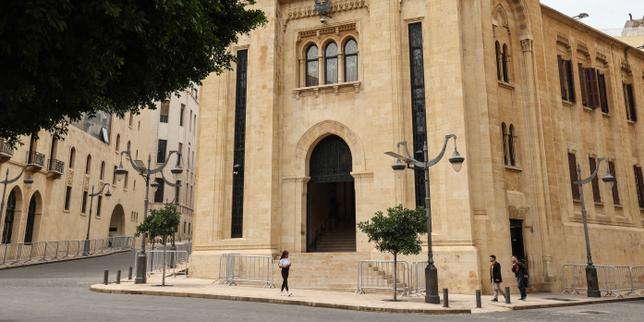
Le Liban adopte labolition de la peine de mort, une première au Proche- et au Moyen-Orient Cette décision a été qualifiée d« historique » par le ministre de la justice libanais, Adel Nassar. Le pays navait plus procédé à des exécutions depuis 2004.
le monde · about 2 hours ago