Loading…
 Wednesday, July 22Wednesday, July 22
5 days · 2 summary articles
China weighs export curbs on advanced AI models as U.S. talks loom
China's Kimi-K3 AI model sparks global tech selloff at Shanghai conference: Xi urges UN-led governance
China is considering imposing export restrictions on its advanced artificial intelligence models, such as Kimi K3 and Deepseek, following their success in Western markets. According to the Financial Times, the Chinese Ministry of Commerce has held discussions with companies including Alibaba, Bytedance, and Zhipu about limiting the transfer of central data abroad and restricting the use of these models outside China.
This move comes as Chinese AI models have begun to surpass some Western counterparts, raising concerns in Europe about reducing dependence on U.S. technology. Some European observers see the rise of Chinese AI models as a positive development, as it could help the continent reduce its reliance on U.S. technology. However, potential Chinese export restrictions on these models could impact this perception.
On July 22, 2026, China launched the World Artificial Intelligence Cooperation Organization (WAICO) in Shanghai. The organization includes five Southeast Asian countries—Cambodia, Indonesia, Laos, Malaysia, and Myanmar—as founding members. Chinese President Xi Jinping called for international cooperation on AI during the launch event, implicitly contrasting China's open-source models with the United States' closed models.
The U.S. and China are set to hold high-stakes AI talks in September, with Treasury Secretary Scott Bessent leading the U.S. delegation. This follows reports of Chinese advancements in AI and concerns about the global impact of these technologies.
Follow us for live European news
3 further sources not geolocated

Invest: Handelsraum Asien: „Das wird alles unter chinesischer Führung ablaufen Schwellenländer-Experte Carsten Roemheld glaubt, dass in China einige globale Marktführer entstehen werden – trotz der aktuellen Wachstumsschwäche. Im Podcast erklärt er, was das für Anleger bedeutet.
handelsblatt · about 4 hours ago
China Pitches Its AI Leadership to the World A new organization includes five Southeast Asian members.
foreignpolicy.com · about 4 hours ago
Invest: „Das wird alles unter chinesischer Führung ablaufen Schwellenländer-Experte Carsten Roemheld glaubt, dass in China einige globale Marktführer entstehen werden – trotz der aktuellen Schwäche. Im Podcast zeigt er, was das für Anleger bedeutet.
handelsblatt · about 4 hours ago
SZ-Podcast „Das Thema: Temu, Shein & Co.: Wie illegale Produkte in unseren Online-Warenkörben landen Bleiverseuchte Kuscheltiere, gefährliche Rasierer: Wie es sein kann, dass EU-Sicherheitsbestimmungen auf chinesischen Online-Plattformen nicht unbedingt eingehalten werden.
sueddeutsche · about 4 hours ago

Podcast: Bornschein trifft Jan Oberhauser – Die Chance für Europa liegt in der Offenheit Ein global erfolgreicher, digitaler Hidden Champion aus einem Land, das nach wie vor eher auf Hardware-Expertise setzt. Das ist n8n – ein KI-Unternehmen mit Milliardenbewertung und wenig öffentlicher Sichtbarkeit. Das passt zu seinem Gründer, Jan Oberhauser: „Ich bin eher die Person, die vor dem Computer sitzt und arbeitet.
faz · about 4 hours ago
CBS censors warn of AI influence According to access to public records obtained by Berlingske, several external examiners believe there may be a need to change how Copenhagen Business School (CBS) students take exams. Based on summer exams, examiners point out that challenges arise when artificial intelligence replaces the learning process, with one examiner noting students could not account for large […]
cphpost · about 4 hours ago
The truth nobody wants to admit: Chinese or not, open models are competitive now Hey Uncle Sam, if you thought GPT-5.6 and Claude Fable 5 were scary, get a load of Kimi K3
the register · about 4 hours ago
Morning Briefing: KI: Die Schattenseiten der chinesischen Überraschungsmodelle Kimi K3 aus China begeistert auch westliche Nutzer künstlicher Intelligenz. Doch dem chinesischen Staat ist der eigene Erfolg im Ausland ungeheuer – und könnte zu Restriktionen führen.
handelsblatt · about 4 hours ago
Morning Briefing: KI aus China boomt – hat aber eine Schattenseite Kimi K3 aus China begeistert auch westliche Nutzer künstlicher Intelligenz. Doch dem chinesischen Staat ist der eigene Erfolg im Ausland ungeheuer – und könnte zu Restriktionen führen.
handelsblatt · about 4 hours ago
China advances plans for national single-stack IPv6 network, and its own surveillance-friendly version of the protocol IPv6+ could make it easier to censor netizens or block traffic, and Beijing is already exporting it
the register · about 5 hours ago
Nike to cut ties with online distributors in China sales overhaul US sportswear brand has struggled in one of its most important markets
financial times · about 5 hours ago

Nike to tighten online sales in China amid cluttered marketplace reut.rs/4x0nurU
bluesky_Reuters · about 5 hours ago

From Breakingviews - Breakingviews - Chinese Innolights $7 bln IPO surfs US AI boom reut.rs/4x0w0XU
bluesky_Reuters · about 5 hours ago
Rusové prolamují i Čechy oblíbené šifrovací aplikace, hrozí také převaha čínské AI, varuje kyberúřad V uplynulém roce vzrostl počet kybernetických útoků na průmyslové podniky, ale dařilo se tlumit jejich následky. České instituce se zapojily do úspěšných mezinárodních operací proti nepřátelským aktérům. Vzhledem k ekonomickým potížím amerických lídrů na poli umělé inteligence se očekává, že jejich místo obsadí Čína. Takové jsou závěry zatím neveřejné zprávy o kybernetické bezpečnosti České republiky za rok 2025, kterou iROZHLAS.cz získal.
irozhlas.cz · about 5 hours ago
Who will win the war of neo-mercantilists? Chinas high degree of self-sufficiency also reduces its vulnerability to coercion by others
financial times · about 5 hours ago
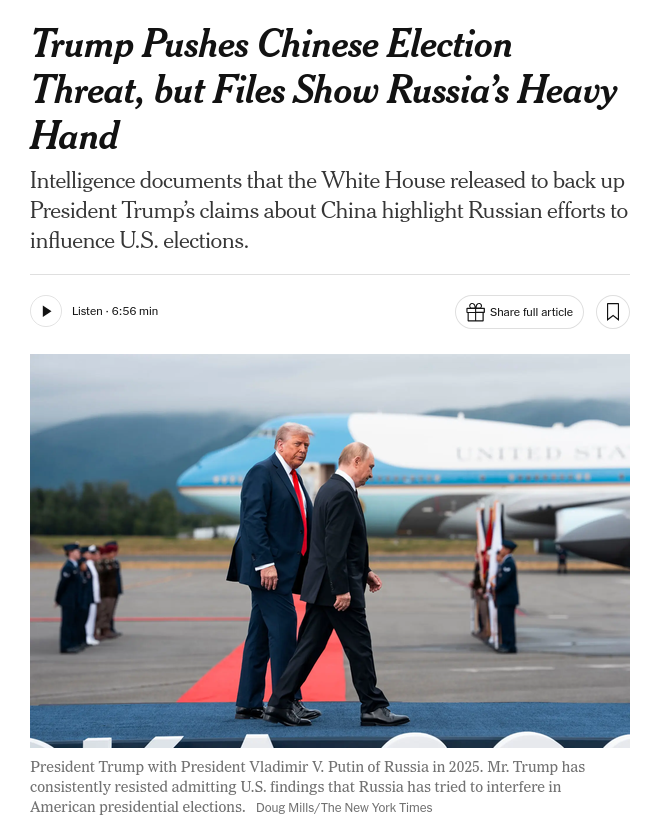
Declassified documents suggest Russian officials worked to influence the 2016 and 2020 U.S. elections, despite President Trumps recent address focusing on Chinese interference and claims of 2020 election fraud. #Russia #US #Trump #China
mastodon bot · about 5 hours ago
Chinas rulers have a woman problem Antagonism between the sexes does nothing to address Chinas demographic problems.
nrc · about 5 hours ago

Chinas Zhongji Innolight aims to raise up to $7 billion in Hong Kong listing reut.rs/4x0mbcu
bluesky_Reuters · about 6 hours ago
US targets China in move to ban military-grade drone imports Proposed rules would have US regulator block the entry of swarm-capable drones, mainly from China.
aljazeera · about 6 hours ago

Rubio to hold talks with Chinas Wang Yi as regional powers join ASEAN meeting reut.rs/44H0u4Y
bluesky_Reuters · about 7 hours ago
Online-Kriminalität: Bis zu 114 Milliarden Dollar Schaden: Banden locken laut UN auch Deutsche in Asiens Betrugsfabriken Scam-Zentren in Südostasien erbeuten Milliardensummen mithilfe Hunderttausender Zwangsarbeiter. Laut den Vereinten Nationen rekrutieren die Hintermänner nun verstärkt Menschen aus Deutschland.
handelsblatt · about 7 hours ago
FirstFT: China weighs tighter export controls on AI technologies Also in todays newsletter: Zelenskyy replaces top Ukraine general and India police briefly detain opposition leader
financial times · about 8 hours ago
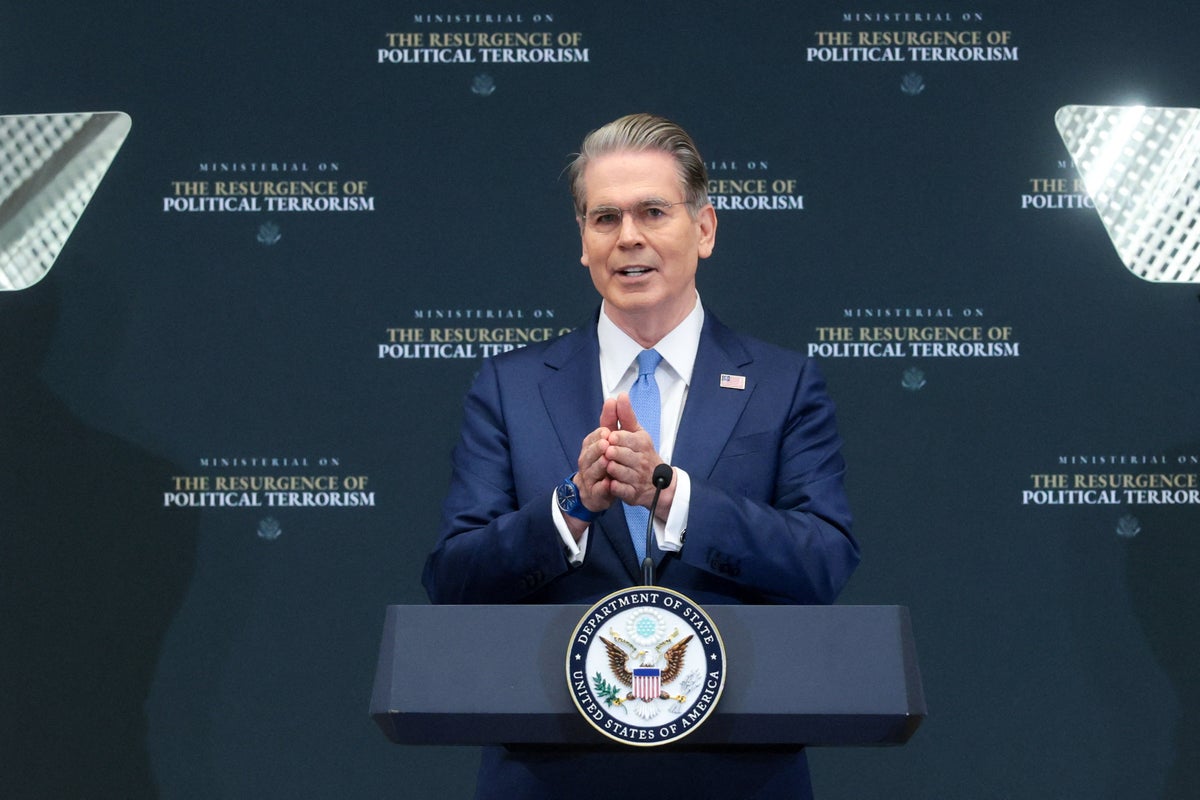
US and China reportedly set to hold high-stakes AI talks in September Treasury Secretary Scott Bessent is slated to lead the U.S. delegation for the September talks
independent · about 9 hours ago
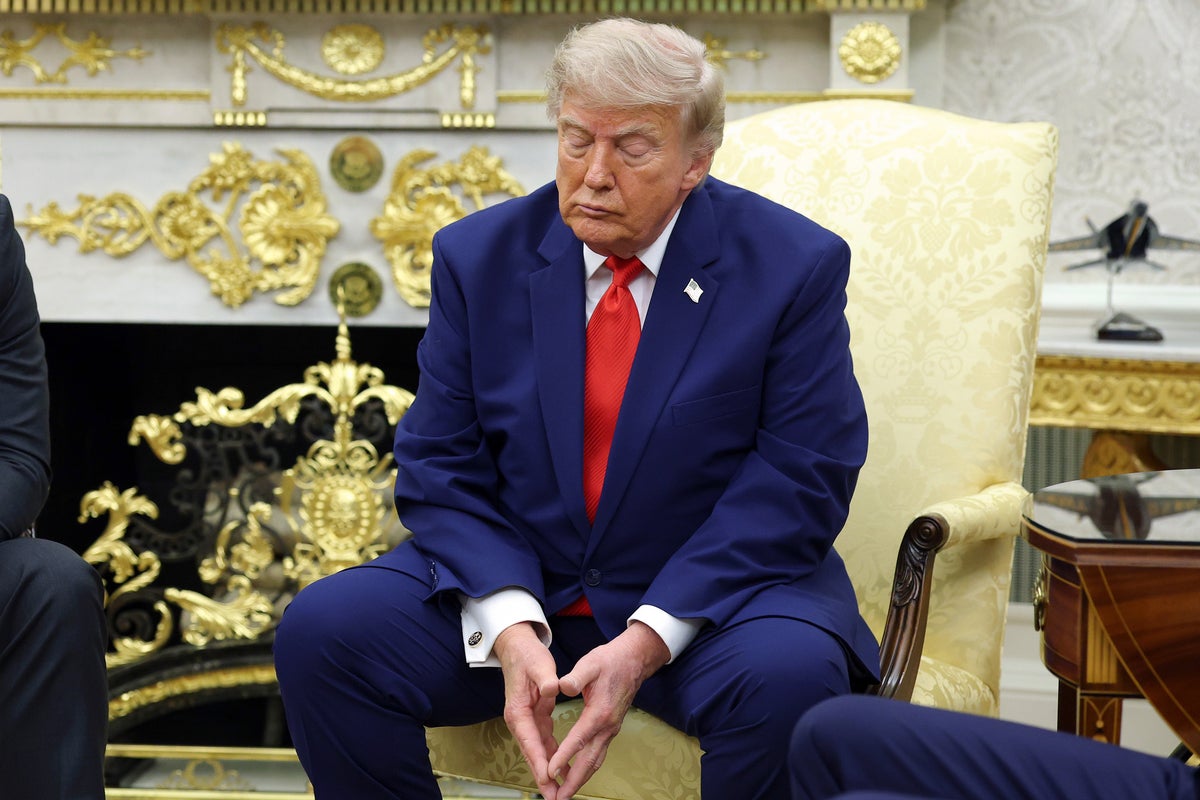
Trump waffles on punishing China after claiming massive election interference: We do things to them, too President claimed in a national address last week that China had stolen voter data, though experts say only public information was taken
independent · about 9 hours ago
Tibets Auslöschung schreitet immer rascher voran [premium] Der Angriff Chinas auf die tibetische Identität ist untrennbar mit Großmachtambitionen der Volksrepublik verbunden.
die presse · about 9 hours ago