
OpenAI CEO shifts stance on AI job impact as humanitarian groups deploy remote aid vehicles

Artificial intelligence continues to reshape industries and societies, with recent developments highlighting both its potential benefits and the ongoing debates about its impact.
OpenAI CEO Sam Altman has made a significant shift in his stance on AI's impact on jobs. After previously warning about mass layoffs due to AI, Altman now says he is "pretty sure" that AI has created more jobs than it has eliminated. This change in perspective comes as a surprise, given his earlier dire predictions about entire professions disappearing due to AI. However, studies so far have not conclusively backed either the old doomsday predictions or the new optimism about AI's impact on employment.
Meanwhile, AI is making strides in the humanitarian sector. Project AHEAD, a collaboration between the World Food Programme, Germany’s aerospace research centre DLR, the Red Cross, and technology partners, is developing remotely operated vehicles capable of delivering aid in dangerous areas. These vehicles, equipped with sensors and controlled remotely, can navigate through conflict zones, minefields, and floods, reducing the risk to humanitarian workers. The technology draws on DLR’s experience in developing planetary rovers, including the MMX rover built to explore Phobos, one of Mars’s moons.
The World Food Programme's HungerMap Live platform is another example of AI's potential in humanitarian aid. Using machine learning and near-real-time data, the platform tracks food insecurity across more than 95 countries, helping to identify emerging hunger crises. "Everybody can check it out, HungerMap Live, on the internet. You can get real-time data, and right now we’re even looking into forecasting food security 90 days into the future," said Bernhard Kowatsch, director of the WFP’s Global Accelerator and Ventures division.
However, not all developments in AI are being met with enthusiasm. In Norway, a growing number of authors, brain researchers, and developers are warning against AI dependency. They argue that while AI is often seen as synonymous with progress, there are concerns about its impact on human cognition and autonomy. The criticism reflects a broader skepticism about the rapid integration of AI into various aspects of life.
"For many, AI is synonymous with progress. The technology is supposed to revolutionize business and research, make our lives easier, write drafts, take care of routine tasks, and help us with body and mind. How can one be against that?" asks a recent article in Aftenposten. The article highlights the growing criticism of AI in Norway, with experts warning about the potential risks of becoming too dependent on AI.
In another application of AI, researchers are using AI and quantum computing to generate new peptides, which could aid in the development of drugs for underserved populations and combat rare diseases. This innovative use of AI highlights its potential to revolutionize fields beyond just technology and business.
But as AI continues to advance, so do the concerns about its impact on society. A study by the University of Szeged in Hungary found that social media use among young people with chronic skin diseases was associated with lower self-esteem, negative body image, and higher anxiety levels. While the study does not directly involve AI, it underscores the broader issues of technology's impact on mental health and well-being.
In the media industry, AI is also making its presence felt. Milo Infante, a TV host, recently left Rai and joined Mediaset. In an interview, he mentioned seeing a poster with AI and a face on Instagram, which he found somewhat sad. This anecdote reflects the growing integration of AI in media and entertainment.
As AI continues to evolve, the debate about its benefits and risks is likely to intensify. While AI holds promise for revolutionizing industries and improving lives, it also raises important questions about job displacement, dependency, and the ethical implications of its use.
Follow us for live European news
- 2
- 2
- 2
- 1
- 1
- 1
- 1
- 1
- 1
- 1
- 1
- 1
- 1
- 1
6 further sources not geolocated
Articles

Milo Infante: Alla Rai ho chiesto promozione e direzione. Non li ho più sentiti. Sottile al mio posto? Ho visto su Instagram che ha fatto una locandina con lIA e il suo viso, mi è sembrato un po triste. A Stasi chiedo scusa Me ne sono andato dalla Rai quando ho capito che il mio tempo era finito, restare non aveva più senso. Dopo settimane di indiscrezioni e boatos di ogni tipo, Milo Infante racconta la sua verità sulladdio dopo ventidue anni a Mamma Rai e sullapprodo a Mediaset. Più che questione di soldi, questione di feeling verrebbe […] Larticolo Milo Infante: Alla Rai ho chiesto promozione e direzione. Non li ho più sentiti. Sottile al mio posto? Ho visto su Instagram che ha fatto una locandina con lIA e il suo viso, mi è sembrato un po triste. A Stasi chiedo scusa proviene da Il Fatto Quotidiano.
il fatto quotidiano · about 3 hours ago
Pensavo che la mia pancia non potesse ospitare altro se non del cibo da rimettere. Mia figlia ha trovato un terremoto dentro di me e ha iniziato ad aiutarmi da dentro: così Ambra Angiolini Ambra Angiolini è la protagonista della nuova puntata di Stories, il ciclo di interviste dedicate ai grandi nomi dello spettacolo, in onda su Sky TG24. Lattrice si mette a nudo e si racconta in Ambra Angiolini – Amarsi un po, un ritratto intimo e autentico che andrà in onda lunedì 13 luglio alle 21 su […] Larticolo Pensavo che la mia pancia non potesse ospitare altro se non del cibo da rimettere. Mia figlia ha trovato un terremoto dentro di me e ha iniziato ad aiutarmi da dentro: così Ambra Angiolini proviene da Il Fatto Quotidiano.
il fatto quotidiano · about 3 hours ago
Programma tegen eindeloos emoties herkauwen wordt ook op basisschool getest Eindeloos negatieve gevoelens herkauwen door ze met vriendinnen te bespreken: tienermeisjes zijn er goed in, maar het kan hun mentale klachten juist verergeren. Een op mindfulness gebaseerd vriendinnenprogramma dat een oplossing moet bieden, wordt straks zelfs op de basisschool getest.
nu.nl · about 3 hours ago
Scientists Side Hustle? Using AI and Quantum Computing to Generate New Peptides Researchers cobbled together funding and time to show how quantum computing could aid in the development of drugs to help underserved populations and combat rare diseases.
wired.com · about 3 hours ago
Leiti põhjus, miks süsinikkiud oma tugevust kaotab – allveelaeva ehitamine on viimane asi, mida sellega ette võtta Kui üks ja sama materjal suudab kanda lennukeid ja Vormel 1 autosid, miks ei pidanud see vastu süvamere tohutule survele? Just sellele küsimusele lisab Austraalia teadlaste värske uuring uue ja ootamatu vaatenurga. Selgub, et võtmeroll ei pruugi olla temperatuuril ega õhuniiskusel, vaid hoopis millelgi märksa varjatumal. See avastus võib muuta viisi, kuidas insenerid tulevikus süsinikkiudu katsetavad ja hindavad. Kas sellest oleks piisanud, et vältida üht viimaste aastate tuntumat katastroofi?
postimees · about 3 hours ago

Wie Jugendliche auf Kriegsbilder in sozialen Medien reagieren Oft ungewollt und überraschend werden Jugendliche auf ihrem Smartphone mit Bildern von Krieg und Gewalt konfrontiert. Nicht allein von der Häufigkeit solcher Darstellungen hängt ab, ob sie zur psychischen Belastung werden.
welt.de · about 3 hours ago

"Bis ins Mark verrottet": Apple wirft Open-AI Spionage und Diebstahl vor Das KI-Unternehmen soll gezielt Prototypen und Fertigungsdaten gestohlen haben. Im Zentrum steht Jony Ives ehemalige Hardwarefirma
der standard · about 3 hours ago
Claude Coworks biggest use case is the mundane office work nobody wants to own, Anthropic says Anthropic analyzed 1.2 million Claude Cowork sessions from more than 600,000 organizations. About half of all usage goes toward business processes and text creation, what Anthropic calls "the work around the work." That means tasks like compiling status reports, building onboarding checklists, or putting together slide decks. Software development barely shows up in Cowork because developers stick with Claude Code for that. The article Claude Coworks biggest use case is the mundane office work nobody wants to own, Anthropic says appeared first on The Decoder.
the decoder · about 3 hours ago
Its an AI web, and were just rats in the walls Bots, not people, are now the ones who use the internet the most
the register · about 3 hours ago
Tutkimus | Selän silittäminen rauhoittaa, mutta ehkä vain äidinrakkautta saaneita Lempeän kosketuksen voimaa kokeiltiin moniosaisessa kokeessa.
helsingin sanomat · about 3 hours ago

Meestal ben ik aardig op de hoogte van de belevingswereld van minderjarigen, maar nu kijk ik wanhopig om me heen
de volkskrant · about 3 hours ago
40 de ani de artă între comunism și democrație. Lia și Dan Perjovschi: „Am avut o foame de a cunoaște lumea care ne-a fost refuzată La aniversarea a 40 de ani de lucru împreună, Lia și Dan Perjovschi vorbesc despre începuturile lor la liceul de artă din Sibiu, comunism, admiterea la facultate și cenzură, primele ieșiri în afara țării, atelierul devenit loc de întâlnire pentru artiști și despre cum privesc arta și societatea acum
adevarul · about 3 hours ago
OpenAI CEO Altman is now "pretty sure" AI is net job-creating, which is quite the pivot from predicting mass layoffs OpenAI CEO Sam Altman now says hes "pretty sure" AI has created more jobs than its eliminated. Thats a sharp turn from his earlier warnings about entire professions disappearing. Anthropic CEO Dario Amodei is walking back similar claims, too. But studies so far back neither the old doomsday predictions nor optimism. The article OpenAI CEO Altman is now "pretty sure" AI is net job-creating, which is quite the pivot from predicting mass layoffs appeared first on The Decoder.
the decoder · about 3 hours ago
NASA rover takes a closer look at organic carbon on Mars Using NASAs Perseverance rover, scientists are getting a greater understanding of the nature of some of the organic carbon — the molecular backbone for all known living organisms — detected on Mars as they explore the question of whether Earths planetary neighbor ever harbored life. New research describes the structure of the organic carbon found […]
cyprus mail · about 3 hours ago
How do roots avoid growing in an unhealthy direction? Jiří Friml of @istaresearch.bsky.social describes a newly identified root response, called saprotropism, showing how plants sense acidity changes in the soil and adjust their growth direction accordingly. Learn more 🔗 buff.ly/fLKS5f0
bluesky_European Research Council · about 4 hours ago

„The Breakfast Club: „Was ist am Montag mit uns? Fünf Jugendliche, die sonst niemals miteinander geredet hätten, müssen einen Tag lang gemeinsam nachsitzen. Funktioniert John Hughes Filmklassiker von 1985 auch noch heute?
faz · about 4 hours ago
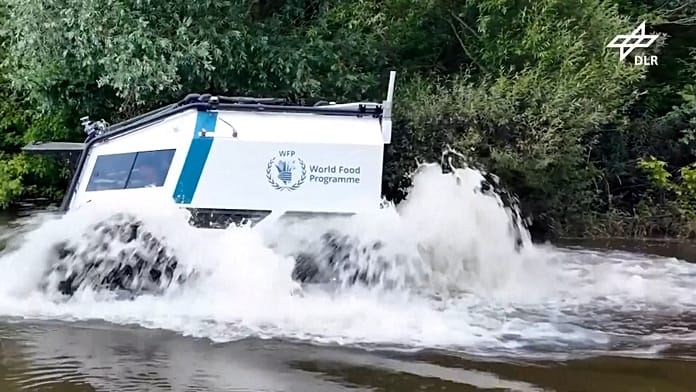
From space rovers to hunger maps: How AI is reshaping humanitarian aid Artificial intelligence (AI) is often discussed for its potential threats to humanity. But humanitarian organisations are using it to predict hunger, map destruction and deliver aid without sending people into danger.
euronews · about 4 hours ago
AI is already inside retail finance There is a version of the AI-in-finance story that is almost entirely reassuring. Algorithms that make markets more accessible. Platforms that give ordinary investors tools once reserved for institutions. Personalisation that, at its best, helps people understand what they are doing and why. That version is real. And it points to the more interesting question: […]
cyprus mail · about 4 hours ago

A dor crónica é uma experiência solitária Cristina Catana é psicóloga clínica no Centro Multidisciplinar da Dor Beatriz Craveiro Lopes, em Almada, onde trabalha com doentes com dor crónica há mais de 30 anos
observador · about 4 hours ago

🎥 Struggling to connect with skeptical audiences? In our webinar "Earning Trust: Practical Strategies for Investigative Journalists," Joy Mayer shares concrete tools to communicate your integrity and explain your process, without compromising your independence.
bluesky_GIJN · about 4 hours ago
Umami #3: Miért válogat a gyerek? A „válogatósság száz éve még nem létezett. Ultrafeldolgozott élelmiszerek és függőség. „De hát rá van írva, hogy bio! Azt gondolod, hogy egészségeset adsz a gyerekednek, pedig.
444.hu · about 4 hours ago
Meta stellt neue KI-Bildfunktion nach massiver Kritik wieder ein Mit dem Werkzeug konnten Nutzer Bilder auf Basis öffentlicher Instagram-Konten generieren.
die presse · about 4 hours ago
Rudolf Sikora: Už ako dieťa som mal schopnosť rozoznať, že niečo nie je správne (podcast) Rudolf Sikora, ktorý tento rok pri plnej sile oslávil 80. narodeniny, patrí medzi výtvarníkov, ktorí nielenže formovali estetiku slovenského moderného umenia, ale zasahoval aj do politického diania – patrí medzi najvýznamnejších ľudí Nežnej revolúcie. Jeho obľúbenými témami sú aj environmentálne hrozby, ktorým je zasvätených mnoho jeho diel.
aktuality.sk · about 4 hours ago

Todays teens are much safer than 1990s teens. Why doesnt anyone talk about it? www.vox.com/future-perfe...
bluesky_Vox · about 4 hours ago
Grades dropped from 96 to 48 percent when a Brown professor made students take the exam without AI An economics professor at Brown University suspects most of his 86 students used AI to cheat on a take-home exam that averaged 96 percent. When he made the final an in-person test, 18 students dropped the course, nine didnt show up, and the average fell to 48.6 percent. Two large studies from China and UC Berkeley back up his case: where students lean on AI for homework, their proctored exam scores tank. The article Grades dropped from 96 to 48 percent when a Brown professor made students take the exam without AI appeared first on The Decoder.
the decoder · about 4 hours ago

Proti nicotě dokonalosti Pokud se lidé stanou bezchybnými, co je bude odlišovat od strojů?
respekt · about 4 hours ago

Jak jsem (ne)krvácel pro veřejnoprávní média
respekt · about 4 hours ago
Kritikken mot AI øker: – Jeg slipper ikke til møkk som ikke kommer fra menneskene Varsko fra forfattere, hjerneforskere og utviklere. Motstanden mot kunstig intelligens får stadig flere norske ansikter.
aftenposten · about 4 hours ago
De ce a devenit meditația o dependență națională? Explicația unui psiholog Mara Bria, doctor în psihologie, gazda Mind Education Podcast și cadru didactic asociat în cadrul Facultății de Psihologie, Universitatea „Babeș-Bolyai, a vorbit pentru „Weekend Adevărul despre motivele pentru care părinții apelează la meditații.
adevarul · about 4 hours ago
Descoperire care poate schimba tot ce știm despre somn O echipă de cercetători ai Universității Wisconsin-Madison (SUA) a descoperit că unele dintre funcțiile esențiale ale somnului pot fi reproduse în creier chiar și atunci când organismul este treaz.
adevarul · about 4 hours ago