
Dutch government scrambles to avert Vesteda collapse as 35bn landlord faces liquidity crisis

Story Timeline
3 months · 3 summary articles
Helsinki housing scandal exposes elite exploitation of social flats: Heka reviews allocations
Dutch government scrambles to avert Vesteda collapse as 35bn landlord faces liquidity crisis
Renters now spend 38 of income on housing as affordability crisis deepens
Follow-up
The Netherlands’ largest commercial landlord, Vesteda, is teetering on the brink of collapse as capital flees its portfolio, sending shockwaves through the housing market, government, and tenant groups. On Thursday, the Amsterdam-based real estate giant confirmed it is racing to prevent a liquidity crisis after investors began pulling funds at an unprecedented pace. The Dutch cabinet and the central bank are now weighing emergency measures to stabilise the market, while tenant advocates warn of a potential domino effect that could push rents higher and reduce supply.
Vesteda, which manages 35,000 rental units across the Netherlands, has seen its bonds downgraded twice this month as credit agencies cite “liquidity strain” and “uncertainty over refinancing.” The company’s chief executive, Daan Geerlings, told Dutch media on Wednesday that the outflows were “unprecedented in scale and speed,” forcing the firm to explore asset sales and loan restructurings. “We are in uncharted territory,” Geerlings said .
The crisis comes as the Dutch government faces its own housing emergency. On Thursday, Housing Minister Hugo de Jonge convened an emergency meeting with the central bank and the Dutch Association of Institutional Investors to discuss contingency plans. Options under consideration include a state-backed liquidity facility for large landlords and accelerated social housing construction to absorb displaced tenants. “The stability of the rental market is at stake,” De Jonge told reporters. “We cannot allow a single firm’s collapse to destabilise the entire sector” .
Tenants’ unions have seized on the crisis to demand rent controls and stricter oversight of institutional landlords. “Vesteda’s troubles are a symptom of a broken market,” said Marjolein Moorman, a spokeswoman for the Dutch Tenants’ Union. “We’ve seen rents rise 40% in five years while wages stagnate. This is what happens when housing is treated as a commodity, not a right” .
Meanwhile, the government’s broader housing reforms are facing pushback. On Thursday, the cabinet approved a draft law to cut housing benefit spending by €2 billion, a move critics say will disproportionately hurt low-income renters. The proposal, spearheaded by Social Affairs Minister Karien van Gennip, would reduce benefits for 1.2 million households starting in 2027. “This is austerity by stealth,” said Lodewijk Asscher, leader of the Labour Party. “It will push families into poverty and deepen the housing crisis” .
The government is also under pressure to reform the private rental market, where rents have surged 50% since 2020. Justice Minister Marie-Agnes Strack-Zimmermann unveiled a package of measures on Thursday that would cap annual rent increases at 3% and extend tenant protections. But property owners’ groups warn the reforms could deter investment. “If landlords can’t make a return, they’ll sell up,” said Peter van der Spek, chairman of the Dutch Property Owners’ Association. “That means fewer homes, not more” .
With Vesteda’s fate hanging in the balance, the Dutch housing market is at a crossroads. The government’s response will determine whether the crisis spirals into a full-blown meltdown—or whether it becomes a catalyst for long-overdue reforms.
Follow us for live European news
- 4
- 3
- 2
- 1
- 1
- 1
- 1
- 1
- 1
- 1
- 1
- 1
2 further sources not geolocated
Articles

Kulturni dom v Stari Fužini, sad samoprispevka, iznajdljivosti in tišanja Fužincev S prostovoljnim samoprispevkom v času finančne krize SFRJ-ja in z iznajdljivostjo so prebivalci Stare Fužine leta 1983 dokončali kulturni dom, središče življenja lokalne skupnosti. Z njegovo prenovo se začenja njegovo drugo, vsebinsko bogatejše življenje.
rtv slovenia · 3 months ago

AD troca Chega por PS? A AD trocou o Chega pelo PS nos apoios sociais, mas o que muda com a supervisão e os avisos do FMI? E conseguirá o Governo manter a salvo os fundos do PRR com um novo mecanismo face aos novos atrasos?
observador · 3 months ago

Temos PSU. E afinal o trabalho social já estava na lei... PSD e PS votaram na especialidade a nova prestação social única introduzindo alterações à proposta do Governo mas mantendo a necessidade de prestar trabalho social. Mudanças retóricas ou substantivas?
observador · 3 months ago

PSU. "Trabalho social não é generalizado, nem automático" A análise é do deputado socialista Miguel Cabrita, que aponta o "trabalho social" como uma das medidas de reinserção social, mas indica que não será obrigatório para todos.
observador · 3 months ago

Há falhas e dificuldades na monitorização do VIH em Portugal Os especialistas reconhecem a resposta ao VIH foi alvo de progressos significativos nas últimas décadas
observador · 3 months ago
Ποια σπίτια έχουν τώρα τη μεγαλύτερη ζήτηση στην Αθήνα – Ορατό πλέον το «φρένο» στην κτηματαγορά Τι αποκαλύπτει ανάλυση της πλατφόρμας κτηματομεσιτικών υπηρεσιών Uniko που έχει προκύψει σε συνέχεια της συνεργασίας της Εθνικής Τράπεζας με τον όμιλο Qualco
protothema · 3 months ago
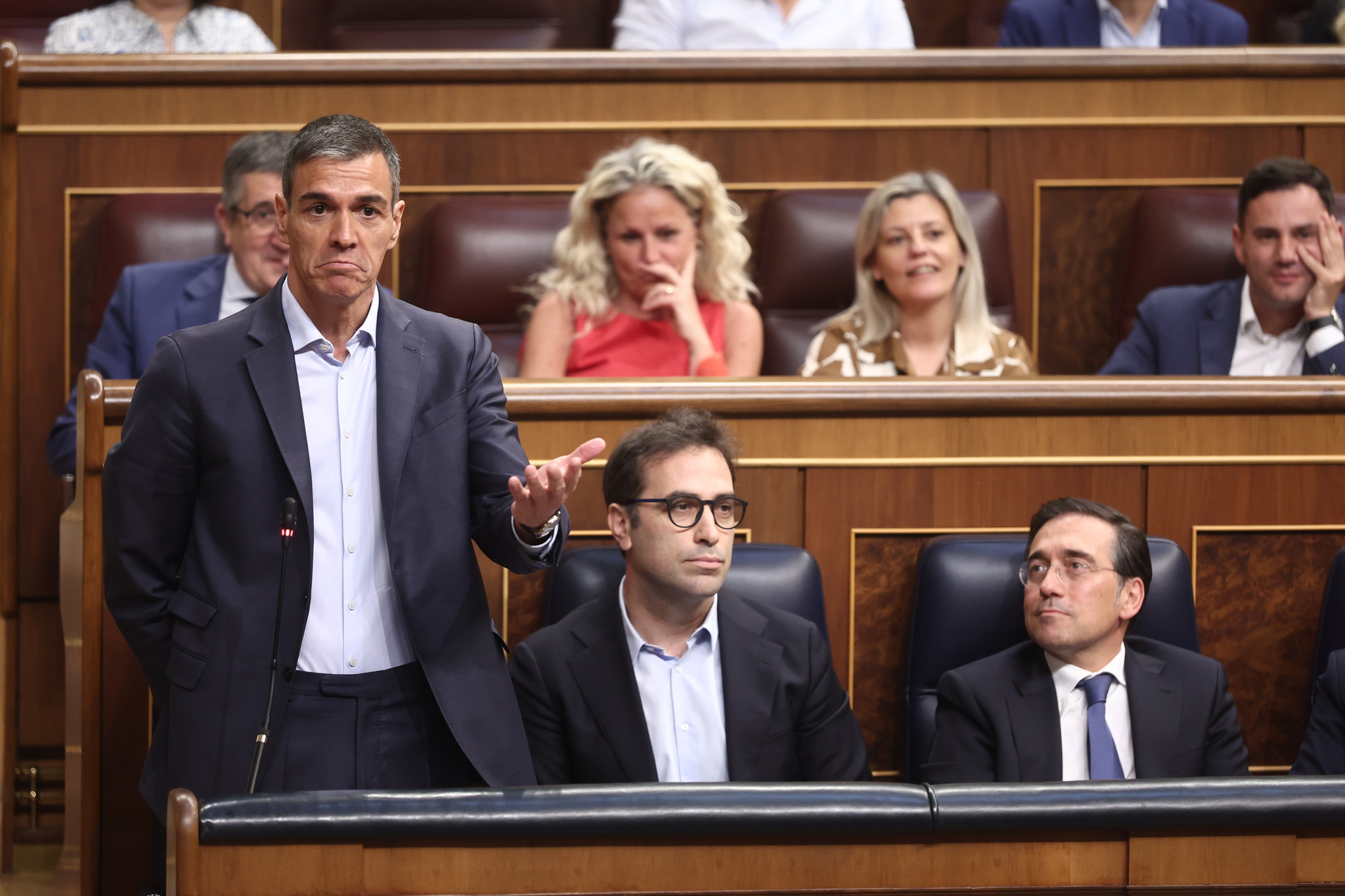
Ni da explicaciones ni convoca elecciones No cabe otra salida razonable a la crisis institucional provocada por la corrupción del PSOE que llamar a los españoles a las urnas. Leer
expansion · 3 months ago
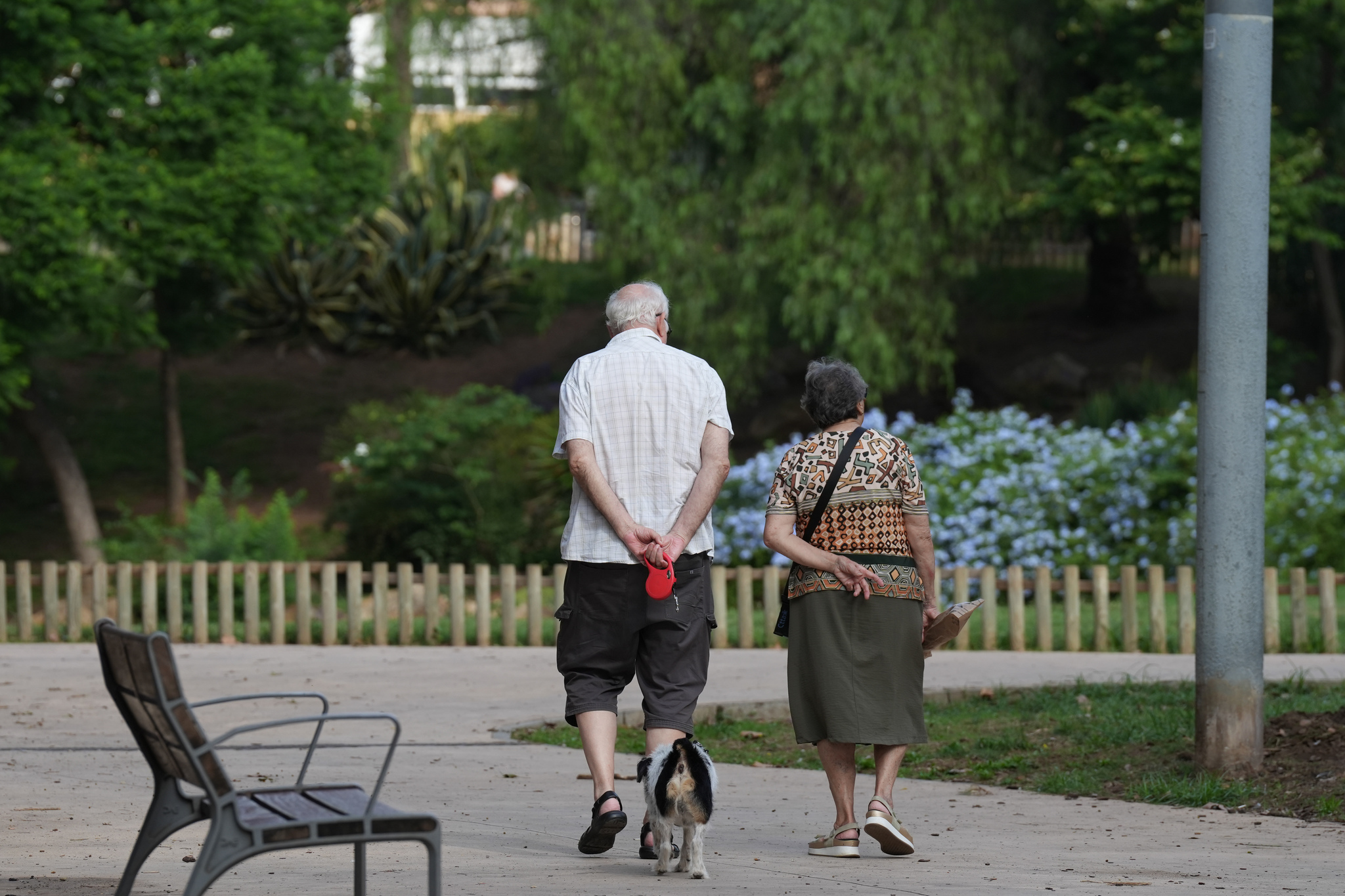
Temor entre los españoles por la jubilación: el 68 cree que habrá problemas para pagar las pensiones A pesar de que la percepción general de la población es que la financiación del sistema público de pensiones supone un reto, la gran mayoría se opone a acometer reformas. Solo un 12 de los españoles apoya elevar la edad de jubilación a 70 años, según un estudio de Funcas. Leer
expansion · 3 months ago
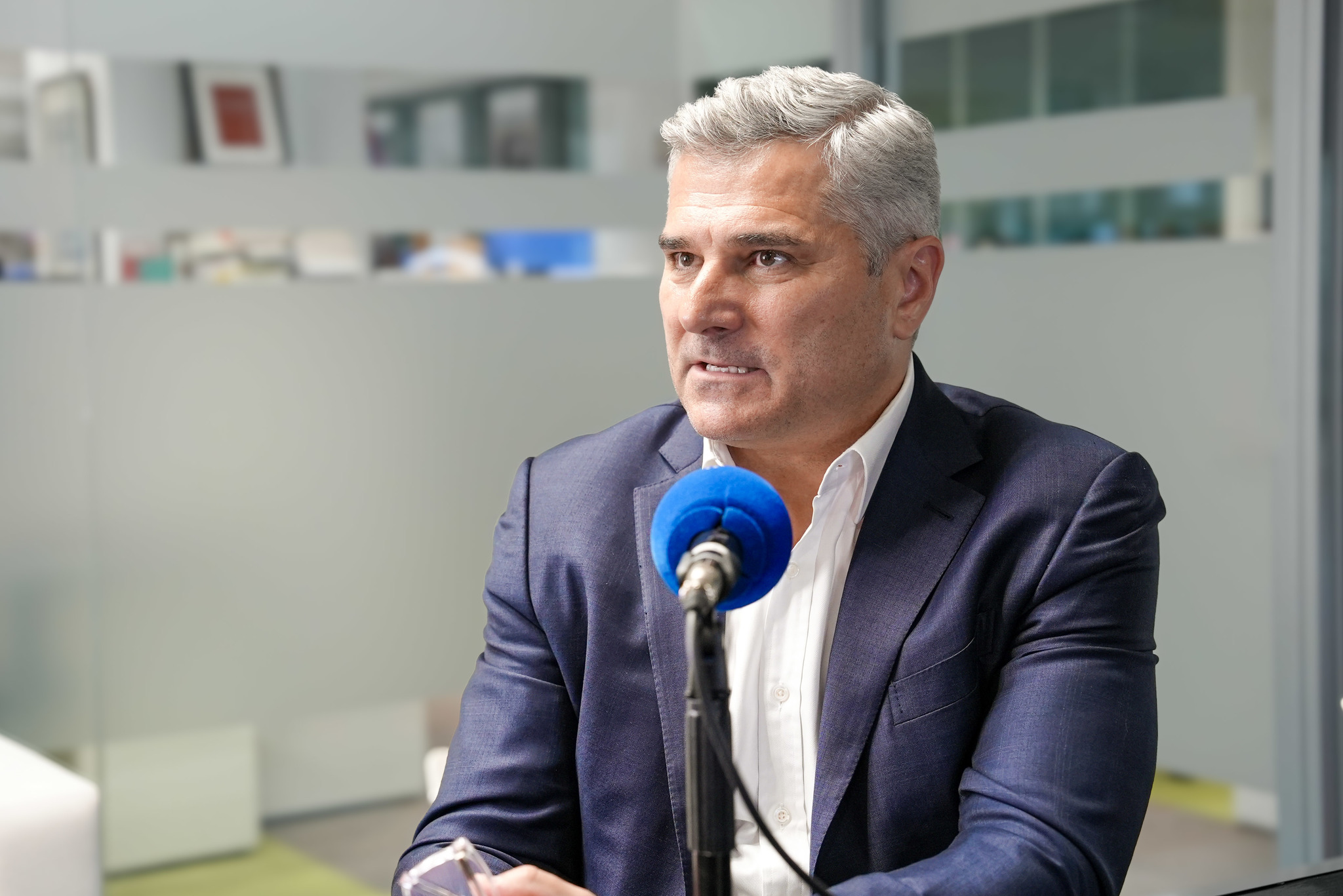
Pedro Escudero (Silverway): así invierte el gestor de Wall Street que quiere triunfar en España Tras 30 años en Wall Street, Pedro Escudero acaba de abrir su gestora de fondos en España para acercar la Bolsa americana a los inversores españoles. Leer
expansion · 3 months ago
Auto troppo care, il 59 degli italiani rinvia lacquisto. E il comparto del noleggio critica gli obblighi Ue sulle EV Gli italiani continuano ad avere bisogno dellauto, ma comprarne una nuova sta diventando sempre più complicato. Oggi servono in media 11 mensilità di stipendio per acquistare una vettura, contro le cinque che bastavano nel 2000. Nel frattempo i prezzi delle auto sono aumentati del 52 dal 2013, mentre i redditi familiari si sono fermati a […] Larticolo Auto troppo care, il 59 degli italiani rinvia lacquisto. E il comparto del noleggio critica gli obblighi Ue sulle EV proviene da Il Fatto Quotidiano.
il fatto quotidiano · 3 months ago
Michelle Obama: Quando ci frequentavamo Barack stava in un appartamentino squallido in affitto con un amico. Niente aria condizionata. Le finestre erano aperte. Il sabato sera era una follia Michelle e Barack Obama hanno inaugurato a Chicago per lObama Presidential Center, un polo culturale costato 850 milioni di dollari, proprio nella città che ha visto lex presidente Usa muovere i primi passi nel mondo del lavoro e che lo ha visto consacrarsi come uno dei più importanti avvocati statunitensi in tema di diritti civili. […] Larticolo Michelle Obama: Quando ci frequentavamo Barack stava in un appartamentino squallido in affitto con un amico. Niente aria condizionata. Le finestre erano aperte. Il sabato sera era una follia proviene da Il Fatto Quotidiano.
il fatto quotidiano · 3 months ago

Retraites : "LAllemagne na pas dautre choix que de basculer vers la capitalisation"
lexpress · 3 months ago
Gesetzentwurf liegt vor: So will Hubertz beim Wohngeld kürzen Über eine Million Haushalte sind auf Wohngeld angewiesen, um sich das Leben in teuren Städten leisten zu können. Nun will die Bauministerin hier zwei Milliarden Euro sparen. Das sind die Folgen.
tagesspiegel · 3 months ago
Pläne der Bundesregierung: Neue Kapitalrente: Risiko für Rentner oder großer Wurf? Soll ein Teil der Rente künftig über die Börse finanziert werden? Schweden hat damit gute Erfahrungen gemacht. Doch nicht alle hierzulande sind überzeugt, dass das eine gute Idee ist.
handelsblatt · 3 months ago
Immobilien: Mietrecht-Reform trifft Vermieter hart – Hunderte Euro weniger Welche Einschränkungen die jetzt vorgestellten Reformpläne von Justizministerin Hubig für Eigentümer und Vermieter vorsehen – und wie sehr sie den Markt verändern werden.
handelsblatt · 3 months ago
Минюст РФ собирается лишить «иноагентов» права совершать безвозмездные сделки с недвижимостью и авторскими правами Россиянам, которых Минюст объявил «иностранными агентами», грозит дальнейшее поражение в правах, пишет The Bell.
meduza · 3 months ago
140 Tage Hungerstreik: Wem gehört Athen? Aristos Chantzis riskierte sein Leben – für den Erhalt des autonomen Wohnprojekts Prosfygika. Ist in Griechenland noch Platz für alternative Lebenskonzepte? mehr...
taz.de · 3 months ago
Vrtěti psem: Bartha, Prokop a Mrázová jako Babišova antireklama na krizi bydlení Andreje Babiše v posledních týdnech trápí bytové problémy. Ne snad takové, že by premiér a lidé z jeho okolí neměli kde bydlet, spíš naopak. Hnutí ANO se totiž potýká s několika bytovými kauzami, které jsou pro jeho reputaci velmi nepříjemné.
denik n · 3 months ago
De grootste commerciële huurbaas van Nederland wankelt: wat zijn nog de opties? Woonfonds en huurbaas Vesteda probeert deze dagen een uittocht van kapitaal te voorkomen. Voor de woningmarkt, huurders en het kabinet staat er veel op het spel.
nrc · 3 months ago
Pour son Budget 2027, le gouvernement va sans doute devoir faire sans le PS Un an après avoir refusé de censurer le gouvernement pour permettre ladoption du budget 2026, les socialistes abordent la nouvelle séquence en ordre dispersé.
liberation · 3 months ago
Over a third of households in Poland now consist of one person amid demographic change Meanwhile, only a quarter of households now contain children.
notes from poland · 3 months ago
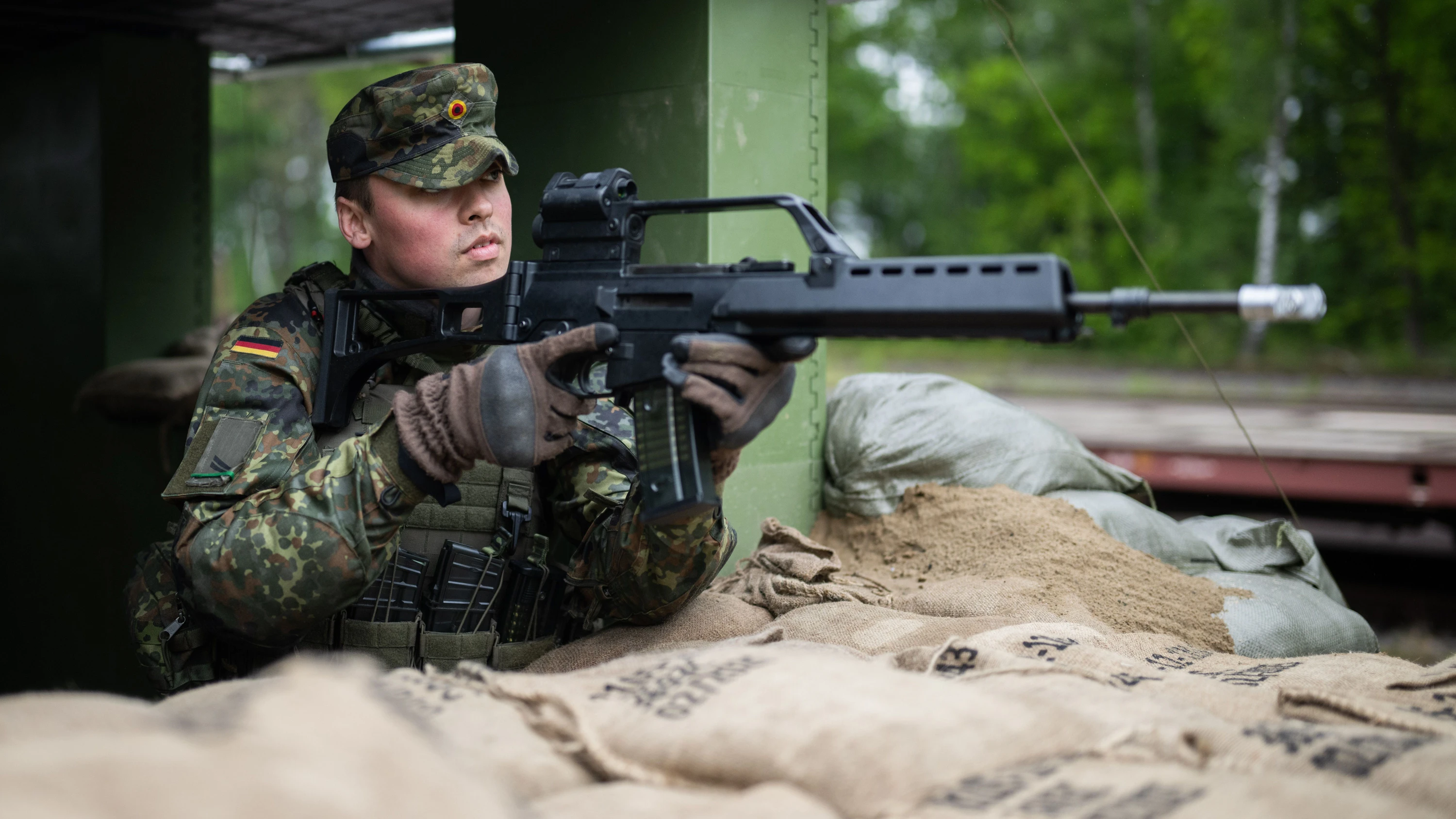
Fragebögen der Bundeswehr: Jeder Fünfte zeigt Interesse am Wehrdienst 300.000 Fragebögen hat die Bundeswehr seit Jahresbeginn verschickt, 96 Prozent der Männer haben geantwortet. Verpflichtet haben sich bislang aber nur wenige von ihnen.
faz · 3 months ago
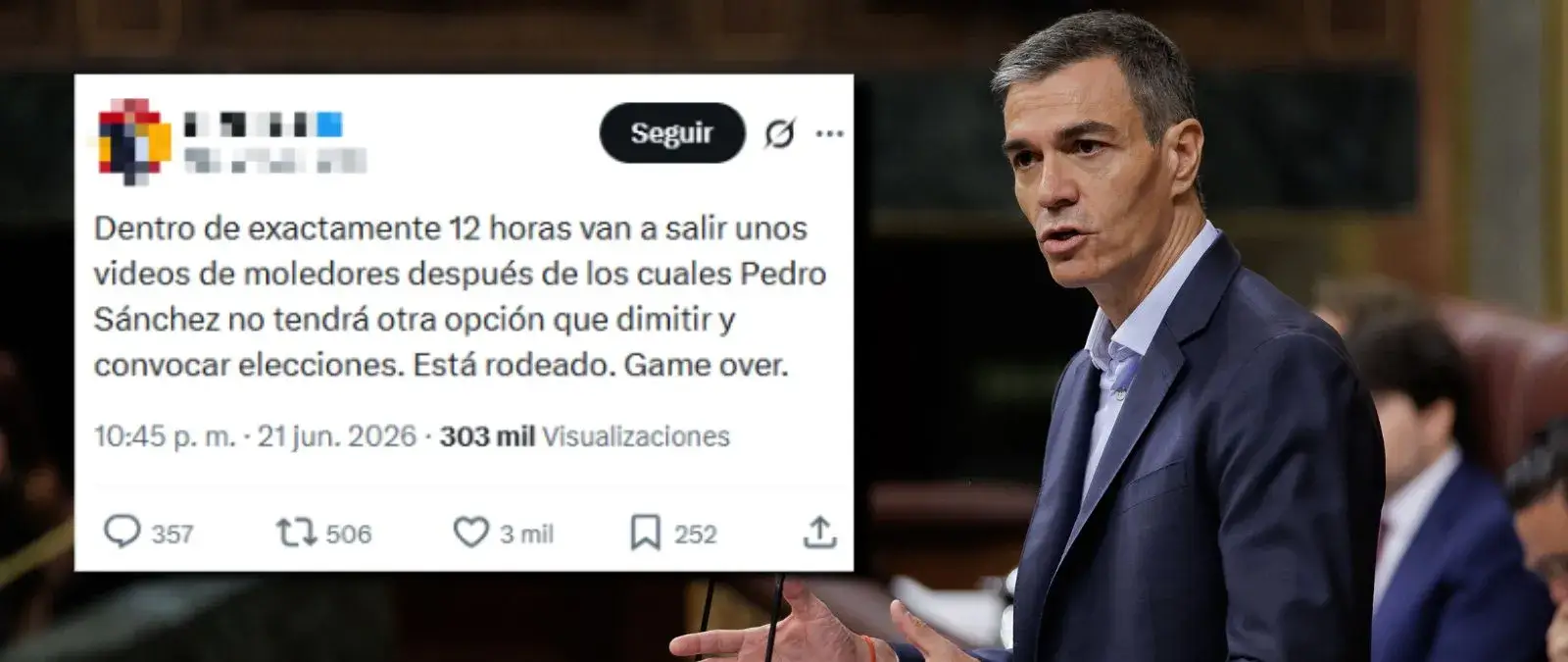
La teoría sin pruebas que afirma que en 12 horas saldrían vídeos "de moledores" de Pedro Sánchez que le harían dimitir Dentro de exactamente 12 horas van a salir unos videos de moledores después de los cuales Pedro Sánchez no tendrá otra opción que dimitir y convocar elecciones (sic). Con esta publicación –proveniente de una cuenta que paga por el tick azul– se ha viralizado, con más de 300.000 visualizaciones en X (antes Twitter) una teoría sin pruebas que no se ha cumplido: el post se publicó a las 22:45 del domingo 21 de junio de 2026; a 25 de junio, ni Sánchez ha dimitido como presidente del Gobierno ni han salido esos vídeos de moledores (sic) que provocarían su salida de La Moncloa. En los comentarios, algunos usuarios preguntan que cuándo se iban a dar a conocer las imágenes, otros se toman a broma la publicación y comparten imágenes de molinillos de café o de molinos de grano por el uso de moledor, en vez de demoledor sobre los supuestos vídeos que saldrían. Hay incluso quien pregunta a Grok si es otro usuario buscando fama a costa de bulos, a lo que la IA de X responde: Sí, parece bait de engagement o trolleo puro. Predicciones sensacionalistas sin base son habituales para sumar likes.
maldita · 3 months ago
ANDRES KRAAS ⟩ Rootslased tõid meid halvaks näiteks. Vene kodanikele kuuluv ülisuur kinnisvara hulk Eestis on tiksuv oht Rootsi mõjukaimas hommikulehes Dagens Nyheter ilmus 19. juunil ulatuslik artikkel selle kohta, et Euroopa Liidus kuulub Vene kodanikele lubamatult palju kinnisvara. Õigusteadlased väidavad, et nii rahvusvahelise õiguse kui ka Venemaal kehtivate seaduste järgi, mis kaitsevad eraomandi puutumatust ülemaailmselt, on EL-i riikides Vene kodanikele kuuluv kinnisvara Euroopale otseseks sõjaliseks ohuks. Eksperdid hoiatavad, et needsamad rahvusvahelised õigusaktid on Vene võimude käes tõhusaks relvaks, mis võivad takistada koguni NATO kollektiivkaitse artikli 5 rakendamist, kirjutab Andres Kraas (Isamaa).
postimees · 3 months ago
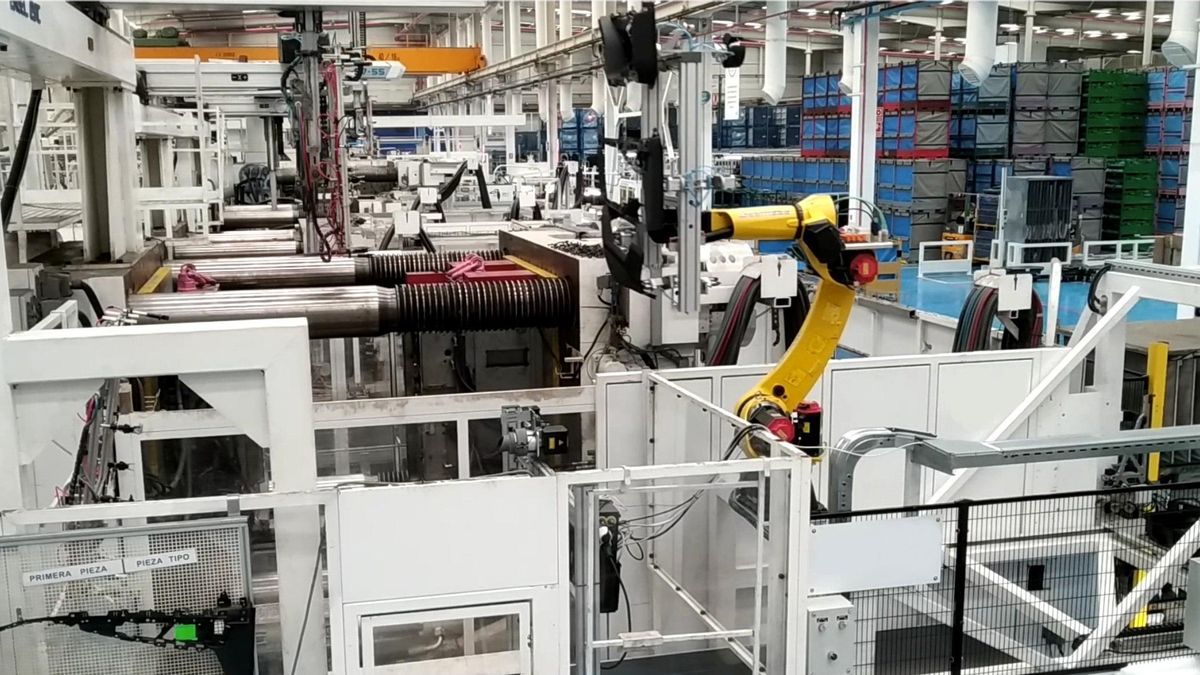
Los proveedores del automóvil prevén que el ajuste se prolongue en 2026 Sernauto espera el mantenimiento de la tendencia de contracción suave de la facturación y también del empleo entre los fabricantes de componentes ubicados en EspañaAlerta en los proveedores de automoción: Europa frena y China acelera La industria española de proveedores de automoción afronta el segundo semestre de 2026 con cautela. Tras cerrar 2025 con una ligera caída de la facturación y un estancamiento de la actividad, la Asociación Española de Proveedores de Automoción (Sernauto) advierte de que la tendencia de ajuste podría prolongarse durante este ejercicio si no mejora el contexto económico y geopolítico internacional. Contesta el Barómetro de Movilidad y Automoción 2026 en este enlace El sector facturó el pasado año 40.949 millones de euros, un 0,7 menos que en 2024, consolidando la desaceleración iniciada un año antes. Los fabricantes de componentes atribuyen esta evolución a los bajos volúmenes de producción de vehículos, la presión sobre los márgenes, la incertidumbre internacional y el impacto acumulado de la inflación. Las previsiones de la patronal para 2026 apuntan a una continuidad de esta situación. Aunque el primer semestre se ha desarrollado con relativa estabilidad, Sernauto considera que las tensiones geopolíticas, el encarecimiento de la energía, los costes logísticos, las materias primas y la financiación siguen condicionando la actividad empresarial. Si no se produce una mejora durante la segunda mitad del año, la organización prevé una nueva moderada contracción de la facturación acompañada de un ligero ajuste del empleo. Las inversiones se mantuvieron altas aunque también con tendencia al ajuste. Durante 2025 destinaron 1.450 millones de euros a capacidades productivas, apenas un 1,1 menos que el año anterior, mientras que la inversión en investigación, desarrollo e innovación alcanzó los 1.220 millones de euros, equivalente al 3 de la facturación sectorial y el doble de la media de la industria española. Inversiones bajo la incertidumbre No obstante, la patronal observa una leve tendencia descendente en el esfuerzo inversor en I+D+i durante los últimos ejercicios. Una evolución que relaciona con la incertidumbre regulatoria y con el riesgo de que proyectos tecnológicos se desplacen hacia países con mayores incentivos públicos para la innovación. La industria de proveedores continúa realizando un importante esfuerzo para adaptarse a la transformación de la movilidad a la vez que mantiene su competitividad, destacó Javier Pujol, presidente de Sernauto, quien recordó que este segmento aporta alrededor del 75 del valor de un vehículo y concentra una parte significativa de la innovación y la capacidad exportadora de la automoción española. En materia de empleo, el sector logró mantener prácticamente estable su plantilla directa durante 2025. Los proveedores de automoción dieron trabajo a 203.658 personas, un 0,2 más que el año anterior, mientras que el empleo total, incluyendo el indirecto, alcanzó las 325.850 personas. Sin embargo, la asociación reconoce que un deterioro adicional de la actividad podría traducirse en ajustes moderados durante 2026. La fortaleza exportadora continúa siendo uno de los pilares de la industria. Las ventas al exterior sumaron 24.688 millones de euros, un 1,5 menos que en 2024, pero todavía representan más del 60 de la facturación total. En el mercado nacional, la evolución fue dispar: el suministro de equipos y componentes a fabricantes de vehículos cayó un 1,9, hasta 9.236 millones de euros, mientras que el negocio de recambios creció un 4 y alcanzó el récord de 7.025 millones. A la espera de medidas de impulso Ante este panorama, Sernauto reclama acelerar la puesta en marcha de las medidas contempladas en el Plan España Auto 2030, reforzar los incentivos a la innovación, la digitalización y la descarbonización, simplificar la burocracia y facilitar el acceso a financiación, especialmente para las pequeñas y medianas empresas. La organización también defiende una política industrial europea más decidida, centrada en la competitividad, la producción local y la neutralidad tecnológica. Entre sus prioridades figura la implantación de normas de contenido local que incentiven la fabricación de vehículos y componentes en Europa y refuercen la autonomía estratégica de la industria frente a un entorno internacional cada vez más complejo. Con Oriente Medio como uno de los principales focos de incertidumbre y con la transformación tecnológica del automóvil aún en pleno desarrollo, los fabricantes de componentes consideran que España dispone de capacidades industriales, talento y conocimiento suficientes para consolidarse como uno de los grandes polos europeos del sector. Pero advierten de que mantener esa posición exigirá medidas urgentes para evitar que la actual fase de ajuste se convierta en una pérdida estructural de competitividad.
eldiario.es · 3 months ago
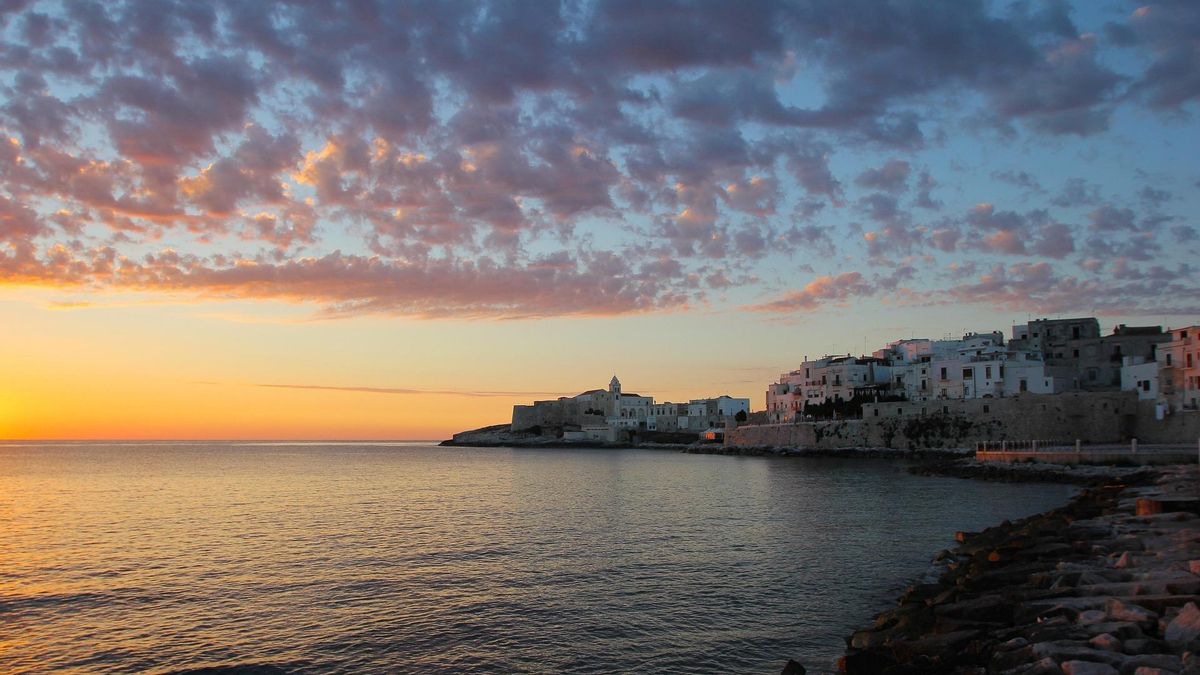
Italiano y de casas blancas, en este pequeño pueblo encontrarás acantilados, cuevas y hasta calles suspendidas sobre el mar Situada en el espolón de la bota, Vieste es conocida como la perla blanca del Adriático y ofrece a quien la visita innumerables alicientes¿Dónde bañarse en España? Mejor pegarse un chapuzón en la playa que en ríos y lagosLa playa española que parece una catedral solo cuando baja la marea: así se visita As Catedrais Vieste es, para cualquiera que lo visite, un pequeño tesoro situado en la punta más oriental del promontorio de Gargano, en la región de Puglia. Esta localidad de Italia, situada estratégicamente en el espolón de la bota, es conocida como la perla blanca del Adriático por su fisonomía deslumbrante. Su ubicación privilegiada ofrece vistas impresionantes donde el mar azul profundo se encuentra con estructuras históricas que desafían la gravedad desde lo alto de acantilados escarpados. Es un destino que combina la tranquilidad de un antiguo pueblo pesquero con una oferta turística vibrante y variada para todo tipo de viajeros. Pasear por sus calles es descubrir un rincón donde el tiempo parece haberse detenido entre la brisa marina y el sol de la mañana. Las aguas que bañan sus costas han sido reconocidas repetidamente por su limpieza y pureza excepcionales, un auténtico regalo para una localidad que resulta del cruce perfecto entre la esencia tradicional italiana y un toque exótico que cautiva a quienes lo visitan por primera vez. El entorno natural es simplemente fascinante, integrando playas de arena suave y una luz intensa que dota al paisaje de una vida vibrante. El corazón de esta población es su centro histórico, conocido como Vieste Vecchia, que se asienta sobre un promontorio de roca caliza blanca. Sus casas blancas se aglutinan de forma compacta, creando un laberinto de callejuelas medievales que rebosan de encanto y de un profundo sabor tradicional. En este trazado urbano, los visitantes encuentran pasadizos estrechos donde los tendederos de ropa se mezclan con pequeñas tiendas de artesanía de la zona. Algunas de sus calles parecen estar literalmente suspendidas sobre el mar, ofreciendo balcones naturales hacia el horizonte infinito del Adriático como la vía Judeca, uno de esos rincones donde la arquitectura se abre para revelar vistas panorámicas que logran cortar el aliento. El litoral de Vieste es un paraíso para los amantes del mar, con más de 500 cuevas marinas escondidas bajo sus acantilados Cada esquina de este pueblo blanco invita a perderse sin rumbo fijo, disfrutando de la magia que emana de sus antiguos arcos medievales. La luz intensa resalta la blancura de las fachadas, creando un escenario fotogénico que es muy apreciado por los amantes de la fotografía. Es una joya arquitectónica que ha sabido conservar su identidad intacta a pesar del inevitable paso de los siglos y la modernidad. La historia de Vieste es rica y compleja, remontándose incluso al Neolítico según los numerosos hallazgos arqueológicos encontrados en toda la región. Su posición estratégica la convirtió en blanco de invasiones constantes y de ataques piratas, como el cruel saqueo del pirata Dragut. El monumento de la Chianca Amara, situado junto a la catedral, sirve como recordatorio perenne de aquellos capítulos oscuros del pasado local. Dominando el horizonte se encuentra el imponente Castillo de Suabia, construido originalmente por Federico II en el siglo XIII como fortaleza. Cerca del castillo se erige la Catedral de la Asunción, un edificio del siglo XI que destaca por su estilo románico y sencillez. Esta basílica es una de las iglesias más antiguas y apreciadas de toda la zona del Gargano, en la provincia de Foggia. El patrimonio cultural se extiende también al Museo Malacológico, que alberga una colección impresionante de más de quince mil conchas. La naturaleza ha dotado a Vieste de escenarios fascinantes, siendo el monolito de roca Pizzomunno el símbolo más icónico de todo el Gargano. Esta enorme roca de piedra caliza blanca se alza 25 metros sobre la arena dorada de la playa del Castillo. Una romántica leyenda cuenta que Pizzomunno era un marinero que quedó petrificado por el dolor tras el secuestro de su amada. La formación geológica es un espectáculo de capas acumuladas de sílex y piedra que han resistido la erosión marina constante. Desde este punto, el perfil del pueblo recortado sobre el cielo ofrece una de las estampas más bellas de la geografía de Italia. Los acantilados escarpados que rodean la población son una exhibición de fuerza natural y belleza salvaje que cautiva a los bañistas. El contraste entre el blanco puro de la roca y el azul turquesa del agua crea una paleta de colores vibrante. Es un lugar donde la geología y el mito se entrelazan para ofrecer una experiencia visual y emocional que es profunda. El litoral de Vieste es un paraíso para los amantes del mar, con más de 500 cuevas marinas escondidas bajo sus acantilados. Muchas de estas cavidades son accesibles únicamente mediante excursiones guiadas en barco o navegando tranquilamente en un kayak. Algunas cuevas presentan aberturas en sus techos que permiten que la luz solar ilumine pequeñas lenguas de arena interiores. Otro hito natural imprescindible es el Arco de San Felice, una estructura de piedra que forma un puente natural sobre el Adriático. Las aguas cristalinas de las bahías cercanas, como la de San Lorenzo, son ideales para la práctica de diversos deportes acuáticos. Los visitantes pueden disfrutar de la natación, la vela o el windsurf en un entorno natural que es prácticamente virgen. La costa sur es especialmente rica en estas formaciones, ofreciendo bahías solitarias y calas encantadoras donde reina la paz. Es un escenario que invita a la exploración constante de sus secretos ocultos bajo la superficie y la roca blanca. Ciudad romántica Una de las estampas más singulares y auténticas de la costa de Vieste son los tradicionales trabucchi repartidos por todo el litoral. Estas antiguas estructuras de madera para la pesca parecen islas suspendidas sobre las aguas movedizas y acogedoras del Adriático. Representan un testimonio vivo de la antigua vida marinera, basada en gestos sencillos y en un trabajo físico que era muy duro. Su arquitectura ingeniosa permitía a los pescadores locales capturar peces sin necesidad de adentrarse en barcos al mar abierto. Hoy en día, muchos de estos ingenios se han conservado como símbolos culturales y algunos funcionan como restaurantes con vistas. Vieste es también un destino cargado de romanticismo, ejemplificado en la famosa Escalera del Amor situada en su centro histórico. Según la creencia popular, las parejas que logran subir juntas sus escalones quedarán unidas por un sentimiento eterno y verdadero. La combinación de patrimonio histórico, bellezas naturales y una atmósfera relajada asegura unas vacaciones perfectas e inolvidables. Despedirse de sus casas blancas y sus acantilados es siempre difícil, dejando en el viajero el deseo de volver muy pronto.
eldiario.es · 3 months ago

El bróker tiene la llave para acceder a la hipoteca más barata: ¿qué condiciones puede conseguir? El comparador financiero HelpMyCash nos dice cómo los brókers nos pueden poner al alcance hipotecas con un interés inferior a la media
la vanguardia · 3 months ago
Altersvorsorge: Wie sich der Riester-Nachfolger für Gutverdiener lohnen kann Aus dem Handelsblatt-Archiv: In das Altersvorsorgedepot kann mehr eingezahlt werden, als für die Förderung notwendig ist. Im Ruhestand sind dann die Steuersätze niedrig – mitunter werden sie aber teuer bezahlt.
handelsblatt · 3 months ago
Rentnerparadies: Rente im Ausland: Dieses Tool zeigt, wohin Sie auswandern sollten Den Lebensabend im Ausland verbringen, davon träumen viele. Doch wie finden Sie zum Beispiel heraus, in welchem Land am Meer es sonnig und sicher ist? Das Handelsblatt hilft bei der Auswahl.
handelsblatt · 3 months ago
Apă cu porția în Dolj. Comuna în care oamenii primesc apă din rețea doar opt ore pe zi. Ce riscă cei care depășesc 5mc/persoană pe lună Apă cu porția, în Dolj, odată cu creșterea temperaturilor. În comuna Ghercești, de exemplu, oamenii au apă de la rețea doar opt ore pe zi, iar cei care consumă prea mult, vor plăti tarife majorate de patru ori. Măsura ar urma să oprească risipa pe timpul verii când este, de obicei, secetă. Restricții similare sunt anunțate, în perioada următoare, și în alte localități din România.
digi24 · 3 months ago