Loading…
 Saturday, September 26Saturday, September 26
3 months · 3 summary articles
Death toll from Venezuela quakes surpasses four thousand as thousands remain missing
Death toll from Venezuela earthquakes rises to 3,535 as 16,740 injured
Death toll rises in Venezuela earthquakes as thousands remain missing
The death toll from Venezuela’s twin earthquakes has risen to 3,535, authorities said on Monday, as the scale of the disaster became clearer nearly two weeks after the disaster struck the capital and nearby coastal areas.
Top lawmaker Jorge Rodriguez said the latest official tally showed 16,740 people injured and 17,854 left without housing after the June 24 quakes, which measured magnitudes 7.2 and 7.5 and struck within seconds of each other. The new figures underscore the scale of the disaster in and around Caracas and La Guaira, the coastal area hit hardest, as criticism mounts over the government’s response.
Venezuela’s social vice presidency said at least 12,800 people were staying in 80 shelters across Caracas and La Guaira. Acting President Delcy Rodriguez has defended the government’s handling of the disaster amid growing frustration from Venezuelans who have described the response as late and inadequate. She said security forces were deployed immediately after the quakes and announced the creation of a new military unit to help tackle future emergencies and disasters.
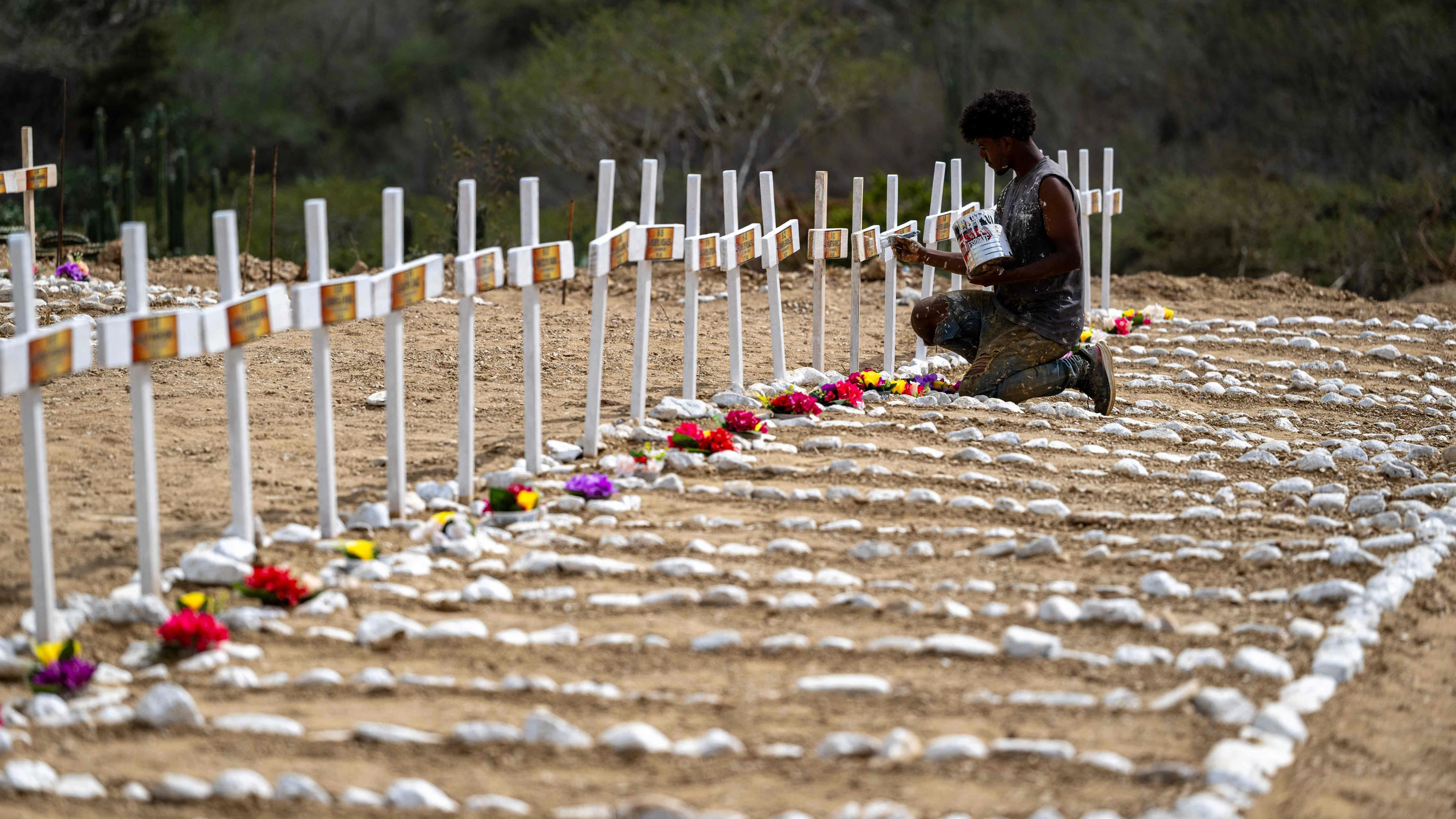
In La Guaira on Monday, Reuters witnesses saw trucks and forensic workers transporting coffins, while machinery dug trenches in an open area marked by white crosses, where authorities were burying unidentified bodies. The United Nations said it was continuing to ramp up aid operations in coordination with the government in Caracas. “Some search and rescue teams remain deployed in the affected areas, while other specialized engineering teams and medical support continue to arrive,” U.N. spokesperson Stephane Dujarric told reporters on Monday.
The U.N. Office for the Coordination of Humanitarian Affairs (OCHA) said critical services, including electricity and telecommunications, were being progressively restored. OCHA said at least 79 transitional camps in stadiums and sports centres were operational to host displaced people and provide aid. Some 17,000 people lost their homes in the tremors.
The death toll has climbed steadily since the quakes struck on June 24, with the confirmed number of fatalities rising from 2,645 on July 4 to 2,954 on July 5, then to 3,342 on July 6, and now to 3,535. The number of injured has also increased, reaching 16,740, while the number of people missing remains uncertain. The United Nations estimates the number of missing could be as high as 50,000, though other projections suggest a figure closer to 10,000.
The hardest-hit area, La Guaira, has seen entire neighbourhoods reduced to rubble, with rescue operations focusing on recovering survivors and recovering bodies. Thousands of rescue workers, including foreign teams, have been deployed to the region, but the scale of destruction has made the task increasingly difficult. The government has faced criticism for the slow pace of its response, with many families still awaiting assistance weeks after the disaster.
The international community has pledged support, with the U.N. and other organizations coordinating aid efforts. However, the scale of the crisis continues to grow, with fears of an impending health crisis as thousands sleep in crowded temporary shelters. The government has announced plans to create a new military unit to handle future emergencies, but for now, the focus remains on managing the aftermath of the disaster and providing relief to those affected.
Follow us for live European news
4 further sources not geolocated

Unwetter: Tote und Vermisste nach Fluten und Erdrutsch in China Gleich mehrere Regionen Chinas kämpfen mit schweren Regenfällen. Die Behörden melden etliche Tote. Und mit Blick auf den Pazifik könnte die Lage angespannt bleiben.
tagesspiegel · 3 months ago
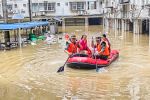
Mehrere Tote bei Unwettern in Zentralchina Wetterdienste warnten vor weiteren sintflutartigen Regenfällen. In der Provinz Gansu wurden über 30 Menschen bei einem Erdrutsch verschüttet
der standard · 3 months ago

The international rescue teams are packing up and heavy excavators are clearing rubble left by Venezuelas earthquakes. But for Venezuelans the search goes on u.afp.com/SKe3
bluesky_AFP English · 3 months ago
Peter Pellegrini prijme slovenských hasičov a záchranárov po návrate z Venezuely (prehľad očakávaných udalostí) V okrese Rimavská Sobota vzniká cesta s asfaltom z recyklovaných cigaretových filtrov, informovať o tom bude predseda Banskobystrického samosprávneho kraja Ondrej Lunter.
aktuality.sk · 3 months ago

Storms kill at least eight in central China as Typhoon Bavi looms offshore reut.rs/3TmpmMI
bluesky_Reuters · 3 months ago

Death toll from Venezuelan quakes passes 3,500
news.yahoo.com · 3 months ago
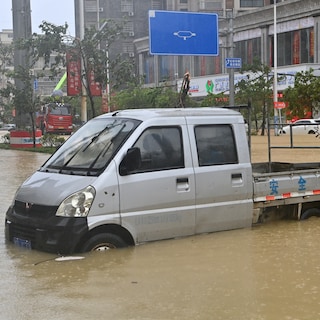
Stormweer in China maakt tien dodelijke slachtoffers
de morgen · 3 months ago
At least 16 people buried following landslide in China The country has been hit by damaging thunderstorms, leaving at least 275 people injured.
aljazeera · 3 months ago
Erdbebenkatastrophe: Mehr als 3.500 Tote: Opferzahl in Venezuela steigt weiter Während Rettungskräfte weiter in den Trümmern arbeiten, wird das Ausmaß der Erdbebenkatastrophe deutlicher. In dem südamerikanischen Land stürzten zahlreiche Gebäude ein.
tagesspiegel · 3 months ago
Between Graves and Uncertainty: The Management of the Dead After Venezuelas Earthquake Bellingcat has geolocated footage circulating on social media that appears to show coffins placed in newly dug trenches following the recent deadly earthquakes in Venezuela. The site identified extends over two hectares beside an existing cemetery in La Esperanza, a town near La Guaira on the countrys northern coast. It was visited by a representative of […] The post Between Graves and Uncertainty: The Management of the Dead After Venezuelas Earthquake appeared first on bellingcat.
bellingcat · 3 months ago
Τουλάχιστον 3.500 οι νεκροί από τους σεισμούς στη Βενεζουέλα, 16.740 οι τραυματίες
protothema · 3 months ago
Lines of graves are prepared for unidentified victims of the twin earthquakes that struck Venezuela on June 24, killing at least 3,500 people and injuring more than 16,700
bluesky_AFP English · 3 months ago
Dödssiffran skrivs upp Fler bekräftade döda i Venezuela
expressen · 3 months ago
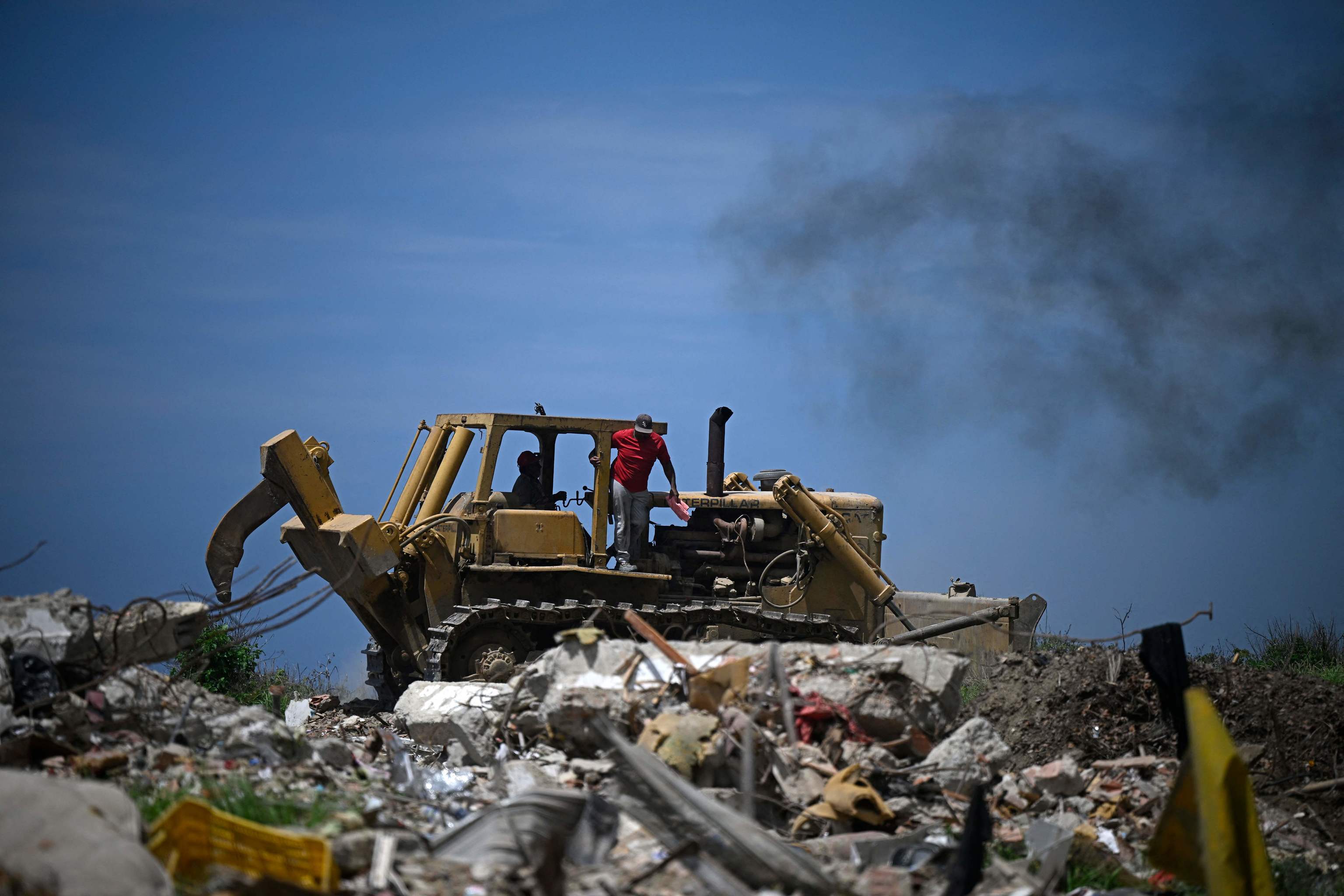
Ascienden a 3.535 los fallecidos y a 16.740 los heridos por los terremotos en Venezuela Las autoridades evitan hablar de desaparecidos, pero las Naciones Unidas estiman que el número podría llegar a 50.000 Leer
elmundo · 3 months ago
Landslide in Chinas Gansu province traps 16, state media says reut.rs/4p8bbXH
bluesky_Reuters · 3 months ago
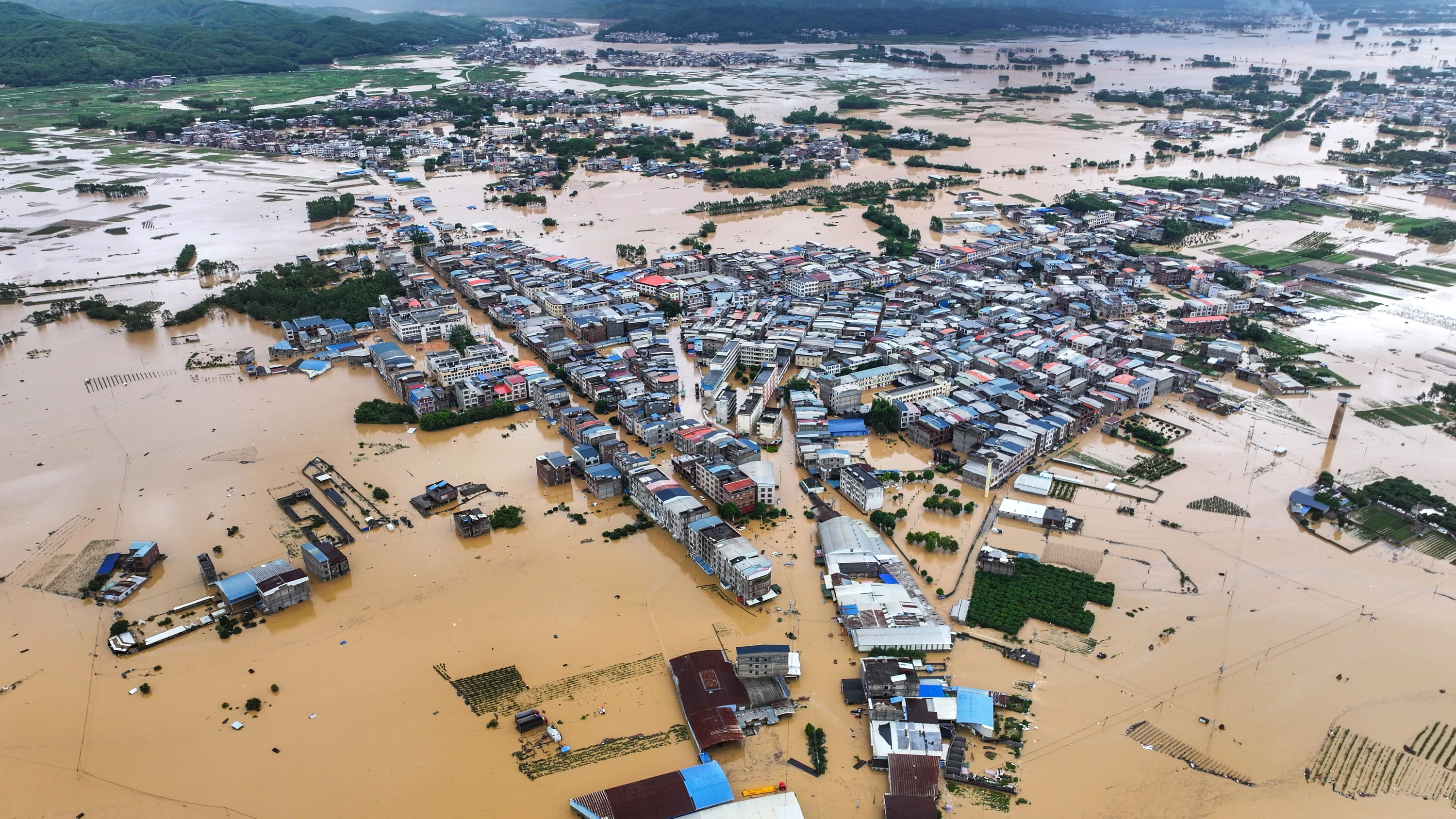
Erst kürzlich renoviert: Dammbruch nach heftigen Überschwemmungen in China Nach Überschwemmungen in Südchina werden zehntausende Menschen evakuiert. Mehrere Staudämme sind beschädigt, einer ist gebrochen. Auch in Nord- und Zentralchina gibt es nach Überschwemmungen Todesfälle.
faz · 3 months ago
Dödssiffran i Venezuela stiger ytterligare
svenska dagbladet · 3 months ago
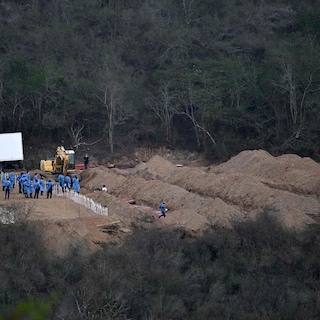
Nog eens bijna duizend lichamen geborgen in Venezuela, dodental naar ruim 3500
de volkskrant · 3 months ago
Venezuela earthquakes death toll jumps to more than 3,500 Experts warn of an impending health crisis, with thousands sleeping in crowded temporary shelters.
aljazeera · 3 months ago
Erdbeben in Venezuela: Zahl der Toten auf über 3.500 gestiegen
orf.at · 3 months ago
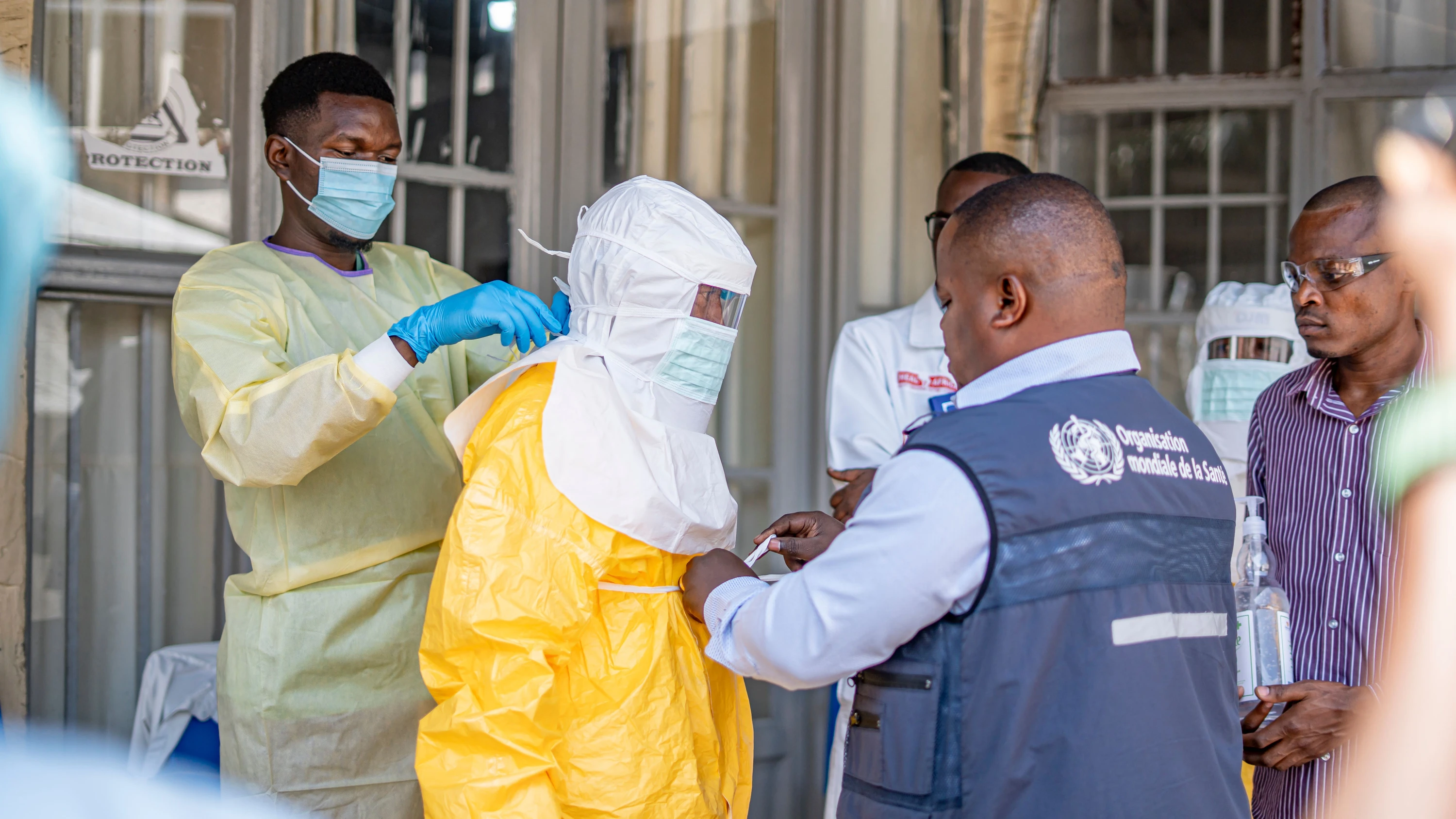
Kongo: Zahl der Ebola-Toten steigt auf mehr als 500 Der jüngste Ebola-Ausbruch wurde Mitte Mai von einer seltenen Variante des Ebola-Virus ausgelöst. Es gibt weder einen Impfstoff noch eine spezifische Behandlung.
faz · 3 months ago
Death toll from Venezuela quakes rises to 3,535 as thousands remain displaced The death toll from Venezuelas twin earthquakes has risen to 3,535, authorities said on Monday, while nearly 18,000 people remain homeless more than a week after the disaster…
japantoday · 3 months ago

Sismo de magnitude 2,8 sentido na ilha do Faial Teve epicentro a 11 quilómetros a norte de Bandeiras, na ilha do Pico
observador · 3 months ago
Ξεπέρασαν τους 500 οι θάνατοι από Έμπολα στη ΛΔ Κονγκό
protothema · 3 months ago
Survivors and bodies still being pulled from rubble days after twin quakes International aid teams have played a key part in Venezuelas miracle rescues, days after twin earthquakes struck.
aljazeera · 3 months ago
Erdbeben in Venezuela: Zahl der Todesopfer stieg auf mehr als 3500 16.740 Menschen wurden bei dem verheerenden Doppelerdbeben verletzt. Am 24. Juni hatten zwei starke Erdbeben den Norden Venezuelas erschüttert
der standard · 3 months ago
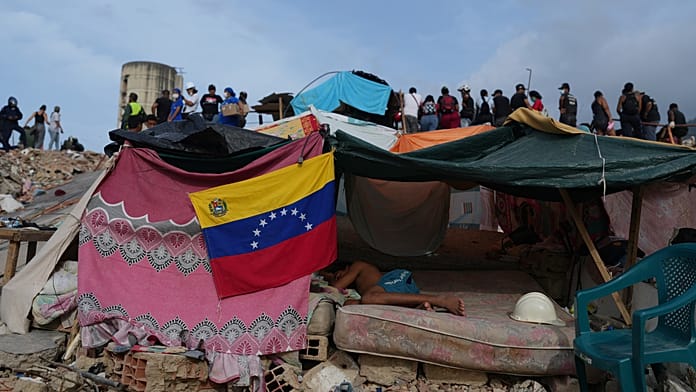
Number of Portuguese nationals and people of Portuguese descent killed in Venezuela rises to 96 The number of Portuguese nationals and people of Portuguese origin killed in the twin quakes in Venezuela has risen to 96, the Foreign Ministry told Lusa.
euronews · 3 months ago
Τουλάχιστον δύο νεκροί και 48.000 εκτοπισμένοι από τις πλημμύρες στην νότια Κίνα, δείτε φωτογραφίες
protothema · 3 months ago
Erdbeben in Venezuela: Die Zahl der Toten steigt immer weiter In Venezuela gibt es keine Hoffnung mehr, weitere Überlebende zu finden. Die Räumungsarbeiten beginnen. Und die Vereinten Nationen gehen von bis zu 50.000 Vermissten aus.
faz · 3 months ago

Venezuela: le bilan du double séisme monte à 3.535 morts Le bilan du double séisme du 24 juin au Venezuela a été révisé à la hausse et sélève désormais à 3.535 morts, selon un communiqué diffusé lundi par le gouvernement. ...
la libre · 3 months ago