Loading…
 Saturday, September 26Saturday, September 26
3 months · 5 summary articles
More than two weeks after Venezuela was struck by its deadliest earthquakes in more than a century, the official death toll has surpassed 4,000, with thousands still missing and rescue efforts shifting from life-saving to recovery. On Friday, Jorge Rodríguez, president of Venezuela’s National Assembly and brother of acting President Delcy Rodríguez, announced that 4,118 people have been confirmed dead and 16,740 injured in the twin quakes that hit on 24 June . The disasters—magnitude 7.2 and 7.5, striking 39 seconds apart—flattened entire districts in the coastal state of La Guaira, including the port city of the same name, leaving nearly 18,000 people homeless.
The government has yet to release an official count of the missing, but United Nations estimates suggest the number could be as high as 50,000, while other assessments place it closer to 10,000 . Aid agencies warn that the true death toll is likely to rise further as search teams abandon hope of finding survivors. “The chances of finding anyone alive are now extremely low,” said a spokesperson for the International Federation of Red Cross and Red Crescent Societies, which has deployed teams across the affected region.
More than 30,000 Venezuelan personnel and 3,454 international rescuers have been mobilised to assist the displaced, who are sheltering in 89 temporary camps . The scale of destruction has overwhelmed local services already weakened by years of economic crisis. On Wednesday, the United Nations launched an urgent appeal for nearly $300 million to fund relief operations, while Delcy Rodríguez has called for the release of frozen foreign assets, including 30 tons of Venezuelan gold held under UK sanctions, to finance recovery .
The quakes, the strongest in Venezuela since 1900, were followed by more than 1,000 aftershocks, many of which triggered panic evacuations. On Friday, a magnitude 3.0 tremor near central Caracas prompted the evacuation of several buildings, underscoring the lingering instability .
Families of the missing continue to sift through rubble in La Guaira, driven by the hope of recovering bodies for proper burials. “We will not stop searching until we know,” said María González, whose brother was last seen in the wreckage of a collapsed apartment block. “It is the only way to bring closure.” With rescue operations winding down, the focus has turned to clearing debris and providing medical care to the injured, many of whom face long-term disabilities.
International aid has begun to arrive, but logistical challenges persist. Venezuela’s interim government has pledged to coordinate relief efforts, though critics argue that years of mismanagement and sanctions have hampered the country’s ability to respond effectively. The disaster has also reignited debates over the release of frozen assets, with Delcy Rodríguez’s appeal to King Charles III highlighting the financial constraints facing the cash-strapped nation .
As the country grapples with the aftermath, the human cost of the quakes continues to mount. With thousands unaccounted for and entire communities reduced to rubble, the path to recovery remains uncertain, shadowed by both grief and the daunting task of rebuilding.
Follow us for live European news
1 further source not geolocated

Sismos. Governo venezuelano pondera apoiar portugueses Secretário de Estado das Comunidades Portuguesas diz que governo da Venezuela vai ponderar apoio "aos negócios e às vidas" dos portugueses afetados pelos sismos.
observador · 3 months ago

Death toll in Venezuela quakes surpasses 4,000 The death toll from Venezuelas devastating twin earthquakes has risen above 4,000, authorities said Friday, as families continued searching through the rubble for missing loved ones more than two weeks after the countrys deadliest quake in over a century.
france24 · 3 months ago
Počet obetí zemetrasení vo Venezuele presiahol 4100, zničené sú celé štvrte Dve prudké zemetrasenia vo Venezuele si vyžiadali už viac ako 4 100 mŕtvych a desaťtisíce zranených. Tisíce nezvestných ľudí stále čakajú na záchranu či pohreb.
aktuality.sk · 3 months ago
Dodental aardbevingen Venezuela loopt op naar ruim 4100, mogelijk nog tienduizenden mensen vermist
trouw · 3 months ago
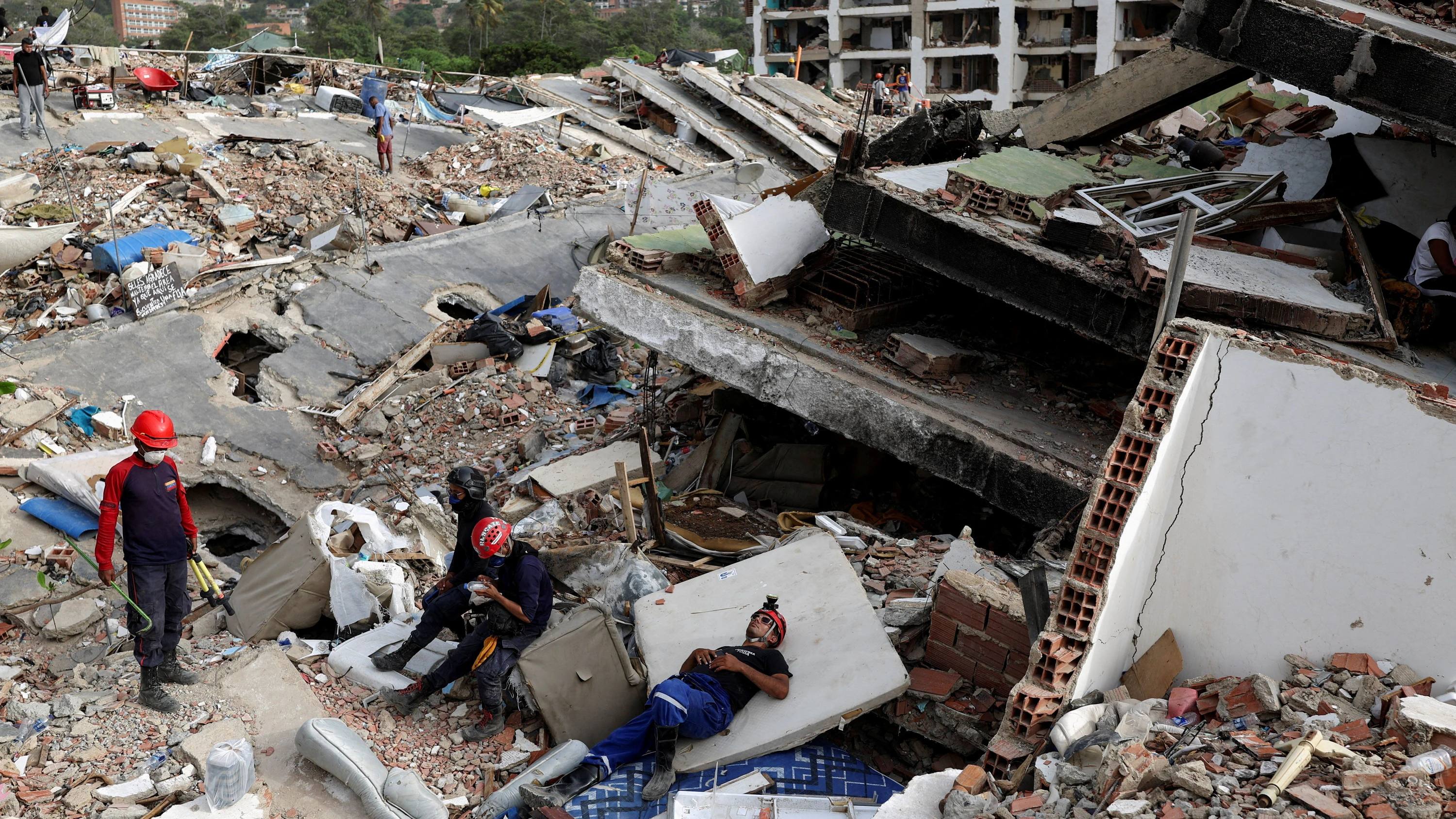
Nach Erdbeben: Zahl der Toten in Venezuela steigt auf mehr als 4.000 Auch Wochen nach den schweren Erdbeben in dem südamerikanischen Land wächst die Zahl der Toten. Hilfskräfte konzentrieren sich auf die Versorgung der Betroffenen.
faz · 3 months ago

More than 4,000 dead as Venezuelan earthquake death toll mounts
news.yahoo.com · 3 months ago
Venezuela death toll rises to over 4,000 after quake Two earthquakes with magnitudes of 7.2 and 7.5 struck near Venezuelas capital, Caracas, on Wednesday, June 24. Striking less than a minute apart, they are the countrys strongest earthquakes since 1900. According to figures released on Friday by Venezuelas parliamentary speaker, Jorge Rodriguez, 4,118 people have died, an increase of 229 since Thursday. Additionally, 16,740 […]
cphpost · 3 months ago
Zahl der Erdbeben-Toten in Venezuela auf über 4000 gestiegen Zwei Wochen nach dem schweren Erdbeben gelten immer noch tausende Menschen als vermisst
der standard · 3 months ago

Séismes au Venezuela : le bilan du double séisme dépasse les 4.000 morts Le bilan du double séisme du 24 juin au Venezuela a été révisé à la hausse et dépasse désormais les 4.000 victimes à 4.118 morts, selon un communiqué diffusé jeudi par le gouvernement. ...
la libre · 3 months ago
Venezuelan doctors convert restaurant into a clinic after earthquake Volunteers in La Guaira have transformed a fast-food restaurant into an emergency clinic.
aljazeera · 3 months ago
Τουλάχιστον 4.118 οι νεκροί στη Βενεζουέλα, χιλιάδες οι αγνοούμενοι
protothema · 3 months ago
Nach Erdbeben in Venezuela: Zahl der Toten steigt auf über 4000 Gut zwei Wochen nach dem schweren Doppel-Erdbeben in Venezuela ist die Zahl der Todesopfer auf mehr als 4000 gestiegen. Zudem werden Tausende Menschen noch vermisst.
tagesspiegel · 3 months ago
Venezuela quake death toll rises to 4,118 with thousands injured National Assembly President Jorge Rodriguez said Friday the death toll from last months twin earthquakes has reached 4,118, as authorities mobilized over 30,000 personnel and 3,454 international rescue workers to assist thousands of displaced families still sheltering in 89 temporary camps across the disaster zone.
yenisafak · 3 months ago
Erdbebenkatastrophe: Mehr als 4.000 Todesopfer nach Beben in Venezuela Auch mehrere Wochen nach den beiden schweren Erdbeben in dem südamerikanischen Land wächst die bestätigte Zahl der Toten weiter. Hilfskräfte konzentrieren sich auf die Versorgung der Betroffenen.
tagesspiegel · 3 months ago

Death toll rises to over 4,000 in Venezuela as search efforts are still underway
news.yahoo.com · 3 months ago
Over 4000 døde etter jordskjelvet i Venezuela Så langt er 4118 bekreftet døde etter de to kraftige jordskjelvene i Venezuela, opplyser lederen for landets…
aftenposten · 3 months ago
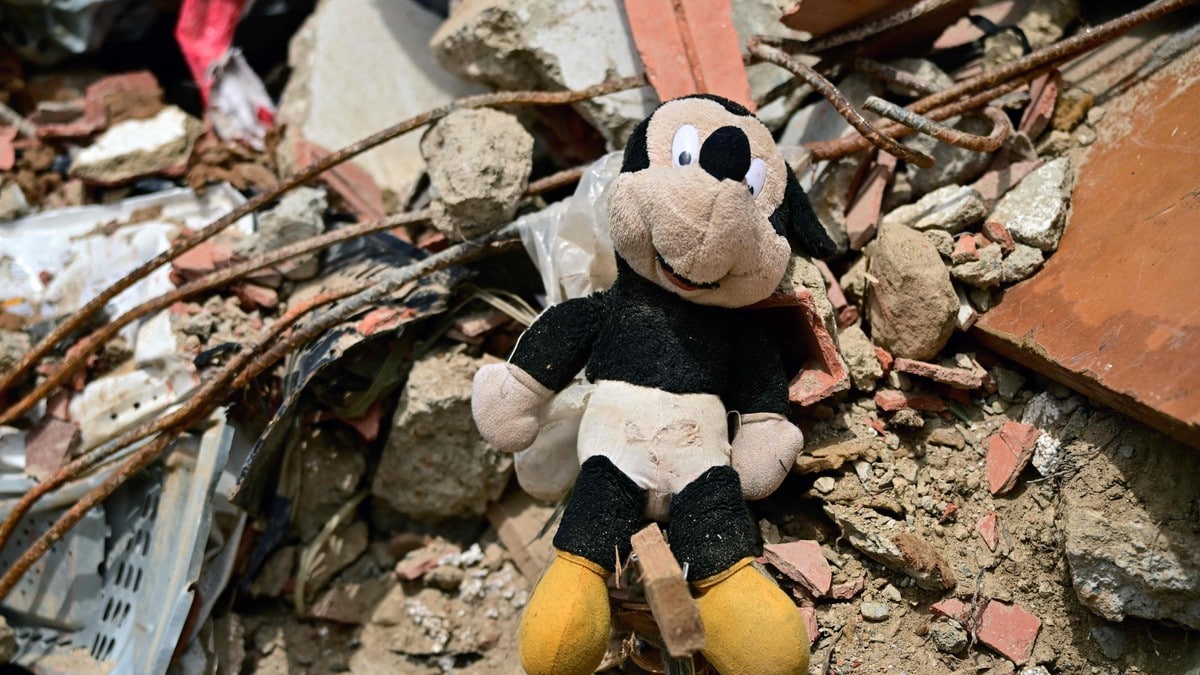
Antall døde etter jordskjelvet i Venezuela har passert 4000 Dødstallene etter jordskjelvene i Venezuela har steget til 4 118, ifølge tall som ble lagt frem av presidenten for den venezuelanske nasjonalforsamlingen, Jorge Rodriguez, fredag. Antall skadde etter jordskjelvene var uendret på 16 740, mens 17 907 mennesker fortsatt var hjemløse, melder nyhetsbyrået Reuters.
nrk · 3 months ago
Psí záchranář Brit zasahoval při zemětřesení ve Venezuele. Vysokomýtský ohař si s hasiči vysloužil medaili Po ničivém zemětřesení na severu Venezuely pomáhali s hledáním zavalených lidí i záchranáři z českého USAR týmu. Mezi nimi byl i hasič a kynolog z Pardubického kraje David Hynek spolu se svým záchranářským psem Britem. Pro pětiletého německého ohaře to byla vůbec první zahraniční mise.
irozhlas.cz · 3 months ago
Erdbeben in Venezuela: Zahl der Erdbeben-Toten in Venezuela steigt auf über 4.000 Zwei Wochen nach den schweren Erdbeben in Venezuela ist die Zahl der Toten auf 4.118 gestiegen. Fast 17.000 Menschen wurden verletzt. Tausende werden weiter vermisst.
die zeit · 3 months ago