
US Supreme Court backs Bayer in glyphosate weedkiller legal battle

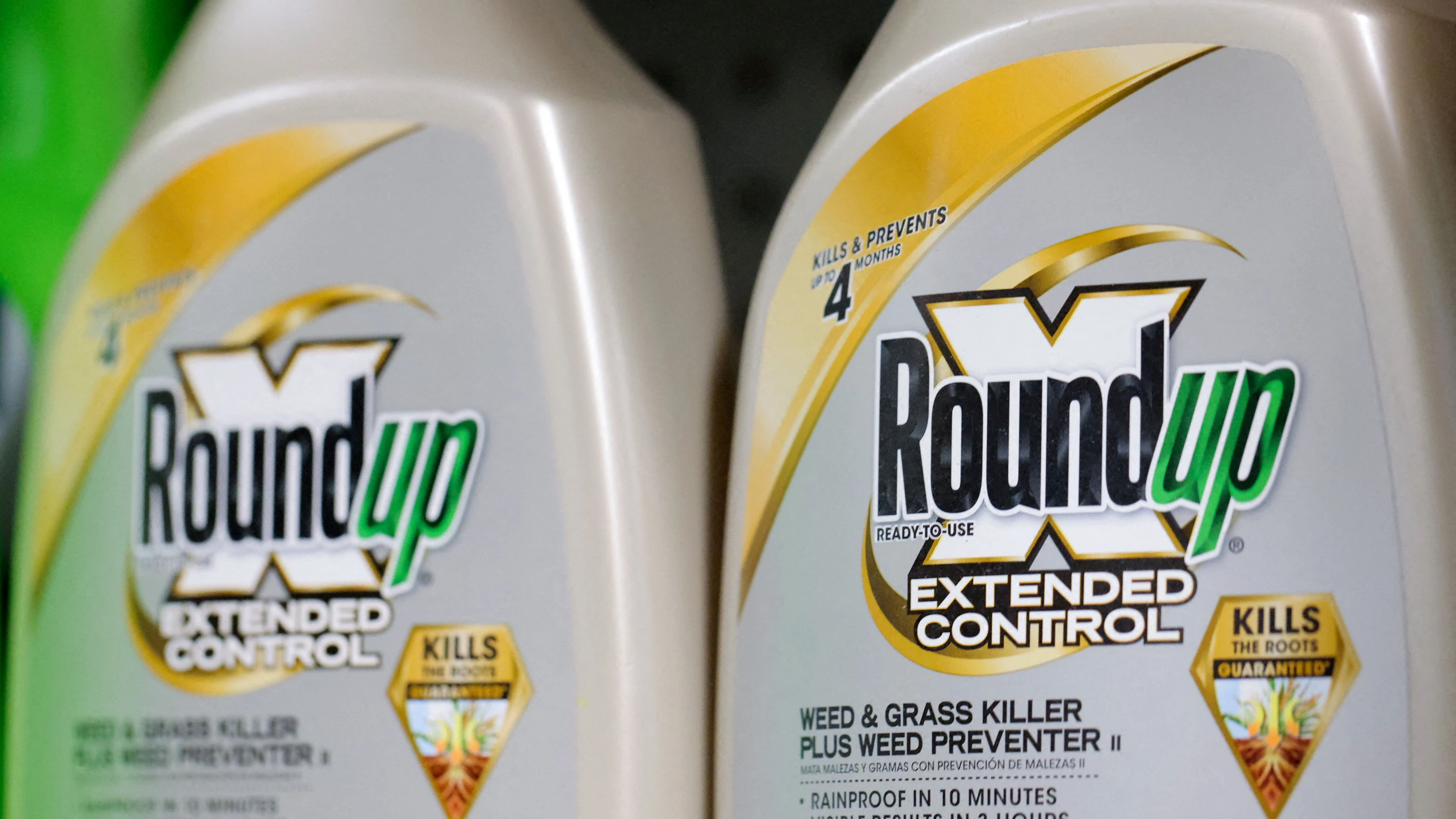
The US Supreme Court ruled 7-2 on Thursday in favour of Bayer, delivering a decisive victory in the German conglomerate’s decade-long legal battle over the weedkiller glyphosate. The justices found that federal pesticide law pre-empts state-level “failure-to-warn” claims, effectively stripping thousands of pending lawsuits of their legal basis. The ruling, written by Justice Brett Kavanaugh, affirms that Monsanto—now owned by Bayer—was required only to display the cancer warning label approved by the Environmental Protection Agency, not those demanded by individual states .
The decision marks the most significant legal setback yet for plaintiffs who had argued that Roundup’s labels failed to adequately warn of cancer risks. Justice Kavanaugh, joined by six colleagues, wrote that federal law “requires Monsanto to sell Roundup with the label that EPA approved at the initial registration and that EPA has subsequently re-approved on multiple occasions—that is, the label without a cancer warning” . Justices Ketanji Brown Jackson and Neil Gorsuch dissented. The court’s ruling applies retroactively, meaning pending cases nationwide are now vulnerable to dismissal.
Bayer’s share price surged 17% in Frankfurt following the announcement, reflecting investor relief after years of litigation that had cost the company more than €16 billion in settlements and legal fees . The company said the decision “is good for science, farmers, and industries that depend on regulatory clarity for innovation” . Legal analysts noted that the ruling could also influence similar cases involving other chemicals and consumer products, setting a precedent for federal pre-emption in product-liability disputes.
The case originated with a Missouri resident who developed cancer after decades of handling Roundup as a neighbourhood spray volunteer. His lawsuit, consolidated into a broader multidistrict litigation, had become a bellwether for thousands of similar claims . Environmental and public-health advocates criticised the decision, arguing it undermines state-level consumer protections and weakens the EPA’s ability to mandate stronger warnings. Health Secretary Robert F. Kennedy Jr. has previously described glyphosate as an environmental toxin linked to chronic disease, though the EPA has consistently maintained that the herbicide does not pose a cancer risk when used as directed .
With the Supreme Court’s ruling now final, Bayer faces an immediate wave of motions to dismiss in federal and state courts. Legal experts expect most cases to be stayed or withdrawn within weeks, though some plaintiffs may attempt to refile under narrower legal theories. The decision also closes a chapter on one of the most expensive mass-tort litigations in US corporate history, leaving Bayer to focus on rebuilding investor confidence and accelerating its agricultural innovation pipeline.
Follow us for live European news
- 6
- 3
- 1
- 1
- 1
- 1
- 1
- 1
- 1
3 further sources not geolocated
Articles

Appeal filed in human trafficking case in Gstaad All parties have lodged an appeal following the conviction of a family of Serbian origin for human trafficking in the Bernese Oberland. The three defendants are accused of having lured women from their home country to Switzerland over a period of several years and exploited them as cleaners in appalling conditions. Both the three defendants and the prosecution lodged appeals against the verdicts within the prescribed time limit, defence lawyer Florian Kaufmann told the Keystone-SDA news agency on Thursday. This followed consultation with the other parties. The parties are now awaiting the written grounds for the judgement. This may take several months. Once the written judgement has been received, an appeal may be lodged within 20 days. According to Kaufmann, the notice of appeal must specify whether the judgement is being challenged in full or in part, what amendments to the first-instance judgement are being sought, and what applications for evidence are being made. Not a case of ...
swissinfo · about 2 hours ago
Dutch Supreme Court: No Box 3 refunds for taxpayers who failed to file timely objections People who failed to file a timely objection to the unlawful Box 3 tax levy will not receive a refund,
nltimes.nl · about 2 hours ago
As temperatures soar, Paris court set to rule on landmark climate change case
gdeltproject.org · about 2 hours ago
Estonias top court limits claims for child support overpayments Parents who voluntarily pay child support before a court order generally cannot reclaim overpayments if a judge later mandates a lower amount, the Supreme Court ruled.
news.err · about 2 hours ago

Three International Criminal Court judges filed a 66-page lawsuit in Manhattan federal court on June 24, 2026, challenging sanctions imposed against them under President Donald Trumps Executive Order 14203. The judges argue the sanctions are unlawful and represent an unprecedented attack on judicial independence. 🌍 #worldnews
mastodon bot · about 2 hours ago

TotalEnergies must report risks caused by emissions, Paris court rules reut.rs/4g5Km42
bluesky bot · about 2 hours ago
JUST IN: US Supreme Court scales back Roundup cancer lawsuits reut.rs/4vqgfsE
bluesky bot · about 2 hours ago

US Supreme Court scales back Roundup cancer lawsuits reut.rs/4wev6GS
bluesky bot · about 2 hours ago
BREAKING: US Supreme Court sides with Trump in asylum-processing case reut.rs/4f2BsmH
bluesky bot · about 2 hours ago

Supreme Court lets Trump end deportation protections for Syrians and Haitians reut.rs/4uSuo0z
bluesky bot · about 2 hours ago

Procès climatique contre TotalEnergies : la justice ordonne au groupe pétrolier de prendre en compte les émissions de CO₂ de ses clients Depuis 2020, une coalition dassociations et la Ville de Paris demandent à la justice de contraindre TotalEnergies à réduire ses émissions de gaz à effet de serre. Cette dernière vient dexiger que le groupe pétrolier intègre dans son plan de vigilance les émissions de ses clients. Une avancée significative.
le monde · about 2 hours ago

„Das setzt die Kinder wahnsinnig unter Druck Die Hamburger Hauptermittlerin stellt sich im Block-Prozess klar hinter die Kinder. Sie warnt vor zusätzlichem Druck durch Fragen nach möglicher Beeinflussung. Im Gericht wird lange über die Aussage gestritten.
welt.de · about 2 hours ago
Streit über Glyphosat: Bayer erringt entscheidenden Sieg vor US-Supreme-Court Mit dem Urteil des obersten US-Gerichts ist Tausenden weiteren Klagen die Grundlage entzogen worden. Die Aktie des Pharma- und Agrarkonzerns schoss in die Höhe.
tagesspiegel · about 2 hours ago
Rechtsstreit: Bayer gewinnt im Glyphosat-Streit vor US-Supreme-Court Das Urteil ist für Bayer ein Befreiungsschlag. Die Richter entziehen Tausenden Klagen wegen angeblich unzureichender Krebs-Warnhinweise die Grundlage. Die Aktie steigt stark.
handelsblatt · about 2 hours ago
AI-powered legal win sets landmark precedent in UK courts In a historic first for British jurisprudence, an artificial intelligence system successfully prepared a legal case that resulted in a favourable ruling. The claimant, who was represented in court by a human barrister, recovered £7,000 in unpaid dues, signalling a transformative moment for affordable legal services.
yenisafak · about 2 hours ago
Unkrautvernichter Glyphosat: Supreme Court entscheidet zugunsten von Bayer in Glyphosat-Streit In den USA hat Bayer einen wichtigen Sieg errungen. Tausende Klagen wegen fehlender Krebswarnhinweise auf Glyphosat-Verpackungen stehen damit vor dem Aus.
die zeit · about 2 hours ago
Pharma: Erfolg für Bayer vor Oberstem US-Gericht in Glyphosat-Streit
die zeit · about 2 hours ago
Glyphosat: Bayer gewann vor US-Supreme-Court
orf.at · about 2 hours ago
Urteil: Bayer gewinnt im Glyphosat-Streit vor dem Supreme Court Entscheidender Sieg für Bayer: Der Supreme Court entscheidet, dass die Zulassungsvorgaben der US-Bundesbehörden Vorrang vor dem Recht einzelner Bundesstaaten haben.
faz · about 2 hours ago
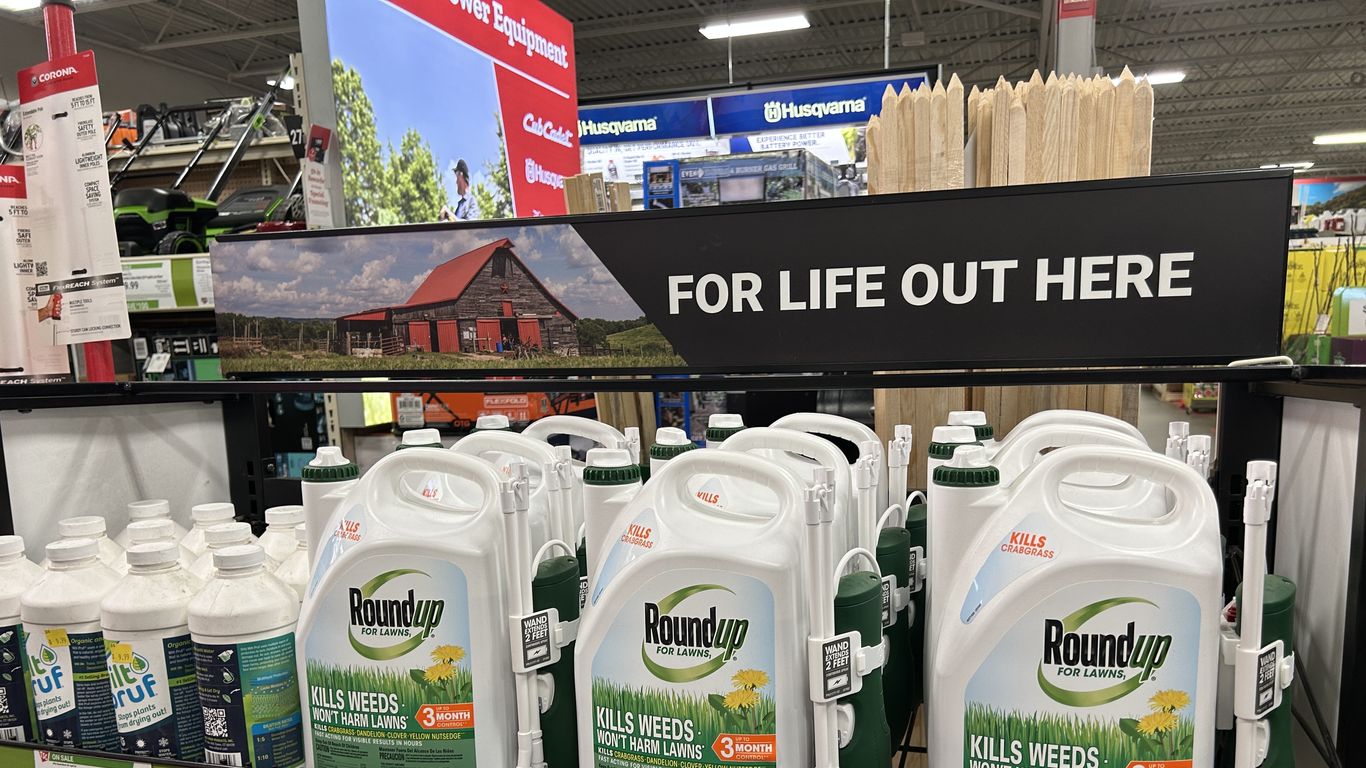
Supreme Court blocks lawsuits over chemical risks The Supreme Court ruled Thursday that consumers cant use state courts to bring "failure-to-warn" lawsuits against manufacturers that dont warn of hazards surrounding their products.Why it matters: The case was a major friction point for activists in the "Make America Healthy Again" movement, who have been calling for a crackdown on chemicals like glyphosate, the active ingredient in the weedkiller Roundup, in the food supply.Driving the news: In a 7-2 ruling, justices said federal pesticide law preempts a lawsuit against Monsanto, the maker of Roundup, for failing to include a warning about cancer risks on the label.While Health Secretary Robert F. Kennedy Jr. has pointed to glyphosate as an environmental toxin that contributes to chronic disease, the Environmental Protection Agency, which regulates pesticides, has balked at characterizing it as harmful.Federal law "requires Monsanto to sell Roundup with the label that EPA approved at the initial registration and that EPA has subsequently re-approved on multiple occasions—that is, the label without a cancer warning," Justice Brett Kavanaugh wrote for the majority.Justices Ketanji Brown Jackson and Neil Gorsuch dissented.Monsanto said the decision "is good for science, farmers, and industries that depend on regulatory clarity for innovation."
axios · about 2 hours ago
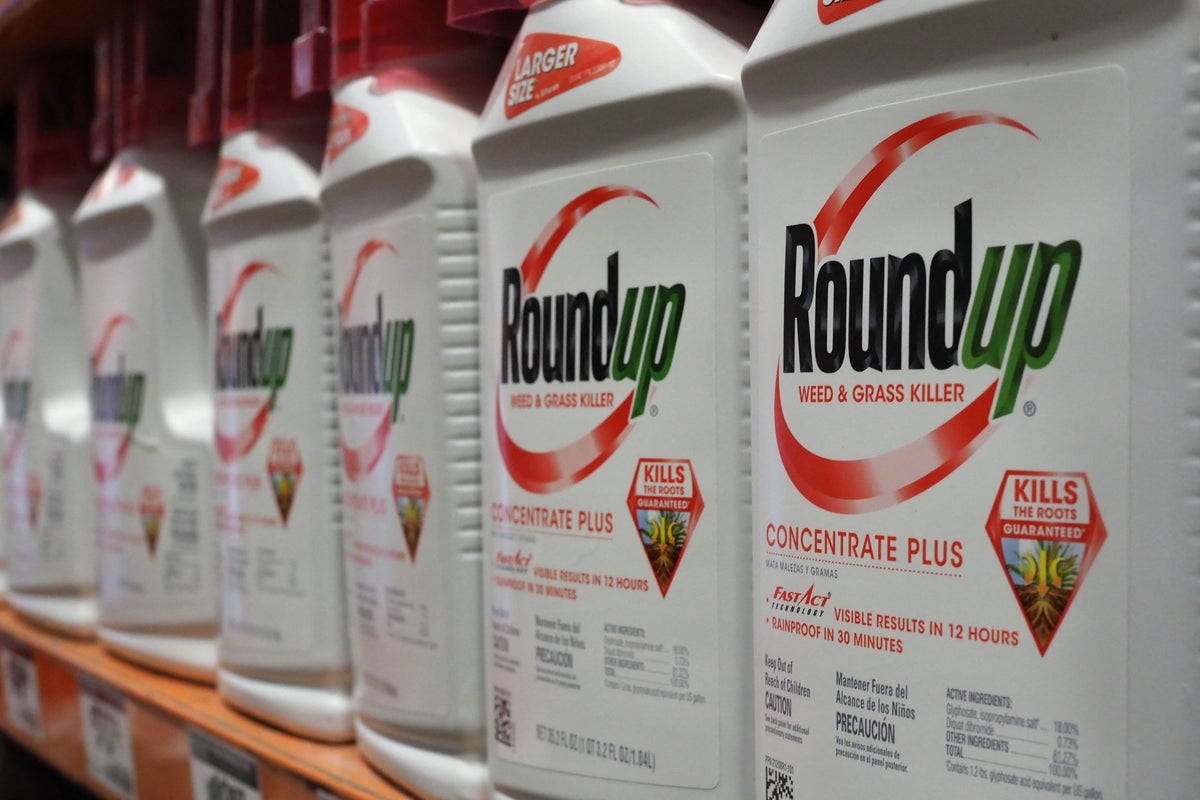
Supreme Court sides with Roundup weedkiller maker in battle over cancer warning The case before the court was filed by a Missouri resident who developed cancer after more than 20 years of serving as the neighborhood associations spray guy
independent · about 2 hours ago

US Supreme Court sides with Trump in asylum-processing case reut.rs/3SwmBrU
bluesky bot · about 2 hours ago

US Supreme Court rules for challenge to Hawaii handgun limits reut.rs/4agY6Fh
bluesky bot · about 2 hours ago

US-Supreme-Court entscheidet zugunsten von Bayer im Glyphosat-Streit Der Gerichtshof entschied, dass die Zulassungsvorgaben der US-Bundesbehörden Vorrang vor dem Recht einzelner Bundesstaaten haben
der standard · about 2 hours ago

Bayer gewinnt im Glyphosat-Streit vor US-Supreme-Court – Aktie steigt deutlich Im jahrelangen Streit um gesundheitliche Folgen des Pflanzenschutzmittels Glyphosat entscheidet der Oberste Gerichtshof der USA zugunsten des Bayer-Konzerns aus Leverkusen. Weitere Klagen dürften abgewiesen werden, erklärt das Unternehmen.
welt.de · about 2 hours ago
Berlin / Brandenburg: Erfolg für Bayer vor Oberstem US-Gericht in Glyphosat-Streit Erfolg für Bayer vor Oberstem US-Gericht in Glyphosat-Streit
tagesspiegel · about 2 hours ago
Bayer gewinnt im milliardenschweren Glyphosat-Streit vor US-Supreme-Court Damit entzogen die Richter Tausenden Klagen wegen angeblich unzureichender Krebs-Warnhinweise die Grundlage.
die presse · about 2 hours ago
Bayer gewann im Glyphosat-Streit vor US-Supreme-Court Der Gerichtshof entschied, dass die Zulassungsvorgaben der US-Bundesbehörden Vorrang vor dem Recht einzelner Bundesstaaten haben
der standard · about 2 hours ago
Supreme Court entscheidet zugunsten von Bayer in Glyphosat-Streit
die zeit · about 2 hours ago
Glyphosat-Klagen: Bayer gewinnt im Glyphosat-Streit vor US-Supreme-Court Der Pharma- und Agrarkonzern Bayer hat im US-Rechtsstreit um Glyphosat und Krebsrisiken einen wichtigen Sieg errungen. Die Bayer-Aktie steigt um 17 Prozent.
sueddeutsche · about 2 hours ago