 Wednesday, May 20Wednesday, May 20
Trump Halts Planned Military Strike on Iran Following Gulf States’ Request U.S. President Donald Trump announced on Monday that he had postponed a planned military strike on Iran, originally scheduled for Tuesday, 19.05.2026, at the request of Gulf leaders, including the Emir of Qatar, the Crown Prince of Saudi Arabia, and the President of the United Arab Emirates. The leaders urged Trump to delay the attack to allow for ongoing negotiations with Tehran, which they believe could lead to a deal acceptable to the U.S. and regional allies. Trump stated that the negotiations aim to ensure Iran does not acquire nuclear weapons, though no recent breakthroughs have been reported. While the attack plans have been suspended, Trump warned that the U.S. remains prepared to launch a "full, large-scale assault" if an agreement is not reached .
The decision to delay the strike followed Iran’s submission of an updated peace proposal on Sunday, which the White House deemed insufficient. Trump has repeatedly postponed military actions against Iran since the conflict began, extending deadlines at least half a dozen times. U.S. officials indicated that if Iran does not shift its position, negotiations may continue "through bombs" .
Iran Establishes New Authority to Control Strait of Hormuz Amid Stalled Talks Iran announced the formation of the *Persian Gulf Strait Authority (PGSA)*, a new body tasked with managing maritime traffic in the Strait of Hormuz, a critical waterway for global oil shipments. The move follows months of disruptions linked to the conflict with the U.S. and Israel, during which Iran has effectively closed the strait and imposed tolls and restrictions on shipping. The PGSA will provide real-time updates on operations in the strait, signaling Tehran’s intent to tighten control over the region .
The announcement comes as peace talks between Iran and the U.S. remain stalled. Iranian President Masoud Pezeshkian proposed a long-term truce and the reopening of the Strait of Hormuz but did not commit to ending uranium enrichment. Trump, in response, stated he was not open to concessions, while Israeli Prime Minister Benjamin Netanyahu indicated readiness for further military action .
Regional Tensions and International Reactions The UAE accused Iran or its proxies of a drone strike near a nuclear plant, further escalating regional tensions. German Chancellor Friedrich Merz criticized Trump’s handling of the Iran conflict, suggesting the U.S. was being outmaneuvered in negotiations and warning of severe economic damage to Europe due to the closure of the Strait of Hormuz. Merz also condemned Iranian airstrikes on the UAE and other partners, calling for an end to violence and unrestricted access to the strait . Trump, however, warned that Iran faces a "large-scale assault" if negotiations fail, emphasizing that time is running out for a diplomatic resolution .
> Background: **Iran submits new truce proposal as US threatens military escalation** — *2 hours ago*
More LFE coverage on this topic

Trump Says Planned Iran Attack On Hold After Gulf Leaders Request The president said Gulf leaders requested he pause plans for strikes that had been set for Tuesday to allow for negotiations with Tehran over a prospective deal to end the war.
wsj · 2 days ago

Iran announces new body to manage Strait of Hormuz as peace talks stall Iran announced a new body to oversee the Strait of Hormuz on Monday, signalling tighter control over the strategic waterway after months of disruption linked to its war with the United States and Israel. Tehran says the authority will manage maritime traffic and provide updates as tolls and restrictions reshape global shipping.
france24 · 2 days ago
Trump pauses possible Iran strike after Gulf intervention US President Donald Trump has announced that he is delaying a planned attack on Iran.
aljazeera · 2 days ago
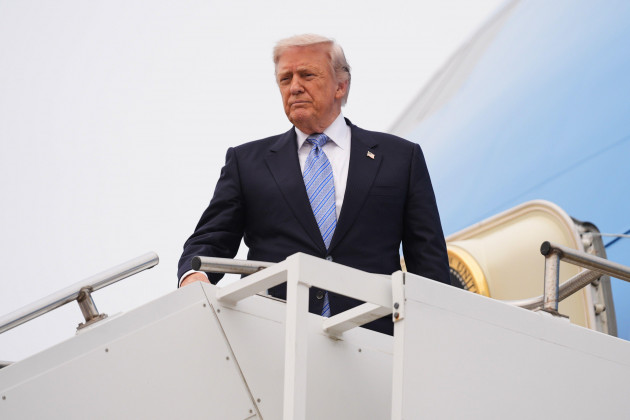
Trump says he called off imminent plans to attack Iran at request of Gulf states Trump said in a post on social media that the attacks had been planned for tomorrow.
thejournal · 2 days ago
Trump delays scheduled attack on Iran, crediting serious negotiations Gulf states push Trump to avoid any escalation in the US-Israeli war against Iran, which prompted regional attacks.
aljazeera · 2 days ago

Trump says hes called off Iran strike planned for Tuesday at request of Gulf allies
news.yahoo.com · 2 days ago
Trump Says He Will Hold Off on Iran Attack as Serious Negotiations Are Under Way The president said Gulf leaders requested he pause plans for strikes that had been set for Tuesday to allow for negotiations with Tehran over a prospective deal to end the war.
wsj · 2 days ago

Middle East crisis live: Trump says he cancelled planned attack on Iran at request of Gulf states, vows US is ready for large scale assault if peace talks fail In post on his Truth Social platform, Trump said serious negotiations are now underway with Iran and that Gulf leaders believe a deal will be madeUAE blames Iran or its proxies for drone strike fire near nuclear plantFriedrich Merz has been embroiled in a row with Donald Trump over his war on Iran ever since the German chancellor suggested the Trump team was being outplayed in its negotiations with Tehran and said he would not advise his children to study or work in the US in the current climate.The Guardians Berlin correspondent, Deborah Cole, has looked at the declining relationship between the two leaders in this story. Here is an extract:Disputes over trade and military aid for Ukraine have fuelled tensions between the US and its European allies and tested the Nato alliance.Merz is struggling to revive an anaemic German economy and has said the impact of the US-Israeli military action in Iran and the ensuing closure of the strait of Hormuz has been severely damaging to European interests.We strongly condemn the renewed Iranian airstrikes against the United Arab Emirates and other partners. Attacks on nuclear facilities pose a threat to the safety of people throughout the entire region. There must be no further escalation of violence.Iran must enter into serious negotiations with the USA, stop threatening its neighbours, and open the strait of Hormuz without restrictions. Continue reading...
theguardian · 2 days ago
Guerra in Iran, news. Trump: Non sono aperto a concessioni. Pezeshkian: Dialogo non è resa Teheran propone lunga tregua e riapertura di Hormuz. Si parla anche do sospensione, ma non della fine dellarricchimento delluranio. Il tycoon ha sentito Netanyahu: Israele pronto ai nuovi raid
corriere · 2 days ago
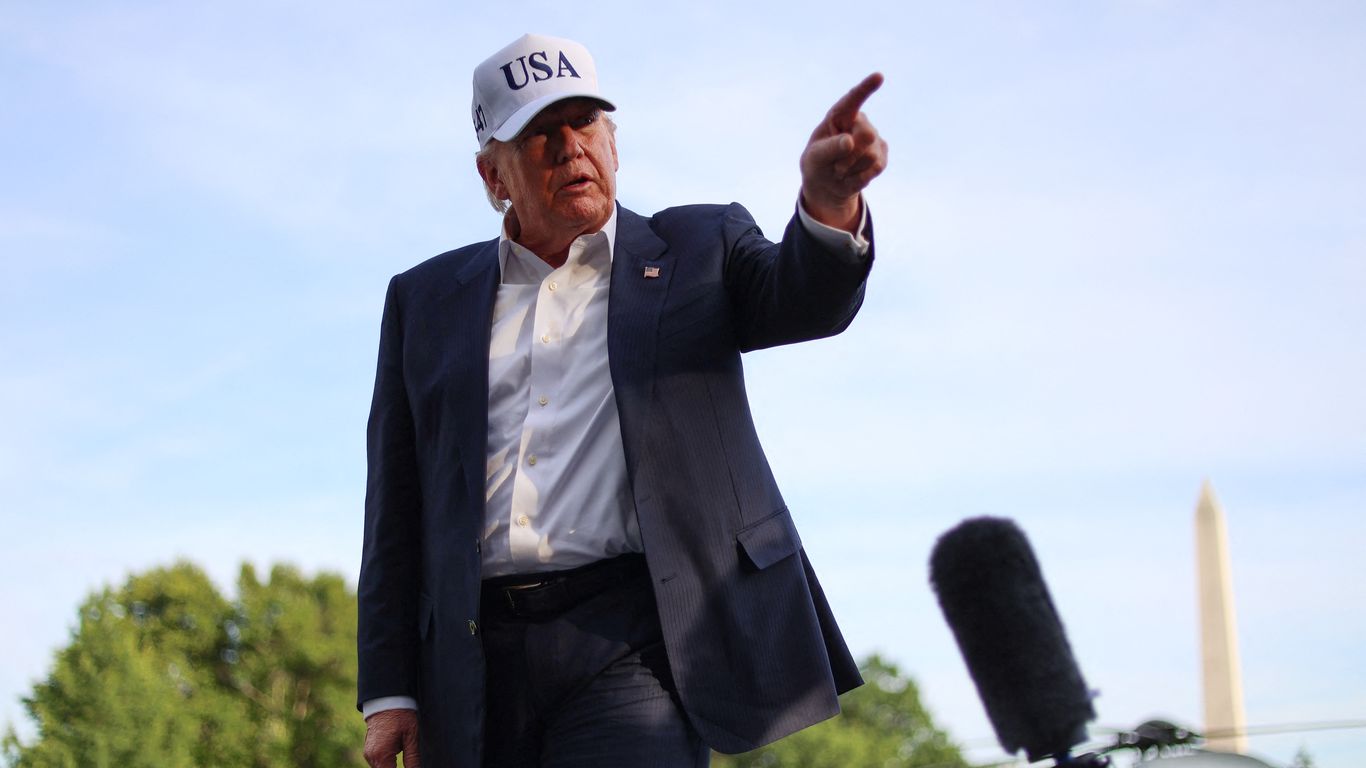
Trump says hes pausing plan to attack Iran President Trump said Monday that hed planned to strike Iran tomorrow but was holding off to give negotiations another chance. He claimed he made the decision at the request of several Arab leaders.Why it matters: The White House saw an updated peace proposal Iran sent on Sunday as insufficient, leading to a growing expectation —including inside the White House — that Trump was about to strike.Trump has extended deadlines and postponed planned attacks on Iran at least half a dozen times since the war began.Driving the news: Trump was expected to convene his top national security team in the Situation Room on Tuesday to discuss military options, two U.S. officials told Axios.A senior U.S. official told Axios on Monday morning that if Iran didnt shift its position, the U.S. would have to continue the negotiations through bombs.What hes saying: I have been asked by the Emir of Qatar, the Crown Prince of Saudi Arabia and the President of the United Arab Emirates to hold off on our planned Military attack of the Islamic Republic of Iran, which was scheduled for tomorrow, Trump wrote on Truth Social. He added that the Arab leaders told him serious negotiations are now taking place, and that, in their opinion, as Great Leaders and Allies, a Deal will be made, which will be very acceptable to the United States of America, as well as all Countries in the Middle East, and beyond.Trump claimed the deal will make sure that Iran doesnt have nuclear weapons. He has made repeated claims about progress toward a deal since the war began, but there have been no recent breakthroughs.What to watch: The President said he had instructed Secretary of Defense Pete Hegseth and Joint Chiefs Chairman Gen. Dan Caine to suspend the attack plans but to be prepared to go forward with a full, large scale assault of Iran, on a moments notice, in the event that an acceptable Deal is not reached.
axios · 2 days ago
Iran officially announces new body to manage Strait of Hormuz Irans top security body announced on Monday the formation of a new body to manage the Strait of Hormuz, which Tehran has effectively closed and wants to charge ships to traverse. On its official X account, the Supreme National Security Council shared a post for the Persian Gulf Strait Authority (PGSA) saying it would provide real?time updates on the #Hormuz_Strait operations and latest developments. FRANCE 24s Reza Sayah reports from Tehran.
france24 · 2 days ago
Middle East crisis live: Trump warns clock is ticking for Iran to reach peace deal US president says there wont be anything left of country if it doesnt come to an agreementUAE blames Iran or its proxies for drone strike fire near nuclear plantFriedrich Merz has been embroiled in a row with Donald Trump over his war on Iran ever since the German chancellor suggested the Trump team was being outplayed in its negotiations with Tehran and said he would not advise his children to study or work in the US in the current climate.The Guardians Berlin correspondent, Deborah Cole, has looked at the declining relationship between the two leaders in this story. Here is an extract:Disputes over trade and military aid for Ukraine have fuelled tensions between the US and its European allies and tested the Nato alliance.Merz is struggling to revive an anaemic German economy and has said the impact of the US-Israeli military action in Iran and the ensuing closure of the strait of Hormuz has been severely damaging to European interests.We strongly condemn the renewed Iranian airstrikes against the United Arab Emirates and other partners. Attacks on nuclear facilities pose a threat to the safety of people throughout the entire region. There must be no further escalation of violence.Iran must enter into serious negotiations with the USA, stop threatening its neighbours, and open the strait of Hormuz without restrictions. Continue reading...
theguardian · 2 days ago