
Mourners bury newly identified Srebrenica victims at 31st anniversary commemoration

Story Timeline
4 days · 3 summary articles
Mourners bury newly identified Srebrenica victims at 31st anniversary commemoration
UN chief urges justice as Bosnia marks Srebrenica genocide anniversary
ContinuationSolemn funeral procession carries remains of 10 Srebrenica genocide victims to Potočari
Thousands of mourners from around the world gathered at the Potocari Memorial Cemetery in Srebrenica on Sunday to commemorate the 31st anniversary of the Srebrenica genocide. The event included the burial of 10 newly identified victims and a retracing of the Death March route taken by survivors in 1995.
The commemoration comes as a reminder of one of the darkest chapters in European history, where more than 8,000 Bosnian Muslim men and boys were systematically killed by Bosnian Serb forces. This year's event was marked by both sorrow and calls for justice and remembrance.
In a related event, young poets and authors from Padgate Academy in Warrington participated in the NEU Poetry Project, dedicated to remembering the Srebrenica genocide. The students shared their verses and thoughts with hundreds of their peers, emphasizing the importance of education and art in countering hatred and prejudice.
"Through poetry, conversation, and collective reflection, the youth showed that remembering Srebrenica is not only part of the past, but an important lesson for the future," said a statement from the event organizers. The project has reached over 280,000 children and young people across the United Kingdom, helping new generations understand the importance of human rights and preserving the truth about genocide.
Meanwhile, in Slovenia, the Partizanska tiskarna Slovenija museum in Idrija has been upgraded with a new presentation. The museum, which commemorates a partisan printing house from World War II, serves as a reminder of the country's history and the importance of preserving memory.
The commemoration in Srebrenica was not without controversy. Disturbing scenes were reported after the event, with music and songs calling for a new genocide heard from a raft on Lake Zvornik. This incident has raised concerns about the ongoing tensions and the need for continued vigilance against hatred and division.
"In a place where pain, truth, and memory meet anew every year, the coffins of people whose lives were violently ended 31 years ago were lowered today," said a report from the Sarajevo Times. So far, 6,772 victims of genocide have been buried in the Srebrenica-Potočari Memorial Center, while the remains of hundreds of those killed are still being searched for.
The international community has also been involved in the commemoration. Turkish President Recep Tayyip Erdogan shared a message on social media, vowing that the massacre would never be forgotten. "The genocide of more than 8,000 Bosniak Muslims will never be forgotten as new victims are laid to rest," Erdogan said.
The Turkish-funded Srebrenica Genocide Museum has completed its first year of operation, preserving the memory of the victims through personal artifacts and survivor testimonies. The museum serves as a poignant reminder of the atrocities committed and the need for continued remembrance and education.
In another commemoration event, Ukraine's Ambassador to Poland Vasyl Bodnar laid a wreath at a monument to the victims of the Volyn massacres in Warsaw. The event comes amid heightened tensions between Kyiv and Warsaw over the legacy of the Volyn massacres, which occurred during World War II.
"Ukraine advocates for establishing the full historical truth, continuing search and exhumation efforts, and fostering professional dialogue among historians," said a statement from the Ukrainian embassy in Poland. Polish Defense Minister Wladyslaw Kosiniak-Kamysz also spoke on the occasion, emphasizing the importance of memory, truth, and healing.
These commemorations serve as a reminder of the importance of remembering historical atrocities and the need for continued efforts to prevent such events from happening again. They also highlight the role of education, art, and international cooperation in preserving memory and promoting peace and understanding.
As the world reflects on these events, the message is clear: the lessons of the past must be remembered to ensure a better future. The increasing involvement of young people in these commemorations is particularly encouraging, as it ensures that the messages of survivors and the lessons from Srebrenica continue to live on through education, creativity, and dialogue.
In Slovenia, the upgrade of the Partizanska tiskarna Slovenija museum is a testament to the country's commitment to preserving its historical memory. The museum, which played a significant role during World War II, continues to educate visitors about Slovenia's past and the importance of remembering historical events.
As various nations and communities come together to remember and honor the victims of past atrocities, the collective message is one of hope and determination to build a future free from hatred and division. The commemorations serve as a poignant reminder of the need for continued vigilance and education to prevent such events from ever happening again.
Follow us for live European news
- 2
- 2
- 2
- 1
- 1
- 1
- 1
- 1
- 1
- 1
- 1
- 1
3 further sources not geolocated
Articles

La ciudad-jardín que València imaginó: los emblemáticos chalets de periodistas El festival Open House Valencia organiza por primera vez visitas guiadas a los inmuebles de la avenida Blasco Ibáñez donde en el año 1935 se construyeron unifamiliares para la Asociación de la Prensa
la vanguardia · about 3 hours ago

Amhrán na bhFiann became national anthem 100 years ago today but no public announcement made For reasons best known to WT Cosgrave, he did not make any public announcement about anthem decision
irish times · about 3 hours ago

Great Britain: Young Voices Preserve the Memory of Srebrenica This week, Padgate Academy in Warrington hosted an inspirational event as part of the NEU Poetry Project, dedicated to remembering the Srebrenica genocide. In front of hundreds of students, young poets and authors from eighth grade shared their verses, thoughts, and emotions with seventh-graders, demonstrating how education and art can be a powerful response to […] The post Great Britain: Young Voices Preserve the Memory of Srebrenica appeared first on Sarajevo Times.
sarajevo times · about 3 hours ago

„Amikor meghallottam a hangját, rögtön éreztem, hogy ebben több van – a Bon-Bon énekesére emlékezünk Az 57 évesen elhunyt Szolnoki Péter sokáig titkolta betegségét, tavasszal még nagykoncertet adott a Bon-Bon zenekar.
hvg.hu · about 3 hours ago
The Cult of Ancient Greek Goddess Athena and the Women of Athens The cult of the ancient Greek goddess Athena gave some women of Athens liberties that extended past the roles of mother and homemaker. The life of Athenian women—like women in most towns throughout Ancient Greece—was largely restricted to the household. It was only haiterai (courtesans) or women who were involved in religious activities that were […]
greek reporter · about 3 hours ago
Scindian Rulers and Indo-Greek Heritage Preservation in India The Scindia dynasty, or House of Scindia, which ruled erstwhile Gwalior State in central India, played an important role in the preservation of archaeological monuments in central India as well as the preservation of Indo-Greek heritage in the region. The outline of policy for the archaeological department established by a member of the dynasty […]
greek reporter · about 3 hours ago
Emajõe festivalilt naasnud paati tabas välk Ühismeedias kirjutatakse, et laupäeva õhtul sai välgunoolega pihta paat, mis jäi Emajõel äikesevihma kätte.
postimees · about 3 hours ago
Commemoration of the 34th Anniversary of the Martyrdom of Serbs in the Villages around Srebrenica and Bratunac In Zalazje near Srebrenica today is the anniversary of the martyrdom of 69 Serbs, civilians and soldiers, who were killed by members of the RBiH Army on St. Peters Day in 1992. On that occasion, 22 people also disappeared. 10 of them were found and exhumed on June 10, 2011, from a mass grave in […] The post Commemoration of the 34th Anniversary of the Martyrdom of Serbs in the Villages around Srebrenica and Bratunac appeared first on Sarajevo Times.
sarajevo times · about 3 hours ago

«Défendre linnocence du capitaine Dreyfus, cest défendre la justice» Le 12 juillet 2026 marque les 120 ans de larrêt de la Cour de cassation qui a reconnu linnocence dAlfred Dreyfus. Pour loccasion, cette date devient officiellement une journée dhommage national. Une «avancée mémorielle historique» pour lhistorien Vincent Duclert.
mediapart · about 3 hours ago
Soldaat van Oranje na 16 jaar écht klaar: Musical 40-45 voelde als vreemdgaan Na bijna zestien jaar is zaterdag definitief het doek gevallen voor Soldaat van Oranje. Met twee laatste voorstellingen namen de cast en bezoekers afscheid van de langstlopende musical van Nederland. "Het was jaren een vast onderdeel van mijn leven."
nu.nl · about 4 hours ago
:format(jpg)/f.elconfidencial.com%2Foriginal%2Ff43%2F26c%2F9b7%2Ff4326c9b73566a7e3b36f96c95076022.jpg)
El final de la Verja: el regalo que el Brexit dio a Gibraltar y La Línea 300 años después de Utrecht Autoridades, empresarios, sindicatos y trabajadores de un lado y otro celebran una "oportunidad histórica", aunque mantienen la cautela: "Ya nadie podrá usar la frontera como arma arrojadiza"
el confidencial · about 4 hours ago
La prima manifestazione contro i data center in Lombardia: È una colonizzazione, una sola centrale consuma come 500mila famiglie Siamo di fronte a una colonizzazione. Questo nuovo data center consumerà lequivalente energetico di 500mila famiglie. Enrico Duranti è il primo ad arrivare nella piazza di Lacchiarella, comune di 9mila abitanti tra Milano e Pavia. Qualche mese fa ha fondato insieme ad altri cittadini il comitato Ciarlasco contro la nascita di un nuovo data center. […] Larticolo La prima manifestazione contro i data center in Lombardia: È una colonizzazione, una sola centrale consuma come 500mila famiglie proviene da Il Fatto Quotidiano.
il fatto quotidiano · about 4 hours ago
After the Commemoration in Potocari: Songs calling for Genocide could be heard from a Raft on Lake Disturbing and scandalous scenes were recorded on Saturday after the commemoration at Lake Zvornik. While many participants of the commemoration of the 31st anniversary of the genocide in Srebrenica, returning from Potočari, passed by the lake, music and songs calling for a new genocide could be heard from the raft. We remind you that with […] The post After the Commemoration in Potocari: Songs calling for Genocide could be heard from a Raft on Lake appeared first on Sarajevo Times.
sarajevo times · about 4 hours ago
Zehn Jahre danach: „Narben bleiben, aber sie bestimmen uns nicht Sie machen Urlaub in Deutschland, als ein radikalisierter Geflüchteter sie angreift. Heute sind die chinesischen Opfer des Würzburger Axt-Anschlags wieder in ihrer Heimat. Vergessen können sie nicht.
tagesspiegel · about 4 hours ago
Architektur: Der große Schleifer - Architekt Ungers wäre 100 Für manche war er der „Quadrat-Tyrann, für viele andere ein Vorbild. Oswald Mathias Ungers prägte ganze Architekten-Generationen. Warum er auch zu seinem 100. Geburtstag noch relevant ist.
tagesspiegel · about 4 hours ago
EU condemns genocide denial ahead of Srebrenica anniversary EU foreign policy chief Kaja Kallas and Enlargement Commissioner Marta Kos warned that there is no place in Europe for genocide denial or the glorification of war criminals, calling on regional leaders to embrace dialogue as the bloc prepares to commemorate the 31st anniversary of the Srebrenica massacre.
yenisafak · about 4 hours ago
Thousands retrace Death March route at Srebrenica anniversary Thousands of mourners from around the world completed the annual Peace March through eastern Bosnia and gathered at the Potocari Memorial Cemetery to bury 10 newly identified victims, retracing the perilous route survivors took to escape the 1995 genocide while demanding the atrocity never be forgotten.
yenisafak · about 4 hours ago
Honoring Saint Paisios, One of Greeces Most Beloved Saints Every year on July 12th, the Greek Orthodox community commemorates Saint Paisios, a highly revered figure within the Church. Saint Paisios is celebrated for his remarkable prophecies, numerous miracles, profound insights into Gods love, and his mystical experiences. He holds a place of great reverence among the saints of the Orthodox Church, especially in Greece, […]
greek reporter · about 4 hours ago
The Deep Roots of Resilience: what a crown taught me about todays Ukraine Have you ever held a real crown in your hands? Not just looked at it from behind glass, but actually felt its weight, touched its curves, and placed it on your head? I have that experience, and I am ready to share it.
lsm latvia · about 4 hours ago
Türkiye-backed Srebrenica Genocide Museum marks first year The Türkiye-funded Srebrenica Genocide Museum has completed its first year of operation, preserving the memory of more than 8,000 Bosniak victims through personal artifacts and survivor testimonies as this years July 11 commemoration ceremonies approach.
yenisafak · about 4 hours ago
Türkiyes Erdogan commemorates Srebrenica genocide victims Türkiyes President Recep Tayyip Erdogan on Saturday commemorated the victims of the Srebrenica genocide on its 31st anniversary, sharing a message on social media in which he vowed that the massacre of more than 8,000 Bosniak Muslims would never be forgotten as new victims are laid to rest.
yenisafak · about 4 hours ago
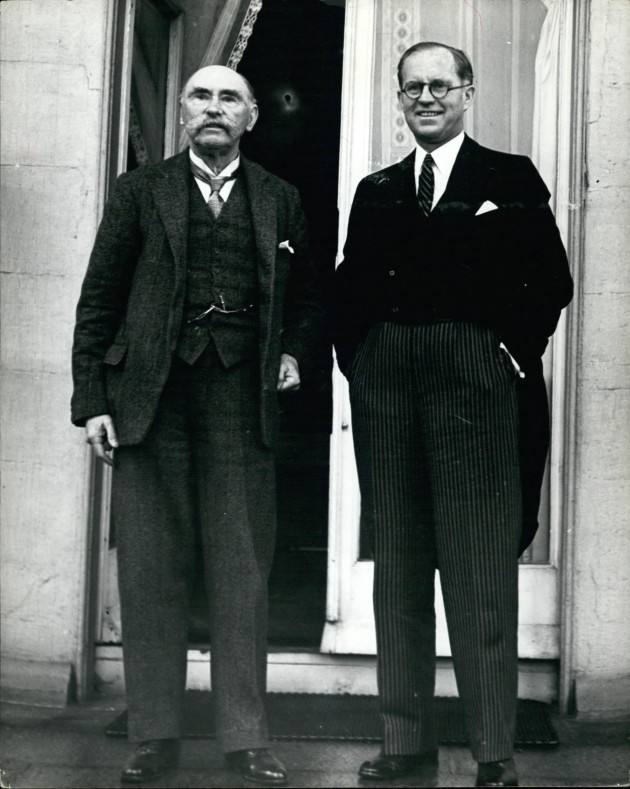
Calling 353: Why we should celebrate the Twelfth of July It is not for the reason you might think – but it DOES involve another bank holiday.
thejournal · about 4 hours ago
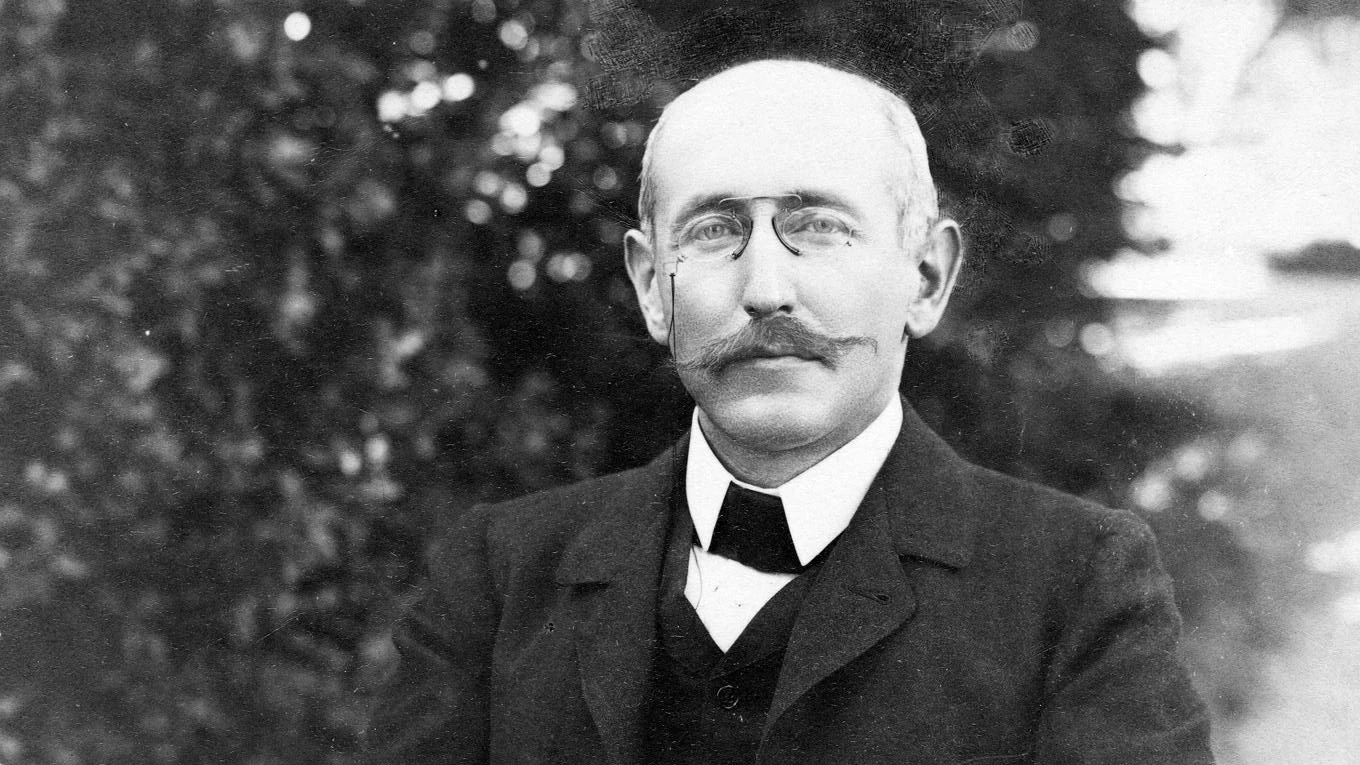
Dreyfus-Gedenktag in Paris: Späte Ehre für einen Helden Vor 120 Jahren wurde das Urteil gegen den jüdischen Hauptmann Alfred Dreyfus kassiert, trotzdem verschwand er aus dem Gedächtnis der Nation. Emmanuel Macron hat den 12. Juli nun zum nationalen Gedenktag erklärt.
faz · about 4 hours ago
Ghana slavery apology: Why many descendants say words are not enough Descendants of enslaved Africans say symbolic apologies cannot repair generations of loss and injustice.
aljazeera · about 4 hours ago
Doek valt na zestien jaar voor Soldaat van Oranje: Het verveelde nooit Na bijna zestien jaar is zaterdag definitief het doek gevallen voor Soldaat van Oranje. Met twee laatste voorstellingen namen de cast en bezoekers afscheid van de langstlopende musical van Nederland. "Het was jaren een vast onderdeel van mijn leven."
nu.nl · about 4 hours ago
Ten more martyrs… Bosnia, as it does every year at this time, will today remove the bandage from its wound, cry out the truth to the world once more, and then gently cover its wound again. Yes, for the victims of the Srebrenica Genocide that took place in the summer of 1995, tears will flow again today, hearts will ache again, and the martyrs will remind the "modern" world once more of its hypocrisy and indifference. On the 31st anniversary of the genocide, 10 more victims whose identities have just been identified
yenisafak · about 4 hours ago
Návrat Mečiara, vôňa cigánskej a potlesk pre Gašpara: Slovensko nie je čierna diera, znelo námestím. Chýbal len premiér Fico (reportáž) Stovky ľudí, politici a bohatý rozpočet. Obec Stará Bystrica zorganizovala ďalší ročník Osláv zvrchovanosti. Tradíciu kedysi odštartoval Vladimír Mečiar a dnes v nej pokračuje Smer.
aktuality.sk · about 4 hours ago
More Than 50 Convicted for Srebrenica Crimes, Victims Call for Continued Justice More than fifty individuals have been sentenced to over 700 years in prison, including several life sentences, for crimes committed during the 1995 genocide in Srebrenica. Verdicts have been delivered by the International Criminal Tribunal for the former Yugoslavia (ICTY), the Court of Bosnia and Herzegovina, and courts in Serbia, although victims and experts continue […] The post More Than 50 Convicted for Srebrenica Crimes, Victims Call for Continued Justice appeared first on Sarajevo Times.
sarajevo times · about 4 hours ago
Where Was Ogygia, the Odysseys Most Mysterious Island? The island of Ogygia is one of the last places that Odysseus visits in the Odyssey, before arriving back home to Ithaca. Ogygia was the mysterious island home of Calypso, a nymph who kept Odysseus trapped for seven years. Many of the locations in the Odyssey can be identified as real places. What about Calypsos […]
greek reporter · about 4 hours ago
Sirens to sound across Cyprus on 15 and 20 July Sirens will sound in all cities on 15 and 20 July 2026 as part of commemorations marking the anniversaries of the 1974 coup and the Turkish invasion. According to an announcement by the Civil Defence Force, the sirens will sound at 8:20 am on 15 July, the time the coup began in 1974. They will […]
in-cyprus · about 5 hours ago