
Riga art fair draws 17,000 visitors as city cements cultural hub status
Riga has cemented its position as a burgeoning hub for contemporary art with the successful conclusion of the second Riga Contemporary art fair. The event, held from 1 to 4 July at Hanzas Perons, attracted 17,000 visitors and featured 42 galleries from 16 countries. A quarter of the attendees traveled from outside Latvia, underscoring the fair's growing international appeal.
"Welcoming 17,000 visitors in just four days confirms that Riga Contemporary is steadily finding its place within the international art fair landscape," said Zane Čulkstēna, founder of Kim? Contemporary Art Centre and Riga Contemporary. The fair's mission to create an accessible platform for dialogue and collaboration was evident through its ambitious public program, which included talks, performances, guided tours, educational activities, and family events.
The fair brought together artists, collectors, curators, museum directors, and arts professionals from across Europe, North America, and Asia. The continued trust of participating galleries, artists, speakers, and partners demonstrates the relevance of this model and the growing international interest in Riga as a place for meaningful cultural connections.
Complementing the gallery presentations, the fair's public program reaffirmed its commitment to reaching the widest possible audience. International visitors contributed to increased activity across Riga's hospitality, tourism, and cultural sectors, highlighting the role of major cultural events in raising the city's international profile and supporting the local economy.
In addition to the art fair, Riga is also hosting the exhibition "Women's Structures" by artists Inga Meldere and Elīna Vītola. The exhibition reflects on forms of knowledge historically cultivated through shared practices of making, labor, and intergenerational exchange. Drawing inspiration from archaeological research, vernacular traditions, family histories, and everyday domestic practices, the artists consider how communities are sustained through visible acts of construction and quieter processes of maintenance and repetition.
The exhibition proposes history as something continually formed and reformed through acts of remembering, borrowing, and reinterpretation. It includes contributions from mothers, daughters, and sisters, extending beyond individual authorship to highlight the collective nature of knowledge and tradition.
Meanwhile, in Greece, researchers have uncovered new insights into the techniques used by Byzantine painters to create the vivid red murals found in churches across Crete. A study published in the Journal of Archaeological Science: Reports examined mural paintings from eleven churches in the Lassithi area, spanning the 13th to 15th centuries. This research offers the first scientific look at the pigments used in the island's eastern region, contributing to our understanding of Byzantine art and the materials used by medieval artists.
The findings could inform conservation efforts and further study of medieval art, providing a deeper appreciation of the cultural heritage preserved in these ancient murals.
Adding to Greece's rich cultural tapestry is the island of Lefkada, known for its breathtaking landscapes and crystalline waters. Lefkada's mythic past includes tragic tales associated with Cape Lefkada, which sits 60 meters above the Ionian Sea and is topped with the Doukato Lighthouse. The island's natural beauty and historical significance continue to attract visitors from around the world.
In neighboring Turkey, the region of Cappadocia is experiencing a tourism boom, with authorities planning to expand the hot air balloon flight network to meet growing visitor demand. Known for its fairy chimneys and unique landscapes, Cappadocia is regarded as the global center of hot air ballooning in terms of annual flight days and passenger numbers. The expansion of flight networks will allow more visitors to experience the breathtaking views of the region from above, further boosting local tourism and the economy.
In Cyprus, the island's EU Presidency is in full swing, with Marilena Raouna serving as the spokesperson. In a candid moment, Raouna was distracted by the sound of someone down the hall bursting into song. Laughing, she remarked, "You see? Happiness. Day zero!" This lighthearted moment captures the spirit of optimism and new beginnings associated with Cyprus's EU Presidency.
The presidency, marked by the slogan "Day zero!", signifies a fresh start and the challenges and opportunities that come with it. Raouna's role as spokesperson highlights the importance of communication and diplomacy in navigating the responsibilities of the presidency.
Additionally, personal stories from residents offer a different perspective on life in Cyprus. Many who have made the move to the island find that living with less deepens their appreciation for its unique charm. The simpler lifestyle, combined with the island's rich history and natural beauty, creates a compelling narrative for those seeking a change of pace.
These developments in Riga, Greece, and Cyprus paint a vivid picture of the cultural and artistic vibrancy in the region. From contemporary art fairs to ancient murals, from EU presidencies to personal reflections on island life, each story contributes to a richer understanding of the diverse and dynamic landscapes that define these locations.
Follow us for live European news
- 2
- 1
- 1
- 1
- 1
- 1
- 1
- 1
- 1
- 1
6 further sources not geolocated
Articles

Willem de Kooning pri delu: abstraktni ekspresionist se "vrne" domov Stoletje po tem, ko se je Willem de Kooning iz Rotterdama kot slepi potnik namenil v ZDA, se njegova dela "vračajo" na Nizozemsko. Jeseni bodo dela abstraktnega ekspresionista razstavili med veliko starejšimi stvaritvami, v amsterdamskem Rijksmuseumu.
rtv slovenia · about 4 hours ago
Veneetsias on liiga palju turiste? Parem ja odavam lahendus asub hoopis mujal Veneetsia on üks Itaalia populaarsemaid sihtkohti, mis meelitab külastajaid oma romantiliste kanalite, suurejoonelise arhitektuuri ja ajalooliste paleedega. Igal aastal jõuab sinna ligikaudu 30 miljonit turisti. Need, kes eelistavad rahulikumat puhkust, võiksid aga pilgu pöörata Hispaania poole.
postimees · about 4 hours ago
The woman behind Cyprus EU Presidency Sitting in the spokespersons office at the Filoxenia Conference Center, the desk stacked with piles of leftover CY2026 stickers and notepads, were suddenly distracted by the sound of someone down the hall bursting into loud, lusty song. Marilena Raouna looks a little bit startled – then laughs. You see? she tells me. Happiness. Day zero! […]
cyprus mail · about 4 hours ago
Kcimi dancing of Tropojë – Gazmend Freitag by Monika Grill Tirana Times, July 11, 2026 – Kcimi i Tropoja – the dance that endured over centuries and kept the Albanian identity alive, has been officially declared part of the Representative List of the Intangible Cultural Heritage of Humanity by UNESCO. Kcimi i Tropoja refers to a traditional folk music style from the Tropoja region in the Highlands of Gjakova in northern Albania, which is known for its rich cultural and musical heritage. This style is deeply rooted in the regions history and is characterized by distinct melodies and rhythms that have been passed down through generations. In honor of this The post Kcimi dancing of Tropojë – Gazmend Freitag appeared first on Tirana Times.
tirana times · about 4 hours ago
Cappadocias hot air balloon flight network set to expand with tourism boom Hot air balloons fly over the fairy chimneys and valleys of Cappadocia, one of the worlds leading destinations for hot air balloon tourism, in Nevsehir, Turkiye, on July 07, 2026. Authorities plan to expand the regions flight network to meet growing visitor demand in Cappadocia, which is regarded as the global center of hot air ballooning in terms of annual flight days and passenger numbers.
yenisafak · about 4 hours ago
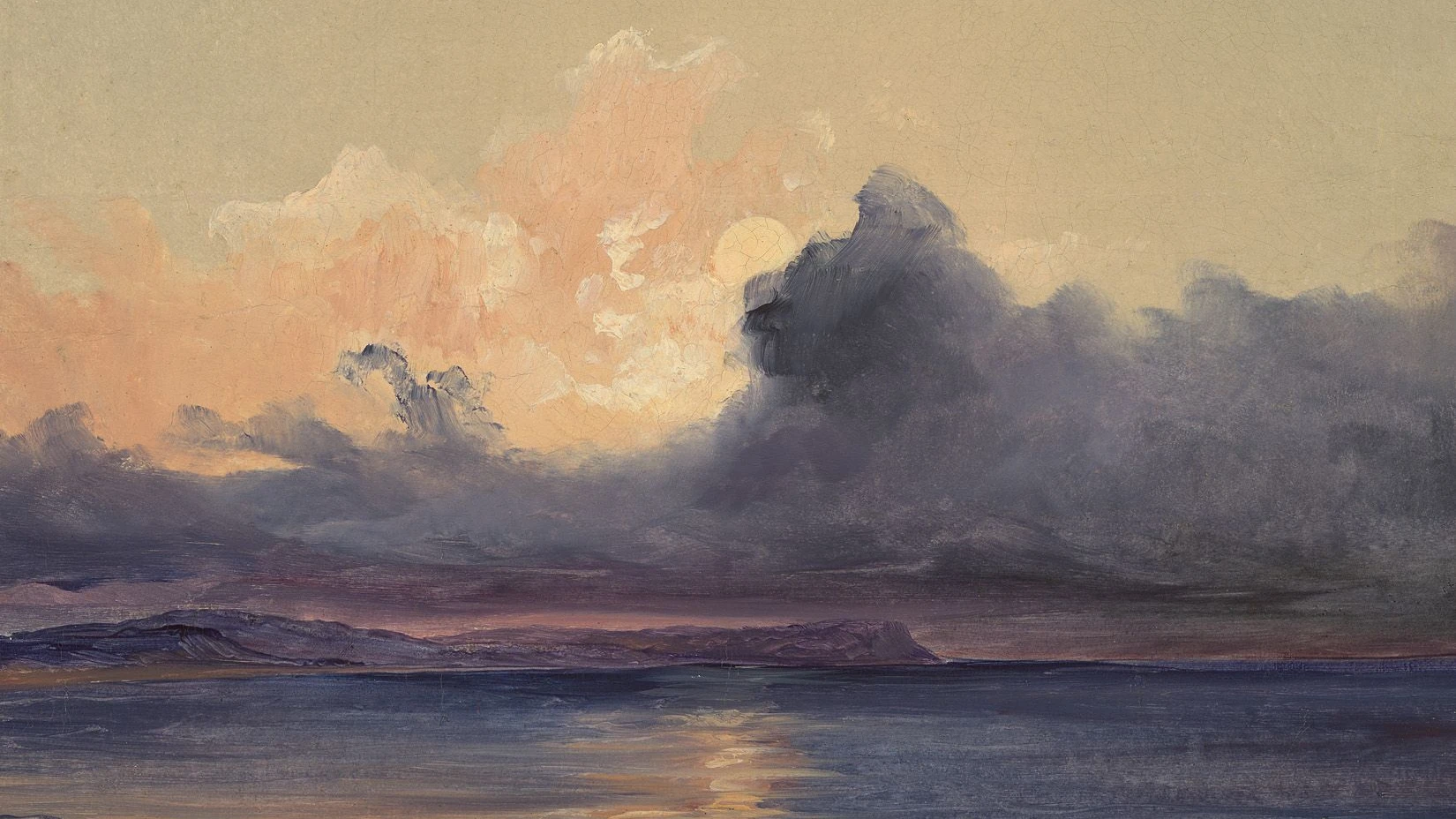
Ausstellung in Winterthur: Wann entstanden die ersten Wunderwerke der Lichtmalerei? Nicht der Impressionismus hat die Freilichtmalerei erfunden, sie entwickelte sich bereits vor und nach der Französischen Revolution: Das Kunstmuseum Winterthur belegt diese steile These mit überragenden Ölstudien.
faz · about 4 hours ago
🇧🇬 Bulgarias milk farmers falter in former yoghurt empire "When the countryside starts being fed by the city, you can write off the whole country," says Emil Deliev, as he leads his cows out to pasture in the Eastern Rhodopes in Bulgaria, where small dairy farms are disappearing one after the other
bluesky_AFP English · about 4 hours ago
A minute with: Olga Prepis, musician Where do you live?I split my time between Nicosia and New York, spending time with family in Cyprus while building my career in New York. What did you have for breakfast?An egg or two, or if Im running late, just coffee! Describe your perfect dayA slow morning with coffee, a workout, writing music in the […]
cyprus mail · about 4 hours ago
International Trombone Festival in Riga to bring together more than 500 participants from several countries - The Baltic Times RIGA - The International Trombone Festival that will take place in Riga from July 29 to August 1 will bring together more than 500 trombonists, ......
baltic times · about 4 hours ago
Grand Arles Express 2026, trois expos hors les murs Le festival arlésien, cest aussi un événement régional avec des premières fois à Montpellier, des archives de Gaza avant la guerre à Marseille ou une photographe féministe à Mougins.
liberation · about 4 hours ago
The Cliff on Lefkada Island Where Lovers Leapt to Their Deaths in Ancient Greece Lefkada, the Greek island in the Ionian sea, is known internationally for its breathtaking landscape and crystalline, turquoise waters. Yet Lefkadas mythic past holds many tragic tales, specifically in terms of the iconic Cape Lefkada, that sits 60 meters (nearly 200 feet) above the Ionian sea, and is topped with the Doukato Lighthouse. The Cape […]
greek reporter · about 4 hours ago
Örömtáncával gyógyítja a mozgássérülteket Hegedűs Zsolt drMáriás új festményén Az „Ország Gyógyító Főtáncosáról készült képhez fordulatos minielbeszélést is közölt a festő.
hvg.hu · about 4 hours ago
Rencontres dArles 2026 : les fleurs en trois expos Des tirages historiques dEdward Steichen aux créations contemporaines de Lisa Oppenheim, Arles célèbre le végétal sous toutes ses formes.
liberation · about 4 hours ago
V čast vratarja Zelenortskih otokov po njem poimenovali morskega polža Španski biolog Jesus Ortea je na Karibih odkril novo vrsto morskega polža. Velik navdušenec nad nogometom se je odločil, da ga bo poimenoval po 40-letnem vratarju Zelenortskih otokov Vozinhi, ki ga je letošnji SP izstrelil med zvezde.
rtv slovenia · about 4 hours ago
ÄIKESEKAART ⟩ Vaata reaalajas, kuidas äike Eesti kohal liigub Keskkonnaagentuuri teatel hakkavad lähitundidel Kagu-Eestis ja Peipsi ääres arenema äikesepilved, millega võivad kaasneda tugevad vihmavalingud, väga tugevad tuulepuhangud ja kohati suured raheterad.
postimees · about 4 hours ago
Cazul unei femei mustrate că a venit cu sendvișuri în geantă pe o plajă din Italia redeschide discuția despre limitele plajelor private Femeia plătise pentru șezlonguri și umbrelă. Episodul a avut loc la Vieste, în peninsula Gargano, unde o femeie, care plătise pentru șezlonguri și umbrelă, a introdus pe ascuns șendvișuri făcute acasă pentru ea și cei doi copii ai săi. La nivel național nu există o lege care să interzică o astfel de practică, însă concesionarii …
hotnews.ro · about 4 hours ago
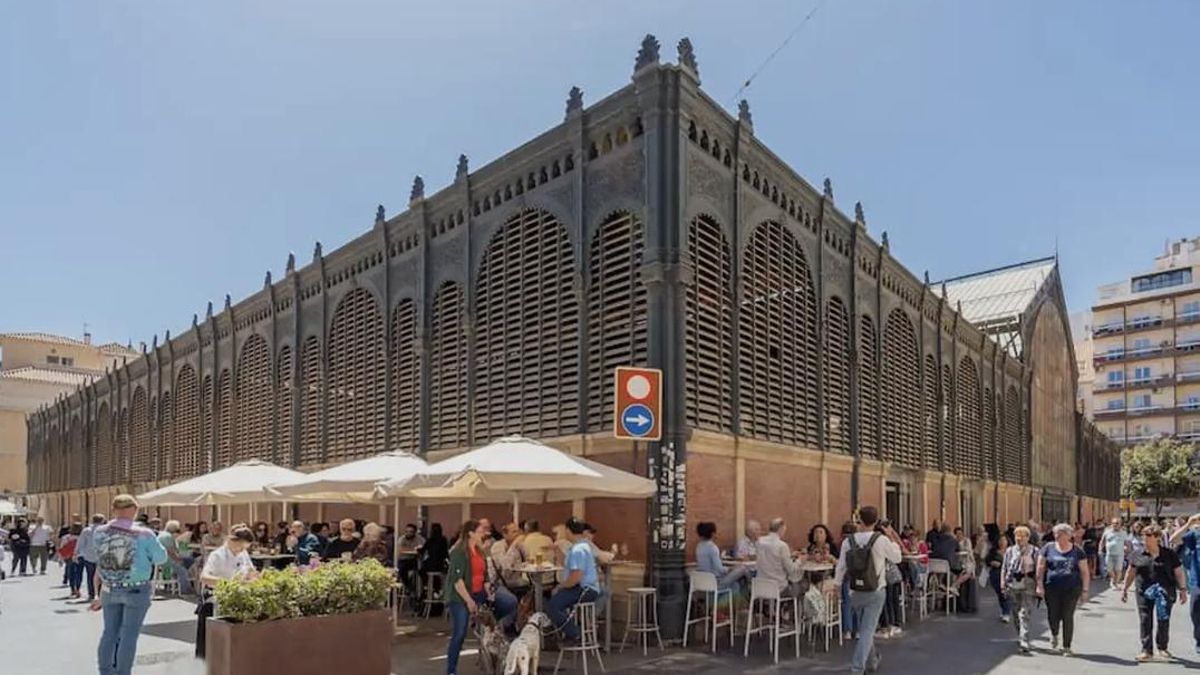
La puerta de este mercado malagueño es del siglo XIV y antes fue astillero, almacén, hospital y cuartel El Mercado de Atarazanas se ha consolidado como un emblema cultural donde el pasado marítimo convive con el presente comercial de una ciudad en constante evoluciónEs uno de los mercados más fotografiados del mundo y en él se han rodado películas desde Bridget Jones a Harry PotterEste es el laberíntico mercado de 400 tiendas y restaurantes donde puedes pedir sushi para desayunar En el centro de la ciudad de Málaga un curioso viajero puede disfrutar visitando un monumento que respira historia en cada piedra: el Mercado de Atarazanas. Sus orígenes se remontan al siglo XIV, cuando en este enclave funcionaba un astillero nazarí de gran relevancia estratégica para la entonces ciudad musulmana. El término árabe dar as-sinaah, que significa casa de la industria, definía a este lugar dedicado a la construcción y reparación de embarcaciones. Su ubicación original era privilegiada, pues el mar llegaba hasta sus puertas, permitiendo lanzar naves directamente al Mediterráneo para proteger la costa. Hoy, este espacio es un emblema cultural donde el pasado marítimo convive con el presente comercial de una urbe en constante evolución. El elemento más antiguo que sobrevive de aquella época es su puerta de mármol blanco, un majestuoso arco de herradura del siglo XIV. Esta estructura nazarí es uno de los pocos vestigios que se mantuvieron en pie tras las múltiples transformaciones del edificio. Curiosamente, la puerta fue trasladada piedra a piedra desde su ubicación original para integrarse perfectamente en la fachada principal del nuevo mercado. Su supervivencia se debe al empeño de la Academia de Bellas Artes de San Telmo, que la salvó de la desaparición total a finales del siglo XIX. Es un portal que invita a cruzar una frontera temporal hacia la Málaga medieval de Al-Andalus. Tras la conquista cristiana en 1487, el antiguo astillero perdió su función marítima y comenzó una larga etapa de usos diversos para la ciudad. Durante siglos, sus muros sirvieron para albergar funciones tan variadas como las de convento, almacén, cuartel y hospital militar. Estos cambios reflejaron la adaptación de la estructura a las necesidades sociales de una Málaga que crecía y se amurallaba progresivamente. Con el tiempo, el edificio quedó adosado a las murallas, perdiendo contacto con el agua por los rellenos de terreno ganados al mar. Aquel arsenal que construyó barcos terminó convertido en un recinto cerrado de carácter puramente administrativo y castrense durante centurias. El elemento más antiguo que sobrevive de la época nazarí es su puerta de mármol blanco, un majestuoso arco de herradura La gran transformación definitiva llegaría en 1870, cuando se decidió demoler el complejo para dar trabajo a las clases necesitadas y modernizar la urbe. Málaga requería un mercado central que centralizara la venta de productos frescos, realizada antes al aire libre sin condiciones de higiene. El arquitecto Joaquín de Rucoba diseñó el proyecto, cuya construcción se extendió con éxito entre 1876 y 1879. Rucoba fusionó la esencia histórica del enclave con las tendencias vanguardistas de la arquitectura europea del momento. El nuevo mercado representó un salto a la modernidad, utilizando el hierro y el cristal como protagonistas de su singular estructura industrial inspirada en modelos franceses. El resultado fue una joya de la arquitectura decimonónica considerada uno de los mejores ejemplos de su clase en toda España. El diseño de Rucoba empleó una estructura metálica que otorga una ligereza y amplitud visual sorprendentes al interior del recinto. Para armonizar el conjunto con el arco nazarí, el arquitecto aplicó un lenguaje historicista neoárabe en las fachadas, creando un diálogo entre el pasado musulmán y el futuro industrial. Este equilibrio permite apreciar la solidez del mármol del siglo XIV junto a la elegancia funcional del hierro forjado del siglo XIX. La luz natural inunda el interior, realzando la belleza de los productos locales expuestos cada día. 108 vidrieras Otro elemento icónico es su espectacular vidriera policromada, situada en la fachada opuesta al pórtico central de entrada. Aunque se añadió en 1973 y fue restaurada hace una década, su impacto artístico en el conjunto es innegable. Esta obra, compuesta por 108 vidrieras, narra la historia de Málaga representando escenas de la Alcazaba, la Catedral y el Puerto. El mosaico de cristal no solo embellece el recinto con colores, sino que sirve de recuerdo constante del paisaje histórico local. Al entrar, los rayos de sol tiñen los pasillos, creando un escenario casi sagrado para el intercambio comercial diario entre vecinos y visitantes. En la actualidad, el Mercado de Atarazanas es una auténtica joya gastronómica y cultural de parada obligatoria en la ciudad. Sus pasillos ofrecen desde pescados frescos de la bahía hasta las mejores frutas tropicales de la Axarquía malagueña. En la última década ha incorporado bares y puestos de tapas que ofrecen degustaciones de productos locales cocinados al momento con gran calidad. Es el lugar predilecto para saborear el pescaíto frito o las conchas finas en un ambiente de incesante bullir humano. La tradición de los puestos se mezcla con nuevas propuestas gourmet y terrazas exteriores en el perímetro del edificio. Declarado Bien de Interés Cultural en 1979, este mercado de 600 años de historia muestra la evolución de un enclave nazarí a una vibrante metrópolis mediterránea. Cruzar su puerta del siglo XIV es un viaje en el tiempo que conecta a los antiguos carpinteros con sus comerciantes actuales.
eldiario.es · about 4 hours ago
La sanità ancora a due velocità: i dati del monitoraggio Lea 2024. Veneto in testa alla classifica, Sicilia e Calabria in coda È il Veneto la regione con la migliore sanità dItalia, seguita dallEmilia-Romagna, che conquistare la seconda posizione scavalcando la Toscana scivolata al terzo posto. In quarta e quinta posizione si trovano rispettivamente il Piemonte e la Provincia autonoma di Trento, seguite dalla Lombardia sesta in classifica. È quanto emerge dal monitoraggio dei Lea (Livelli essenziali […] Larticolo La sanità ancora a due velocità: i dati del monitoraggio Lea 2024. Veneto in testa alla classifica, Sicilia e Calabria in coda proviene da Il Fatto Quotidiano.
il fatto quotidiano · about 4 hours ago
For some reason I always find myself in the Balkans ⛰️🇲🇪 💧 Rainbet.com the #1 Non-KYC Crypto Casino & Sportsbook @rainbetcom +18
telegram_War Monitors · about 4 hours ago
A new exhibition, Womens Structures with artists Inga Meldere and Elīna Vītola opens at TUR on Thursday July 9th at 18:00 - The Baltic Times The exhibition Womens Structures by Inga Meldere and Elīna Vītola reflects on forms of knowledge that have historically been cultivated thr......
baltic times · about 4 hours ago
Riga Contemporary concludes record-breaking second edition with 17,000 visitors - The Baltic Times Save the date - the third edition of Riga Contemporary art fair will take place 1–4 July 2027 at Hanzas Perons in Riga....
baltic times · about 4 hours ago
How Ancient Greece Helped Lay the Foundations for Modern Brain Surgery Ancient Greece helped pave the way for modern brain surgery, according to a new historical review that traces the roots of cranial operations back thousands of years. The study, published in the Journal of Clinical Neuroscience, was led by Marcos Cherem-Kibrit of the Department of Neurosurgery at Hadassah Hebrew University Medical Center in Jerusalem, Israel. […]
greek reporter · about 4 hours ago
Why living with less made me love Cyprus more By Dina-Perla Portnaar Spend enough time with content for people moving to Cyprus and a pattern begins to emerge. Alongside questions about residency permits, where to find the best **** (fill in as appropriate) and so on, theres an almost ritual confession from people who have already made the move. If they could do it […]
cyprus mail · about 4 hours ago
AmCham Celebrates Americas 250th Anniversary with Independence Day Picnic in Mežaparks - The Baltic Times More than 1,300 guests, including Latvian and U.S. officials, diplomats, business leaders, and families, gathered in Mežaparks ......
baltic times · about 4 hours ago
iGaming Licensing: Why the Right License Is the Foundation of a Successful Online Gaming Business - The Baltic Times The global iGaming industry has experienced remarkable growth over the past decade. As technology continues to reshape entertainment, millions o......
baltic times · about 4 hours ago
Tallinn Botanic Garden to Rose Days – one of Estonias largest rose collections is blooming - The Baltic Times From 18 to 26 July, the Tallinn Botanic Garden is hosting Rose Days in the recently renovated rosarium. During peak blooming season, vis......
baltic times · about 4 hours ago
Latvian Artists to Participate in Contemporary Art Fair ArtVilnius26 in Vilnius - The Baltic Times From October 1 to 4, the 17th international contemporary art fair "ArtVilnius26" will take place in Vilnius, bringing tog......
baltic times · about 4 hours ago

La sala principal del Liceu amanece envuelta en rojo El colectivo Penique Productions transforma y unifica el espacio mediante un globo que cubre todos los elementos arquitectónicos
la vanguardia · about 4 hours ago
Thousands of flamingo chicks thrive on artificial island in İzmir Approximately 18,000 flamingo chicks hatched in May are now growing in the Gediz Deltas nursery waters in İzmir, Türkiye. The young birds, under parental supervision, are learning to feed and exercise their wings before the August migration season. The deltas artificial nesting island has become a thriving habitat for the colourful flocks.
yenisafak · about 4 hours ago
Ibiza | Huumeet ja hurskastelu ajavat Ibizan bilesaaren terveydenhuollon kriisiin Huumeiden käyttö on yleistynyt Euroopassa, eikä trendi osoita laantumisen merkkejä. Se pakottaa ennen pitkää yhteiskunnat sopeutumaan tavalla tai toisella.
helsingin sanomat · about 4 hours ago