
Wildfire death toll in southern Spain rises to 13 as evacuees return home
Story Timeline
2 months · 2 summary articles
Wildfire death toll in southern Spain rises to 13 as evacuees return home
Firefighters gain upper hand on Spain's deadliest wildfire in Andalusia after at least 12 deaths
Follow-up
The death toll from a devastating wildfire in southern Spain has risen to 13 after a 93-year-old British woman succumbed to her injuries in hospital, authorities announced on Sunday. The fire, which broke out on July 9 near the Sierra de los Filabres in Almería province, has been stabilized, allowing firefighters to shift from containment to direct operations against the remaining hotspots.
The blaze has left a trail of destruction, with burnt-out vehicles and blackened hillsides marking the landscape around Almocaizar. Regional president Juan Manuel Moreno stated that the fire had been stabilized, paving the way for the phased return of around 1,500 evacuated residents.
The fire has claimed at least 13 lives and burned approximately 66 square kilometers, an area roughly the size of Manhattan. Among the victims are British and Belgian nationals, as well as one Spanish citizen. The disaster has also left 23 people missing, with search and rescue operations ongoing.
Defence Minister Margarita Robles paid tribute to the firefighters and local officials for their efforts throughout the emergency. Prime Minister Pedro Sánchez is expected to visit the affected area on Monday.
The wildfire has been particularly challenging due to strong winds and dry conditions exacerbated by western Europe's third heatwave in six weeks. The continent continues to warm at around twice the global average rate, according to the Copernicus Climate Change Service.
One of the most dramatic rescues involved a British couple found with severe burns in a ravine. The couple, who were on holiday in the area, were found semi-conscious with burns covering about 40% of their bodies. They were airlifted to hospital and remain in critical condition.
The fire has caused significant damage, with over 1,400 people evacuated from their homes. The regional government of Andalusia has begun allowing evacuees to return home in stages, with around 600 people returning on Saturday and the remaining 1,000 expected to follow soon.
The fire has been described as one of the deadliest in Spain's recent history, with the combination of high temperatures, strong winds, and dry conditions creating a "ticking time bomb" in the region, according to Juan Manuel Moreno Bonilla, the head of the regional government of Andalusia.
As the situation stabilizes, attention is turning to the recovery effort and the long-term impact of the fire on the community and the environment. The disaster has highlighted the increasing frequency and intensity of wildfires in Europe, driven by climate change and extreme weather conditions.
Follow us for live European news
- 2
- 1
- 1
- 1
- 1
- 1
- 1
- 1
- 1
- 1
4 further sources not geolocated
Articles

At least 12 killed, 23 missing in southern Spain wildfire
gdeltproject.org · about 2 months ago
Venezuela Earthquake Death Toll Rises to 4,490 as Recovery Efforts Continue Caracas, July 12, Brussels Morning Newspaper – The death toll from the devastating earthquakes in Venezuela has risen to 4,490, according to the latest official figures released by authorities. Thousands of people remain displaced, while emergency teams continue recovery … Read more
brussels morning · about 2 months ago
Povestea unui bebeluș născut în timpul cutremurului din Venezuela, la lumina telefoanelor. Cordonul ombilical, tăiat cu o unghieră Eliana Garcia, însărcinată în 38 de săptămâni, a fugit împreună cu familia sa către un teren de baseball în după-amiaza zilei de 24 iunie, când pământul s-a cutremurat violent în La Guaira, pe coasta venezueleană, unde două cutremure gemene au lovit cu putere.
digi24 · about 2 months ago
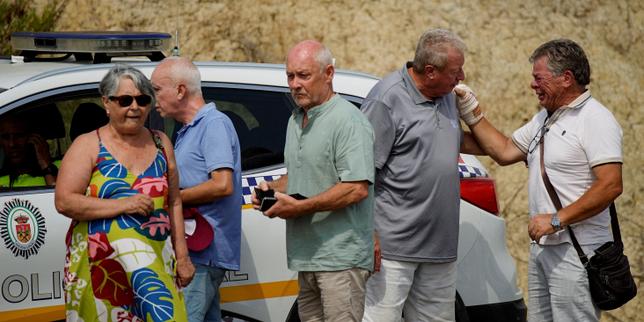
Evacuees allowed to return home after deadly wildfire in Spain stabilizes Around 600 people who evacuated from the fire zone in Spains Almeria province returned home late on Saturday, while the remaining 1,000 evacuees will now be able to do the same in stages, head of the regional government of Andalusia, Juan Manuel Moreno, told reporters on Sunday. The wildfire has killed at least 13.
le monde · about 2 months ago
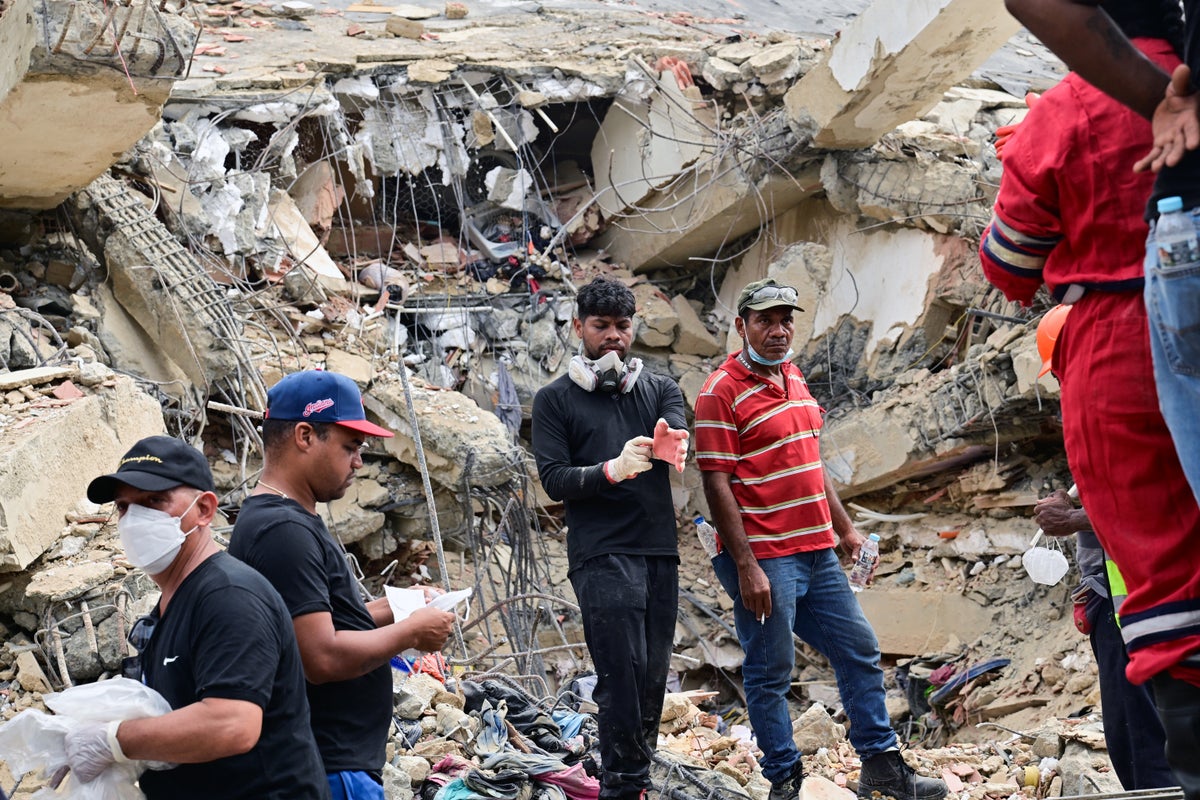
Death toll from Venezuela earthquakes rises to nearly 4,500 with thousands still missing Thousands of Venezuelans remain displaced, forced into crowded shelters or to sleep outdoors, grappling with a severe lack of clean water
independent · about 2 months ago

British couple return to village at heart of deadly Spanish wildfire
news.yahoo.com · about 2 months ago
Megégve, félájultan találtak rá egy brit házaspárra Almeríában a spanyolországi erdőtüzek közepette Légi úton vitték őket kórházba. A spanyolországi tűz miatt 12 -en meghaltak, 1400 embert kellett evakuálni az otthonából, több mint 6000 hektárnyi terület égett ki.
444.hu · about 2 months ago
Firefighters and helicopters battle deadly wildfires in Spain
gdeltproject.org · about 2 months ago

El hijo de una víctima belga del incendio cuestiona la versión oficial sobre las alertas Stanislas Verdonck fue una de las víctimas del jueves por el fuego. Su hijo asegura que el grupo en el que iba su progenitor, que hablaba español, jamás recibió información sobre cómo o dónde protegerse de las llamas
la vanguardia · about 2 months ago
Οριοθετήθηκε η φωτιά στον Άγιο Αθανάσιο Θεσσαλονίκης, είχε σταλεί μήνυμα του 112 για ετοιμότητα
protothema · about 2 months ago

Incendie en Espagne : le bilan salourdit à 13 morts après le décès dune Britannique à lhôpital Le bilan de lincendie dans le sud de lEspagne sest alourdi à 13 morts après le décès dune Britannique de 93 ans qui était hospitalisée à Almería, a annoncé dimanche le gouvernement régional dAndalousie. ...
la libre · about 2 months ago
![[lalibre] Incendie en Espagne : le bilan salourdit à 13 morts après le décès dune Britannique à lhôpital #Europe](https://files.mastodon.social/cache/preview_cards/images/199/935/602/original/cda58c9f9478f3e6.jpg)
[lalibre] Incendie en Espagne : le bilan salourdit à 13 morts après le décès dune Britannique à lhôpital #Europe
mastodon bot · about 2 months ago
Hitze in Spanien: Das neue Normal Mindestens 12 Menschen sind in den vergangenen Tagen bei Waldbränden in Andalusien gestorben. In Spanien werden es immer häufiger über 40 Grad. mehr...
taz.de · about 2 months ago
Hundreds of firefighters battle wildfire in southern Spain that killed at least 12 – KTBB News, Weather, Talk
gdeltproject.org · about 2 months ago
Spain wildfire: Firefighters gain ground as Almería evacuees return home Firefighters gained the upper hand on the deadly Almería wildfire after days of battling the flames, as the blaze that killed 12 people and burned 66 square kilometres began to ease, allowing some of the nearly 1,500 evacuees to return home.
euronews · about 2 months ago

Spanish wildfires claim 13th victim as British woman, 93, dies of injuries reut.rs/4gF3E0p
bluesky_Reuters · about 2 months ago

Brann slet i Hornelands retur – reddet tre poeng like før slutt Brann så ut til å snuble mot tabelljumbo Start, men like før slutt kunne de juble for 2–1 og tre poeng. Hjemmefansen fikk ikke mye å juble for den første timen av søndagens kamp. Etter 53 minutter kunne imidlertid bortesupporterne juble etter at en heading fra Håkon Lorentzen snek seg i mål. Men rundt et kvarter senere var Noah Holm på alerten, og utlignet for Brann. Like før fulltid var det Kristian Eriksen som var farlig frempå. 30-åringen var kvikkest på et hjørnespark, og headet inn 2–1 like før overtiden var i gang. Det holdt til tre poeng, og en foreløpig 7.-plass for Brann, som har spilt både en og to kamper mer enn lag bak seg på tabellen. Kampen var Eirik Hornelands første etter returen til bergensklubben. Start ligger helt sist i Eliteserien, fem poeng opp til trygg grunn – med én kamp mer spilt.
nrk · about 2 months ago

Brann sikra siger i Horneland-returen Brann sleit i returen til Horneland, men Kristian Eriksen redda tre poeng mot Start like før slutt.
nrk · about 2 months ago