
Tour de France shortens stage as France faces red heat alert and wildfires
Story Timeline
2 months · 5 summary articles
The ninth stage of the Tour de France has been shortened by 30 kilometers due to an extreme heatwave sweeping through France, with temperatures expected to reach 40 degrees Celsius in some regions. The decision to shorten the stage from 185.5 kilometers to 155.5 kilometers was made because the Corrèze department, through which the stage passes, was placed under a red heat alert. The start of the stage in Malemort is expected to see temperatures of up to 40 degrees Celsius, with the finish in Ussel expecting around 35 degrees Celsius.
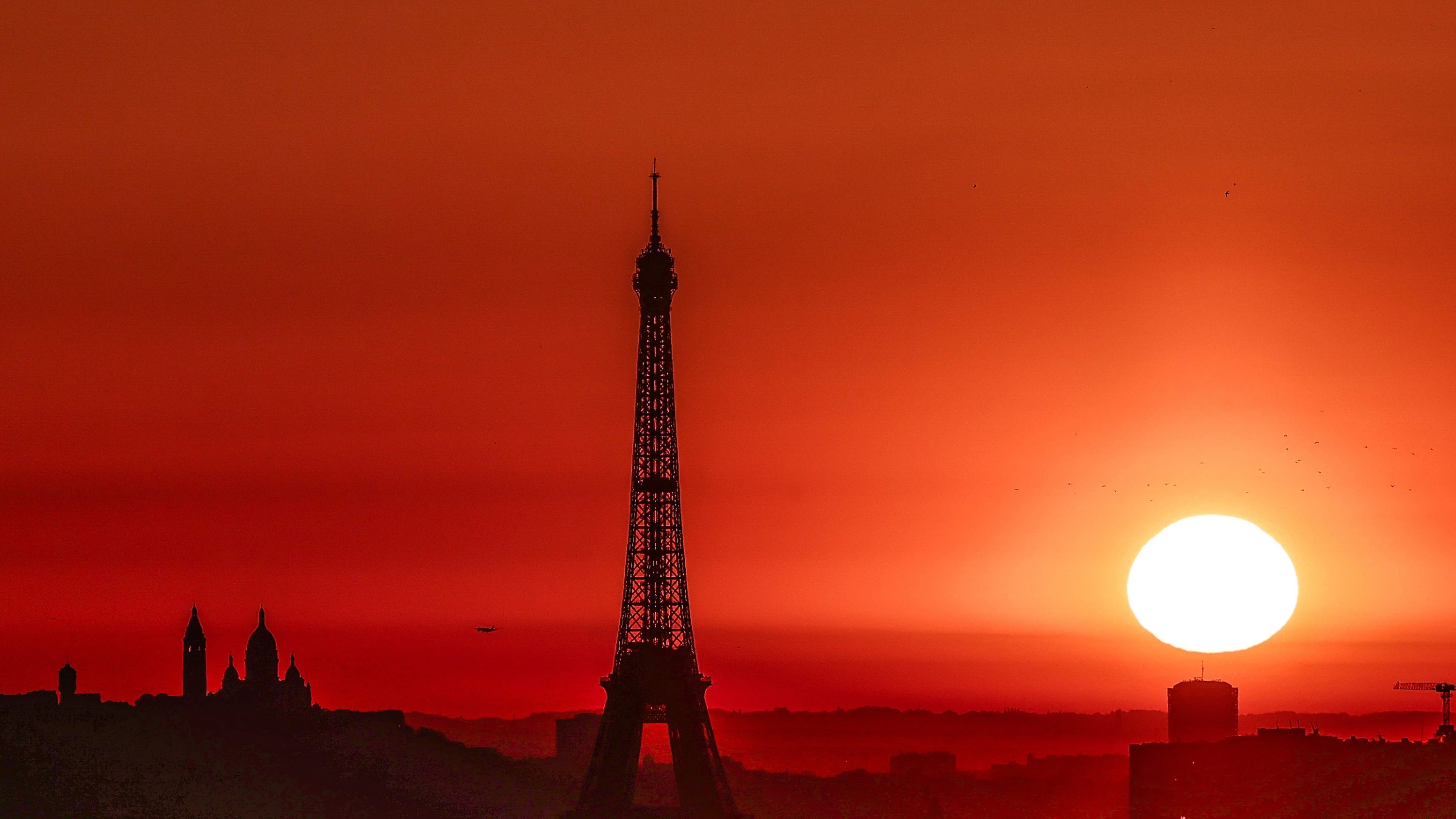
The heatwave is not only affecting the Tour de France but also daily life in France. The Eiffel Tower, the Louvre, and the Musée d'Orsay in Paris are among the landmarks that will close early over the weekend due to the extreme heat. The Eiffel Tower, which usually stays open past midnight during the high season, will close at 4 PM on Saturday and Sunday.
The heatwave is also causing concerns about natural fires. In the south of France, thousands of hectares have already been consumed by wildfires, leading to the evacuation of more than 10,000 people. Travelers heading to popular vacation destinations in France, Spain, and Italy are advised to be cautious and prepare for extreme weather conditions.
The French government has activated its Extreme Heat ORSEC plan for the first time, opening cooling centers and mobilizing resources for vulnerable populations. This comes as France experiences its third heatwave since May, with temperatures in Paris reaching close to 40 degrees Celsius in recent days.
The heatwave is also affecting events and daily routines. Many towns in France have canceled their Bastille Day fireworks displays due to the increased risk of fires and dry conditions. In Paris, the traditional firemen's balls have been canceled, and many cities have given up on their fireworks displays for Bastille Day.
The heatwave is not limited to France. Spain and Italy are also experiencing extreme temperatures and wildfires. In Spain, local roads have been closed around Almería due to fires, and in France, roads near Perpignan have been affected.
Travelers are advised to take precautions such as carrying enough food and water, checking their vehicles before traveling, and being aware of the direction of smoke in case of fires.
The heatwave is expected to continue, with temperatures in Paris forecasted to remain high for the next few days. The French government and local authorities are taking measures to mitigate the effects of the heatwave on the population and infrastructure.
This heatwave is part of a broader pattern of increasing temperatures and extreme weather events linked to climate change. Scientists and policymakers are calling for more comprehensive measures to address the root causes of climate change and to adapt to its impacts.
The heatwave is also highlighting the need for better urban planning to mitigate the effects of extreme heat. Cities with less vegetation tend to be hotter, and there are calls for more green spaces and trees to provide shade and cool the urban environment.
In conclusion, the heatwave in France is causing significant disruptions to daily life, tourism, and major events like the Tour de France. The government and local authorities are taking steps to protect the population and infrastructure, but the broader implications of climate change remain a pressing concern.
Follow us for live European news
- 4
- 4
- 2
- 2
- 1
- 1
- 1
- 1
- 1
3 further sources not geolocated
Articles

France - Wildfires: 1,500 evacuated from campsites near Perpignan Wildfires have raged across southern Europe since last week and in France have forced thousands to leave their homes.
france24 · about 2 months ago
Yellow weather warning, temperature to hit 40C Temperatures are expected to hit 40C inland on Sunday, meteorologist Matthaios Papadakis said on Saturday, and the met office has issued a yellow warning for extreme maximum temperatures. According to a warning posted on the departments official X account, the warning will be in effect from 11:00am on Sunday, July 12, until 5:00pm. Papadakis acknowledged […]
cyprus mail · about 2 months ago
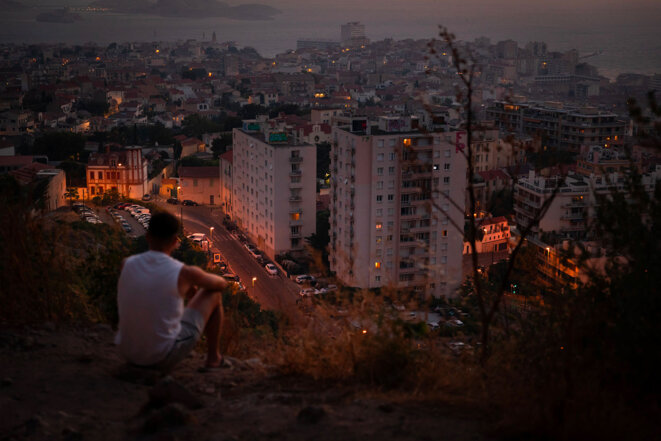
La canicule révèle le cruel manque darbres des grandes villes Les villes françaises manquent de vert: au plus fort de la canicule, fin juin, cest dans les rues les moins végétalisées quil a fait le plus chaud. Cest ce que montre une série de cartes réalisées par un chercheur en planification urbaine, que publie «Mediapart».
mediapart · about 2 months ago
France activates first-ever extreme heat emergency plan France has triggered its Extreme Heat ORSEC plan for the first time as nine western departments face red-alert temperatures. The unprecedented measure opens cooling centers and mobilizes resources for vulnerable populations, as the July heat wave intensifies and wildfires consume nearly 10,000 hectares across the country.
yenisafak · about 2 months ago
Wat te doen als je richting code rood reist? Bij natuurbrand: kijk naar de richting van de rook Voor de derde keer deze zomer kampt Frankrijk met een hittegolf. Rondom Parijs en in het westen van het land geldt dit weekend code rood: wat moet je doen als toerist?
nrc · about 2 months ago
Eiffelturm, Louvre-Museum und Musée dOrsay schließen wegen Hitze früher In Paris herrschten am Samstag Temperaturen um die 35 Grad
der standard · about 2 months ago
Massive Hitzewelle in Frankreich: Etappe der Tour de France wird verkürzt 40 Grad und Alarmstufe Rot – die Tour-Veranstalter sehen angesichts der massiven Hitze keine andere vernünftige Option. Die Etappe ist obendrein besonders anspruchsvoll.
tagesspiegel · about 2 months ago
Ondas de calor: ausência de regras claras deixa resposta nas mãos do empregador Embora a lei tenha algumas respostas para lidar com fenómenos de calor extremo, há quem defenda que ela deveria prever medidas concretas que digam com clareza o que fazer perante uma onda de calor.
publico · about 2 months ago
Hitze: Tour de France verkürzt neunte Etappe wegen extremer Hitze Die Strecke am Sonntag wird um 30 Kilometer reduziert. Zuvor hatten die Behörden in Corrèze wegen der anhaltend hohen Temperaturen die höchste Hitzewarnstufe ausgerufen.
die zeit · about 2 months ago
Tiny daily habits to transform health and help you live longer By Dina Gavarieva When people decide they want to become healthier, they often pick strict diets, intense exercise regimes and abstinence from the things they love. But the truth is, our bodies rarely respond well to extremes. In fact, decades of behavioural science have shown that small, consistent habits are far more likely to stick […]
cyprus mail · about 2 months ago
EN DIRECT - 37 départements en vigilance rouge dimanche, létape du Tour de France raccourcie à cause de la chaleur Localement, les températures peuvent atteindre 40 °C. La tour Eiffel, le Louvre et le musée dOrsay ont avancé leur heure de fermeture. A Paris, les traditionnels bals des pompiers ont été annulés et de nombreuses villes ont renoncé aux feux dartifice du 14 juillet.
liberation · about 2 months ago
Paris landmarks to close early as France swelters under third heatwave since May The Eiffel Tower and other Paris landmarks, including the Louvre and the Musée dOrsay, will close early over the weekend as France is hit by its third heatwave since May. Across the country, many towns have also cancelled their fireworks displays for Bastille Day due to increased fires and dry conditions.
france24 · about 2 months ago

Canicule : Tour dEurope des mesures prises par les pouvoirs publics Du Portugal à lAllemagne, en passant par lEspagne, les solutions et les manquements des autres pays européens face aux vagues de chaleur.
courrier international · about 2 months ago
Radsport: Tour-Etappe wird wegen Hitzewelle in Frankreich verkürzt
die zeit · about 2 months ago

9. Etappe wird verkürzt: Hitze-Alarm bei Tour de France Wegen der extremen Hitze in Frankreich wird die neunte Etappe der Tour de France um 30 Kilometer verkürzt. Auf der achten Etappe hat abermals der Belgier Tim Merlier die Nase vorne.
faz · about 2 months ago
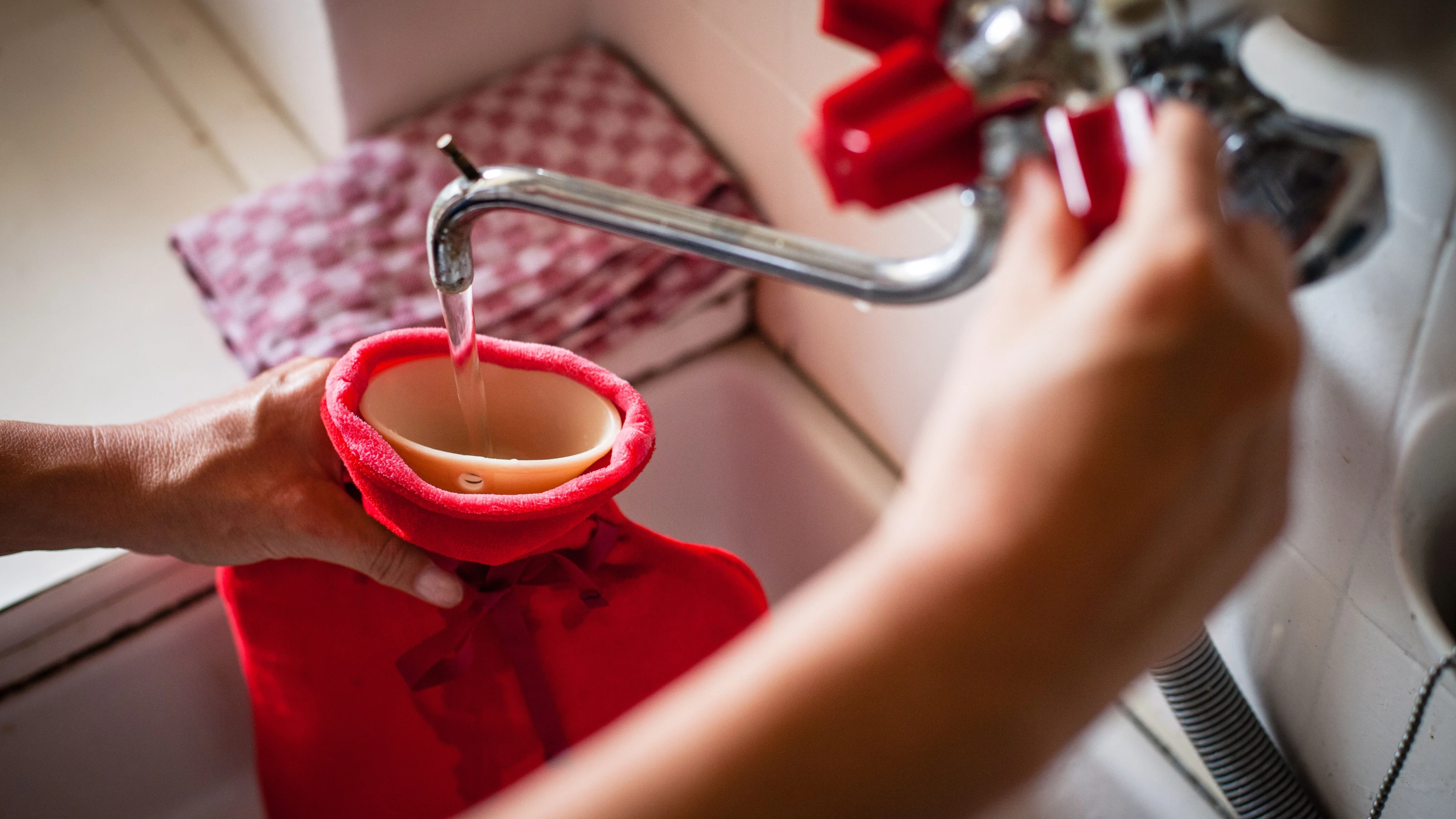
Hilfe bei Hitze: Besser schlafen mit Wärmflasche Dass alles, was wärmt, auch kühlen kann, ist in diesem Sommer eine wichtige Erkenntnis. Am besten, man nimmt gleich das ganze Eisfach mit ins Bett.
faz · about 2 months ago

Cortes noturnos de água vão afetar 10 localidades e bairros Onze zonas do concelho de Almada vão ficar sem água a partir das 22:00 deste sábado e até às 06:00 de domingo, no âmbito das medidas da Câmara Municipal para restabelecer reservas de água.
observador · about 2 months ago
V Česku roste zájem o rekreační plavbu. Na slapské přehradě na lodě dohlíží Státní plavební správa Stále více Čechů vlastní loď. Státní plavební správa v současnosti eviduje přes 22 tisíc plavidel. Za posledních deset let se jejich počet zdvojnásobil. Výrazně podle ní přibývá i lidí s průkazem vůdce malého a rekreačního plavidla. Informace správa představila na slapské přehradě, kde její hlídky kontrolují dodržování pravidel plavby.
irozhlas.cz · about 2 months ago

Départ en vacances : déjà plus de 900 km de bouchons recensé en France Avec plus de 900 kilomètres de bouchons à 12H00, le trafic est très chargé samedi, notamment en vallée du Rhône, pour ce week-end de départ en vacances, Bison Futé appelant les automobilistes à "redoubler de prudence" en raison de la canicule. ...
la libre · about 2 months ago
Getting around Cyprus: Do you need a car? Planning a holiday in Cyprus without a car is entirely possible — but whether its the right choice depends on the type of trip youre planning. If youre staying in one or two coastal resorts, buses, taxis and organised excursions are usually enough. However, if your itinerary includes mountain villages, remote beaches or national parks, […]
cyprus mail · about 2 months ago

Tour de France : les organisateurs annoncent de gros changements pour la 9e étape en vue de la canicule La neuvième étape du Tour de France dimanche entre Malemort et Ussel, en Corrèze, a été raccourcie de trente kilomètres alors que le département a été placé en vigilance rouge canicule par Météo-France, ont annoncé les organisateurs samedi. ...
la libre · about 2 months ago
Klimapolitik: Klimaanlagen sind kein Tabu mehr – Hitze zwingt Frankreich zum Kurswechsel Die Hitzewellen haben in Frankreich eine Diskussion um Klimaanlagen angestoßen. Bisher waren diese verpönt, wärmen sie doch die Städte auf. Nun wird aus Luxus eine schlichte Notwendigkeit.
handelsblatt · about 2 months ago

🇫🇷 The Eiffel Tower and other Paris landmarks announced early closures over the weekend as a quarter of mainland France was under the highest heat alert level on Saturday in the third heatwave to hit the country since May. ➡️ u.afp.com/SKKK
bluesky_AFP English · about 2 months ago
Hair Extensions Made Simple: Finding the Perfect Style for Your Hair - The Baltic Times Hair extensions have transformed the way people approach hairstyling. Instead of waiting months or even years for natural hair to grow, extensio......
baltic times · about 2 months ago
Canicule et Tour de France 2026 : le parcours de la 9e étape en Corrèze réduit de 30 kilomètres Lépreuve dimanche a été raccourcie à cause du placement du département en vigilance rouge canicule, comme 36 autres.
liberation · about 2 months ago
Climate change: Women paying the price of a hotter planet Prolonged heatwaves are an ecological issue, a public health issue, and a social issue. With every 1°C rise in temperature, incidents of domestic violence increase by 4.7. We discuss this issue with our guest Adéa Guillot, Director of Engagement at CARE France.
france24 · about 2 months ago
Negende etappe Tour de France ingekort vanwege hitte De negende etappe van de Tour de France, die zondag wordt verreden, is met 30 kilometer ingekort vanwege de extreme hitte. Dat meldt de Tourorganisator ASO zaterdag.
rtl nieuws · about 2 months ago
Măsuri fără precedent în Franţa, în fața unui nou val de caniculă. Ce este planul Orsec, activat în cazul dezastrelor naturale Guvernul Franţei a luat măsuri fără precedent, activând planul Orsec, care se aplică în situaţii de urgenţă, ca urmare a caniculei extreme care se manifestă din nou în acest weekend.
digi24 · about 2 months ago
Le Louvre, la tour Eiffel et le musée dOrsay réduisent leurs horaires douverture : «Les montées en températures ne garantissent plus le confort des visiteurs ni des agents» En raison des fortes chaleurs, la tour Eiffel et le Louvre fermeront à 16 heures, Orsay à 17 heures.
liberation · about 2 months ago
Attraktionen in Paris: Eiffelturm und Louvre schließen wegen Hitze früher 35 Grad in Paris: Mehrere Touristenattraktionen verkürzen ihre täglichen Öffnungszeiten. In ganz Frankreich soll zeitweise jede dritte Zugverbindung gestrichen werden.
faz · about 2 months ago