 Friday, June 19Friday, June 19
The Irish State spent at least €735,000 on a charter flight to deport 42 South Africans, including 15 children, from Ireland to South Africa. This is the fourth such deportation flight this year, raising questions about the cost and frequency of these operations.
According to The Irish Times, the flight cost the State at least €735,000, averaging to approximately €17,500 per person. The Journal.ie reported that the flight departed on Thursday, carrying 42 people, including 15 children.
The high cost of the flight has drawn attention, with critics arguing that the money could be better spent on other priorities. The frequency of these flights, with four already this year, also highlights the ongoing nature of deportation operations from Ireland to South Africa.
The deportation flight comes amidst ongoing debates about immigration policies and the treatment of asylum seekers in Ireland. Critics argue that the high cost of these flights could be better spent on integrating immigrants into society or improving the asylum process.
This is the fourth charter deportation flight to South Africa this year, indicating a continuing trend in Ireland's deportation practices. The first flight took place earlier this year, followed by others in the subsequent months. The total cost of these flights is not yet known, but the expenditure on deportation operations is significant.
The Irish government has not yet commented on the cost of the flights or the reasons behind the frequent deportations. However, the issue is likely to be raised in the upcoming parliamentary sessions, with opposition parties calling for a review of the deportation policy.
Meanwhile, immigration advocates have expressed concern about the impact of these deportations on the individuals and families involved. They argue that the high cost of these flights is not justified and that the money could be better spent on supporting immigrants and asylum seekers in Ireland.
The use of charter flights for deportations has been a contentious issue in Ireland and other countries. Critics argue that these flights are costly and inhumane, particularly when children are involved. Supporters, however, maintain that they are necessary to maintain the integrity of the immigration system and to deter illegal immigration.
As the debate continues, the Irish government faces questions about the effectiveness and ethics of its deportation policies. With four flights already this year, and more likely to follow, the cost and frequency of these operations are under scrutiny.
In addition to the cost, the involvement of children in these deportations has raised ethical concerns. Immigration advocates argue that children should not be subjected to the trauma of deportation and that their best interests should be taken into account.
The Irish government has not yet responded to these concerns, but the issue is likely to be raised in the upcoming parliamentary sessions. Opposition parties have called for a review of the deportation policy, arguing that it is costly and ineffective.
Meanwhile, the debate about immigration policies and the treatment of asylum seekers continues in Ireland. Critics argue that the high cost of deportation flights could be better spent on integrating immigrants into society or improving the asylum process.
In conclusion, the cost and frequency of deportation flights from Ireland to South Africa are under scrutiny. With four flights already this year, and more likely to follow, the Irish government faces questions about the effectiveness and ethics of its deportation policies.

Deportation charter flight to South Africa costs the State at least €735,000 Forty-two South Africans deported at an average cost of €17,500
irish times · about 3 hours ago

La peste sévissait déjà il y a plus de 5 000 ans Des chercheurs ont trouvé la plus ancienne souche du bacille de la peste identifiée à ce jour. Cette découverte, à la une de Nature, prouve que les transmissions se sont produites avant linvention de lagriculture, mais aussi que la maladie venait bien dAsie.
courrier international · about 3 hours ago

MV «Hondius» : la quarantaine levée pour presque tous les passagers du navire touché par lhantavirus Les quatre Français encore à lhôpital seront libérés dimanche. Une cinquième passagère, tombée malade, reste hospitalisée en réanimation mais «va mieux», selon le directeur général de la Santé, Didier Lepelletier.
liberation · about 3 hours ago
Ultimul continent pe care gripa aviară H5N1 nu a ajuns a depistat primul caz suspect Australia a detectat primul său caz suspect de gripă aviară H5N1 pe teritoriul continental al țării, într-o regiune izolată din sud-vest, au anunțat vineri autoritățile, citate de Reuters. O pasăre marină migratoare cunoscută sub numele de skua maro, găsită în Parcul Național „Cape Le Grand din Australia de Vest, a avut un rezultat pozitiv la …
hotnews.ro · about 3 hours ago
Hazatérhetnek a hantavírusos hajó utasai Véget ért a hollandiai karantén.
444.hu · about 3 hours ago
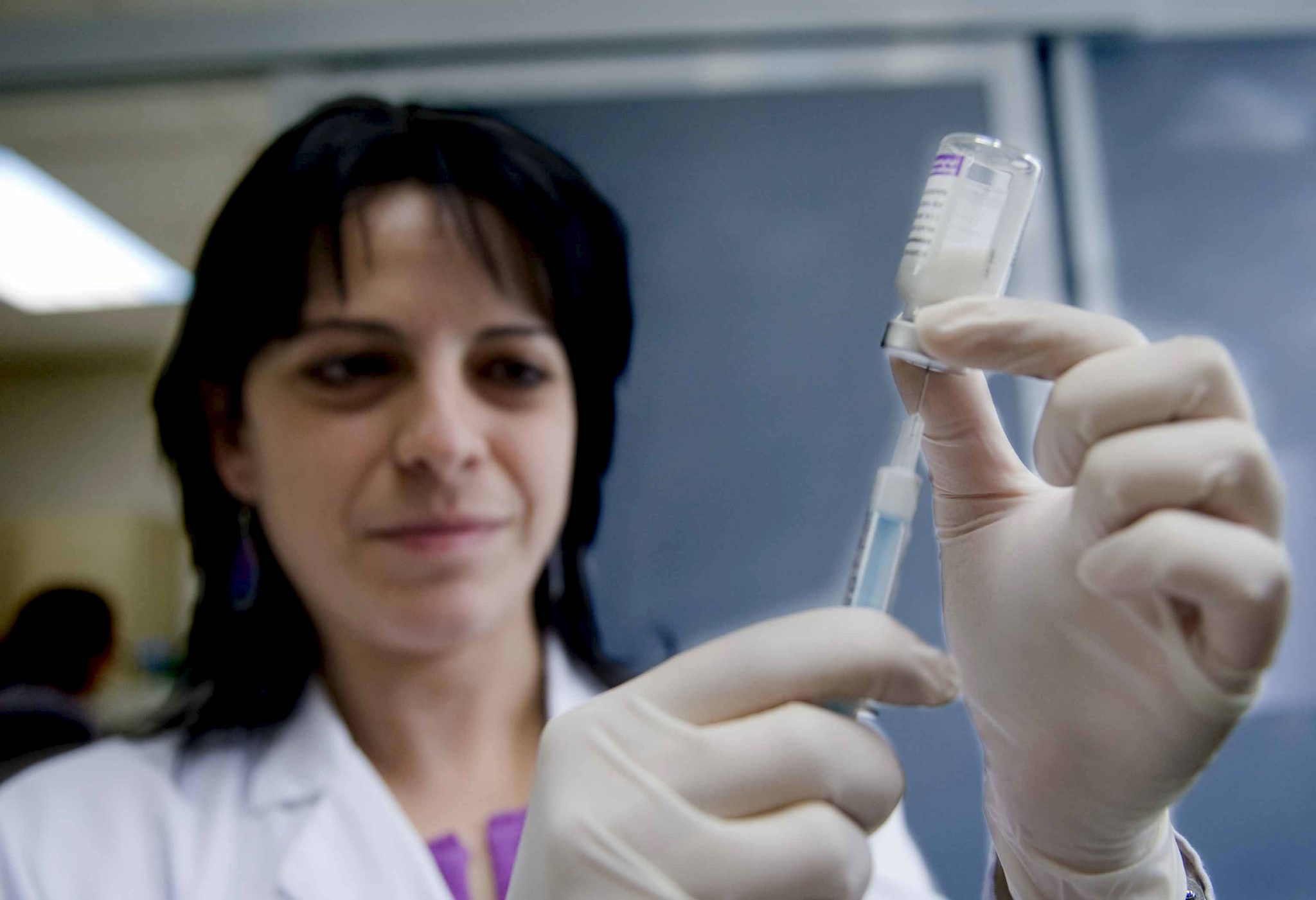
Expertos estadounidenses respaldan la primera vacuna de ARN mensajero contra la gripe de Moderna Un panel de expertos ha emitido un informe positivo a la aprobación de la vacuna de ARNm de Moderna contra la gripe para la próxima temporada, con lo que en caso de aprobarse sería la primera aprobada con esta nueva tecnología que se usó en la pandemia de Covid. Leer
expansion · about 3 hours ago
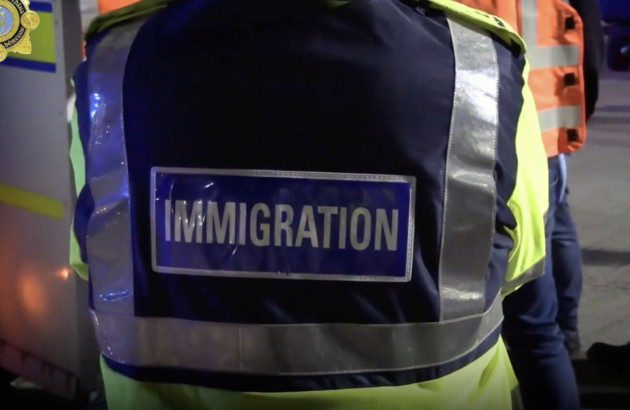
Up to 42 people, including 15 children, deported from Ireland to South Africa on latest flight The flight is the fourth such charter deportation operation to take place this year.
thejournal · about 3 hours ago