
Trump lifts Strait of Hormuz blockade as Iran rejects key U.S. claims in provisional deal
President Trump announces lifting of U.S. naval blockade in the Strait of Hormuz as he prepares to finalize a provisional Iran deal, though Tehran dismisses key U.S. claims as "baseless."
U.S. President Donald Trump declared on Friday that the United States will lift its naval blockade in the Strait of Hormuz, a critical chokepoint for global oil shipments, as part of a provisional agreement with Iran. The move comes as Trump convenes his national security team in the White House Situation Room to make a "final determination" on the deal, which he described in a Truth Social post as requiring Iran to "never have a Nuclear Weapon or Bomb" and to open the strait to "unrestricted shipping traffic, in both directions" without tolls. Iran must also remove or detonate remaining sea mines, Trump said, while U.S. and Iranian teams—alongside the International Atomic Energy Agency (IAEA)—would jointly excavate and destroy Iran’s stockpile of enriched uranium, which he claimed is "buried deep underground" .
The agreement, framed by Trump as a potential diplomatic breakthrough, follows months of negotiations and a 60-day ceasefire extension. However, Iranian officials and state-linked media outlets have sharply contradicted Trump’s characterization of the deal. According to Fars News Agency, Tehran’s negotiators dismissed Trump’s claims as "a mix of truth and lies" and an attempt to stage a "fake victory." Two key distortions were highlighted: first, Iran has not agreed to open the Strait of Hormuz without fees, as Trump asserted, and instead plans to manage the waterway under its own terms; second, the memorandum of understanding (MOU) does not include any commitment to dismantle Iran’s nuclear materials, a demand Trump described as "fundamentally baseless" .
The MOU reportedly includes provisions Trump omitted in his public statements, including the immediate release of $12 billion in frozen Iranian assets—a precondition for further negotiations—and a complete ceasefire in Lebanon aligned with Hezbollah’s demands. Iranian officials emphasized that any final agreement would be based on Tehran’s "red lines" and approached with "complete distrust" of the U.S., warning of "immediate countermeasures" in the event of a breach . U.S. officials acknowledged that while Iran has made verbal commitments on its nuclear program, the specifics remain subject to formal negotiations .
The lifting of the blockade, which has disrupted global oil markets since its imposition in early 2026, could allow hundreds of stranded tankers to resume transit. However, analysts warn the deal remains fragile, with no guarantee of a lasting resolution to the broader standoff over Iran’s nuclear ambitions or regional influence. Trump’s insistence on framing the agreement as a unilateral concession by Iran—despite Tehran’s rejection of key terms—suggests the deal may face significant hurdles in implementation, even if formally signed. Further negotiations are expected to focus on Iran’s nuclear program, though the timeline and scope of those talks remain unclear.
Trump lifts Strait of Hormuz blockade as Iran rejects key U.S. claims in provisional deal
- independent
- france24
- axios
- die presse
Articles

President Trump said he would make a final decision over a deal with Iran to extend their ceasefire that would need to include opening the Strait of Hormuz and dismantling Tehrans capacity to make a nuclear weapon reut.rs/49vDDvZ
bluesky bot · 9 days ago

Trump will Blockade aufheben – doch vorläufiger Deal der USA mit dem Iran löst keine Probleme [premium] Donald Trump kündigte am Freitag an, dass die USA ihre Seeblockade beenden und auch Teheran die Straße von Hormuz freigeben werden. Die USA und der Iran hatten zuvor intensiv an einem Zwischenabkommen gearbeitet. Doch das bedeutet keine endgültige Lösung. Eine Analyse.
die presse · 9 days ago
Trump will Blockade aufheben – doch Zwischen-Deal der USA mit dem Iran löst keine Probleme [premium] Donald Trump kündigte am Freitag an, dass die USA ihre Seeblockade gegen den Iran beenden. Die USA und der Iran hatten zuvor intensiv an einem Zwischenabkommen gearbeitet. Doch das bedeutet keine endgültige Lösung. Eine Analyse.
die presse · 9 days ago
Trump says now making final determination on Iran deal US President Donald Trump on Friday said he was now making a "final" decision on whether or not to strike a peace deal with Iran. "I will be meeting now, in the Situation Room, to make a final determination," Trump said in a lengthy social media post, stressing that Iran must agree never to have nuclear weapons and to open the Hormuz shipping lanes. In the post, Trump said that Iran "will complete the immediate removal" of mines in the strait and that the US naval blockade of Iranian ports "will now be lifted," allowing oil and other tankers to start moving.
france24 · 9 days ago
🇮🇷🇺🇸🇶🇦🇮🇱🇱🇧🇱🇧🇵🇰- According to Fars News Agency, informed sources have dismissed Donald Trumps recent claims about a deal with Iran as "a mix of truth and lies" and an attempt to stage a fake victory. The sources say the agreement text is still in its final stages of ratification in Iran, and no final decision has been made. ➡️ Fars identified two key distortions in Trumps account: first, that Iran is obliged to open the Strait of Hormuz without fees, something sources say is not in the text, with Iran planning its own arrangements for managing the strait; and second, that Iran will dismantle its nuclear materials, which sources describe as "fundamentally baseless" and absent from the memorandum entirely. ➡️ Two key clauses Trump reportedly omitted include the immediate payment of $12 billion in frozen Iranian assets, which must be paid before Iran enters any further negotiations, and a complete ceasefire in Lebanon in line with Hezbollahs position. ➡️ Iranian officials stressed that any final agreement will be based on Irans red lines and approached with "complete distrust" of the US, with immediate countermeasures planned in the event of any breach.
telegram bot · 9 days ago
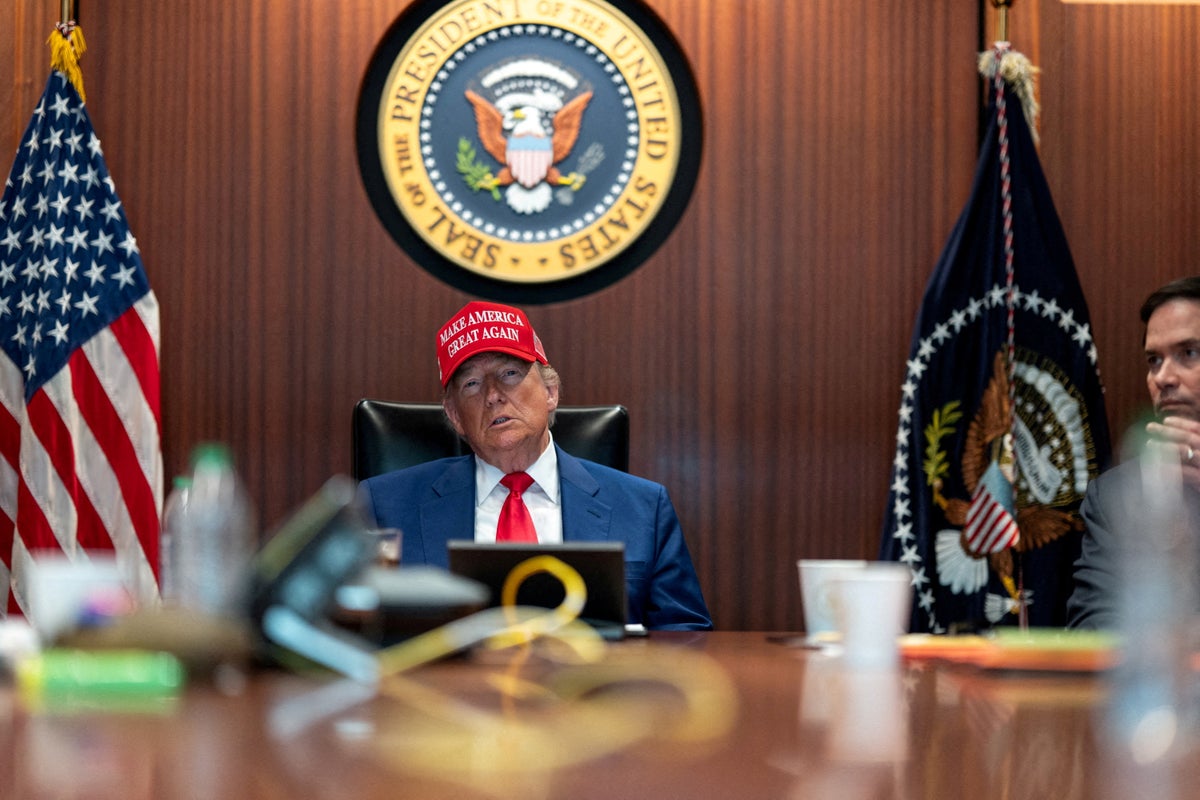
Trump in Situation Room to make final call on Iran peace deal after lifting Naval blockade of Hormuz Strait President confirms deal reopens Strait of Hormuz after months-long stalemate that has devastated global economy
independent · 9 days ago
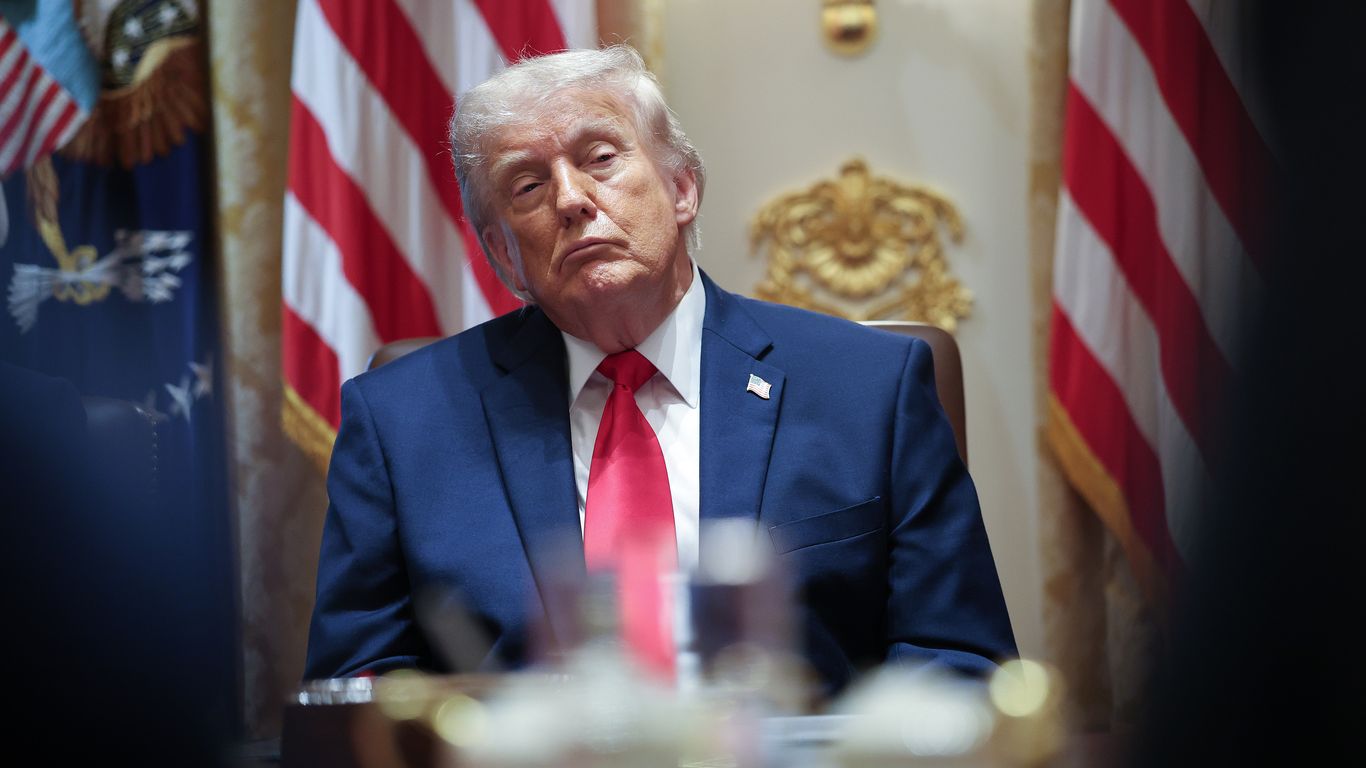
Trump meets team to decide on Iran deal President Trump said on Friday that hes convening his national security team in the White House Situation Room to make a final decision about the agreement reached between U.S. and Iranian negotiators. Why it matters: The signing of the memorandum of understanding (MOU) would be the most significant diplomatic breakthrough since the war started, but a final agreement tackling Trumps nuclear demands would require further negotiations.The text of the MOU — which involves a 60-day ceasefire extension and the reopening of the Strait of Hormuz — was largely agreed as of Tuesday, but Trump told the mediators he needed more time to make a decision.What hes saying: In a Truth Social post on Friday morning, Trump laid out the main elements in the deal that he wants to emphasize and seemingly suggested he was about to accept it.He stressed Iran must agree that "they will never have a Nuclear Weapon or Bomb."He claimed the Hormuz Strait must be immediately open without tolls, for "unrestricted shipping traffic, in both directions." He noted Iran will complete "the immediate removal and/or detonation of any mines that are left" in the strait."Ships caught in the Strait due to our amazing and unprecedented Naval Blockade, which will now be lifted, may start the process of "heading home," Trump wrote.The flipside: The MOU states that Iran will agree to negotiate on its nuclear program, but does not include specific concessions. Trump claimed that Irans enriched Uranium, "which is buried deep underground... will be unearthed by the U.S. in close coordination and conjunction with the Islamic Republic of Iran, plus the International Atomic Energy Agency, and DESTROYED."U.S. officials say they have verbal commitments from the Iranians on the nuclear material, but that what matters is what is agreed when the sides get in the room for the formal negotiations.Trump claimed "no money will be exchanged, until further notice," referring to Irans frozen funds in accounts around the world. This is a breaking news story and will be updated.
axios · 9 days ago
JUST IN - Trump lifts the U.S. naval blockade in the Strait of Hormuz, says that Iran needs to open the Strait and allow for Irans stockpile of enriched uranium to be "unearthed" by the U.S., adding, that hes meeting in the Situation Room "to make a final determination." Source: @disclosetv
telegram bot · 9 days ago
🇺🇸❌🇮🇷- Summary: Donald Trump has announced that the U.S. naval blockade will be lifted, allowing ships that had been held up to begin heading towards their destination. ➡️ Donald Trump outlined the key terms he is demanding in any agreement with Iran. Iran must commit to never possessing a nuclear weapon, the Strait of Hormuz must be immediately opened for unrestricted shipping in both directions with no tolls, and all remaining sea mines must be removed or detonated. ➡️ Irans enriched uranium stockpile, "buried underground" following B-2 bomber strikes, will be excavated jointly by the US and Iran in coordination with the IAEA and destroyed. ➡️ Trump acknowledged that both the US and China are the only countries with the mechanical capability to carry out such an excavation operation. No money will be exchanged "until further notice," and Trump noted that other less significant issues have also been agreed upon. He concluded by announcing he would be meeting in the Situation Room to make a final determination on the deal.
telegram bot · 9 days ago
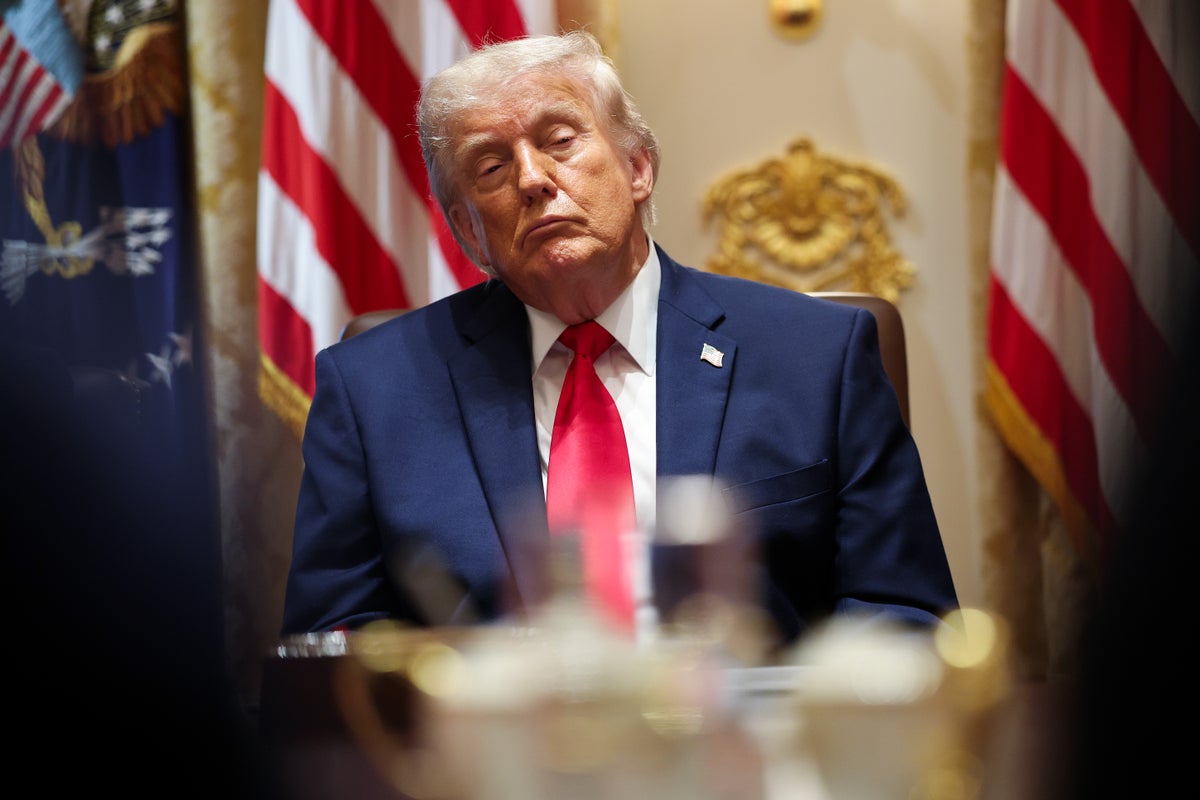
Iran-US war latest: Trump says naval blockade in Hormuz will be lifted and pledges final decision on peace deal Trump said he will be meeting now in the Situation Room to make a final determination
independent · 9 days ago