
Iran tightens grip on Strait of Hormuz as U.S. sanctions escalate
Iran’s military and economic chokehold on the Strait of Hormuz tightens as global tensions escalate
Satellite imagery confirms an oil tanker in the Strait of Hormuz is leaking after Iran’s Islamic Revolutionary Guard Corps (IRGC) fired an anti-ship missile at vessels attempting to transit the waterway without permission on May 28. The attack, captured in May 29 imagery, marks the latest in a series of Iranian actions to assert control over the strategic chokepoint, through which roughly 20% of the world’s oil passes daily .
The U.S. Treasury Department has responded by banning all dealings with Iran related to transit through the Strait, even if no payment is involved. The prohibition extends to U.S. persons receiving any services from Tehran, including guarantees of safe passage, effectively cutting off legal avenues for vessels seeking to navigate the area . Meanwhile, President Donald Trump has suspended the Iran nuclear deal, demanding Tehran commit to never pursuing nuclear weapons and ensure unrestricted shipping through Hormuz as conditions for reinstatement .
Iran’s military recovery is accelerating. Open-source intelligence reports indicate Tehran has restored access to at least 50 previously blocked missile sites and expects to fully rebuild its drone attack capabilities within six months. Russia and China are aiding the effort, with initial damage assessments proving less severe than feared . The rapid reconstitution of Iran’s arsenal raises concerns about future provocations in Hormuz, where undersea internet cables—critical for global banking and communications—are now also at risk. Analysts warn that protecting these cables, which traverse the Strait, may require a fundamental rethink of internet infrastructure resilience .
Even if the Strait reopens, the economic fallout will linger. Repairs to Qatar’s gas fields, damaged in Iranian attacks, could take three to five years, prolonging disruptions to global energy supplies. The conflict has already delayed production recovery across the region, with long-term consequences for markets dependent on Gulf hydrocarbons .
With Iran’s military posture strengthening and U.S. sanctions tightening, the Strait of Hormuz remains a flashpoint where geopolitical, economic, and technological vulnerabilities converge. The coming months will test whether diplomatic off-ramps can emerge—or if the waterway becomes a permanent battleground for control of global trade.
Iran tightens grip on Strait of Hormuz as U.S. sanctions escalate
- independent
- nrc
Articles

Zelfs als de Straat van Hormuz morgen weer open is, kan herstel van de aanvoer van olie en gas nog jaren duren Ook als de oorlog tegen Iran snel voorbij is, zal het lang duren voordat de olie- en gasproductie in de regio weer het oude niveau heeft bereikt. Alleen de reparatie van de door Iran aangevallen gasvelden in Qatar kan al drie tot vijf jaar kosten.
nrc · 7 days ago
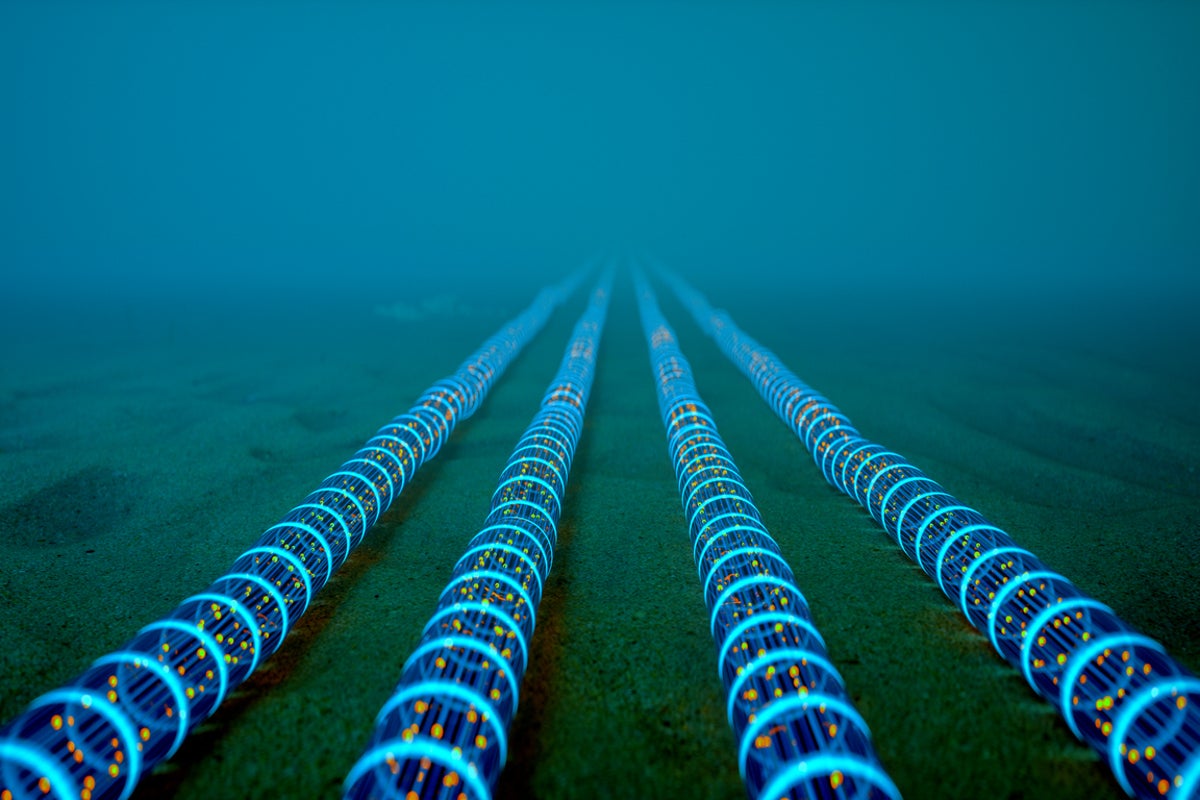
As Iran war threatens undersea cables in the Strait of Hormuz, is it time to rethink the internet? Undersea internet cables form the backbone of all worldwide connectivity, enabling bank transfers, messaging, and critical services to function. But as global conflicts threaten crucial chokepoints through which they run, how can the critical cables be protected? Alex Croft reports
independent · 7 days ago
#Iran Iran has rapidly restored access to at least 50 blocked missile sites and is expected to fully reconstitute its drone attack capabilities within about six months. This rebuilding effort has been aided by support from Russia and China, and the actual damage from previous strikes was less than anticipated. Subscribe to @OSINTdefender Chat room
telegram bot · 7 days ago
🇺🇸❌🇮🇷 - The US Treasury Department prohibits all arrangement with Iran for transit through the Hormuz, even if a payment is not involved. Regardless of whether a payment is made, US persons are prohibited from receiving services from the Government of Iran, including services related to a guarantee of safe passage @GeoPWatch
telegram bot · 7 days ago
🇮🇷🇮🇷❌🛥🇺🇸- New satellite imagery from May 29th shows one oil tanker in the Strait of Hormuz with an oil leak, most likely after being targeted the night before on May 28th, when the IRGC fired an anti-ship missile towards violating vessels attempting to transit the Strait of Hormuz without gaining permission from the IRGC Navy.
telegram bot · 7 days ago
Trump calls Chicago mayor useless, warns Iran on nuclear weapons US President Donald Trump denounced Chicago Mayor Brandon Johnson as "useless" on Saturday while insisting that Iran must never be allowed to develop nuclear weapons, posting the twin messages on his Truth Social platform one day after the Democratic mayor met Pope Leo XIV at the Vatican.
yenisafak · 7 days ago
#USA #Iran President Trump suspended the Iran deal at the last moment, demanding that Iran agree to never pursue nuclear weapons and ensure unrestricted shipping through the Strait of Hormuz. This decision came during a meeting in the White House Situation Room, where he did not announce a final determination on the deal. Subscribe to @OSINTdefender Chat room
telegram bot · 7 days ago
Americans wary of Iran conflict as White House pursues peace deal Recent polling indicates that American voters remain skeptical of expanded military operations against Iran even as the Trump administration signals progress toward a negotiated settlement to end the conflict and reopen the Strait of Hormuz while addressing Tehrans nuclear activities, according to CNN.
yenisafak · 7 days ago
US naval blockade of Iranian ports continues despite Trump pledge Iranian seafarers reported on Saturday that the US naval blockade of Iranian ports remains fully in effect despite President Donald Trumps announcement that the restrictions would be lifted, with vessels continuing to receive stop warnings from US Central Command, according to Tasnim news agency.
yenisafak · 7 days ago
Senior Iranian MP says Tehran wont retreat on nuclear, Hormuz red lines Ibrahim Azizi, chairman of the Iranian parliaments National Security and Foreign Policy Commission, said late Wednesday that Iran will not abandon its red lines on uranium enrichment and the Strait of Hormuz despite mounting pressure from US President Donald Trump, who he said alternates between issuing threats and seeking negotiations.
yenisafak · 7 days ago
Iran rejects Trump claims on draft deal as mixture of truth and falsehood Tehrans Fars News Agency said Friday that Trumps remarks mix "truth and falsehood" in an attempt to portray a manufactured victory, noting that no provision obliges Iran to reopen the Strait of Hormuz without fees and that Tehran demands the immediate release of $12 billion in frozen assets.
yenisafak · 7 days ago
US Secretary Rubio thanks Pakistan for mediation with Iran US Secretary of State Marco Rubio thanked Pakistani Foreign Minister Ishaq Dar on Friday for Islamabads efforts to mediate an end to the war with Iran, as Washington considers a proposal to secure a lasting peace and reopen the Strait of Hormuz.
yenisafak · 7 days ago
Iran authority rejects US sanctions bid to control Hormuz The Persian Gulf Strait Authority said Friday that US Treasury sanctions targeting the body would fail to secure American control over the strategic Strait of Hormuz, condemning the measures as ineffective attempts to achieve through economic pressure what Washington could not accomplish through military or diplomatic means.
yenisafak · 7 days ago