 Friday, May 22Friday, May 22
China has overtaken Germany as Spain’s top supplier, significantly reshaping Europe’s trade dynamics and increasing economic ties between China and the EU. This shift reflects broader trends in European reliance on Chinese imports, particularly in critical sectors .
European industries are grappling with overcapacity in China, which is influencing production and trade strategies. Western automakers are leveraging Chinese manufacturing to export lower-cost vehicles to Europe, raising concerns about market competition and job security in the EU . Similarly, Sandoz, a generics drugmaker spun off from Novartis, has urged the EU to investigate alleged dumping by Chinese firms, warning that overcapacity threatens Europe’s self-reliance in essential antibiotics .
The EU is taking steps to reduce dependence on Chinese supply chains, particularly in the automotive sector. Following the Nexperia crisis, which exposed vulnerabilities tied to a single Chinese-linked chip supplier, the EU is pressuring carmakers to diversify their semiconductor sources . Meanwhile, European governments are promoting local production through initiatives like the "Rabla 2026" program, which incentivizes the purchase of vehicles manufactured within the EU .
Germany’s efforts to secure critical raw materials, such as lithium for electric vehicle batteries, are facing delays, highlighting challenges in reducing reliance on China. Despite EU support and contracts with Mercedes-Benz, projects like Rock Tech Lithium’s planned refinery in Brandenburg remain stalled . At the same time, German auto suppliers like Eberspächer are expanding operations in China, aiming to triple revenue there by 2028, with potential exports of Chinese-made components back to Europe .
The broader debate over "de-risking" from China continues, with questions over whether Western policies are aimed at reducing dependence or containing China’s economic growth. Beijing has tightened control over supply chains, while Europe and the U.S. seek to limit exposure to Chinese dominance in key industries . Some analysts argue that China’s influence is so entrenched that Europe is effectively "sanctioning itself" by adopting policies that align with Beijing’s interests without direct coercion .
> Background: **German supplier Eberspcher targets China to triple revenue amid EU supply chain concerns.** — *10 hours ago*

Europes film sector calls for EU scrutiny of Warner Bros-Paramount deal Concerns are mounting the transaction will lead to extensive job losses and fewer options for film and programme makers
financial times · about 15 hours ago
The European cars made in China Western automakers are taking advantage of Chinese overcapacity to export lower-cost vehicles to their home markets
financial times · about 15 hours ago
Generics drugmaker Sandoz calls for EU to probe alleged China dumping Novartis spin-off says Chinese overcapacity threatens European self-reliance and access to key antibiotic
financial times · about 15 hours ago
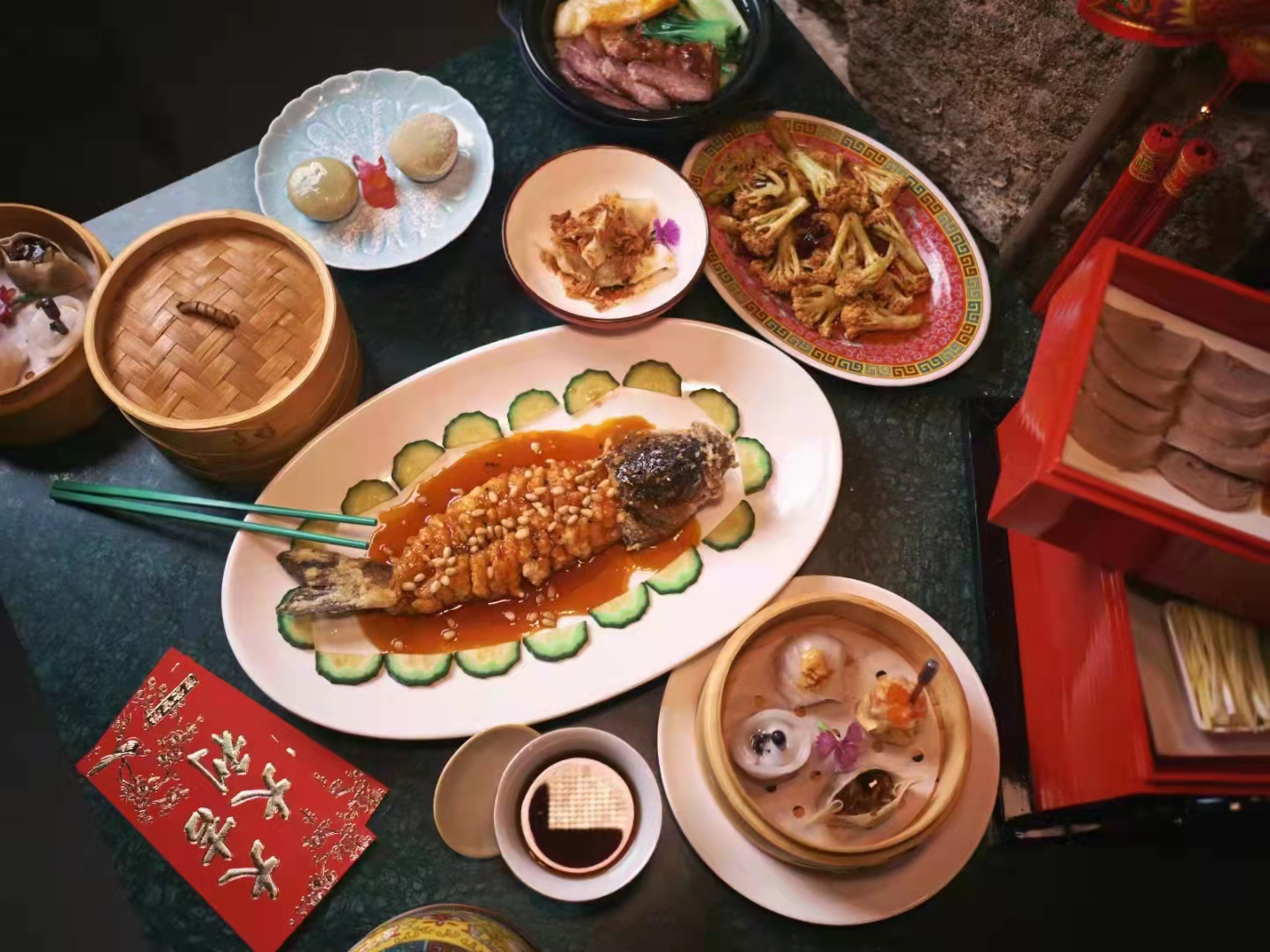
El buenísimo festín de 40 euros en Hong Kong 70 en el que acabamos con Puleza La oferta de gastronomía china en el barrio de Usera es de sobra conocida. Una pena que al mejor restaurante le falle la carta de vinos Leer
elmundo · about 20 hours ago
China Overtakes Germany as Spains Top Supplier, Redrawing Europes Trade Map – Sri Lanka Guardian
gdeltproject.org · about 23 hours ago
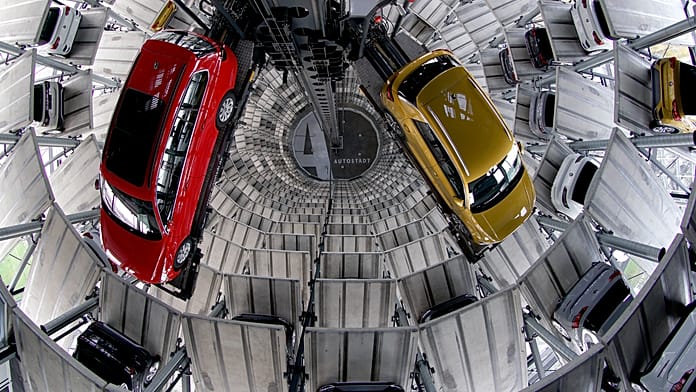
European carmakers face EU pressure to diversify chip suppliers EU set to force carmakers to source chips from multiple suppliers after the Nexperia crisis exposed dangerous dependence on a single Chinese-linked provider.
euronews · 1 day ago
Is the West de-risking from China or containing its economy? As the US and Europe push to reduce reliance on China, Beijing tightens control over supply chains.
aljazeera · 1 day ago
Mașini produse în Europa care se încadrează în programul Rabla 2026 Interesul pentru „Rabla 2026 cu mașini produse în Europa este tot mai mare, în contextul în care autoritățile europene și guvernele naționale încearcă să susțină industria auto locală și producția realizată în Uniunea Europeană.
adevarul · 1 day ago
How Chinas silent coercion has Europe sanctioning itself Beijing no longer needs to actively deploy economic coercion to shape Europes economic agenda in its interest
european council · 1 day ago
Rohstoff-Wettlauf gegen China: Warum Deutschland sich selbst bremst Genug Lithium für 500.000 E-Auto-Batterien pro Jahr – das will Rock Tech Lithium künftig im brandenburgischen Guben aufbereiten. Die EU feiert das geplante Werk als strategisches Vorzeigeprojekt, Mercedes-Benz hat die Abnahmeverträge längst unterschrieben. Doch auf der Baustelle steht kein einziger Bagger. Joana Lehner spricht mit Mirco Wojnarowicz, dem CEO von Rock Tech Lithium. Er erklärt, […]
politico.eu · 1 day ago
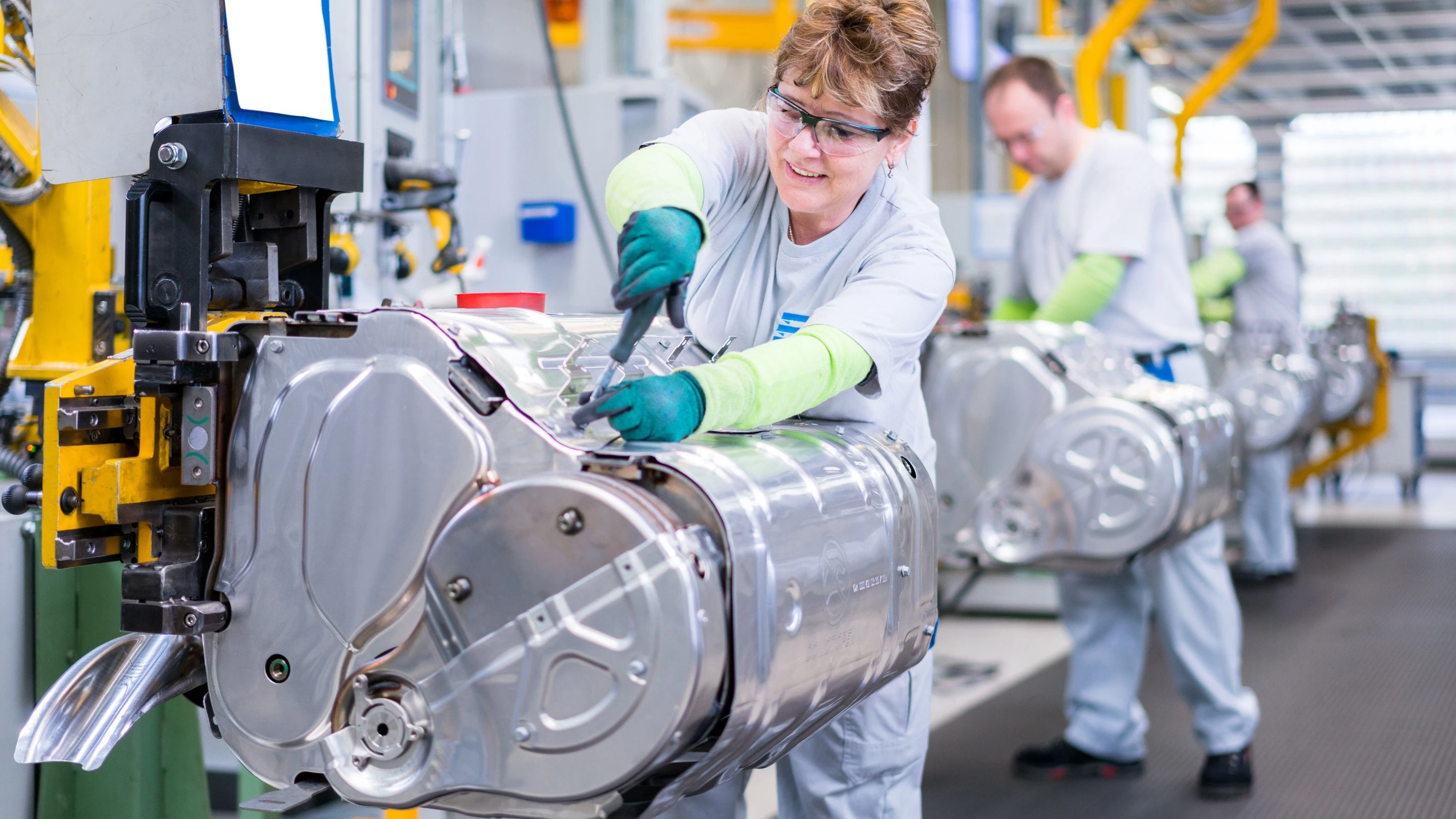
Autozulieferer: Chinesische Kunden sollen Eberspächer aus Krise helfen Der schwäbische Autozulieferer will seinen Umsatz in China bis zum Jahr 2028 verdreifachen. Die vom Abgasspezialisten in Fernost gefertigten Teile könnten dann auch wieder nach Europa kommen – in chinesischen Fahrzeugen.
faz · 1 day ago
Medikamente: Auch eine Frage der Sicherheit Gerade streiten Krankenkassen und Pharmaindustrie darüber, wie teuer Biosimilars sein dürfen – also Nachahmer-Medikamente von biotechnologischen Arzneimitteln. Dabei geht es um Milliarden. Und auch darum, wie resilient die deutsche Versorgung ist.
sueddeutsche · 1 day ago