
Austrian finance minister diagnosed with lymphoma, to continue duties during treatment

Austrian Finance Minister Markus Marterbauer announced on Monday that he has been diagnosed with lymphoma, a type of cancer, and will begin treatment immediately while continuing to serve in his role. In a statement sent to news outlets, Marterbauer wrote, "In Austria, more than 400,000 people live with a cancer diagnosis. As of recently, I am one of them."
The 61-year-old minister, who is a member of the Social Democratic Party (SPÖ), revealed that his diagnosis is lymphoma, a cancer of the lymphatic system. He emphasized that the disease has good recovery prospects thanks to extensive research and the quality of the Austrian healthcare system. "It is important that I start appropriate therapy immediately," Marterbauer said. He will begin treatment on Monday at the AKH Wien hospital, with the therapy expected to last three months.
Despite his diagnosis, Marterbauer plans to continue his duties as Finance Minister. "The therapy sessions will be additional appointments in my official calendar and may occasionally lead to the rescheduling of meetings," he explained. "However, the treatment is planned in such a way that I can fully perform my duties and responsibilities as Finance Minister of our country."
Marterbauer's announcement has received an outpouring of support from across the political spectrum in Austria. President Alexander Van der Bellen praised the minister's transparency, calling it "a strong sign for those affected" and noting that it requires "a lot of courage." Genesungswünsche, or wishes for recovery, have come from all parties, reflecting the broad support for Marterbauer during this challenging time.
In the United States, Senator Mitch McConnell, a prominent figure in American politics, revealed details about his recent hospitalization. The 84-year-old Republican senator disclosed that he was hospitalized due to a fall that resulted in a brief loss of consciousness and a subsequent mild case of pneumonia. McConnell assured the public that he did not suffer a heart attack or stroke and is now in rehabilitation.
McConnell's absence has caused some challenges for the Republican Party in the U.S. Senate, where they hold a narrow majority of 53 to 47 seats. His recovery is expected to take time, and he has stated that he will not return to the Senate soon on the advice of his doctors. This absence comes at a politically sensitive time, with midterm elections approaching in a few months.
The news of Marterbauer's diagnosis and McConnell's health struggles highlights the personal challenges faced by public figures, even as they continue to serve in their official capacities. Both men have expressed determination to continue their work while dealing with their health issues.
Marterbauer's decision to go public with his diagnosis has been met with widespread support in Austria. Many have praised his openness and resilience, noting that his transparency can serve as an inspiration to others facing similar challenges. Similarly, McConnell's disclosure has put to rest speculations about his health, providing clarity about his condition and expected recovery timeline.
In Austria, Marterbauer has been a key figure in the government's efforts to manage the country's budget and economic policies. His diagnosis comes at a time when the government is working to reduce the budget deficit to within the 3% limit set by the European Union. Despite his health challenges, Marterbauer has assured that he will continue to fulfill his duties and responsibilities.
In the United States, McConnell has been a major player in the Senate for decades, serving as the leader of the Republican Party in the chamber for many years. His absence is felt keenly, especially given the narrow majority that the Republicans hold in the Senate. With midterm elections on the horizon, McConnell's health and ability to return to work are of significant interest to political observers.
As both men navigate their health challenges, their stories serve as a reminder of the human side of public service, where personal struggles often intersect with professional responsibilities. Their openness about their health issues has been met with support and admiration from colleagues and constituents alike.
Follow us for live European news
- 3
- 2
- 2
- 1
- 1
1 further source not geolocated
Articles

Cel mai popular ministru austriac a anunțat că are cancer, dar va continua să lucreze Ministrul austriac al Finanțelor, Markus Marterbauer, suferă de cancer și va urma un tratament în următoarele trei luni, rămânând în funcție și continuând să lucreze, anunță un comunicat transmis luni de ministerul său, potrivit Reuters. Potrivit sondajelor de opinie, Marterbauer, un economist în vârstă de 61 de ani adus în guvern de social-democrați, este cel …
hotnews.ro · about 6 hours ago
Madeleine Erichsen är död – berättade öppet om cancern Madeleine Erichsen berättade öppet om cancern.Nu är hon död och hennes avskedsbrev hyllas på Instagram.När ni läser det här inlägget är jag på en helt annan plats, jag har svävat vidare till nya nivåer, skrev hon i den sista hälsningen.
expressen · about 6 hours ago
Longevity: „Die Wirkstoffe der Abnehmspritzen könnten das Altern verlangsamen Unsere Gene beeinflussen zu 30 Prozent die Lebenserwartung, sagt Alternsforscher Björn Schumacher. Und was ist mit den übrigen 70 Prozent? Das erklärt der Kölner Wissenschaftler im Interview.
handelsblatt · about 6 hours ago
Finanzminister Markus Marterbauer hat Krebs Finanzminister Markus Marterbauer informierte am Montag die Öffentlichkeit darüber, dass vor Kurzem Krebs bei ihm diagnostiziert worden ist. Am heutigen Montag beginnt er seine Behandlung im AKH. Er bleibt im Amt.
die presse · about 6 hours ago

Finanzminister Marterbauer an Krebs erkrankt Markus Marterbauer startet eine Therapie, will im Amt bleiben und bittet, "in der Kommunikation durchaus offen, aber fair und respektvoll mit meiner Erkrankung umzugehen"
der standard · about 6 hours ago
US-Senator McConnell: Sturz war Grund für Klinikaufenthalt
orf.at · about 6 hours ago
Marterbauer gibt Krebserkrankung bekannt
orf.at · about 6 hours ago
USA: US-Senator McConnell nennt Grund für Krankenhausaufenthalt Er sei im Juni gestürzt, habe sich aber keine schweren Verletzungen zugezogen, teilt der Republikaner mit. Die US-Justiz nimmt offenbar Reporter der „New York Times ins Visier.
sueddeutsche · about 6 hours ago

A U.S. senator is pressing pharmaceutical giant Merck over its patenting and pricing practices after ICIJs #CancerCalculus investigation scrutinized their blockbuster cancer drug Keytruda.
bluesky_ICIJ · about 6 hours ago
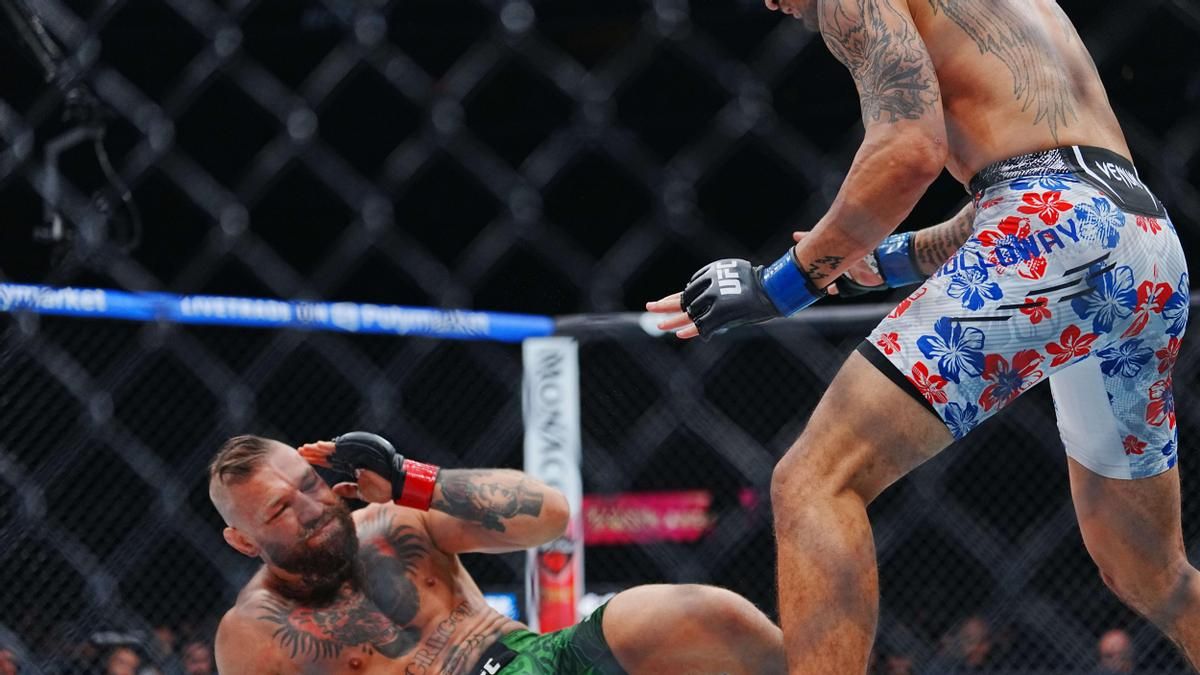
La teoría que pone contra las cuerdas a Conor McGregor: habría peleado lesionado únicamente para cobrar una bolsa millonaria ¿El verdadero motivo? - La supuesta lesión de McGregor dispara las sospechas sobre el verdadero motivo de su combateTrump ya tiene su baño de sangre en la Casa Blanca, con insultos a Michelle Obama incluidos: Es un hombre, ¿verdad América? La rodilla de Conor McGregor cedió a los 69 segundos y convirtió su regreso tras cinco años fuera de la UFC en una pelea casi inexistente. El irlandés intentó una patada voladora, cayó mal sobre la pierna derecha y apenas pudo apoyarla después. Esa secuencia abrió una teoría entre parte de la afición. McGregor habría llegado lesionado al combate con Max Holloway y habría subido al octágono porque cancelar una velada de semejante tamaño suponía perder una bolsa millonaria y perjudicar una recaudación construida alrededor de su vuelta. La caída de McGregor desató dudas desde el primer minuto Según la retransmisión de la UFC, unas imágenes grabadas en la zona de inspección mostraban al luchador de 37 años con dificultades mientras se quitaba el calzado antes de entrar al octágono. Jon Anik, uno de los comentaristas más respetados en Estados Unidos de esta disciplina, explicó que pertenecían a los minutos previos y admitió que resultaba difícil saber si existía una lesión anterior. La sospecha creció porque el problema afectó a la misma pierna que Dustin Poirier le rompió cinco años antes, mientras varios aficionados recordaron que McGregor había faltado al primer episodio de Embedded y relacionaron aquella ausencia con posibles molestias. El argumento económico alimentó todavía más esas dudas. Helwani informó de que McGregor esperaba cobrar al menos 15 millones de dólares garantizados por su regreso, mientras su representante, Audie Attar, había asegurado que recibiría varias veces la remuneración de cualquier figura de la UFC, incluida Zuffa Boxing. USA TODAY Sports recogió esa estimación antes del combate y recordó que el importe definitivo dependería de las primas y del reparto de las ventas de pago por visión. La velada había batido además el récord de taquilla de la compañía, según Dana White, presidente de la UFC. La estrategia inicial pone en duda esa hipótesis La teoría, aun así, choca con la acción elegida por McGregor nada más empezar: lanzarse a por Holloway con una patada voladora en vez de plantear algo más conservador. Un luchador que conociera una debilidad seria en la rodilla habría asumido un riesgo difícil de explicar al lanzar una patada que descargaba el cuerpo sobre esa articulación. La propia UFC difundió imágenes del calentamiento en las que repetía ese ataque con las manoplas sin mostrar problemas, y Holloway avisó al árbitro únicamente después del segundo salto, cuando percibió que su rival ya peleaba con la pierna dañada. El desenlace dejó una decepción que se oyó en el T-Mobile Arena de Las Vegas, donde algunas entradas habían superado los 1.000 dólares. Joe Rogan afirmó en Kayo Sports que la gente estaba enfadada porque sentían que habían tirado su dinero, mientras el expeleador y comentarista Daniel Cormier señaló que en las imágenes casi podía verse el momento en el que se rompía la rodilla. Islam Makhachev, una de las estrellas de la UFC, escribió en X que Conor venció a Conor, enhorabuena, Max, y Belal Muhammad, otros de los grandes nombres de las MMA, preguntó si la patada saltando había causado la lesión. El también peleador Bo Nickal añadió que sentía pena por el irlandés. Holloway abrió la puerta a otro combate mientras crecen las dudas Holloway defendió a McGregor ante los abucheos y propuso una tercera pelea, aunque el público respondió con silencio. El vencedor explicó que había trabajado para subir a 170 libras, equivalentes a 77,1 kilos, y lamentó que el combate terminara así. Aun con esa oferta sobre la mesa, el futuro contractual del irlandés queda condicionado por una recuperación cuyo alcance todavía debía confirmarse. Le resta una pelea con la UFC y había señalado abril de 2027 como fecha para volver, un plazo difícil de cumplir ante una rotura grave del ligamento cruzado anterior. El irlandés negó cualquier problema antes de entrar al octágono McGregor rechazó después cualquier lesión previa y explicó que había lanzado patadas durante el campamento y también entre bastidores. En sus primeras palabras tras la derrota escribió que no tenía ninguna lesión al entrar en la pelea y aseguró que el daño salió de la nada. También expresó el golpe anímico que le había causado el final, aunque evitó usarlo como excusa para la derrota y afirmó que acudiría a la iglesia al día siguiente para encontrar alivio. El antiguo campeón de dos categorías insistió en que estaba preparado y negó que su forma de caminar antes del combate probara algún problema. McGregor aseguró que estaba tranquilo, preparado y confiado y cerró sus mensajes con una promesa de regreso. Esa intención queda ahora ligada al diagnóstico médico y a una trayectoria con solo cuatro peleas desde 2018, las dos últimas terminadas por lesiones en el primer asalto. Dana White descartó que la UFC hubiera permitido competir a McGregor lesionado porque los médicos lo examinaron y nadie detectó señales en la rueda de prensa ni en el pesaje. El presidente de la compañía añadió que el careo alcanzó 80 millones de reproducciones solo en sus cuentas y afirmó que alguna persona habría advertido un problema. Sobre el daño sufrido, explicó que los médicos sospechaban una rotura del ligamento cruzado anterior, el diagnóstico que puede decidir si aquella noche fue el último combate de McGregor en la UFC.
eldiario.es · about 6 hours ago
Senatorul republican Mitch McConnell, în vârstă de 84 de ani, a oferit detalii despre sănătatea sa, după săptămâni de absență Senatorul republican Mitch McConnell, o figură marcantă a vieţii politice din Statele Unite, a risipit misterul din jurul stării sale de sănătate, dezvăluind duminică faptul că a fost spitalizat din cauza unei pierderi de cunoştinţă provocate de o căzătură, urmată de o pneumonie, notează AFP.
digi24 · about 6 hours ago
Jazz Gitti hat Krebs: „Am Ende wird alles immer gut Vor einigen Wochen hat die Sängerin ihre Hautkrebserkrankung öffentlich gemacht.
die presse · about 6 hours ago
Marterbauer macht Krebsdiagnose öffentlich: Was ist ein Lymphom? [premium] Typisch bei Lymphdrüsenkrebs sind Symptome wie Fieber, Nachtschweiß und ungewollter Gewichtsverlust, Müdigkeit und ein Leistungsknick. Die Überlebenschancen sind oft sehr gut.
die presse · about 6 hours ago