
Zadar abolishes beach fees, restores free public access to entire coastline
Story Timeline
3 days · 2 summary articles
Zadar abolishes beach fees, restores free public access to entire coastline
Jamaican activists sue to reclaim privatized beaches as global coastal access crisis grows
Zadar County has abolished entry fees and removed fencing from its beaches, making the entire coastline accessible to the public as of today. The decision, announced on 17 June 2026, ends decades of privatised access along one of Croatia’s most visited stretches of Adriatic shoreline. Local authorities confirmed that barriers and ticket booths have been dismantled, restoring free movement to beaches that had been segmented by seasonal concessions and private operators.
The move follows a policy shift initiated by the Zadar County Prefect, who stated that “the sea and sand belong to everyone.” Municipalities along the 1,300-kilometre Dalmatian coast are now required to open all publicly owned beaches without charge, aligning with national environmental directives aimed at reversing coastal privatisation trends seen elsewhere in the Mediterranean. Croatia’s Ministry of Tourism confirmed that enforcement teams are inspecting sites to ensure compliance, with the first inspections scheduled for this weekend.
Reaction from residents and visitors has been immediate. In Zadar city centre, crowds gathered at the main promenade to celebrate the change, unfurling banners reading “Naša plaža” (Our Beach). Local café owner Marko Vuković told reporters that foot traffic had already increased by 40% on Tuesday evening, with families setting up towels where fences once stood. “People are coming back to places they thought were lost,” he said. Environmental groups welcomed the decision as a step toward ecological restoration, noting that unrestricted access reduces pressure on overcrowded hotspots while allowing natural dune systems to recover.
The policy shift contrasts sharply with developments in neighbouring Turkey, where private beach clubs have triggered protests under the slogan “Les plages appartiennent au peuple!” . In Croatia, however, the reversal of privatisation reflects broader regional trends toward reasserting public ownership of coastal resources. Earlier this month, the Croatian Parliament passed amendments to the Coastal Act, explicitly banning private beach concessions longer than five years and mandating public access corridors every 500 metres.
While some operators have vowed to challenge the new rules in court, legal experts say the county’s decision is likely to withstand scrutiny given recent constitutional court rulings upholding public beach rights. The Zadar County Tourist Board has launched a campaign inviting visitors to “rediscover Croatia’s open coast,” with social media hashtags #SlobodnePlaže and #NašaObala trending across the Balkans.
- 1
- 1
- 1
- 1
2 further sources not geolocated
Articles

Les plages appartiennent au peuple ! : en Turquie, la guerre des sezlong est ouverte Beach clubs, loges fermées et autres établissements privés : de larges parts du littoral turc ont été privatisées et leur accès facturé au prix fort, et ce, au mépris de la loi, sindigne le quotidien turc de gauche Birgün. En réaction, les citoyens turcs manifestent contre loccupation privée des côtes. Jusquà reproduire le mouvement des serviettes grec ?
courrier international · about 4 hours ago

South Korea to shift civilian restricted line at border with North Korea reut.rs/3QOrNXA
bluesky bot · about 4 hours ago
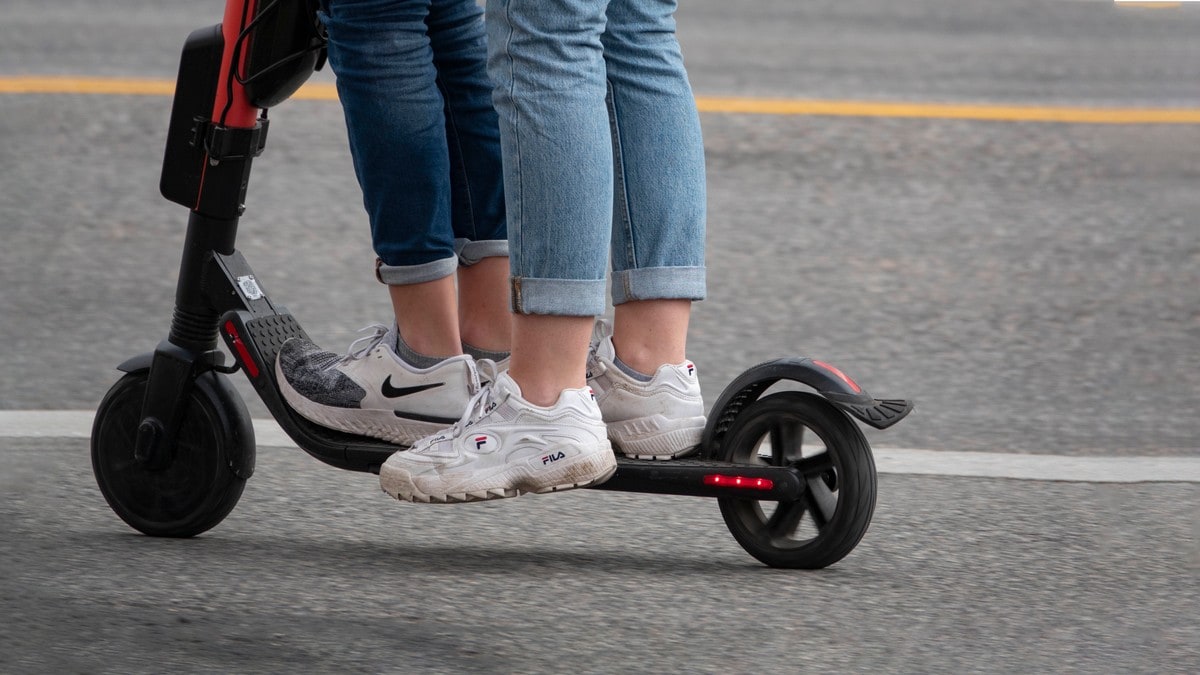
Varsler grep mot elsparkesykler: Vurderer aldersgrense og salgsforbud En 13-åring ble stoppa med en elsparkesykkel som kunne kjøre i 143 km/t. Nå varsler regjeringa mulig forbud.
nrk · about 4 hours ago

These Are All the Countries Considering Social Media Bans for Teens
gdeltproject.org · about 4 hours ago
Divieto social per i minori, non solo Gran Bretagna: il blocco avanza in Europa e nel mondo. E lItalia? Frena Al G7 di Evian, in Francia, è risuonato forte lappello per tutelare i minori dai rischi dei social network e dellIntelligenza artificiale. Novantacinque giovani di 19 Paesi si sono riuniti in questi giorni a Parigi per lanciare il monito sulla salute mentale dei più giovani, minacciata da Big Tech. Ai leader del mondo occidentale hanno […] Larticolo Divieto social per i minori, non solo Gran Bretagna: il blocco avanza in Europa e nel mondo. E lItalia? Frena proviene da Il Fatto Quotidiano.
il fatto quotidiano · about 4 hours ago
Zadar Beaches to Become More Open as County Ends Entry Fees June the 17th, 2026 – Zadar beaches are set to become much more open to all as the county puts an end to entry fees and takes down fencing. A massive and very welcome change is coming to the Croatian coastline as the expansive Zadar County moves to remove fences and entrance fees from beaches ... Read more The post Zadar Beaches to Become More Open as County Ends Entry Fees appeared first on Total Croatia.
total croatia news · about 4 hours ago
Bears in Paklenica are Being Fitted with Collars and Tracked June the 17th, 2026 – Brown bears living across Paklenica are currently being fitted with collars and tracked in order to keep an eye on their populations, habits and behaviours. The move has promoted fresh warnings about any potential meetings with Croatias largest land predator. Several brown bears across Paklenica have been fitted with tracking ... Read more The post Bears in Paklenica are Being Fitted with Collars and Tracked appeared first on Total Croatia.
total croatia news · about 4 hours ago
After Liberland, Another Country Appears Between Croatia and Serbia June the 17th, 2026 – Liberland was a controversial topic a few years ago, but it seems yet another so-called country has appeared between Croatia and Serbia, this time discovered by teenagers – meet Gapla. Croatias border with Serbia has become the unlikely home of yet another internet-era country as a group of teenagers proclaim ... Read more The post After Liberland, Another Country Appears Between Croatia and Serbia appeared first on Total Croatia.
total croatia news · about 4 hours ago