Loading…
 Saturday, September 26Saturday, September 26
4 months · 3 summary articles
Austria target strong start against Jordan to silence early World Cup doubts
FIFA moves to clarify controversial penalty as Qatar demands urgent statement
Germany deploys high-tech cooling vests ahead of 2026 World Cup
The German national team’s preparations for the 2026 FIFA World Cup in Winston-Salem, North Carolina, have taken a technological turn as the DFB seeks to counter extreme heat with cutting-edge solutions. On Monday, the squad will move into their World Cup camp, where advanced cooling vests and real-time environmental monitoring systems will be deployed to protect players from temperatures expected to exceed 35°C. “We’ve learned from past tournaments that heat can be a decisive factor,” a DFB spokesperson told *Die Welt* . The vests, developed in collaboration with sports scientists, circulate chilled water through microchannels, while sensors track humidity and air quality to adjust training schedules dynamically.
Former captain Ilkay Gündoğan has added to the pre-tournament buzz, predicting Germany could spring a “very big surprise” in the United States, Mexico, and Canada. Speaking to the *Frankfurter Allgemeine*, Gündoğan emphasized the need for a balanced squad, singling out potential successors to his role as the team’s on-field link between defense and attack . “The mix has to be right,” he said. “We have quality, but we also need players who can adapt quickly.” His remarks follow Germany’s disjointed Euro 2024 campaign, where tactical rigidity and squad unrest overshadowed a golden generation’s potential.
Across the Atlantic, Scotland’s World Cup preparations have been revitalized by an unexpected goal glut. In two pre-tournament friendlies, Steve Clarke’s side scored eight goals, including a 6-2 thrashing of Bolivia, which Lawrence Shankland described as giving the camp a “club feel.” The upturn in form has clarified Scotland’s starting XI ahead of Saturday’s opener against Haiti in Houston, where a win could set the tone for a tournament long dismissed as a rebuilding phase .
Meanwhile, Brazil’s World Cup ambitions suffered a setback when midfielder Wesley was ruled out of the tournament with an injury sustained in the final warm-up match. The 26-year-old, a key creative outlet in Tite’s system, joins a growing list of absentees affecting South American contenders, including Argentina’s Lisandro Martínez and Colombia’s James Rodríguez .
As the tournament’s June 11 kickoff approaches, the 2026 edition—expanded to 48 teams and spread across three host nations—promises logistical and climatic challenges unlike any before. Extreme heat warnings, time-zone complications, and political tensions, including former U.S. President Donald Trump’s contentious remarks about FIFA, have done little to dampen the global spectacle. “Football will survive this test, as it always does,” writes the *Tagesspiegel*, noting that the tournament’s unifying power transcends geopolitics .
Follow us for live European news
1 further source not geolocated

Uma aventura à boleia da história de Ali Os jogadores foram recebidos em euforia em Bagdade depois de garantirem a qualificação
observador · 4 months ago

O novo capítulo do ano que tem sido uma montanha-russa Senegaleses já chegaram aos quartos de final de um Campeonato do Mundo, no Japão e na Coreia do Sul, em 2002
observador · 4 months ago

A última dança com o bailarino que não está sozinho em palco O avançado do Real Madrid teve uma época complexa e procura sossego no Campeonato do Mundo
observador · 4 months ago

Dit verwachten andere landen van het WK: Doet Nederland wel mee? Wie wordt wereldkampioen? Onze correspondenten gingen de straat op met precies die vraag, van Turkije tot de VS. Hoe kijkt iedereen naar het WK en naar Oranje?
rtl nieuws · 4 months ago
Leute: Helene Fischer zeigt vor Tourauftakt ihre Bühne Ab Mittwoch ist Sängerin Helene Fischer auf Tour, der Auftakt findet in Dresden statt. Aus dem Stadion wurden nun Bilder der Bühne gezeigt.
tagesspiegel · 4 months ago
Handball-Bundesliga: Nur Pfosten kurz vor Schluss: GWD Minden muss absteigen Ein Pfostentreffer entscheidet Mindens Schicksal: Wie ein dramatisches Saisonfinale den sechsten Abstieg des Traditionsclubs besiegelt.
tagesspiegel · 4 months ago
Benfica abre final do campeonato de basquetebol com vitória sobre o FC Porto Águias, que procuram o pentacampeonato, lideraram toda a partida. Jogo 2 da final está marcado para terça-feira, de novo na Luz.
publico · 4 months ago
Brolin om nyckeln till VM-succé – inte Gyökeres Sveriges VM-äventyr i USA är oförglömligt. Sommaren 1994 har ett mytomspunnet skimmer över sig. Tomas Brolin togs ut i världslaget – och hyllar Graham Potters förvandling av Blågult. Jag hoppas Lucas Bergvall får plats i startelvan. Men backlinjen är nyckeln.
svenska dagbladet · 4 months ago

Hans Jorritsma was de regelaar van Oranje. Een perfectionist die zelf op de achtergrond bleef
de volkskrant · 4 months ago
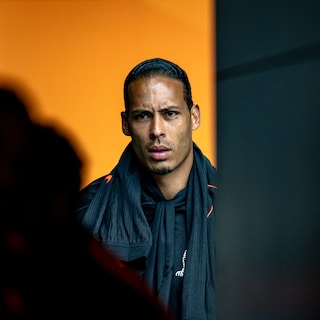
Virgil van Dijk blikt vooruit in New York: We hebben een selectie die een speciaal WK kan neerzetten
de volkskrant · 4 months ago

Häupl zu Prohaska: "Fußball gehört natürlich primär nicht den Kindern von Gstopften" Wiens Ex-Bürgermeister Michael Häupl und Fußballlegende Herbert Prohaska wollen sich die Freude auf die WM nicht nehmen lassen. Und sprechen über das, was Fußball in Wien noch immer kann: verbinden, aufregen und soziale Grenzen sichtbar machen
der standard · 4 months ago
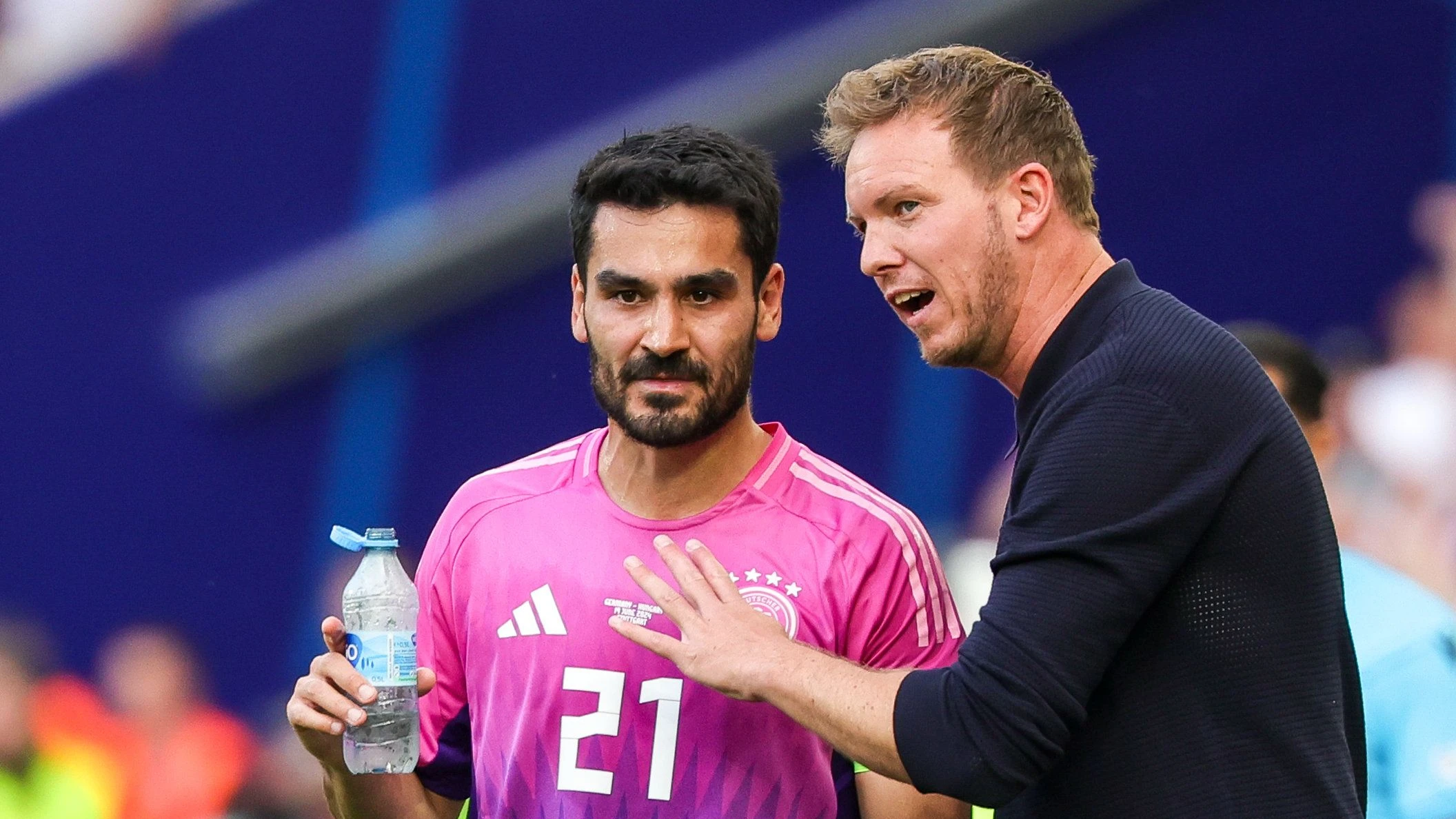
Gündogans WM-Prognose: „Deutschland kann für eine sehr große Überraschung sorgen Vor dem WM-Start spricht der ehemalige DFB-Kapitän Ilkay Gündoğan über die richtige Mischung im Nationalteam, seine möglichen Nachfolger als Verbindungsmann und eine Lehre aus der Klub-WM.
faz · 4 months ago

Scotlands picture for World Cup opener clearer and brighter after Bolivia boost Lawrence Shankland says there is a club feel in the camp after eight goals in two confidence- building friendly winsScotland arrived at Euro 2024 with more questions than answers swirling around their squad. The team were on a poor run of form, with umpteen players looking jaded. What happened next proved grisly.While the level of Curaçao and Bolivia – plus the motivational levels of the latter – must be acknowledged, a Scottish side notching eight goals in back-to-back friendlies has altered grey areas for Steve Clarke. Scotlands picture before Saturdays World Cup opener against Haiti is now a clearer one. This time, they look far from jaded. Continue reading...
theguardian · 4 months ago
Primarul din New York, Zohran Mamdani, are un pronostic surprinzător privind câştigătoarea Cupei Mondiale Primarul oraşului New York, Zohran Mamdani, un pasionat al fotbalului, şi-a oferit pronosticul pentru Cupa Mondială, care va începe curând pe continentul nord-american (11 iunie – 19 iulie 2026). El crede că Marocul va deveni prima naţiune africană care câştigă Cupa Mondială, după o finală cu Franţa. Primarul Zohran Mamdani recunoaşte, într-un interviu pentru The …
hotnews.ro · 4 months ago
Fight club a scuola durante la ricreazione: incontro di boxe nel sottoscala, due studenti rischiano la bocciatura Fight club a scuola. Un sottoscala trasformato in un ring, guantoni da pugilato portati da casa, un arbitro improvvisato e una decina di studenti radunati per assistere allincontro. È la scena che si sono trovati davanti dirigenti e insegnanti di un istituto superiore di Modena dopo che i video di un combattimento organizzato durante una […] Larticolo Fight club a scuola durante la ricreazione: incontro di boxe nel sottoscala, due studenti rischiano la bocciatura proviene da Il Fatto Quotidiano.
il fatto quotidiano · 4 months ago
De WK-gekte op tv barst los: welke programmas tipt Rob Goossens? Het WK-voetbal komt eraan en de Nederlandse tv-zenders zetten alles op alles om de kijker mee te nemen in de oranjekoorts. Vooral de NOS en SBS6 pakken deze spannende oranjezomer groots uit, niet zo gek dus dat de presentatoren van dienst inmiddels al aardig aan het warmlopen zijn.
rtl nieuws · 4 months ago
WK-iconen verzamelen zich in WK-aflevering De Reünie: Zijn erg spraakzaam Herman van der Zandt (51) heeft een absolute ster-opstelling gemaakt van oud-internationals, bondscoaches en topscheidsrechters en blikt in De Reünie terug op de magie van het WK. De speciale aflevering van De Reünie is op woensdag 10 juni 2026 om 20:34 uur te zien op NPO 1.
rtl nieuws · 4 months ago

Das Geheimnis hinter den Westen der Nationalmannschaft Am Montag bezieht das deutsche Nationalteam das WM-Camp in Winston-Salem. Nicht nur dort werden hohe Temperaturen erwartet. Der Verband hat vorgesorgt. Er macht sich modernste Technik zunutze.
welt.de · 4 months ago
In vrijwel elke speelstad dreigt dit WK extreme hitte. Hoe kan Oranje zich daarop voorbereiden? Het Nederlands elftal is dit WK ingedeeld in de regio waar de hitte het hevigst is. Sporten is dan gevaarlijk, prestaties lijden eronder. Wie een goed plan maakt, en lang genoeg de tijd neemt, heeft een groot voordeel op de concurrentie.
nrc · 4 months ago
WK-supporter mag nu toch een waterflesje meenemen, mits het een kleine wegwerpvariant is Toeschouwers van het wereldkampioenschap voetbal mogen toch wél waterflesjes meenemen de stadions in. Dat maakte de wereldvoetbalbond FIFA zaterdag bekend via een bericht op X.
nrc · 4 months ago
De wereld kent nog maar één keizer - en die komt naar Nederland Nog even en Nederland krijgt bijzonder bezoek. De Japanse keizer komt naar ons land, en dat is niet zomaar een staatshoofd: hij is de enige regerende keizer ter wereld. In Leiden zijn de voorbereidingen daarom in volle gang.
rtl nieuws · 4 months ago
Spaanse golfer Chacarra schrijft KLM Open op zijn naam Golfer Eugenio Chacarra heeft het KLM Open in Badhoevedorp op zijn naam geschreven. De 26-jarige Spanjaard eindigde met één slag voorsprong op de Fin Oliver Lindell. Golfer Lars van der Vight werd de beste Nederlander op de 38e plaats.
rtl nieuws · 4 months ago
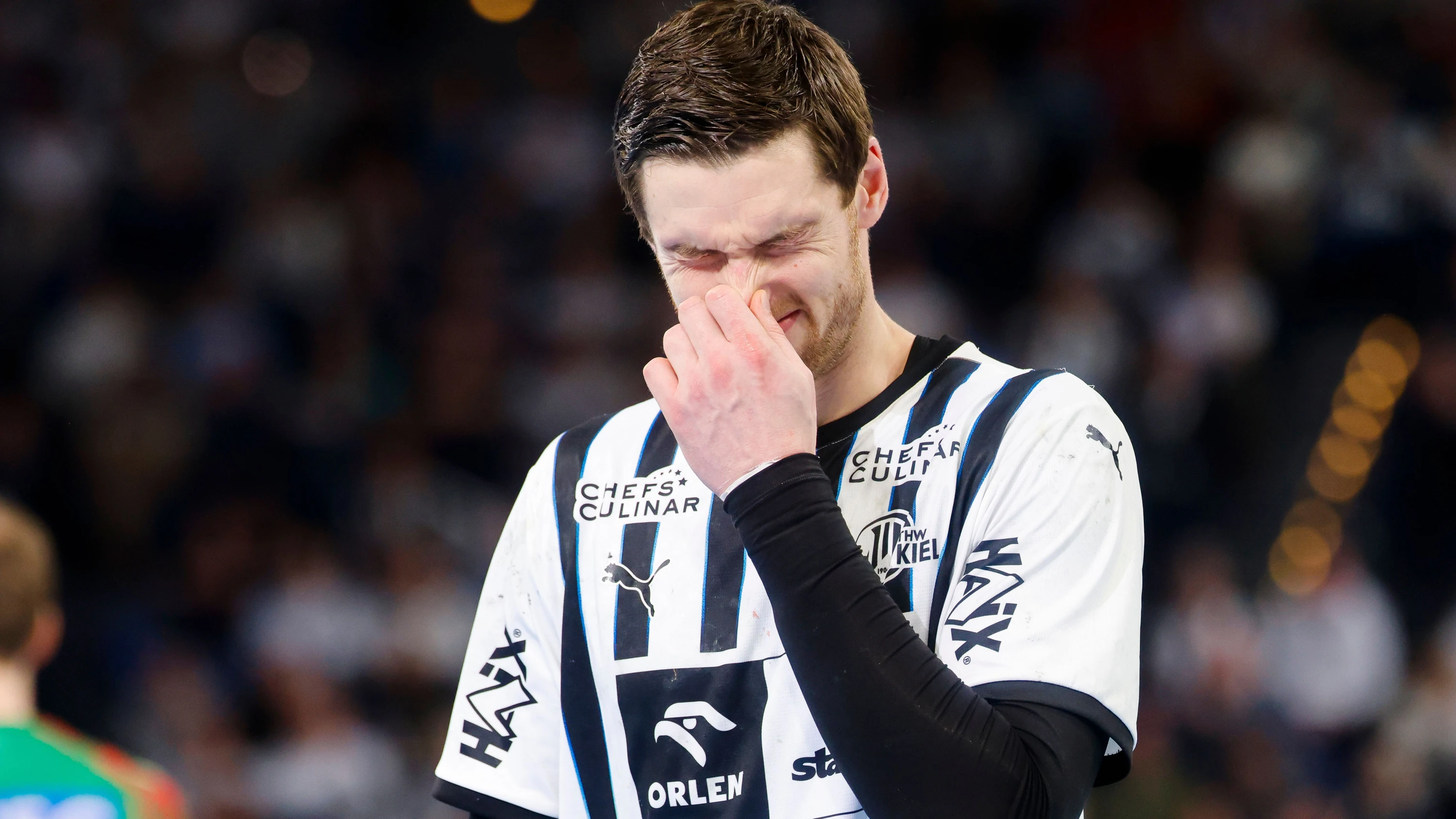
Handball-Bundesliga: THW Kiel so schlecht wie seit Jahrzehnten nicht Der deutsche Rekordmeister kann aller Voraussicht nach in der kommenden Saison nicht europäisch spielen. Der Abstieg entscheidet sich mit dem letzten Wurf.
faz · 4 months ago

Its Bible time: How religion became part of the USMNTs World Cup identity From Christian Pulisic to Weston McKennie, many of the teams biggest stars have been open about their faith, creating a new dynamic for a home World Cup• World Cup newsletter | Daily podcast | Get the appIn the third episode of the interminable, nine-part Pulisic docuseries, its subject, Christian Pulisic, sits down at a dining table, pink orchids blooming behind him.It is what time? a friend asks him, holding a camera in Pulisics face. Continue reading...
theguardian · 4 months ago
Oranje traint met fitte selectie voor oefenduel met Oezbekistan Het Nederlands elftal is met een complete selectie begonnen aan de laatste training voor het oefenduel van maandag met Oezbekistan. Bondscoach Ronald Koeman staat met al zijn 26 internationals op het trainingscomplex van New York City FC, waar de Nederlander Pascal Jansen trainer is.
rtl nieuws · 4 months ago