
NASA abandons Swift space telescope rescue after servicing spacecraft Link fails in orbit

Story Timeline
13 hours · 2 summary articles
NASA abandons Swift space telescope rescue after servicing spacecraft Link fails in orbit
NASA and Katalyst scrap 30 million mission to rescue Swift observatory after spacecraft failure
Continuation
NASA abandoned its rescue mission for the Swift space telescope on Aug. 20, 2026, after the uncrewed servicing spacecraft Link suffered critical control failures following its launch in early August.
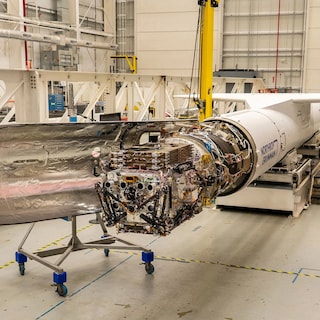
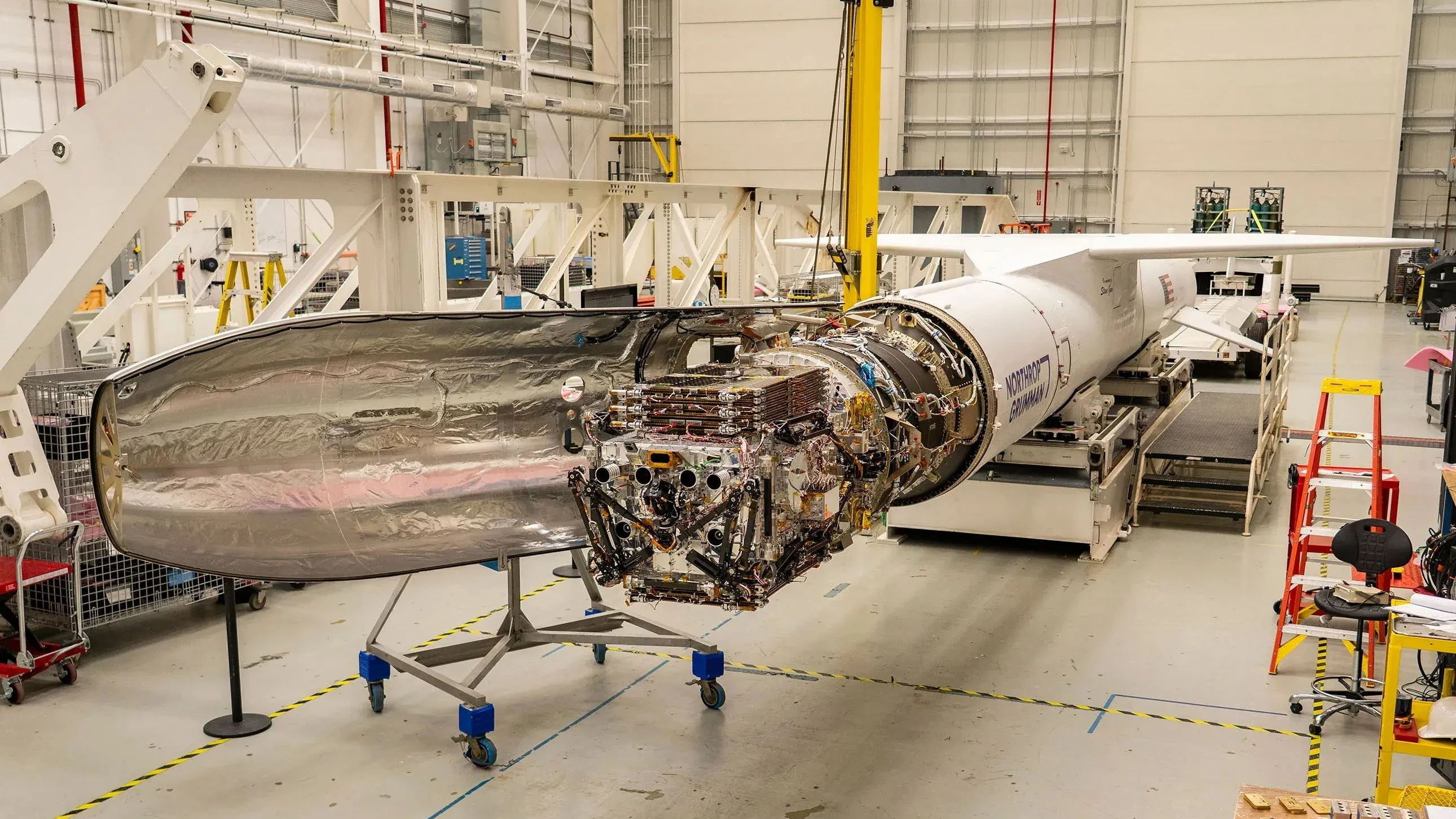
The agency and contractor Katalyst Space confirmed that Link, a 400-kilogram spacecraft equipped with three robotic arms and three main engines, began tumbling after launch due to hardware malfunctions in its attitude control system and engine issues, leading to a loss of radio contact. NASA had awarded Katalyst a $30 million contract in September 2025 to develop Link, which was intended to rendezvous with Swift and raise its orbit over several months.
Swift, a 2004-launched observatory with three telescopes, has studied gamma-ray bursts but has drifted from its original orbit due to geomagnetic storms triggered by solar activity. Without the rescue, NASA stated Swift will likely re-enter Earth’s atmosphere and burn up later this year. The satellite is currently in energy-saving mode.
NASA Administrator Jared Isaacman said the mission’s failure did not diminish its value. “This is not the outcome we worked toward, but it doesn’t change why it was worth attempting,” Isaacman said. Katalyst CEO Ghonlee Lee called the effort a “high-risk, high-reward” challenge and noted the team had achieved significant milestones despite the setback.
NASA and Katalyst are now evaluating whether Link can still perform secondary objectives, including a demonstration of close-proximity operations near Swift to prove its ability to hover near another spacecraft in orbit. Link was launched July 1 from an atoll in the Marshall Islands aboard a Pegasus rocket deployed from a Stargazer aircraft.
Swift’s data on gamma-ray bursts has been central to astrophysics research, and a successful rescue could have extended its operational life by up to five years, according to NASA scientists. The agency had described the mission as risky from the outset due to its tight timeline and technical complexity.
Follow us for live European news
- 3
- 2
- 1
1 further source not geolocated
Articles
Reddingsmissie Amerikaanse ruimtetelescoop nu definitief mislukt
de volkskrant · about 2 hours ago

Hoe een stervende ster oplost in de kosmos Het testen van een telescoop in aanbouw levert meteen een verrassend resultaat op.
nrc · about 2 hours ago
Spektakuläres Video zeigt erstmalige Wasserung eines intakten Starship Nach dem 13. Testflug setzte das fast 50 Meter hohe Raumfahrzeug sanft im Indischen Ozean auf. Über 24 Tage wurde es per Schiff zur Weihnachtsinsel geschleppt
der standard · about 2 hours ago
Abstürzendes Observatorium: Die Rettungsmission für einen Satelliten ist gescheitert Die NASA wollte gemeinsam mit dem Unternehmen Katalyst das Swift-Weltraumteleskop retten. Doch der Start ging schief. Nun reagiert die Weltraumbehörde.
faz · about 2 hours ago
No lift for Swift as NASA abandons orbital rescue LINK will attempt a rendezvous, but its failed reaction wheels rule out grabbing and boosting the observatory
the register · about 3 hours ago
Forschungssatellit sollte vor dem Absturz bewahrt werden: Riskante Nasa-Mission ist gescheitert Rund 30 Millionen Dollar kostete der Bau eines Schleppraumschiffs, das den Forschungssatelliten „Link zurück in seine Umlaufbahn bringen sollte. Nun ist das riskante Vorhaben gescheitert.
tagesspiegel · about 3 hours ago
Raumfahrt: Beispiellose Nasa-Satellitenrettungsmission gescheitert Mit einer kurzfristig angesetzten Rettungsmission wollte die Nasa ein wichtiges Himmelsobservatorium retten. Doch aus dem spektakulären Vorhaben wird nichts.
handelsblatt · about 3 hours ago