
Trump escalates anti-communism rhetoric as Republicans revive Cold War-era fears ahead of midterms
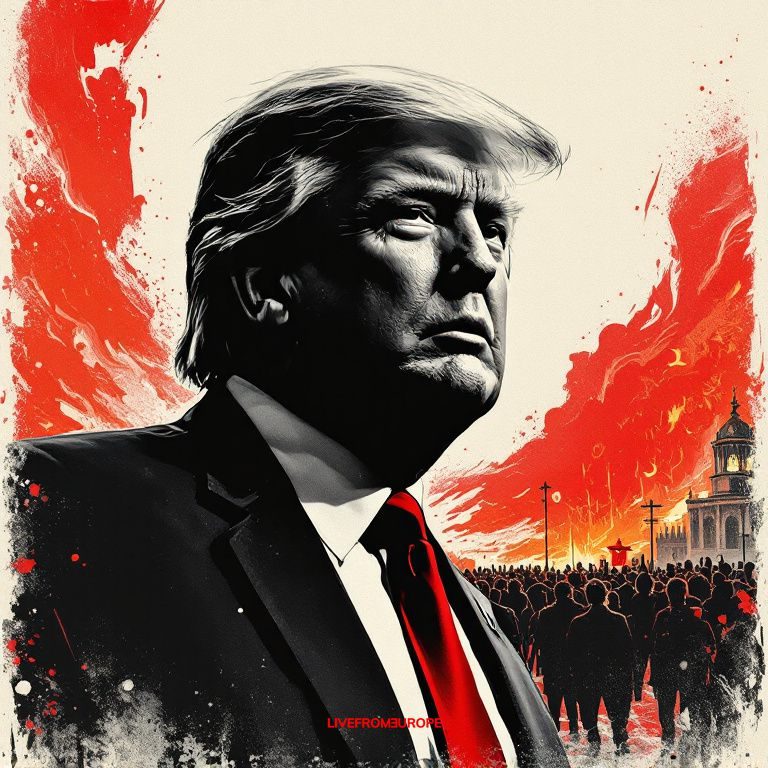
President Donald Trump has escalated his rhetoric against socialism and communism, declaring the ideology “the greatest threat to our country since World War I, World War II, Pearl Harbor, or 9/11” as Republicans attempt to revive Cold War-era fears ahead of the November midterms. Speaking at the White House on Monday, Trump framed the rise of progressive policies among young Democrats as an existential danger, arguing that “it is not social democracy—it is true communism” and vowing to confront it with executive action.
The Republican National Committee has seized on the theme, with House Speaker Mike Johnson warning that communism has taken root “on our own shores” and some far-right figures urging revival of the 1954 Communist Control Act to ban the Democratic Socialists of America. Former Trump strategist Steve Bannon has long argued that Senator Joseph McCarthy was correct about communist infiltration, and Trump’s Sunday remarks suggest the White House now sees political traction in reviving the Red Scare.
Democratic leaders reject the framing. New York City Mayor-elect Zohran Mamdani, a democratic socialist, told reporters that attempts to smear progressives as extremists fall flat when “so many Americans are struggling with the rising cost of housing, homelessness, unaffordable healthcare, and underfunded schools.” A DSA spokesperson echoed the sentiment, noting that younger voters—who now view socialism more favorably than capitalism—are less susceptible to Cold War-era boogeymen. Polling shows Americans under 30 hold a more favorable view of socialism than older cohorts, though overall unfavorable ratings of communism remain high.
The political gamble comes as Trump faces internal GOP dissent. Representative Tom Kean, who returned to Congress Tuesday after a four-month absence due to a depression diagnosis, disclosed his condition on the House floor, ending speculation over his prolonged absence. Kean, who missed more than 100 consecutive votes, said doctors recommended hospitalization and that his return marked the end of a difficult recovery. His absence briefly threatened Speaker Johnson’s razor-thin majority, underscoring the fragility of the Republican caucus.
Meanwhile, Trump’s allies are pushing cultural and policy battles ahead of the U.S. Semiquincentennial. The White House has quietly begun construction of a new helipad on the South Lawn, while Trump’s favored tabloid, the *New York Post*, launched a rare public feud with his sons Eric and Donald Jr. over a sleaze scandal. Abroad, allies question U.S. reliability after Trump’s push to exit the USMCA trade pact and his administration’s targeting of USAID, which critics say undermines global development efforts. NATO, meanwhile, has joined joint exercises off the U.S. coast even as political tensions simmer in Washington.
As Trump doubles down on anticommunist rhetoric, historians warn the strategy risks backfiring with younger voters who see socialism as a pragmatic response to economic inequality rather than a Soviet-era threat. “For many young voters, communism is just not an effective boogeyman,” said Ethan Porter of George Washington University. Yet with midterm messaging now centered on ideological confrontation, the White House appears willing to test whether Cold War-era fears still resonate in 2026.
Follow us for live European news
- 3
- 2
- 1
- 1
- 1
- 1
- 1
- 1
6 further sources not geolocated
Articles

8 Ivanka Trump rumors where we separated real from AI-generated Many claims about the first daughter in recent years have suspected origins in generative artificial intelligence.
snopes · about 3 hours ago

Bernie Sanders Saw This Coming For decades, the senator has argued that concentrated wealth threatened American democracy. Now hes betting that frustration with Big Tech, billionaires, and unchecked AI is reaching a tipping point.
wired.com · about 3 hours ago
Trumps Iran seesaw... The joint book by Maggie Haberman and Jonathan Swan, titled "Reign of Fire: The Inside Story of Donald Trumps Imperial Presidency," was released last week by the mainstream US publication The New York Times. The approximately 500-page book includes details of the debates in Trumps "Situation Room" regarding the war with Iran. On Sunday, journalist Maggie Haberman, who appeared on NBC Newss "Meet The Press" program, noted that US Vice President JD Vance was the only one who openly argued that
yenisafak · about 3 hours ago
Trump calls housing bill big yawn next to election security push Trump told reporters at the White House on Monday that the bipartisan housing legislation currently awaiting his signature pales in comparison to his election security proposal, calling the former a "big yawn" while insisting that Congress prioritize passage of the stalled SAVE America Act.
yenisafak · about 3 hours ago
Новый небоскреб в Нью-Йорке заслонил лучший вид на Эмпайр-стейт-билдинг. Горожане специально приезжают к высотке, чтобы показать ей средний палец. Плюс еще один интересный факт: это первое здание на Манхэттене, спроектированное российским бюро Новый сверхтонкий небоскреб на нью-йоркской Пятой авеню заслонил знаменитый — и самый лучший — вид на Эмпайр-стейт-билдинг с земли. Здание спроектировало московское бюро Meganom; это первый на Манхэттене проект, созданный российскими архитекторами. Жители Нью-Йорка его уже ненавидят, хотя его строили много лет — и его возникновение далеко не сюрприз. О его истории рассказывает архитектурный журналист Ася Зольникова.
meduza · about 3 hours ago
Američtí spojenci touží po nezávislosti na Spojených státech Je smutné, že světové demokracie se musí připravovat na potenciální ekonomickou válku mezi sebou navzájem. Ale takový je zkrátka svět, který stvořil Donald Trump, píše Gideon Rachman v komentáři Financial Times.
denik n · about 3 hours ago
250 Jahre USA: „Das Land ist der letzte Gedanke bei Trumps Feiern Die USA feiern ihren 250. Geburtstag: Politologin Catherine Clüver Ashbrook erklärt, welchen Spin Trump den Jubiläumsfeierlichkeiten gibt.
die presse · about 3 hours ago

Baupolitik: Lässt Trump die „Sixtinische Kapelle des New Deal abreißen? Weil die Trump-Regierung ein Verwaltungsgebäude abstoßen will, sind berühmte Wandmalereien aus der New-Deal-Ära in Gefahr. Deren Errungenschaften wollen viele Konservative am liebsten gleich mit loswerden.
faz · about 3 hours ago
Republikaner streiten: Vorboten von Trumps Machtverfall Donald Trump versucht, für eine Niederlage bei den Midterm-Wahlen vorzubauen. Das führt zu Spannungen mit Teilen seiner Partei.
faz · about 3 hours ago
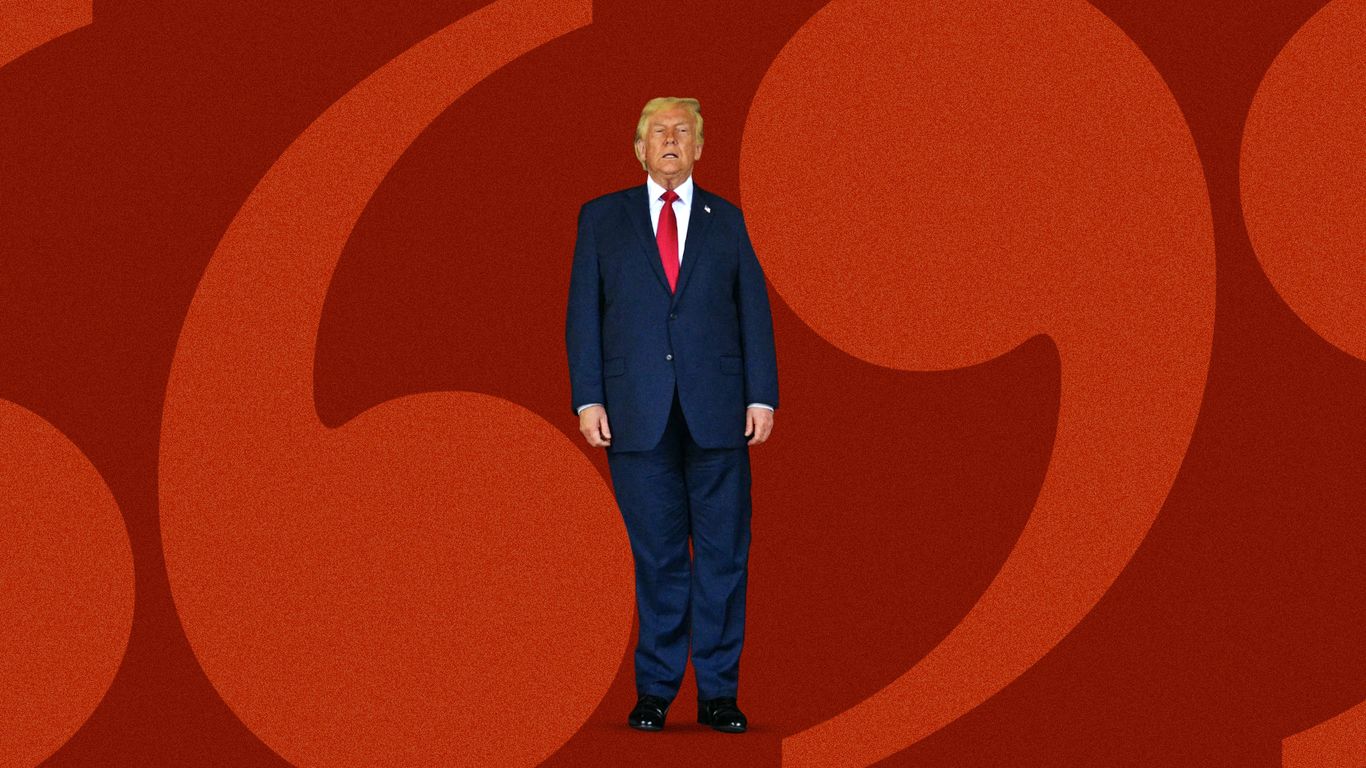
GOP reboots the Red Scare as young Democrats embrace socialism 70 years after the Red Scare and 35 years after the fall of the Soviet Union, President Trump and Republicans are trying to re-introduce a national fear of "godless communists" ahead of the critical midterms.Why it matters: A wave of resounding victories by Democratic Socialists has the GOP trotting out a message that last worked when most of those candidates werent even born. Its too soon to know if the message is working — but Trump and Republican strategists see an opening with voters old enough to remember Soviet-era nuclear drills and spy dramas. The big picture: Former Trump aide Steve Bannon has argued for years that former Wisconsin Sen. Joe McCarthy was right about communisms widespread infiltration into the U.S. government.On Sunday, Trump called communism "the Greatest Threat to our Country since World War I, World War II, Pearl Harbor, or 9/11!"Once a fringe view, now right-wing voices seem to be calling for a McCarthyism revival.What theyre saying: "Its a common electoral strategy for conservatives to attack liberals, progressives, democratic socialists as communists, and imply therefore that they are much more extreme than they actually are," Kathryn Olmsted, a U.C. Davis distinguished professor of history, tells Axios.But, she adds, "were definitely reaching a new fever pitch."The other side: "The Democrats embrace of socialism and communism is an existential threat to our country. President Trump will keep calling out their radicalism and drawing a sharp contrast with his commonsense, America First agenda," White House spokesperson Olivia Wales said in a statement.The intrigue: Trump mentor Roy Cohn was McCarthys chief counsel during his infamous anticommunist campaign."Trump really is a Cold War person ... thats thats when he came of age, its how he formed his political ideas," says Beverly Gage, a Pulitzer-prize-winning historian.She adds, "But I guess the question is, 30 some years out from the end of the Cold War, is the United States actually still susceptible to that kind of political language?"Reality check: Democratic socialism is not communism. New Yorks Zohran Mamdani and Washington, D.C., mayoral candidate Janeese Lewis George both call for expanded government programs, Axios Josephine Walker writes."Any attempt to smear us as extremists falls flat when so many Americans are struggling with the rising cost of housing, homelessness, unaffordable healthcare, and underfunded schools," a DSA spokesperson told Axios in a statement.Still, Democrats are grappling with what it means for progressives and young Americans embracing labels that once stoked fears of communism.Between the lines: Red-baiting "has much less resonance for a younger generation, which did not grow up living under the shadow of the Soviet Union," says Ethan Porter, co-director of GWs Institute for Data, Democracy and Politics. "For many young voters, communism is just not an effective boogeyman."Zoom out: Nevertheless, Republicans are echoing Trumps midterm message.House Speaker Mike Johnson (R-La.) said last week that communism is "on our own shores."Other far-right voices suggested reviving the 1954 Communist Control Act — which banned the Communist Party — as a way to crack down on Democratic socialists.By the numbers: U.S. college students have a sunnier view of socialism than capitalism, according to an October Axios-Generation Lab poll.Similarly, Americans positive views of capitalism fell to a new low in Gallups trend last year, but they remained higher than opinions about socialism.Americans retain overwhelmingly unfavorable views of communism, per a 2025 CATO Institute/YouGov poll — but respondents under 30 were a different story, with around a third holding a favorable view.What were watching: Whether Trumps anticommunist alarm carries modern political weight.Go deeper: House Democrats brace for a "Freedom Caucus of the left"
axios · about 3 hours ago

GOP Rep. Tom Kean returns to Congress, says he was diagnosed with depression
news.yahoo.com · about 3 hours ago
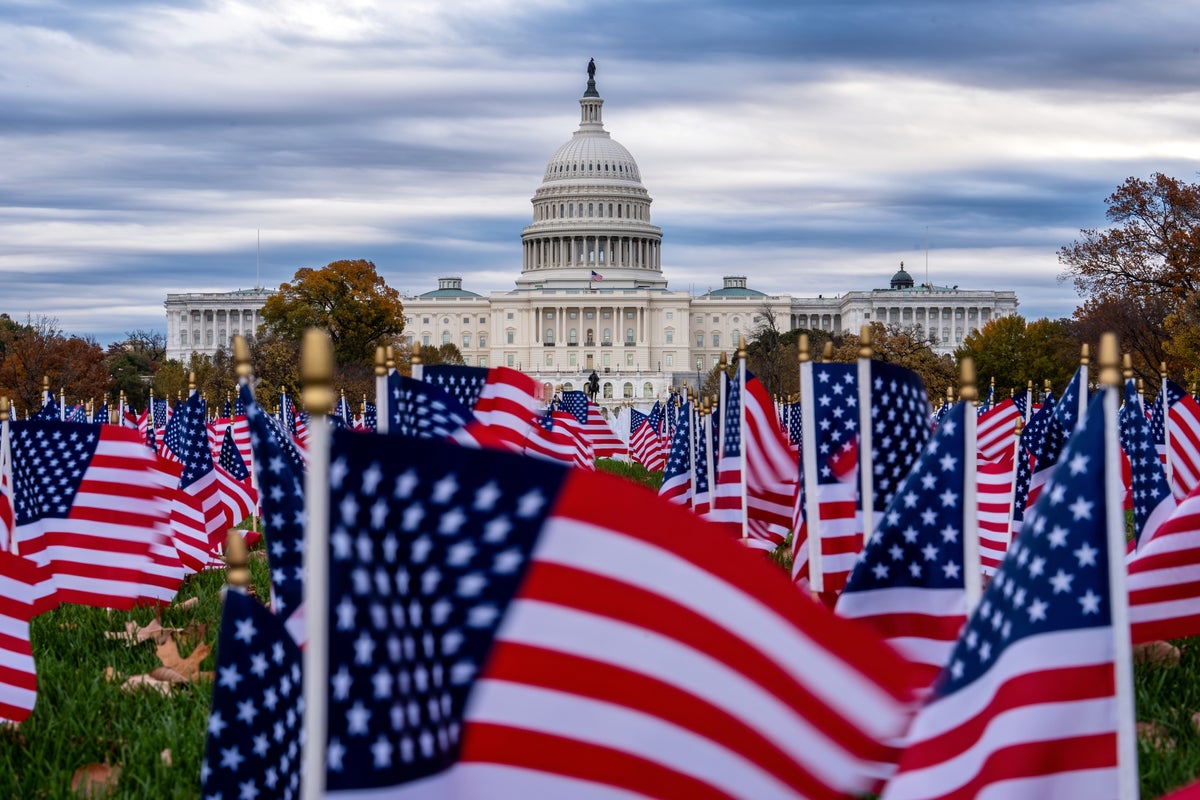
Culture clash over old glory as poll shows America split on the flag Overall, 47 of Americans describe the flag as unifying, 16 as divisive, and the rest as neither, according to the poll
independent · about 3 hours ago

Why Trumps face can be seen zooming in and out of Indias rush-hour traffic Approximately 100 auto-rickshaws, adorned with large images of Trump and the Statue of Liberty, have become a prominent feature across the Indian capital in recent weeks
independent · about 3 hours ago
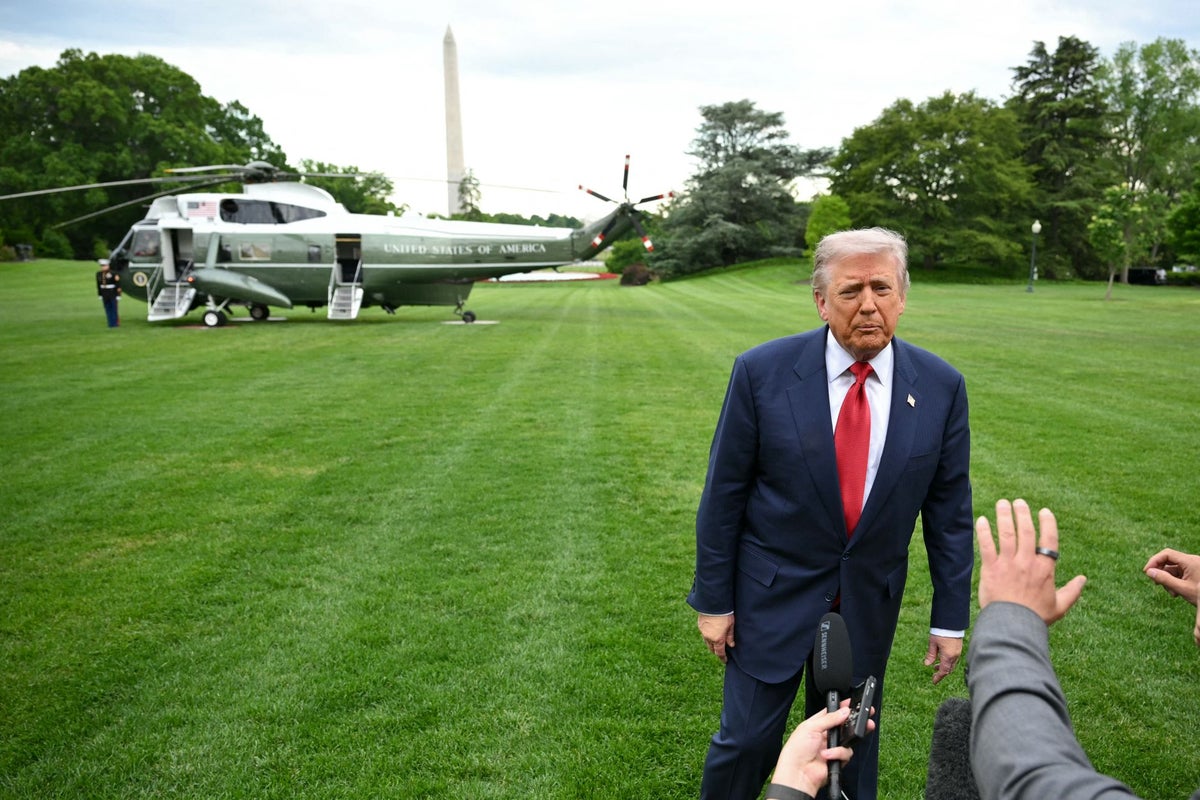
Trump team has secretly started construction on its newest makeover at the White House A new helipad is being built on the South Lawn, the latest of Trumps White House construction projects
independent · about 3 hours ago
.png?width=1200&auto=webp&trim=0%2C0%2C0%2C0)
New Yorks latest super-tall skyscraper is blocking one of the citys most iconic views An 860-foot luxury apartment building is the latest pencil to be added to New York Citys skyline and while some embrace the latest development, others have been less forgiving, Ariana Baio reports
independent · about 3 hours ago

Trumps crypto allies build a record-breaking election war chest in bid to shape Washingtons future More than one-third of all corporate money contributed to this years November elections, and primary elections leading up to them, has come from the crypto industry
independent · about 3 hours ago
Trumps Favorite Paper the New York Post Tears Into His Sons Eric and Donald Jr. Over Sleaze Scandal
gdeltproject.org · about 3 hours ago

Trumps push for the worlds lowest drug prices hits snag with mid-sized companies reut.rs/4w9RJfe
bluesky_Reuters · about 3 hours ago

NATO joins exercises off US coast, even as it loses political fight in Trumps Washington reut.rs/4xRzNYx
bluesky_Reuters · about 3 hours ago

10 rumors about USAID weve looked into during Trumps 2nd term Trump has targeted the U.S. Agency for International Development with budget cuts to eliminate what he considers unnecessary government spending.
snopes · about 4 hours ago
Jon and Mindy Gray bet $55M on AI to catch cancer before it starts A new institute at Penns Basser Center will use artificial intelligence and biomarkers to intercept hereditary cancers at their earliest stages, before they become disease. The idea behind the gift is unusual enough to need its own word. Most cancer philanthropy funds treatment, the long campaign that begins once a tumour has announced itself. Jon […] This story continues at The Next Web
the next web · about 4 hours ago
Trump sanja o golfskem raju sredi Washingtona Donald Trump želi dotrajano washingtonsko igrišče za golf spremeniti v eno najboljših na svetu. Medtem ko on že vidi, kako na njem potekata Ryderjev pokal in odprto prvenstvo ZDA, kritiki opozarjajo, da so takšni načrti precej daleč od resničnosti.
rtv slovenia · about 4 hours ago
Per Trump oggi il comunismo negli Usa è più pericoloso dell11 settembre e di Pearl Harbor Beh, penso che sia una grande minaccia per la nostra nazione, in realtà. Perché non è socialismo, è vero e proprio comunismo: a parlare così del sindaco di New York Zohran Mamdani è il presidente degli Usa Donald Trump in una conferenza stampa alla Casa Bianca, dopo la firma dellordine esecutivo sul Freedom to Fix. […] Larticolo Per Trump oggi il comunismo negli Usa è più pericoloso dell11 settembre e di Pearl Harbor proviene da Il Fatto Quotidiano.
il fatto quotidiano · about 4 hours ago
Auf Druck der USA: Weltbank schwächt Klimapläne deutlich ab Die USA konnten sich zwar nicht damit durchsetzen, den Klimaaktionsplan der Entwicklungsbank ganz zu streichen. Zentrale Regeln fallen aber weg. mehr...
taz.de · about 4 hours ago
250-Jahr-Feier der USA: „Ich verstehe, dass viele Amerikaner keine Lust auf dieses Fest haben Die Historikerin Jill Lepore über 250 Jahre USA, Donald Trumps Angst vor dem Tod und die Frage, ob die amerikanische Verfassung die USA vor ihrem aktuellen Präsidenten retten kann.
sueddeutsche · about 4 hours ago
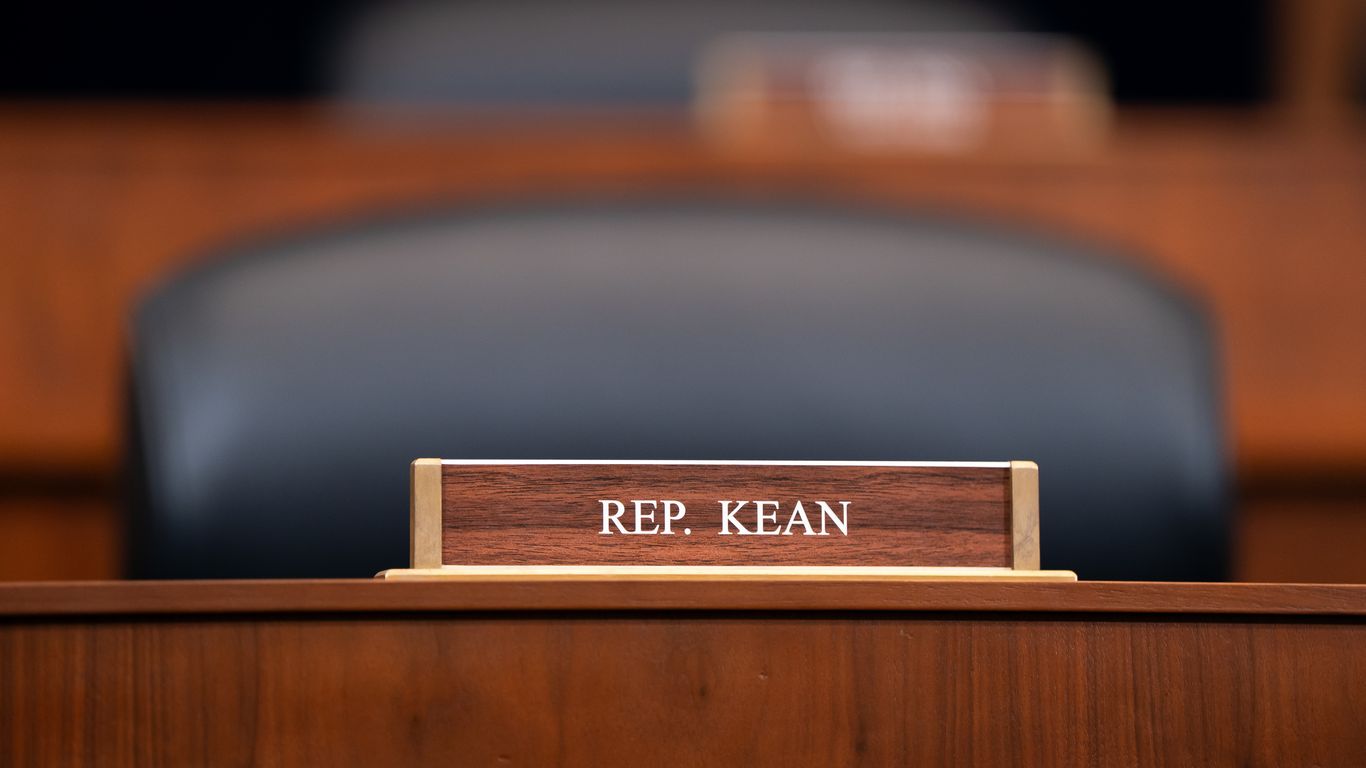
Rep. Tom Kean discloses depression diagnosis upon return from months-long absence Rep. Tom Kean (R-N.J.) on Tuesday said he missed nearly four months of House votes because of "a diagnosis of depression," ending speculation over an absence that became one of the longest by a sitting member of Congress.Why it matters: Keans disappearance from Congress left New Jerseys 7th District without a voting representative for more than 100 days."Several months ago, due to health concerns, I entered the hospital for some testing. I did not believe that this would result in a long-term stay. I was given the diagnosis of depression," Kean said on the House floor Tuesday morning. Kean said his doctors recommended he remain in the hospital.Tuesdays floor speech marked the New Jersey Republicans first detailed public explanation for his prolonged absence since he last voted on March 5. "This is not an easy speech for me to give, I am a private person by nature...But I believe that I owe an explanation to the people of New Jerseys 7th district, to my colleagues in this chamber, and to the American people for my absence." Driving the news: Kean said in a statement in April that he was dealing with a "personal medical issue," and was expected to "fully recover," but he and his staff have declined to offer details until now.His office offered no timeline for his return until June 18, when it was announced he would return June 30.He missed more than 100 consecutive House votes during his absence."When I said I hope to return in a matter of weeks, I believed it. Those were the best estimates that doctors could provide." Kean said Tuesday.Between the lines: Keans absence was also consequential for House GOP leaders navigating a razor-thin House majority.Speaker Mike Johnson (R-La.) can only afford to lose a handful a votes on party-line bills.The speaker said earlier this month that he had spoken with Kean by phone, but many rank-and-file Republicans said they had little information about the reason for his prolonged absence.Democrats and some New Jersey constituents also criticized the lack of transparency surrounding Keans condition and expected return.
axios · about 4 hours ago

Warren Buffett freezes Gates Foundation donation as Epstein questions resurface: report Warren Buffett is skipping his usual mid-year multibillion-dollar donation to the Gates Foundation as he waits to see the findings of a review by the foundation of its ties to late sex offender Jeffrey Epstein
independent · about 4 hours ago
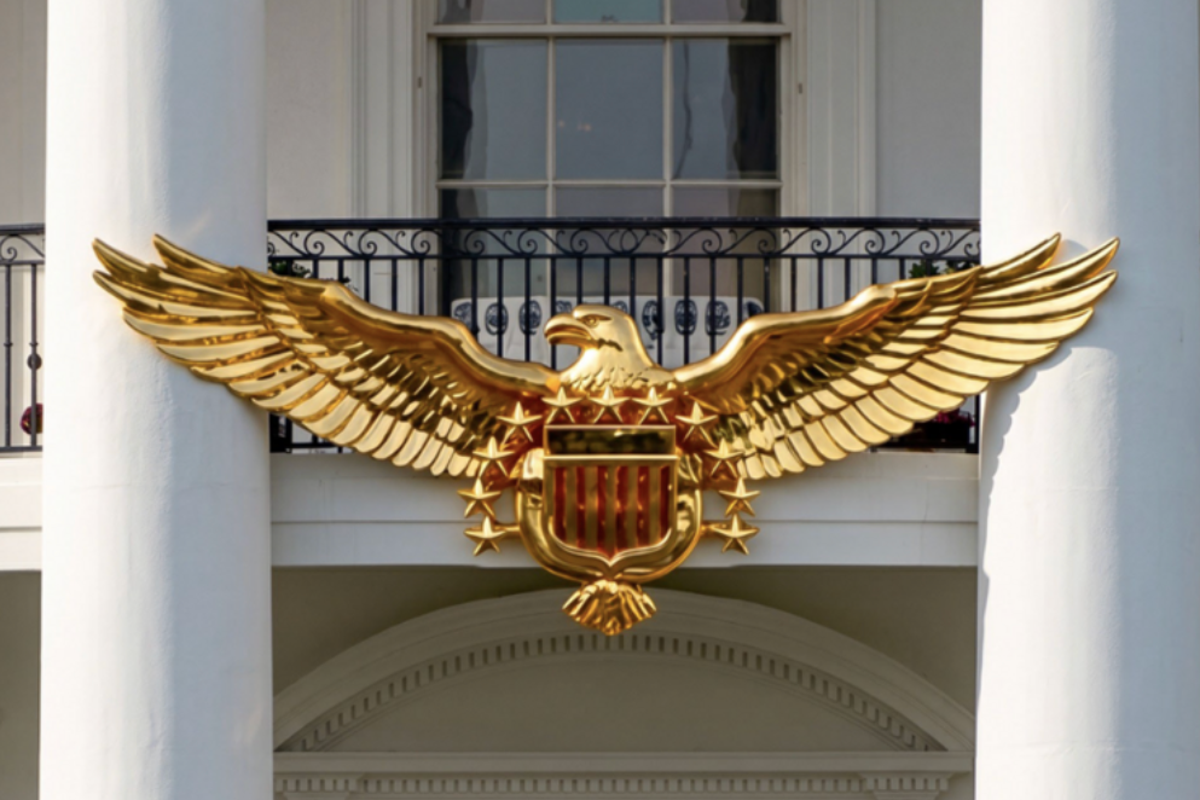
Trump mocked after sharing golden gift for the White House: President hired Putin for his decorator The president described the image as a golden gift but the post, suspected to be AI-generated, has a number of glaring errors
independent · about 4 hours ago
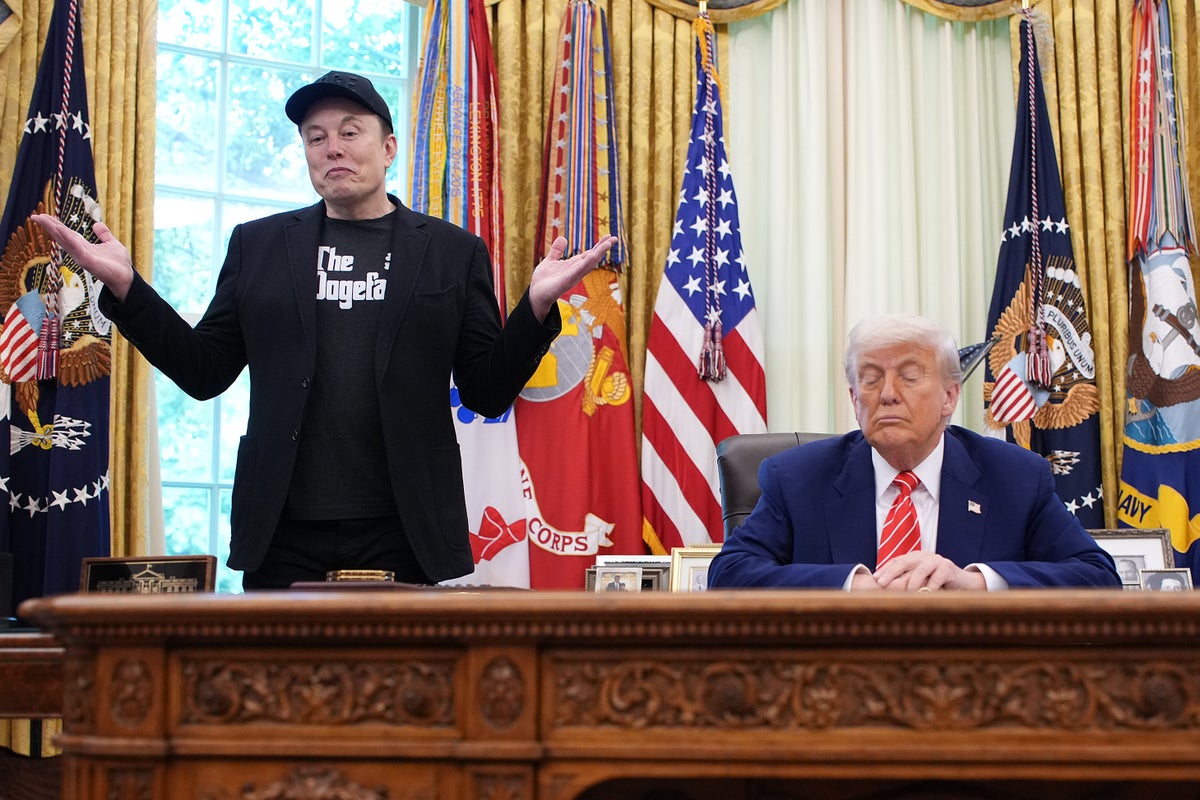
Republican and MAGA voters show unexpected support for foreign aid in poll The poll of 2,022 voters shows Republicans and President Donald Trumps Make America Great Again base are skeptical of foreign aid before getting more details
independent · about 4 hours ago
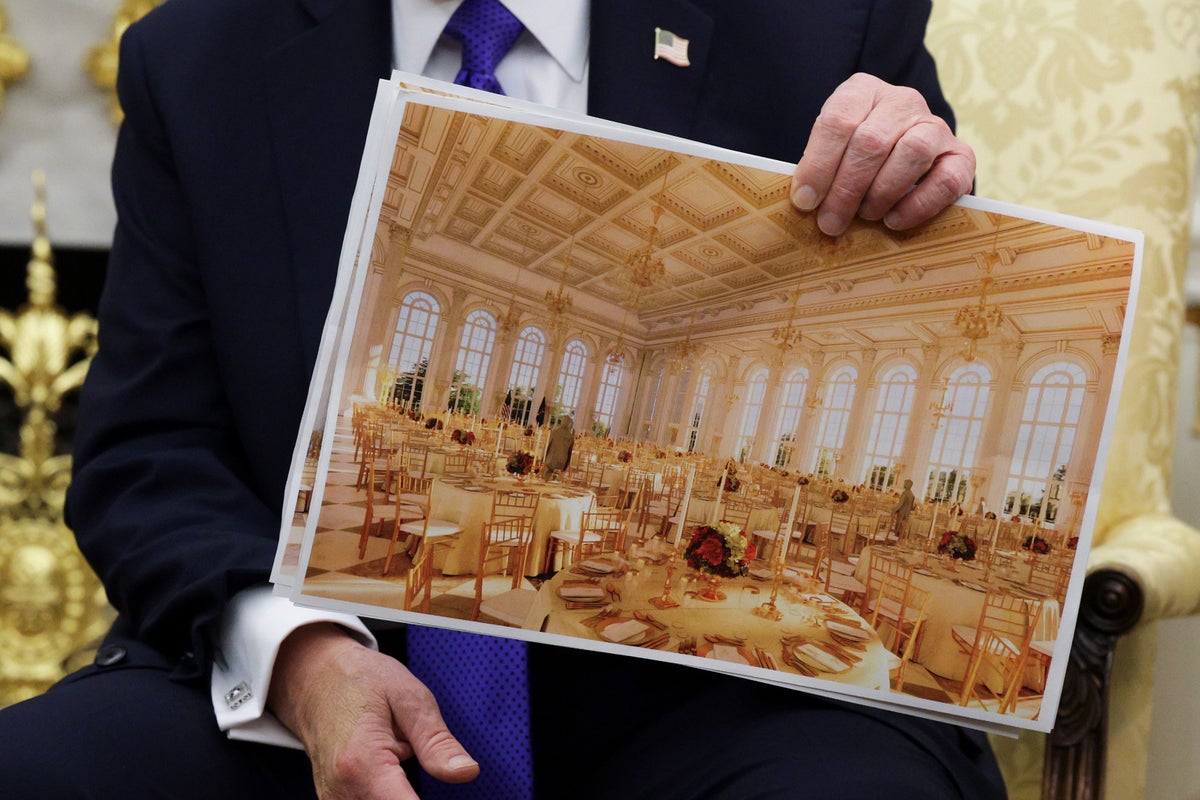
Trumps White House ballroom built under $500m no-bid contract: report The president was directly involved in negotiating some costs for the multi-million dollar East Wing project, according to the Washington Post
independent · about 4 hours ago