
Spain and Gibraltar lift border controls after EU-UK treaty takes effect
Story Timeline
15 hours · 2 summary articles
Spain and Gibraltar lift border controls after EU-UK treaty takes effect
EU and UK sign treaty to end Gibraltar-Spain border checks
Continuation
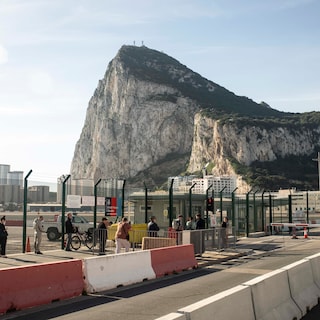
Spain and the British territory of Gibraltar have removed border controls, marking a historic moment as the physical barrier that had long been a source of tension was dismantled. The move follows the formal signing of a treaty between Britain and the European Union on Tuesday, which took effect at midnight on Wednesday.
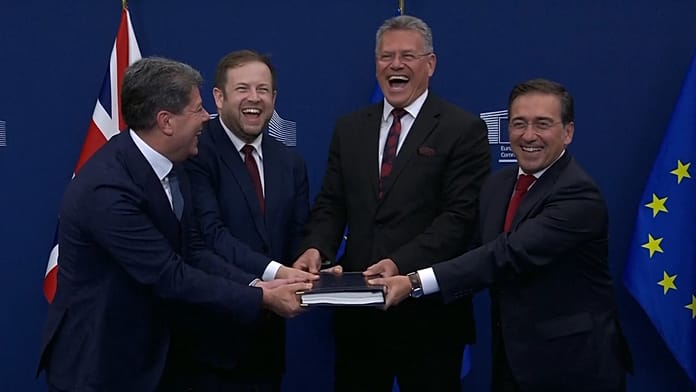
The treaty was signed in Brussels by Gibraltar's Chief Minister Fabian Picardo, European Trade Commissioner Maros Sefcovic, British Minister of State for Europe Stephen Doughty, and Spanish Foreign Minister Jose Manuel Albares. The agreement aims to facilitate the movement of people and goods between Gibraltar and Spain, effectively bringing the territory into the EU's Schengen free travel area. However, passport controls will still be required at Gibraltar's airport and harbor.
Gibraltar, a tiny self-governing British territory on Spain's southern coast with a population of approximately 40,000 people, relies heavily on some 15,500 cross-border workers from Spain who travel in and out every day. The removal of border controls is expected to significantly reduce the long queues and wait times that had been a daily frustration for these commuters.
The land border between Spain and Gibraltar has been a point of contention for centuries. Spain has maintained a sovereignty claim over Gibraltar since it was ceded to Britain in 1713. Despite this ongoing dispute, the new treaty focuses on practical cooperation and economic links between Gibraltar and the EU.
Gibraltar's Chief Minister Fabian Picardo declared, "Europe is back," as hundreds of people gathered for the official opening, waving Spanish flags. Many in the crowd were wearing Spanish soccer jerseys, celebrating Spain's win against France in the World Cup semifinal earlier in the evening. Picardo told Spanish broadcaster RTVE, "What you feel here is the brotherhood between the two people."
Spanish Foreign Minister Jose Manuel Albares described the deal as opening "a new era" that will create "enormous opportunities." Spanish Prime Minister Pedro Sanchez is set to visit the border zone on Wednesday.
The agreement was made possible by the Brexit process, which paradoxically led to this historic moment. After Britain left the EU in 2020, negotiations between the EU and Britain concluded in June 2025 with a broad agreement involving the four parties: the EU, Britain, Spain, and Gibraltar. The treaty was officially signed on July 14, 2026, and took provisional effect the following day.
The removal of border controls is expected to boost economic links between Gibraltar and the EU, promoting shared prosperity and closer relations between the Gibraltar and Spanish authorities. The European Commission stated that the main objective of the agreement is to secure the future prosperity of the whole region while safeguarding the EU's Schengen area, Single Market, and Customs Union.
The physical barrier, a symbol of the long-standing dispute, was first erected in 1908. Its removal marks a significant shift in the relationship between Spain and Gibraltar, although the sovereignty issue remains unresolved. Spain continues to view Gibraltar as a "colony" and an illegally occupied territory.
The new deal has been welcomed by the thousands of daily commuters who had to endure long wait times at the border. Consuelo, a Spanish medical assistant who has been crossing the border for 30 years to work in Gibraltar, expressed her relief: "I had to wait three, four hours, sometimes even up to seven hours. The torture has finally ended."
The agreement will be submitted to the European Parliament for consent this winter, but its provisional application began on July 15, 2026. The treaty aims to eliminate border checks for approximately 15,000 daily crossings between Spain and Gibraltar, significantly improving the daily lives of those who work and live in the region.
The historic agreement was signed in Brussels on July 14, 2026, by European Commissioner for Trade and Economic Security Maros Sefcovic and British Minister of State for Europe Stephen Doughty, in the presence of Gibraltar Chief Minister Fabian Picardo and Spanish Foreign Minister Jose Manuel Albares Bueno. The agreement aims to facilitate the movement of goods and workers between Gibraltar and Spain, boosting economic links between Gibraltar and the EU.
The European Commission stated that the main objective of this agreement is to secure the future prosperity of the whole region. The agreement will promote shared prosperity and closer and more constructive relations between the Gibraltar and Spanish authorities, while fully safeguarding Schengen, the EU's Single Market, and its Customs Union.
The British government released a statement on Tuesday, stating that the historic agreement will remove barriers for more than 15,000 commuters who cross the land border between Spain and Gibraltar every day. The issue has been under discussion between the EU and Britain since Britain left the EU in 2020. Negotiations concluded in June 2025 with a broad agreement involving the four parties: the EU, Britain, Spain, and Gibraltar.
Under the procedure, the agreement will be submitted to the European Parliament for consent this winter, while the Council of the EU has authorized its provisional application from July 15, 2026. The agreement aims to eliminate border checks for approximately 15,000 daily crossings between Spain and Gibraltar, significantly improving the daily lives of those who work and live in the region.
The removal of border controls is expected to bring significant economic benefits to the region. The agreement will facilitate the movement of goods and workers between Gibraltar and Spain, boosting economic links between Gibraltar and the EU. The European Commission stated that the main objective of this agreement is to secure the future prosperity of the whole region.
The agreement was made possible by the Brexit process, which paradoxically led to this historic moment. After Britain left the EU in 2020, negotiations between the EU and Britain concluded in June 2025 with a broad agreement involving the four parties: the EU, Britain, Spain, and Gibraltar. The treaty was officially signed on July 14, 2026, and took provisional effect the following day.
The removal of border controls is expected to boost economic links between Gibraltar and the EU, promoting shared prosperity and closer relations between the Gibraltar and Spanish authorities. The European Commission stated that the main objective of the agreement is to secure the future prosperity of the whole region while safeguarding the EU's Schengen area, Single Market, and Customs Union.
The physical barrier, a symbol of the long-standing dispute, was first erected in 1908. Its removal marks a significant shift in the relationship between Spain and Gibraltar, although the sovereignty issue remains unresolved. Spain continues to view Gibraltar as a "colony" and an illegally occupied territory.
The new deal has been welcomed by the thousands of daily commuters who had to endure long wait times at the border. Consuelo, a Spanish medical assistant who has been crossing the border for 30 years to work in Gibraltar, expressed her relief: "I had to wait three, four hours, sometimes even up to seven hours. The torture has finally ended."
The agreement will be submitted to the European Parliament for consent this winter, but its provisional application began on July 15, 2026. The treaty aims to eliminate border checks for approximately 15,000 daily crossings between Spain and Gibraltar, significantly improving the daily lives of those who work and live in the region.
The historic agreement was signed in Brussels on July 14, 2026, by European Commissioner for Trade and Economic Security Maros Sefcovic and British Minister of State for Europe Stephen Doughty, in the presence of Gibraltar Chief Minister Fabian Picardo and Spanish Foreign Minister Jose Manuel Albares Bueno. The agreement aims to facilitate the movement of goods and workers between Gibraltar and Spain, boosting economic links between Gibraltar and the EU.
The European Commission stated that the main objective of this agreement is to secure the future prosperity of the whole region. The agreement will promote shared prosperity and closer and more constructive relations between the Gibraltar and Spanish authorities, while fully safeguarding Schengen, the EU's Single Market, and its Customs Union.
The British government released a statement on Tuesday, stating that the historic agreement will remove barriers for more than 15,000 commuters who cross the land border between Spain and Gibraltar every day. The issue has been under discussion between the EU and Britain since Britain left the EU in 2020. Negotiations concluded in June 2025 with a broad agreement involving the four parties: the EU, Britain, Spain, and Gibraltar.
Under the procedure, the agreement will be submitted to the European Parliament for consent this winter, while the Council of the EU has authorized its provisional application from July 15, 2026. The agreement aims to eliminate border checks for approximately 15,000 daily crossings between Spain and Gibraltar, significantly improving the daily lives of those who work and live in the region.
The removal of border controls is expected to bring significant economic benefits to the region. The agreement will facilitate the movement of goods and workers between Gibraltar and Spain, boosting economic links between Gibraltar and the EU. The European Commission stated that the main objective of this agreement is to secure the future prosperity of the whole region.
The agreement was made possible by the Brexit process, which paradoxically led to this historic moment. After Britain left the EU in 2020, negotiations between the EU and Britain concluded in June 2025 with a broad agreement involving the four parties: the EU, Britain, Spain, and Gibraltar. The treaty was officially signed on July 14, 2026, and took provisional effect the following day.
The removal of border controls is expected to boost economic links between Gibraltar and the EU, promoting shared prosperity and closer relations between the Gibraltar and Spanish authorities. The European Commission stated that the main objective of the agreement is to secure the future prosperity of the whole region while safeguarding the EU's Schengen area, Single Market, and Customs Union.
The physical barrier, a symbol of the long-standing dispute, was first erected in 1908. Its removal marks a significant shift in the relationship between Spain and Gibraltar, although the sovereignty issue remains unresolved. Spain continues to view Gibraltar as a "colony" and an illegally occupied territory.
The new deal has been welcomed by the thousands of daily commuters who had to endure long wait times at the border. Consuelo, a Spanish medical assistant who has been crossing the border for 30 years to work in Gibraltar, expressed her relief: "I had to wait three, four hours, sometimes even up to seven hours. The torture has finally ended."
The agreement will be submitted to the European Parliament for consent this winter, but its provisional application began on July 15, 2026. The treaty aims to eliminate border checks for approximately 15,000 daily crossings between Spain and Gibraltar, significantly improving the daily lives of those who work and live in the region.
Follow us for live European news
- 4
- 3
- 2
- 2
- 1
- 1
- 1
- 1
- 1
- 1
3 further sources not geolocated
Articles

Border controls scrapped between Spain and Gibraltar
gdeltproject.org · about 3 hours ago

Environmental carve-outs in EU-UK Gibraltar deal face backlash
bluesky_Euractiv · about 3 hours ago

📰 De:criminalizeFight borders not smugglers! #Europe
mastodon bot · about 3 hours ago

„Ende der Tortur – Spanien und Gibraltar feiern „historisches Ereignis Seit Mitternacht gibt es zwischen Spanien und Gibraltar keine Grenzkontrollen mehr. Der Abbau des symbolträchtigen Metallzauns soll schon in dieser Woche beginnen. Ausgerechnet der Brexit ebnete den Weg.
welt.de · about 3 hours ago
Grenze Spanien-Gibraltar nun kontrollfrei
orf.at · about 3 hours ago
Brexit gives Gibraltar open borders with the EU
gdeltproject.org · about 3 hours ago

Un tratado histórico liquida la verja que separaba Gibraltar de España El acuerdo no cuestiona la identidad británica del peñón pero difumina la frontera
la vanguardia · about 3 hours ago
EU, Britain sign Gibraltar agreement to ease border checks between Spain, Gibraltar-Xinhua
gdeltproject.org · about 3 hours ago
Grensen mellom Gibraltar og Spania er fjernet Grensekontrollen mellom Gibraltar og Spania er nå avviklet, og spanjoler som arbeider i det britiske territoriet, får…
aftenposten · about 3 hours ago
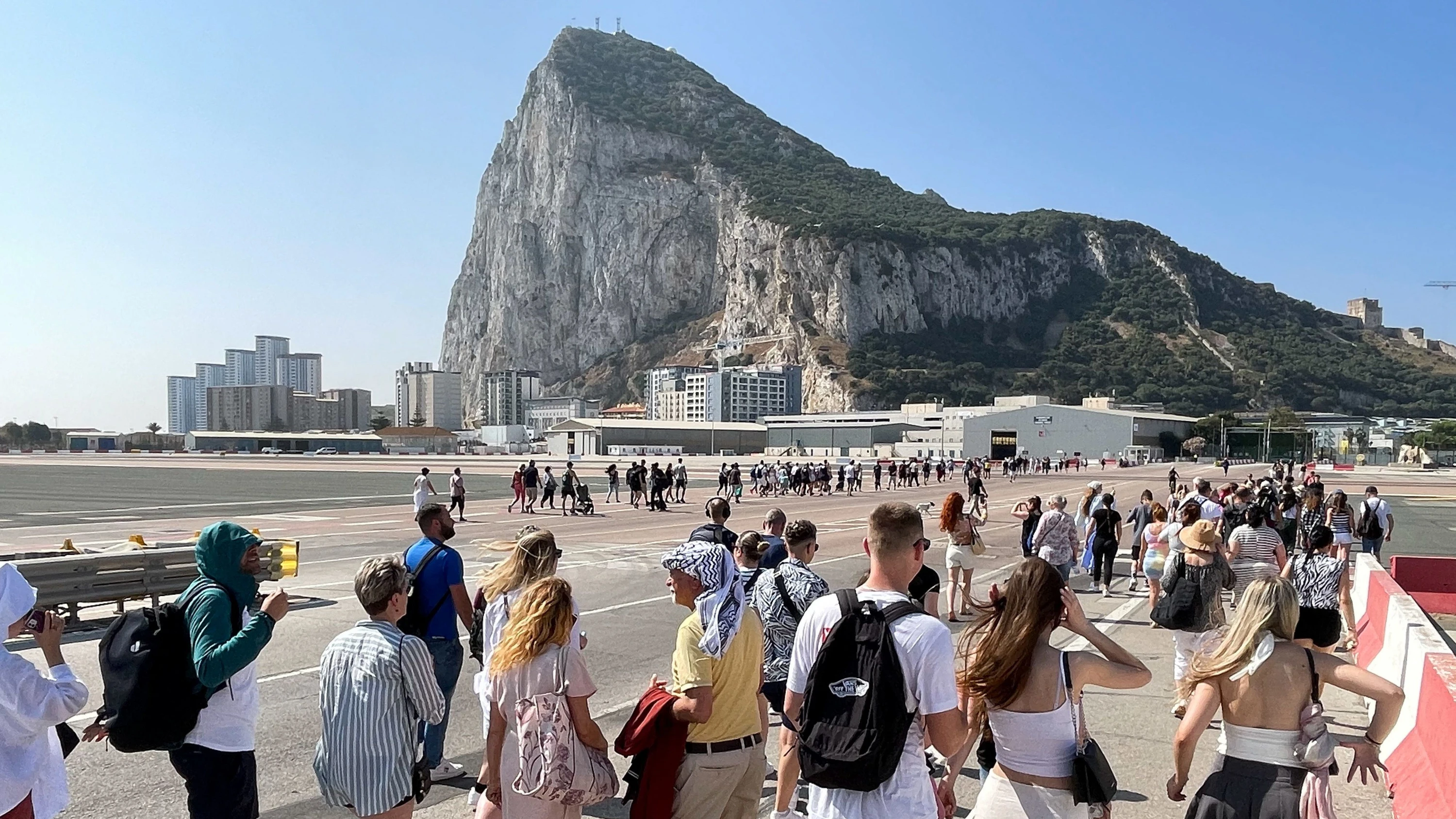
Grenzöffnung in Gibraltar: Aus der EU nach Großbritannien – zu Fuß und ohne Kontrollen Zehn Jahre nach dem Brexit bleibt von nun an die Grenze zwischen Spanien und Gibraltar geöffnet. Spanier und Briten legen viel Hoffnung in diesen Neuanfang.
faz · about 3 hours ago
ÜLEVAADE ⟩ Gibraltari-Hispaania piirikontrolli lõpp tähistab uue ajastu algust Füüsiline maismaapiiripunkt Hispaania ja Suurbritanniale kuuluva Gibraltari poolsaare vahel eemaldatakse. Piirireform on osa Suurbritannia ja Euroopa Liidu vahelistest Brexiti-järgsetest lepingutest ning lihtsustab ligi 15000 igapäevase piiriületaja argipäeva, kes teisel pool piiri tööl käivad.
postimees · about 3 hours ago
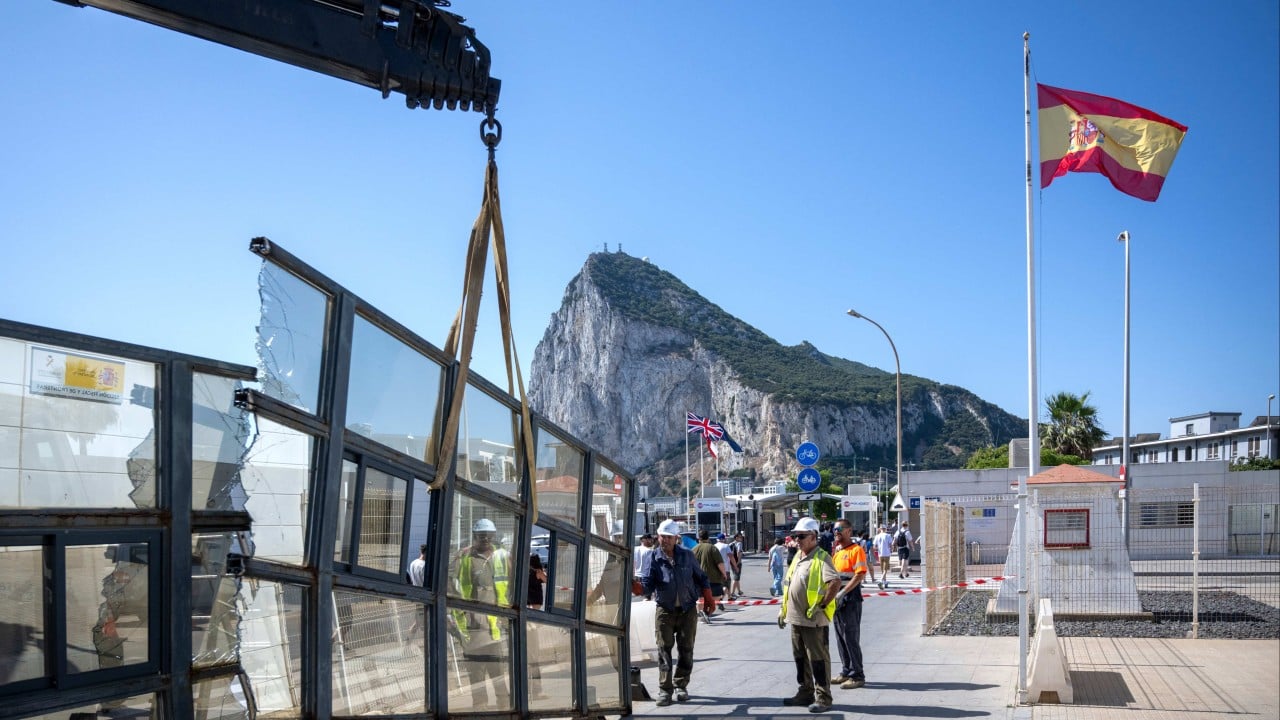
Gibraltar and Spain end border checks in historic UK-EU treaty A new era began between Spain and the tiny British territory of Gibraltar on Wednesday, as border checks that have long been a source of tension and frustration were finally lifted. Several dozen people and vehicles crossed the border from Spain for the first time without undergoing customs checks a few minutes after midnight. Several hundred people gathered for the occasion, waving Spanish flags, while Gibraltars Chief Minister, Fabian Picardo, announced: Europe is back. Gibraltar, a...
south china morning post · about 4 hours ago
„Tortur hat ein Ende: Grenze zwischen Gibraltar und Spanien ohne Kontrollen Ab sofort sollen Personen und Waren den Landübergang ohne die bisherigen Kontrollen passieren können. Passkontrollen wird es nur auf dem Flughafen und dem Hafen Gibraltars geben.
die presse · about 4 hours ago
Britisches Überseegebiet: „Ende der Tortur: Grenze Spanien-Gibraltar nun kontrollfrei Spanien betrachtet Gibraltar als britische Kolonie. Der Streit zwischen Madrid und London hält seit mehr als drei Jahrhunderten an. Nun tritt aber ein Abkommen in Kraft, das Tausenden zugutekommt.
tagesspiegel · about 4 hours ago
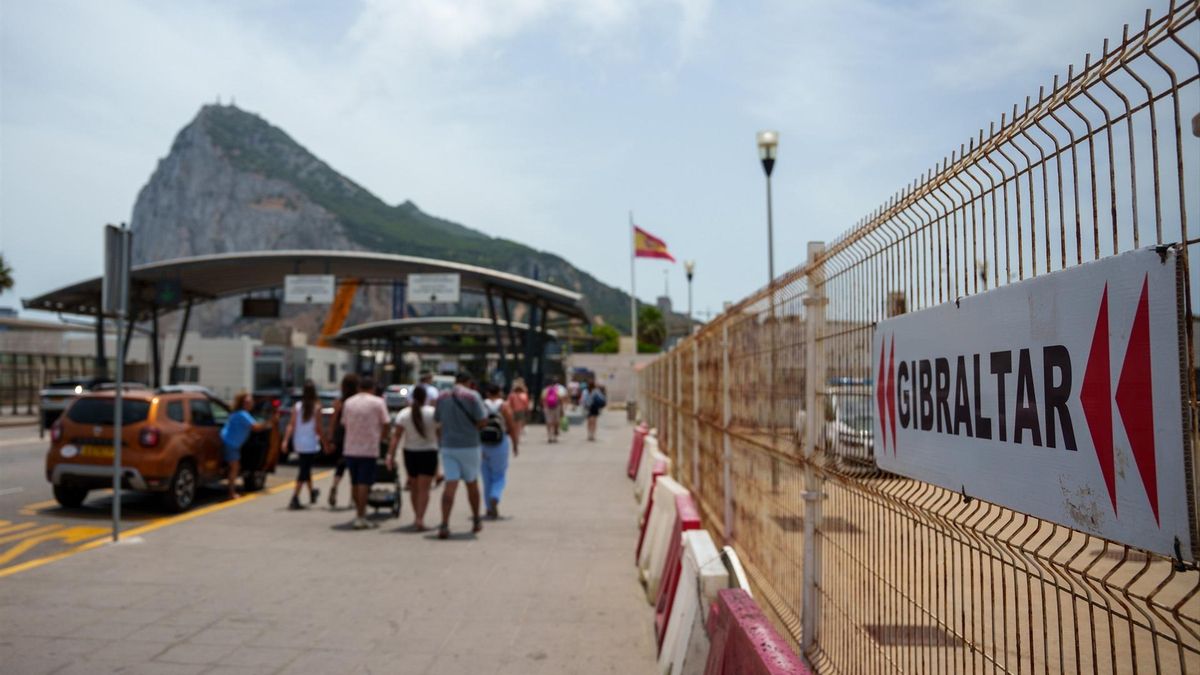
La Verja de Gibraltar cae tras cinco años de intensas negociaciones Más allá del acuerdo político, el momento se ha vivido con una fuerte sensación de esperanza, pero también con cautela y un poso de incertidumbre a un lado y a otro de la Verja que ya no existeLa UE y el Reino Unido firman el acuerdo definitivo que tumba la verja de Gibraltar La Verja ha caído justo a las 0 horas del día 15 de julio de 2026 tras cinco años de intensas negociaciones, a las que la Unión Europea dio via libre precisamente en julio de 2021, para buscar un Brexit blando en la frontera gibraltareña. El baile de ministros de Exteriores y de primeros ministros en el Reino Unido no ha impedido que se alcance un acuerdo, cuya ratificación provisional se producía horas antes en Bruselas, que permitirá la libre circulación de personas y mercancías entre La Línea y Gibraltar, que pasa a incorporarse a los beneficios y responsabilidades de Schengen, sin llegar a estar en Schengen. Más allá del acuerdo político, el momento, tras el partido entre Francia y España en el Mundial de Fútbol, se ha vivido con una fuerte sensación de esperanza, pero también con cautela y un poso de incertidumbre, a un lado y a otro de la Verja que ya no existe. La celebración gibraltareña de la desaparición de la Verja precede al viaje de Pedro Sánchez, presidente del Gobierno, que, en compañía de José Manuel Albares, ministro de Exteriores, tiene previsto reunirse este miércoles con representantes institucionales y de la sociedad civil y empresarial del Campo de Gibraltar, justo en el lugar en donde ya no estará la Verja que levantó Gran Bretaña en 1908. A dicha cita acudirán sindicatos y empresarios. De entrada, la Confederación de Empresas de la provincia de Cádiz (CEC) ya ha realizado, horas atrás, una primera valoración del acuerdo alcanzado entre la Unión Europea, España y el Reino Unido sobre Gibraltar, destacando que supone un paso relevante para avanzar hacia un escenario de mayor estabilidad institucional, económica y social. Este no es un día cualquiera, asegura Fabian Picardo, ministro principal de Gibraltar, poco antes de firmar el acuerdo provisional que permitirá aplicar el Tratado suscrito entre Gran Bretaña y la Unión Europea a partir de este miércoles. No es un día para la negociación sino para el consenso: «Este es el día en que engañamos al Brexit», declaró ufano el líder gibraltareño, cinco años después de comenzar el proceso negociador que ha cambiado las reglas del juego diplomático y suprimir el último muro de la Europa de Schengen. Este mismo martes, en Bruselas, Picardo ha suscrito el prometido Concordato Reino Unido-Gibraltar en Bruselas, que permitirá al Peñón demandar a Londres que se retracte del Tratado en caso de que no satisfaga sus intereses. El lo ha firmado en nombre de Gibraltar y el Secretario de Estado británico para Europa, Stephen Doughty, hizo otro tanto en nombre del Reino Unido. La firma tuvo lugar en Ducale, la residencia del embajador británico ante la Unión Europea, antes de la ceremonia formal del Tratado en el edificio Berlaymont de Bruselas. El Concordato, sin embargo, va más allá de la posibilidad de retracto, que también se la reserva España, dentro del marco de la Unión Europea: es un acuerdo bilateral entre ambos gobiernos británicos. Establece cómo el Reino Unido y Gibraltar harán cumplir sus respectivas obligaciones bajo el Tratado Reino Unido-UE respecto a Gibraltar, incluyendo cómo van a operar los Comités creados bajo este territorio.
eldiario.es · about 4 hours ago
Gibraltar intră într-o nouă eră odată cu eliminarea controalelor la frontiera cu Spania Mii de lucrători care traversează zilnic granița dintre Spania și enclava britanică Gibraltar vor intra miercuri într-o nouă eră, odată cu intrarea în vigoare a tratatului privind libera circulație, care va elimina controalele la frontieră, care au constituit mult timp o sursă de tensiune, scrie France 24.
digi24 · about 4 hours ago

Geen controles meer op grens tussen Spanje en Gibraltar: Europa is terug
de morgen · about 5 hours ago
Gibraltar is vanaf vandaag onderdeel van Schengen: inwoners blij, Brexit blijft Britten achtervolgen
de volkskrant · about 5 hours ago
:format(jpg)/f.elconfidencial.com%2Foriginal%2F5b9%2F86b%2Ffea%2F5b986bfea27ddd8d185c98068f8a9bb4.jpg)
Los agujeros negros del nuevo tratado de Gibraltar: dudas políticas, jurídicas, fiscales y territoriales El acuerdo elimina la Verja y facilita el tránsito de trabajadores, pero arroja interrogantes sobre el efecto a medio plazo en el Campo de Gibraltar, el interés del Gobierno en no someterlo al Parlamento y el lamento sobre la "oportunidad perdida"
el confidencial · about 5 hours ago
:format(jpg)/f.elconfidencial.com%2Foriginal%2F7c3%2Ff69%2F38d%2F7c3f6938d4eb9b8496a024785c25c7c8.jpg)
Marruecos vuelve a cerrar las aduanas de Ceuta y Melilla con la excusa de la Operación Paso del Estrecho La clausura apenas tiene efectos prácticos porque casi no hay comercio entre las dos ciudades y el vecino marroquí. La decisión sí tiene alcance político: Rabat recuerda así que ejerce el control sobre esa frontera
el confidencial · about 5 hours ago
:format(jpg)/f.elconfidencial.com%2Foriginal%2F2df%2F499%2F65a%2F2df49965adb51fc4db7128bf03764acc.jpg)
Las últimas 24 horas en Main Street con la Verja: "No sé cuál es el morbo de venir ahora a Gibraltar" Los llanitos viven con normalidad las últimas horas como la última frontera física del continente: la conversación más habitual, las semifinales del Mundial y la posibilidad de un España-Inglaterra
el confidencial · about 5 hours ago
Spain ratifies Gibraltar deal but insists no change in sovereignty claims over the territory The new deal officially brings to an end the final chapter of the UKs exit process from the EU in a deal set to boost cooperation and freedoms in the disputed territory.
euronews · about 7 hours ago
Top EU official speaks of very special feeling over new deal with UK The European Commission and the United Kingdom have signed the EU-UK Agreement in respect of Gibraltar. This Agreement is the result of more than four years of negotiations and completes the legal framework of the relations between the EU and … Read more
brussels morning · about 7 hours ago
Britisches Überseegebiet: «Ende der Tortur»: Grenze Spanien-Gibraltar nun kontrollfrei
die zeit · about 7 hours ago