
U.S. airstrikes shatter Iran ceasefire as Strait of Hormuz traffic halts

Story Timeline
2 months · 6 summary articles
The Strait of Hormuz, the world’s most critical chokepoint for oil shipments, ground to a near halt on Thursday after the United States launched a second consecutive day of airstrikes against Iran, shattering a fragile 60-day ceasefire and plunging the region into its most dangerous escalation since the April truce. Just two tankers had transited the strait by dawn, while the Omani corridor—Washington’s designated safe passage—remained empty of visible traffic. Shipping lines, scrambling to avoid the widening conflict, have begun switching off their public AIS transponders, making it harder to track vessels in real time, industry sources said.
The strikes followed a night of reciprocal missile and drone attacks that targeted U.S. military infrastructure across the Gulf. Iran’s Islamic Revolutionary Guard Corps claimed it had struck 85 sites, including the U.S. Navy’s Fifth Fleet headquarters in Bahrain and Ali Al-Salem Air Base in Kuwait. Washington denied carrying out a reported attack on Iran’s Bushehr nuclear facility, where explosions were reported near the country’s only operational reactor. “The U.S. did not conduct strikes in the past hours,” a Pentagon spokesperson told Agence France-Presse.
The violence erupted after President Donald Trump declared the U.S.-Iran memorandum of understanding—signed on June 17 to pave the way for a permanent ceasefire—“over.” Speaking to reporters in Ankara on Wednesday, Trump said Iran “wants to take out the U.S. leader—me. And so far, I guess I’ve been a bit lucky, but maybe that doesn’t last very long.” He added, “These are evil, sick people. And we have to root out that cancer.”
Israel has now entered the crisis directly, sharing intelligence with Washington that Iran has devised a new plot to assassinate Trump, according to multiple sources cited by *The Wall Street Journal* and CNN. The warning, described as containing “specific” details of an alleged plot, marks the first time Israel has provided such granular information to the U.S. administration. One U.S. official suggested the intelligence could be an attempt to influence Trump’s decision-making as he weighs further military action. Trump, who has long warned of Iranian retaliation for the 2020 drone strike that killed Qassem Soleimani, told reporters Thursday that he had learned of a new list ranking him as Iran’s top assassination target.
The White House declined to comment on the intelligence, instead pointing to Trump’s public remarks. “They want to take out the U.S. leader—me,” he reiterated. “I’m on whatever list. I saw this morning I’m on every single one of their lists.”
Regional mediators are scrambling to prevent a total collapse of negotiations. Qatar, Pakistan, Turkey, Egypt, and Saudi Arabia have held multiple phone calls with both Washington and Tehran in an effort to restore de-escalation, according to two sources from the mediating countries and a U.S. official. “There are extensive diplomatic efforts to first agree with both sides on de-escalation and then set a date for another round of negotiations between the technical teams,” one regional source said. Iran’s Foreign Minister Abbas Araghchi told Pakistan’s military chief that U.S. strikes and rhetoric violated the memorandum, while a U.S. official said technical-level talks continue despite the renewed hostilities.
The conflict has also strained alliances. Turkish President Recep Tayyip Erdoğan’s recent rhetoric against Israel prompted Prime Minister Benjamin Netanyahu to warn Trump of a “serious threat” from Ankara. Netanyahu, who spoke with Trump on Thursday, reiterated his opposition to a potential U.S. sale of F-35 fighter jets to Turkey, arguing it would endanger Israel. Trump, who had hinted at approving the sale after the NATO summit in Ankara, told Netanyahu he remains undecided.
As the funeral of Iran’s slain Supreme Leader Ali Khamenei drew 43 million mourners in Mashhad on Friday, the geopolitical fallout deepened. The Strait of Hormuz, through which 20% of the world’s oil passes, remains a powder keg. Iran has threatened to close the strait completely if the U.S. resumes strikes, vowing a two-to-one retaliation ratio against enemy targets. With shipping traffic plummeting and markets jittery, the risk of a broader regional war—one that could draw in NATO allies and reshape global energy markets—has never been higher.
Follow us for live European news
- 2
- 1
- 1
- 1
- 1
- 1
3 further sources not geolocated
Articles
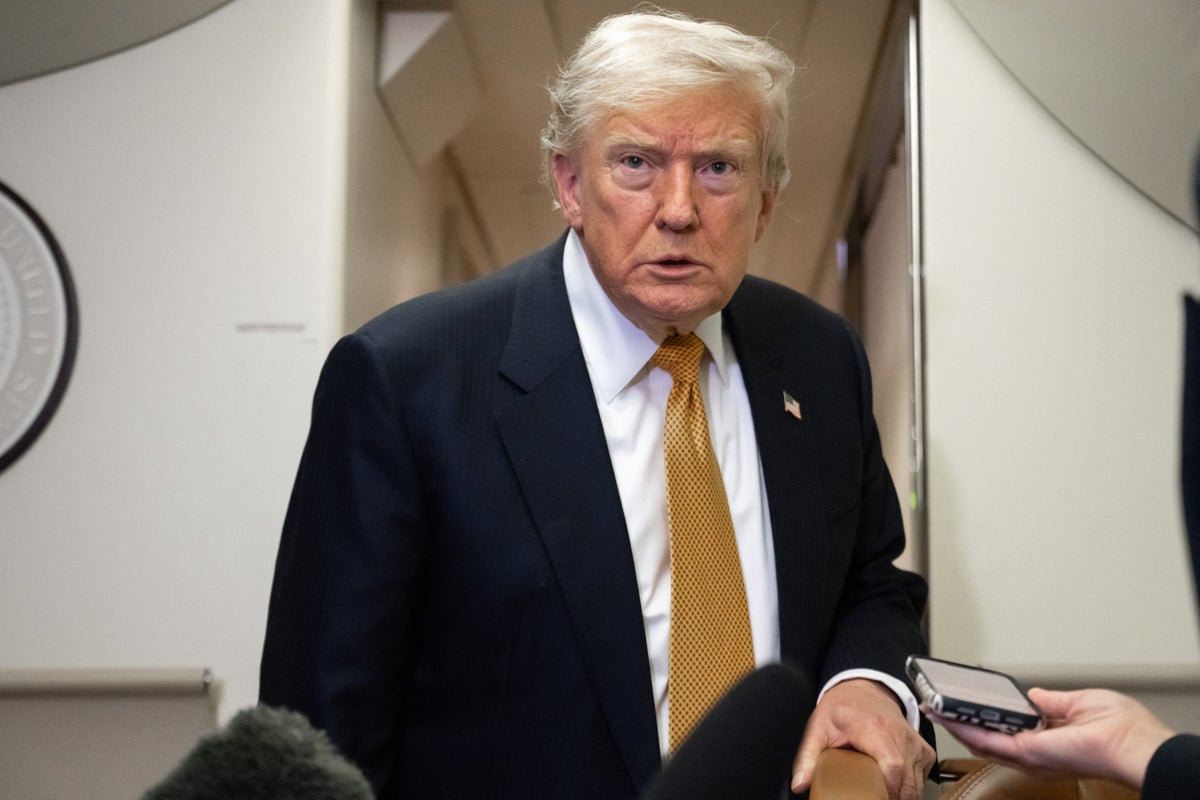
Iran-US war latest: Strait of Hormuz shipping halts while Israel reveals alleged Iranian plot to kill Trump US president says ceasefire over following strikes on ships in Strait of Hormuz
independent · about 2 months ago

US launches fresh strikes on Iran after Trump warns ceasefire over US Central Command announced a new round of strikes against Iran to degrade Tehrans ability to threaten freedom of navigation in the Strait of Hormuz. The operation came hours after President Trump declared the US-Iran memorandum over and said further strikes were likely.
yenisafak · about 2 months ago
US redeploys refueling aircraft to Middle East amid Iran escalation The US has begun returning aerial refueling aircraft to its Middle East bases amid rising tensions with Iran. Israeli officials believe Washington would greenlight an Israeli response to Tehran. The move follows an exchange of strikes between the US and Iran, with Trump declaring the ceasefire over.
yenisafak · about 2 months ago
Iran vows to answer US vulgarity with action after Trump insults Iranian Foreign Minister Abbas Araghchi said on Wednesday that Tehran responds to "vulgarity" with action rather than words after US President Donald Trump threatened further military strikes against the Islamic Republic and called Iranians "scum" while speaking on the margins of the NATO summit in Ankara.
yenisafak · about 2 months ago
Iran threatens to close Hormuz Strait completely if US resumes strikes An Iranian security source told state media on Wednesday that Tehran will completely block the Strait of Hormuz to all maritime traffic following any new American military strikes, vowing to retaliate against enemy targets at a ratio of two-to-one as regional tensions reach new heights.
yenisafak · about 2 months ago
Bahrain says air defenses intercepted Iranian aerial attacks The Bahrain Defense Force said Thursday its air defense systems successfully intercepted and destroyed multiple Iranian aerial attacks targeting the kingdom, as authorities activated warning sirens across Manama and Kuwait City amid escalating exchanges between Iran and the United States.
yenisafak · about 2 months ago
Iran army targets US bases in Kuwait, Qatar and Bahrain Irans army said Thursday it launched drone strikes against Patriot air defense systems and fuel storage facilities at US military bases in Kuwait, Qatar and Bahrain, as the Revolutionary Guards warned Washington that crushing responses would extend to other American installations if attacks continue.
yenisafak · about 2 months ago
Iran suspends Tehran-Mashhad rail service after US-Israeli strike The Islamic Republic of Iran Railways announced the immediate suspension of passenger services between Tehran and Mashhad on Thursday, halting operations on one of the countrys busiest routes after US-Israeli cruise missile strikes targeted railway bridges in northern Golestan province.
yenisafak · about 2 months ago
US strikes on five Iranian provinces kill 14, injure 78 The Iranian Health Ministry said Thursday that US military strikes on five provinces over the past two days killed at least 14 people and injured 78 others, as Washington declared a Pakistan-brokered ceasefire agreement "over" and triggered a renewed offensive.
yenisafak · about 2 months ago
🇮🇱🇺🇸🇮🇷⚡️ — Israel has reportedly provided the United States with information alleging that Iran was planning an assassination attempt against Trump, according to the Wall Street Journal, citing sources. This information could lead to a hardening of the U.S. position and an escalation of the conflict with Iran. @Intelslava
telegram_Intel Slava · about 2 months ago
Hormuz traffic nearly halts as fresh US-Iran strikes rattle shipping Ship traffic through the Strait of Hormuz slowed to a near standstill after renewed US strikes on Iran and fresh attacks on commercial vessels. Only 14 commodity carriers crossed the waterway on Wednesday, the lowest number since the interim peace deal in mid-June, with movements largely confined to an Iranian-approved northern route.
yenisafak · about 2 months ago
Irans Qalibaf: Hormuz to open only under Iranian arrangements Parliament Speaker Mohammad Bagher Qalibaf has declared that the Strait of Hormuz will open only under Iranian arrangements, not US threats. He warned that if you strike, you will be struck, following fresh US strikes on Iran.
yenisafak · about 2 months ago
Iran påstås ha planerat mord på Donald Trump Israel har delat underrättelseinformation med USA som påstås visa att Iran nyligen övervägt planer på att mörda president Donald Trump, uppger flera källor med insyn för The Wall Street Journal.
svenska dagbladet · about 2 months ago
Iran says strikes hit southern areas, but US denies it carried attacks Iranian state media reported that military headquarters were hit by strikes in Bushehr province and the city of Konarak.
aljazeera · about 2 months ago
Israel demolishes southern Lebanon towns despite ceasefire pact The Israeli army carried out demolitions and explosions in Khiam and Taybeh overnight, despite a US‑sponsored ceasefire framework signed June 26. The latest escalation comes as new Lebanon‑Israel talks are due in Rome next week. Lebanons Health Ministry reported 4,321 killed and 12,203 injured since March 2.
yenisafak · about 2 months ago
US strikes strategic railway bridge linking Iran to China, Russia The United States military on Thursday targeted a strategic railway bridge in northern Iran that connects the Islamic Republic to China and Russia, marking the second consecutive day of renewed American strikes on Iranian territory following Washingtons abandonment of a recent peace framework, according to Iranian state media.
yenisafak · about 2 months ago
Iran, Saudi FMs discuss regional fallout from US strikes Iranian Foreign Minister Abbas Araghchi and his Saudi counterpart Prince Faisal bin Farhan discussed regional security developments during a phone call on Thursday, as Tehran coordinates diplomatically with Gulf neighbors following recent American military strikes against Iranian targets.
yenisafak · about 2 months ago
US-Iran conflict escalates as fresh missile strikes threaten Middle East ceasefire The United States launched fresh airstrikes on Iran early Thursday, prompting Tehran to fire missiles at Bahrain, Qatar, Kuwait and Jordan, targeting countries hosting US forces, officials said. The exchanges threatened a fragile interim ceasefire aimed at ending the Middle East conflict, with explosions also reported near Irans nuclear power plant.
france24 · about 2 months ago
Irans plan: Vill mörda presidenten Iran har nya planer på att mörda president Donald Trump. Det visar israelisk underrättelse som skickats till USA, enligt Wall Street Journal. – Jag är på varenda en av deras listor, sa Trump i går.
expressen · about 2 months ago
Cyprus fuel stations brace for price rises as Iran war escalates Fuel station owners and the competent service of the Ministry of Energy have warned that consumers should prepare for increases in motor fuel prices, as the conflict in the Middle East once again spills over into Cypruss petrol stations. Donald Trumps threats of a collapsing ceasefire and fresh US strikes on Iran have unsettled markets, […]
in-cyprus · about 2 months ago

Irans Drone Strike in Iraq: Intelligence GapsExplore the truth behind the alleged Iranian drone strike in Iraq. Was a French military base targeted? Uncover intelligence gaps and escalating tensions. #WorldNews #ForeignPolicy
mastodon bot · about 2 months ago
Netanyahu says Iran war has not ended amid new US strikes Israeli Prime Minister Benjamin Netanyahu declared on Thursday that the war with Iran has not ended, warning of new challenges as Washington and Tehran exchanged fresh military strikes in the Strait of Hormuz following the collapse of a Pakistan-brokered truce agreement that US President Donald Trump declared terminated earlier this week.
yenisafak · about 2 months ago
Explosions rock southern Iran as US strikes target military sites Iranian officials reported at least seven explosions near the southern cities of Bushehr and Konarak late Thursday, confirming that air defense systems responded to projectiles fired by US forces amid escalating hostilities that have seen Tehran launch retaliatory strikes on American bases across the Gulf.
yenisafak · about 2 months ago

Dezful Strikes: Israel-Iran Shadow War IntensifiesExplore the alleged Israeli airstrikes on Dezful, Iran, and the escalating shadow war. Get the latest updates and analysis on this developing conflict. #WorldNews #ForeignPolicy
mastodon bot · about 2 months ago
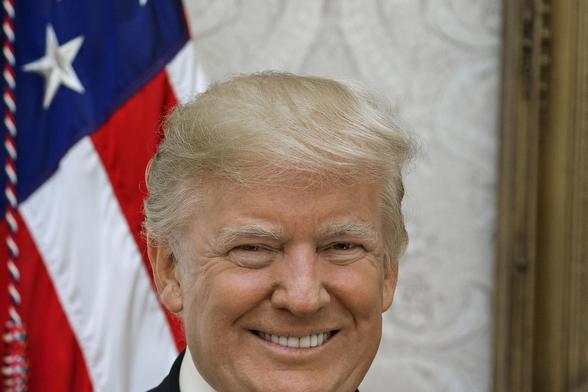
Trumps NATO remarks undermine the Iran ceasefire after U.S.-Iran strikes.Read the GPS brief. #Iran #NATO
mastodon bot · about 2 months ago

Irans Missile Message: Whats the Real Target?Iranian missile with a chilling message surfaces online. Is it a direct threat or strategic messaging? Explore Irans target and regional tensions. #WorldNews #ForeignPolicy
mastodon bot · about 2 months ago
Källor: Iransk mordkomplott mot Trump Israel har delat underrättelseinformation med USA som påstås visa att Iran nyligen övervägt planer på att mörda president Donald Trump, uppger flera källor med insyn för The Wall Street Journal.
svenska dagbladet · about 2 months ago

Safed Rocket Strike: Impact on Israeli-Lebanon BorderRocket strike near Safed impacts the Israeli-Lebanon border. Unverified video surfaces amid rising tensions. Stay updated on the latest developments. #WorldNews #ForeignPolicy
mastodon bot · about 2 months ago
Iran war live: New attacks on Iran as US says talks still on Washington official says US not behind the latest strikes and that technical talks with Iran continue.
aljazeera · about 2 months ago
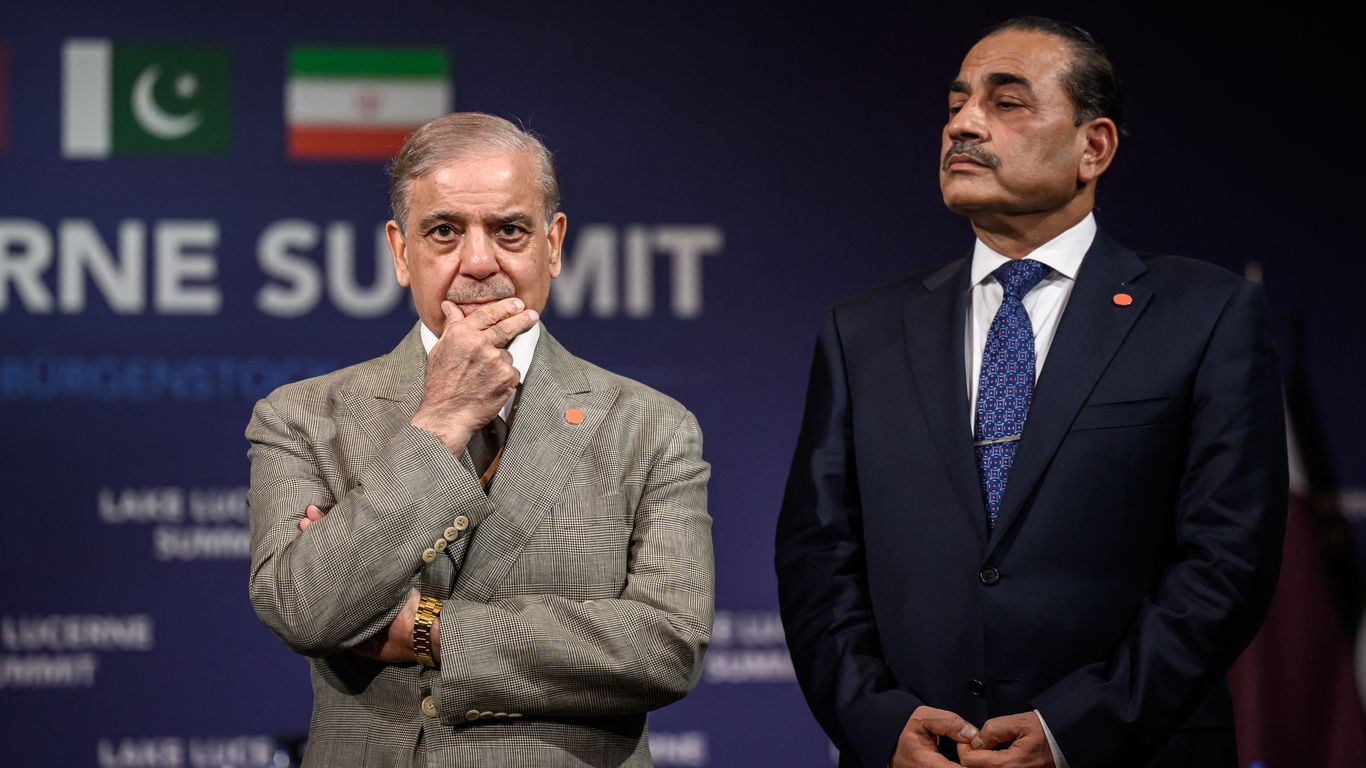
Regional mediators scramble to prevent U.S.-Iran deal from collapsing Qatar, Pakistan and other regional mediators are trying to de-escalate tensions between the U.S. and Iran and revive negotiations on a nuclear deal, according to two sources from the mediating countries and a U.S. official. Why it matters: While President Trump announced on Wednesday that the U.S.-Iran memorandum of understanding (MOU) and the ceasefire were "over" and ordered two rounds of airstrikes, he is focused on reopening the Strait of Hormuz and still wants to avoid a return to an all-out war with Iran. The mediators think that, regardless of the recent escalation, the parties made progress toward a nuclear deal in earlier rounds of talks and want to prevent the MOU from collapsing.A regional source from one of the mediating countries said the mediators believe the recent Iranian attacks in Hormuz were initiated by elements inside the Iranian regime that oppose the MOU and want to undermine it. Behind the scenes: Qatari, Pakistani, Turkish, Egyptian and Saudi officials have conducted multiple phone calls on Wednesday with both U.S. and Iranian officials in an effort to calm down the situation, the sources said.Irans Foreign Minister Abbas Araghchi told Pakistani military commander Field Marshal Asim Munir that the U.S. attacks and rhetoric were violations of the MOU, according to a statement on his Telegram channel. "There are extensive diplomatic efforts to first agree with both sides on de-escalation and then set a date for another round of negotiations between the technical teams," one regional source involved in the mediation said. State of play: After two days of exchanges of fire between the U.S. and Iran, Thursday was much calmer. Despite reports in some Iranian media outlets regarding explosions in southern Iran, U.S. officials said the U.S. military didnt conduct any new strikes on Thursday. One U.S. official said it was a result of the de-escalation efforts. What they are saying: President Trump held a meeting on Thursday afternoon with his top national security team about the tensions with Iran and the way forward. After the meeting a U.S. official said the Trump administration is "still committed to finding a resolution, and technical-level talks continue" to reach a nuclear deal."President Trump made his feelings very clear yesterday in no uncertain terms. Irans attacks on these innocent vessels are acts of terrorism. The MOU is performance-based, and Irans actions constitute failed performance at an unacceptable level", the U.S. official said.
axios · about 2 months ago