Loading…
 Thursday, July 30Thursday, July 30
The cost of housing is soaring across Europe, with students and first-time buyers particularly hard hit. In Norway, 13,700 students are without accommodation, while in Germany, rising construction interest rates and high property prices are making homeownership increasingly unattainable for many.
In Norway, the annual student housing survey by NSO reveals that 13,700 students lack housing to meet NSO's goal of 20% of all students living in student housing. Currently, only 15.28% of students have access to student housing. In Stavanger, the situation is particularly dire, with long waiting lists for student housing. "Here, students get their own room with everything they need, a fridge, a stove, and a pretty nice view," says Kristina Renberg, Marketing and Communications Director at Studentsamskipnaden i Stavanger (SiS). However, many students are forced to look for accommodation in the private market, where rents have increased by 35% from October 2021 to April 2026.
In Germany, the dream of homeownership is becoming increasingly elusive. Rising construction interest rates and high property prices are making it difficult for first-time buyers to enter the market. According to the Handelsblatt article, the average home price is reaching record levels, and the necessary equity has increased to around €131,000. "The dream of owning a home is moving further away for a growing number of people," the article states.
In the Netherlands, student room rents outside the Randstad are rising significantly faster than the national average, according to Kamernet. This trend is making it harder for students to find affordable housing. Additionally, in Amsterdam, more homes are being listed and sold, but at lower average transaction prices, indicating a potential shift in the market.
In Spain, home sales continue to fall while prices soar. According to Expansión, home sales fell by nearly 12% in May, marking the fifth consecutive month of decline. Meanwhile, prices increased by 8.8%, exacerbating the affordability crisis.
The housing market challenges are not limited to students and first-time buyers. In Estonia, the real estate development market is highly cyclical, with costs constantly incurred and results fluctuating significantly. According to an article from PMO, three listed companies—Liveni, Arco Vara, and Hepsori—reported growing revenues but deepening losses in the first half of the year. However, these companies expect their results to turn profitable by the end of the year as several major development projects are completed.
In France, the rental market is also facing pressures. According to La Vanguardia, renting a property is no longer just about setting a rent and finding a tenant. The pressure on the market, regulatory changes, and increased litigation around leases have made signing a contract an economic decision that requires prior checks. "The property continues to be seen as a tangible asset and that gives a lot of peace of mind to the investor," explains Pilar Tomé of Vilches Abogados. However, this perception should not lead to minimizing risks, she warns.
In Greece, a heartwarming story emerges amidst the housing crisis. A woman who saved money for nine years to buy a plot of land but couldn't afford to build a house saw her dream come true thanks to 800 volunteers who helped construct her home.
In Frankfurt, many Germans fear receiving too low a pension and are looking for alternative ways to secure their income in old age. One seemingly lucrative option is renting out apartments in a multi-family house. However, a recent survey by the Haus & Grund owners' association showed that many private landlords are only breaking even or even making losses with their properties.
Follow us for live European news
1 further source not geolocated

Börsil olevate väikeste kinnisvaraarendajate poolaasta päädis kahjumiga Kinnisvaraarendus on väga tsükliline äri. Palju sõltub sellest, millal projektid valmivad ja millal on salv tühi. Kuna kulud on kogu aeg, siis tulemused kõiguvad kõvasti.
postimees · about 2 hours ago
Viis asja, mis ostuhuvilisele korteris kohe silma jäävad Korteri müümisel arvatakse tihti, et ostja hakkab hindama planeeringut, ruutmeetreid ja tehnilisi detaile. Tegelikult on pilt hoopis teine. Enamasti kujuneb esmamulje juba esimese paari minutiga, vahel isegi enne, kui huviline on kõik ruumid ära näinud. Arco Vara maakler Anzelika Lissova toob välja viis asja, mida ostuhuviline peaaegu alati kohe märkab.
postimees · about 2 hours ago
Αγόρασε οικόπεδο με οικονομίες 9 ετών, αλλά δεν είχε χρήματα να χτίσει σπίτι: 800 εθελοντές έκαναν το όνειρό της πραγματικότητα
protothema · about 2 hours ago
Animalele de companie, comunitatea și orașul. Ce înseamnă un cartier construit pentru toți Animalele de companie au devenit o prezență tot mai obișnuită în viața urbană și, odată cu ele, s-au schimbat și criteriile după care mulți oameni aleg locul în care trăiesc. Contează apropierea de natură, spațiile verzi, locurile în care copiii se pot juca, serviciile aflate aproape și posibilitatea de a petrece timp afară, fără ca …
hotnews.ro · about 2 hours ago
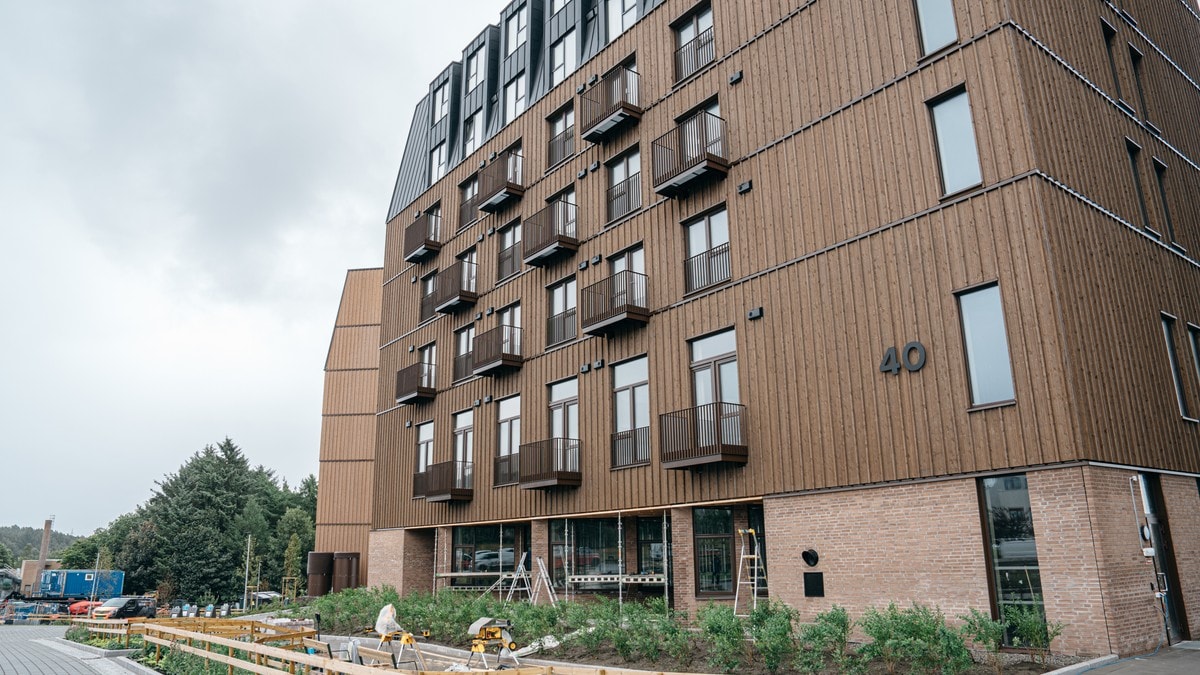
Studentbolig kan spare deg for rundt 130.000 kroner Stadig flere får muligheten til å flytte inn i de særskilte boligene. Likevel må 85 prosent av studentene finne et annet sted å bo.
nrk · about 2 hours ago

Alquilar tu piso con seguridad: qué revisar antes de firmar para evitar impagos o conflictos La nueva regulación del alquiler obliga a los propietarios a revisar con más detalle el precio, las garantías, la actualización de la renta, los gastos y el perfil del inquilino antes de entregar las llaves
la vanguardia · about 2 hours ago
Vermögen: Wann sich ein Ehevertrag lohnt – und was er kostet Ein Ehevertrag gilt als unromantisch. Doch ohne Vertrag gelten starre Regeln. Für Unternehmer, Immobilienbesitzer und Paare mit Kindern kann das teuer werden.
handelsblatt · about 2 hours ago
Trendviertel: Preise, Rendite, Perspektive – Wo sich der Hauskauf jetzt wieder lohnt Die Immobilienpreise legen zu. Doch das höchste Wertwachstum findet nicht mehr in den Metropolen statt. Exklusive Zahlen zeigen, in welchen Regionen die Chancen besonders hoch sind.
handelsblatt · about 2 hours ago
Student rooms outside Randstad becoming more and more expensive Student room rents outside the Randstad are rising significantly faster than the national average, Kamernet observed.
nltimes.nl · about 2 hours ago
Φοιτητικό στεγαστικό επίδομα έως και 2.500 ευρώ: Εκπνέει η προθεσμία για τις αιτήσεις, τα κριτήρια και τα ποσά
protothema · about 2 hours ago
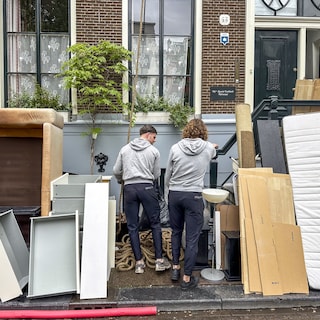
More homes listed and sold in Amsterdam, lower average transaction price – but a shift appears imminent
parool · about 2 hours ago
Immobilien: Kauf einer Mietwohnung – Das verdienen Vermieter tatsächlich Viele Deutsche träumen davon, ihre Altersvorsorge mit einer vermieteten Immobilie zu sichern. Doch wieviel Rendite ist wirklich drin? Das Handelsblatt hat nachgerechnet.
handelsblatt · about 2 hours ago

Hausverkauf: „Privatleute sind bei Immobiliengeschäften oft erstaunlich naiv Der erste Auftritt muss sitzen. Immobiliengutachterin Margit Weinheimer-Furthmann über die häufigsten Fehler beim Hausverkauf und warum Privatleute für Makler oft eine leichte Beute sind.
faz · about 3 hours ago
Preparing a child for school costs at least EUR 250, yet more than a third of Latvian families have a budget of under EUR 100 - The Baltic Times For many Latvian families, the start of a new school year brings not only the excitement of returning to school, but also significant fi......
baltic times · about 3 hours ago
Historisch besef Vroeger lag het gebouw waarin nu ons appartementencomplex zit, aan een haven die inmiddels gedempt is.
nrc · about 3 hours ago
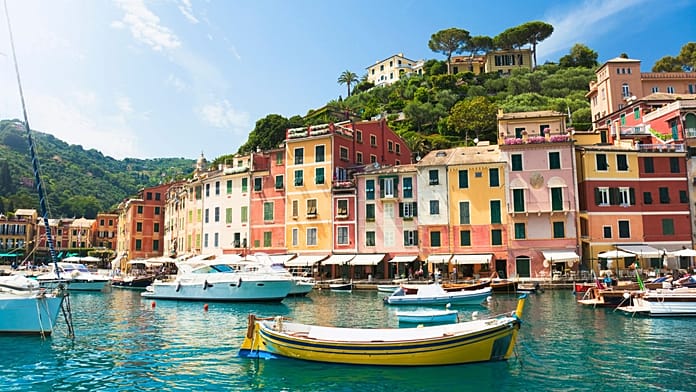
Heres the salary you need to afford a €1 million home across Europe A third of the average gross salary is not enough to cover the monthly mortgage of almost €3,600 for a €1 million home anywhere in the EU. Luxembourg comes closest, although buyers still need 1.6 times the average salary.
euronews · about 3 hours ago

Este es uno de los motivos por el que el precio medio de la compra se ha disparado Una experta en economía doméstica desgrana las estrategias comerciales que empujan a gastar de más y cómo blindarse frente a ellas
la vanguardia · about 3 hours ago
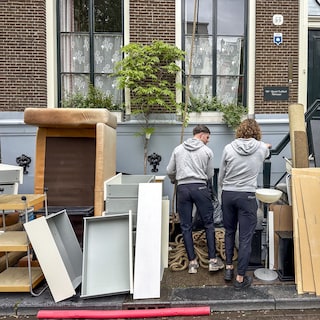
Meer woningen aangeboden en verkocht in Amsterdam, bij lagere gemiddelde transactieprijs – maar een kentering lijkt aanstaande
parool · about 3 hours ago
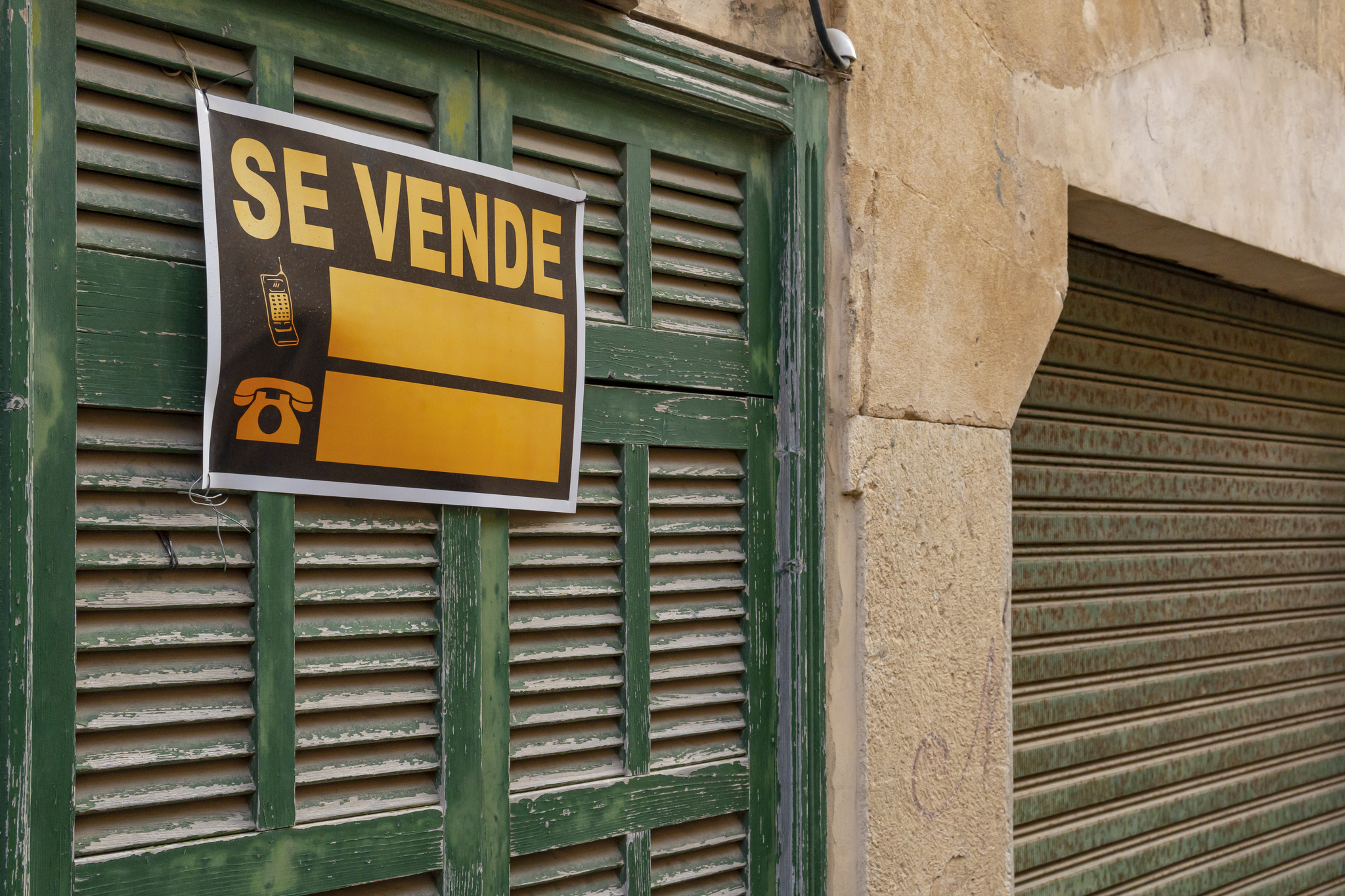
Las compraventas de vivienda siguen cayendo mientras los precios se disparan Las operaciones bajan casi un 12 en mayo por quinto mes consecutivo mientras los precios suben un 8,8. Leer
expansion · about 3 hours ago