Loading…
 Monday, August 31Monday, August 31
China and Russia deepened their strategic coordination on Monday as leaders met at the Shanghai Cooperation Organization summit in Bishkek, Kyrgyzstan, with both sides emphasizing strengthened ties amid global tensions.
Russian President Vladimir Putin and Chinese President Xi Jinping reaffirmed their commitment to expanding the role of the SCO, according to state media reports. Putin praised Moscow-Beijing relations as a "model for interstate cooperation," while Xi underscored the need for greater strategic alignment in the face of rising uncertainty, as cited by Swedish and Romanian outlets .
The meeting came as Putin sought Xi’s support for the stalled Power of Siberia-2 gas pipeline, a project aimed at boosting Russian gas exports to China, according to Ukrainian news agency Pravda .
Meanwhile, Iran’s Foreign Minister Abbas Araghchi urged SCO members to adopt a unified stance against what he described as U.S. aggression, as Tehran sought to rally the bloc behind its grievances following recent clashes with Washington. Araghchi’s remarks were reported by IntelliNews during the Bishkek summit .
The SCO gathering followed a weekend of heightened tensions in the Middle East, where the U.S. and Iran exchanged strikes. On Sunday, U.S. forces targeted Iranian launchers on Larak Island, prompting Iranian retaliatory missile attacks on U.S. bases in Jordan and the UAE, though none reached their targets, according to Al Jazeera and The Independent .
U.S. President Donald Trump escalated rhetoric on Monday, warning Iran of a "hard" response and posting an AI-generated video depicting an attack on Iran’s Kharg Island, a key oil-processing hub. Vice President JD Vance said the video was a message to Iran over its threats to commercial shipping in the Strait of Hormuz. A U.S. official later clarified that no actual strike on Kharg Island had occurred, though U.S. Central Command confirmed "limited, precise action" against Iranian minelaying forces .
The SCO summit also saw discussions on regional security, with Iran pushing for a collective response to U.S. actions. The bloc, which includes China, Russia, and several Central Asian nations, has previously served as a platform for Moscow and Beijing to project influence against Western policies.
Follow us for live European news
5 further sources not geolocated
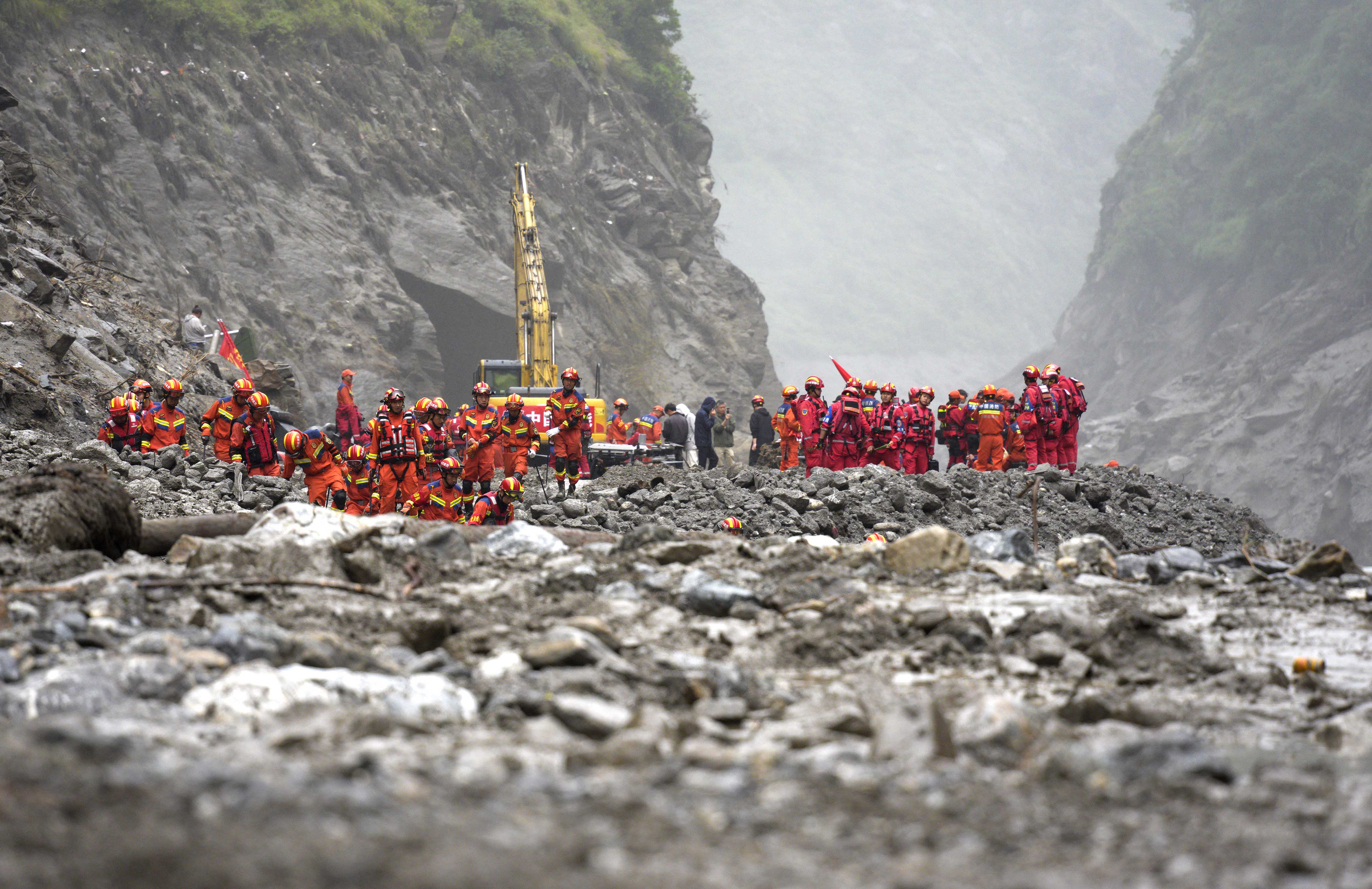
China imposes a wall of silence in Tibet after the Himalayan disaster Extreme terrain, disrupted communications and a lack of firsthand accounts have made it difficult to piece together what happened on the Tibetan side of the border
elpais · about 3 hours ago

Ukrainian Drone Mastermind, Fired by Kyiv, Will Advise Italys Defense Chief The appointment of Mykhailo Fedorov, a Ukrainian former defense minister, showed how other militaries are racing to adapt to battlefield changes accelerated by the war in Ukraine.
new york times · about 3 hours ago

Israel and Greece Reach $3.5 Billion Defense Deal Despite the growing diplomatic isolation of the government, the agreement makes clear that the Israeli defense industry is still finding considerable demand abroad.
new york times · about 3 hours ago

🟠 UPDATEU.S. and Iran exchange attacks as Middle East hostilities reignitePresident Trump used an AI-generated video depicting an attack on Kharg Island to send a warning message to Iran, following previous U.S. strikes and Iranian retaliatory attacks.📰 #USA #Military #Geopolitics #GeoWire
mastodon bot · about 3 hours ago

Saudi Arabia, Turkey, and Pakistan Strengthen Mecca Defense Agreement
mastodon bot · about 3 hours ago
#CrisisOfNotKnowingPeterPomerantsev ::: #WarfareLOL :::Video published December 5, 2014This video was published 4,287 days agoRecorded in a book store in Washington D.C. USA #NATO /\
mastodon bot · about 3 hours ago

Saudi Arabia, Turkey and Pakistan agree to establish secretariat under joint defence pact reut.rs/3Ur4V24
bluesky_Reuters · about 3 hours ago

Chinas CXMT makes breakthrough in advanced memory chips, the Information reports reut.rs/4zPnTPY
bluesky_Reuters · about 3 hours ago

🇷🇺🇺🇦⚡️ — Russia has increased its use of jet-powered drones against Ukraine fivefold compared with June, Ukrainian Air Force spokesperson Yuriy Ihnat said. Yesterday, Zelenskyy stated that over the past four days alone, the Russian Armed Forces had launched around 800 jet-powered drones.
telegram_Intel Slava · about 3 hours ago
🇷🇺🇺🇦⚡️ — Combat operations by drone operators of the 144th Guards Motor Rifle Division targeting and destroying Ukrainian personnel and equipment in the Krasny Liman direction. @IntelSlava
telegram_Intel Slava · about 3 hours ago
🇮🇷🇺🇸⚡️ — IRGC air defenses have shot down a second U.S. Air Force (USAF) MQ-9A Reaper unmanned combat aerial vehicle (UCAV), this time over the Gulf of Oman. @IntelSlava
telegram_Intel Slava · about 3 hours ago
🇺🇸⚡️ — The U.S. National Guard is set to receive 28 Gray Eagle 25M Unmanned Combat Aerial Vehicles (UCAVs) for three divisions, with initial operational deployment expected to begin in 2027. @IntelSlava
telegram_Intel Slava · about 3 hours ago
🇺🇸🇮🇷⚡️ — A U.S. official told Axios that, in recent days, an Iranian surface-to-air missile was launched at a U.S. F-35 multirole fighter providing air cover for ships in the Strait of Hormuz. @IntelSlava
telegram_Intel Slava · about 3 hours ago
🇷🇺❌🇺🇦⚠️ - Multiple drones in the Kyiv Region. @GeoPWatch
telegram_GeoPWatch · about 3 hours ago
🇮🇷❌🇺🇸 – The IRGC claimed its forces shot down yet another USAF MQ-9 Reaper drone over the Strait of Hormuz, the second in less than 24 hours. Our information is that an Iranian Sevom Khordad Air Defense system was responsible for the downing. @GeoPWatch
telegram_GeoPWatch · about 3 hours ago
🇷🇺❌🇺🇦❗️ - Multiple drones in the Kyiv and Bucha area. @GeoPWatch
telegram_GeoPWatch · about 3 hours ago
Ukrainian drones attack Russias Yekaterinburg. Three apartment buildings damaged, four people injured.
telegram_Meduza · about 3 hours ago
Difesa militare, lo Scudo di Achille di Atene si chiama Israele Scudo di Achille. È questo il nome dellaccordo di difesa aerea da 3.1 miliardi di euro stipulato fra Israele e Grecia. Lintesa è stata firmata lunedì mattina a Tel Aviv dal direttore generale del ministero della Difesa Israeliano Amir Baram e dalla sua controparte greca Ioannis Bouras. Si tratta del più grande accordo di esportazione […] Larticolo Difesa militare, lo Scudo di Achille di Atene si chiama Israele proviene da Il Fatto Quotidiano.
il fatto quotidiano · about 3 hours ago
Een purist van voor de oorlog
trouw · about 3 hours ago

Crise des migrants à Ceuta : ce que dit un rapport des services de renseignement espagnols
lexpress · about 3 hours ago

Fidan: Mecca Defense Alliance launches new regional security architecture Turkish Foreign Minister Hakan Fidan said Monday that the Mecca Defense Alliance has launched a process to establish a new security architecture in the region, as the foreign and defense ministers of Türkiye, Pakistan and Saudi Arabia convened in Istanbul for the inaugural meeting.
yenisafak · about 3 hours ago
Prezident Pellegrini chce na pôde OSN otvoriť tému regulácie umelej inteligencie v zbrojárstve Peter Pellegrini chce na Valnom zhromaždení OSN otvoriť tému regulácie umelej inteligencie v zbrojárstve. Varuje pred smrteľnými autonómnymi zbraňami.
aktuality.sk · about 3 hours ago
Macron om köpet: historiskt steg Sveriges köp av fyra franska fregatter är nu signerat. Ett historiskt steg i samarbetet mellan våra…
svenska dagbladet · about 3 hours ago

Influerare har i hemlighet anställts på Pentagon Konservativa militärinfluerare med många följare har i hemlighet fått civila anställningar på Pentagon. Utåt hyllar de försvarsminister Pete Hegseth medan kritiker angrips, visar en granskning av Washington Post.
dagens nyheter · about 3 hours ago
„Wir verstehen Chinesen heute nicht besser als vor ein paar hundert Jahren [premium] Europäer sollten bescheidener werden und in gewissen Bereichen von China lernen, sagt der britische Sinologe Kerry Brown. Selbst wenn es die USA wirtschaftlich und militärisch überholen sollte, werde es nicht an die Soft Power herankommen.
die presse · about 3 hours ago
Vladimir Putin laudă relațiile dintre Moscova și Beijing. „Un model pentru relațiile dintre state Președintele chinez Xi Jinping și omologul său rus Vladimir Putin s-au angajat luni să consolideze rolul Organizației de Cooperare de la Shanghai (SCO), în cadrul unei întâlniri în care cele două țări urmăresc să-și aprofundeze coordonarea strategică.
adevarul · about 3 hours ago
Președintele Finlandei: China poate împiedica Rusia să recurgă la arme nucleare. Asigurările date de Beijing China a dat asigurări, în discuții private, Finlandei că nu va permite Rusiei să folosească arme nucleare, a declarat președintele finlandez Alexander Stubb într-un interviu.
adevarul · about 3 hours ago
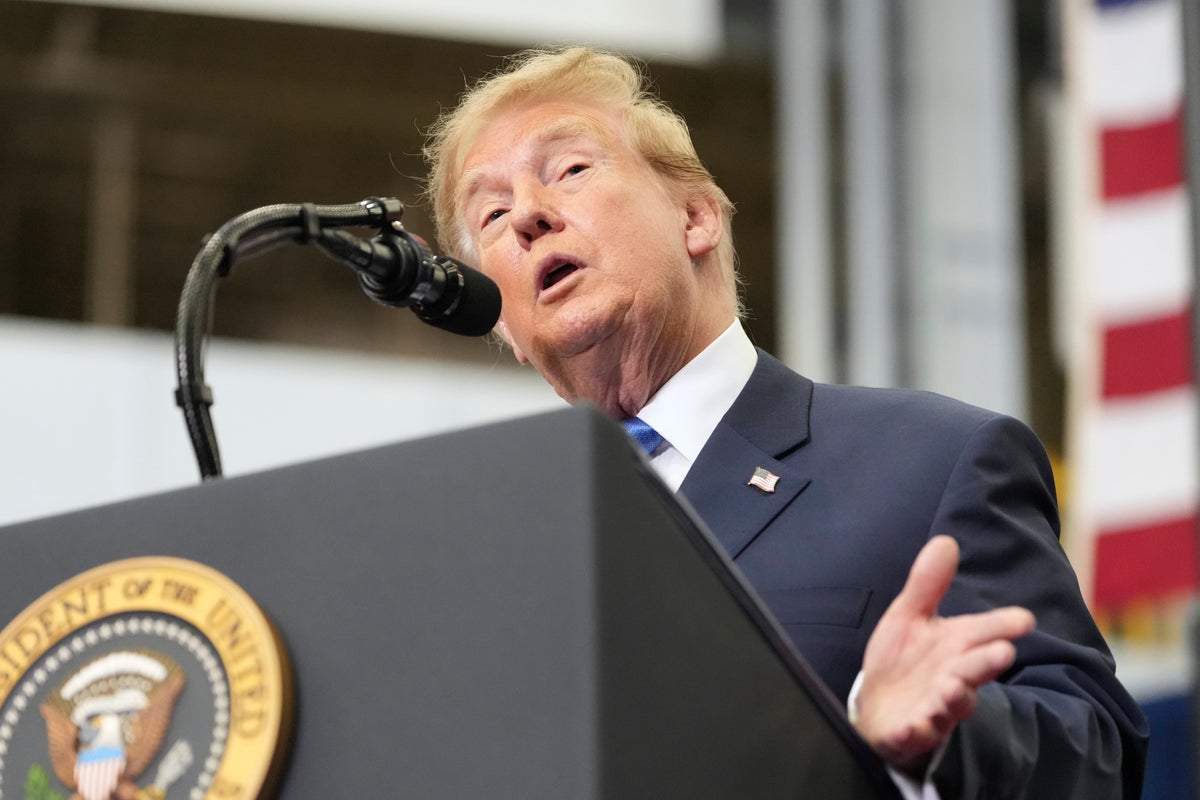
Iran-US war latest: Trump says American military may still smack Iran despite it being a failed nation Trump vowed retaliation for Iranian strikes on US military bases in Jordan
independent · about 3 hours ago
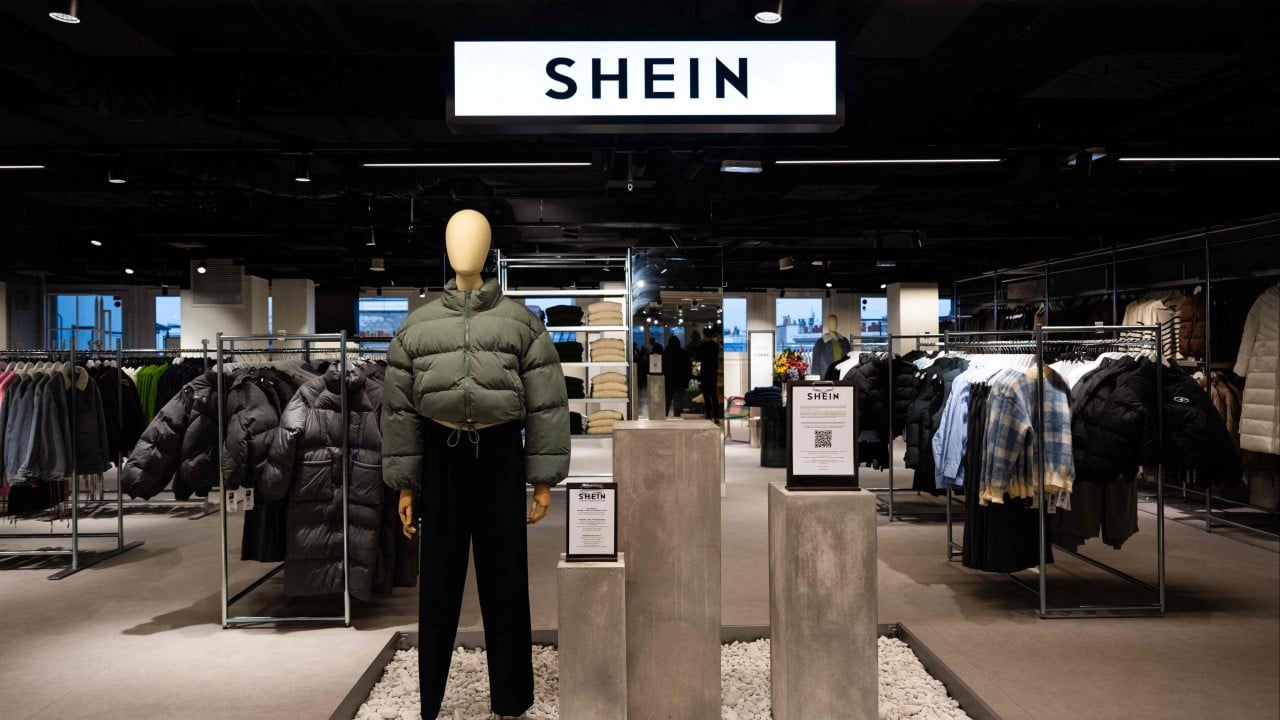
France takes aim at Shein, Temu, other fast fashion with levy on Asian e-commerce sites France will from Tuesday impose a fee on ultra-fast fashion items that will eventually reach almost €20 (US$2.32) per garment, as the government targets major Asian e-commerce platforms including Shein. The levy follows legislation passed by the French parliament in June to regulate ultra-fast fashion companies, known for selling large volumes of lower-quality clothing at rock-bottom prices. It is part of a push to rein in Asian e-commerce giants including Shein, Temu and AliExpress, which...
south china morning post · about 3 hours ago
Dont write off Russias defence industry yet Moscows arms manufacturers are adapting and innovating in ways that could threaten Nato in the future
financial times · about 3 hours ago