
German newspaper features online flag-guessing game testing players global knowledge
The *Frankfurter Allgemeine Zeitung* on Saturday published a feature on *Flagordle*, an online game testing players’ knowledge of national flags. The game, inspired by the quiz show *Dalli Dalli*, challenges users to identify a country by progressively revealing segments of its flag, with six attempts allowed per round. Players select a country from a list, and the website unveils one of six squares composing the flag while displaying the distance in kilometers between the chosen and target nations .
The article notes there are 195 officially recognized national flags of sovereign states, a figure that exceeds 250 when including dependent territories and partially recognized countries. The study of flags, or vexillology, originated as a branch of heraldry and examines their history, design, and symbolic meaning.
Meanwhile, the *Financial Times* on Saturday highlighted its daily puzzle offerings, including crosswords from Monday to Saturday, alongside weekend features such as the *Polymath*, *Word Circle*, and *Binary Puzzle*. Editor Roula Khalaf’s weekly newsletter, *Editor’s Digest*, was promoted as a free selection of curated stories .
In Finland, *Iltalehti* published a short-term memory test on Saturday, explaining that working memory—often called short-term memory—can last from seconds to minutes. The publication invited readers to assess their retention of recently read information through a lighthearted quiz .
Separately, *Il Fatto Quotidiano* on Saturday carried an opinion piece by Francesco Marozzo describing inefficiencies in digital systems. Marozzo recounted an experience at a hotel where a software system required printing three identical receipts for breakfast, with two immediately discarded. The practice persisted despite organizational changes, as modifying the software was deemed too costly. Marozzo argued that such rigid systems often force users to adapt to technical limitations rather than the other way around .
Follow us for live European news
- 1
- 1
- 1
- 1
- 1
Articles

Tre scontrini nel cestino: il paradosso del software che non cambia (e lAi potrebbe aiutarci) di Francesco Marozzo* Ci sono episodi apparentemente banali che raccontano molto più di quanto sembri. Durante un periodo allestero alloggiavo in un grande albergo. Allingresso della sala colazioni, una dipendente chiedeva il numero della stanza, verificava sul computer che il servizio fosse incluso e avviava una piccola stampante. La macchina produceva tre scontrini identici: uno […] Larticolo Tre scontrini nel cestino: il paradosso del software che non cambia (e lAi potrebbe aiutarci) proviene da Il Fatto Quotidiano.
il fatto quotidiano · about 3 hours ago
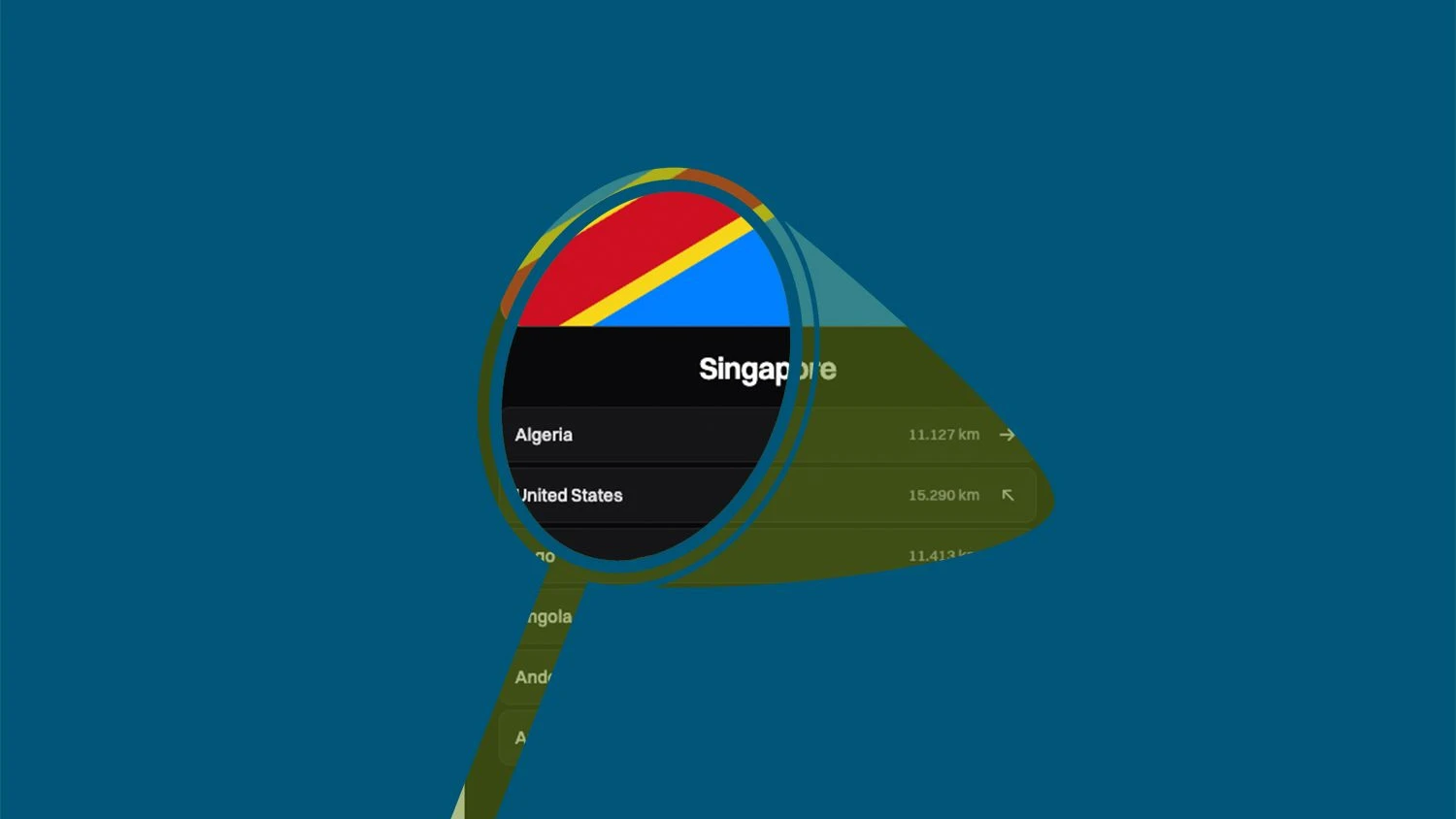
Netzrätsel: Flaggen raten Es gibt so gut wie nichts, was es nicht gibt im Netz der Netze: Geniales, Kurioses, Nostalgisches und liebevoll Zweckfreies. Diesmal: Finden Sie die richtige Flagge?
faz · about 4 hours ago
Sunday Number 158: US Puzzle
financial times · about 11 hours ago

Testaa, kuinka hyvä on lähimuistisi – Saatko täydet 7 pistettä?
iltalehti · about 13 hours ago

Smart Sudoku mittel 713a
der standard · about 14 hours ago
Smart Sudoku schwierig 713b
der standard · about 14 hours ago