 Friday, June 19Friday, June 19
5 days · 2 summary articles
Nabiullina returns as Russias central bank cuts key rate to 14.25
Russia's central bank chief vanishes amid economic crisis fears
Elvira Nabiullina, the head of Russia's central bank, has reappeared after a two-week absence that had sparked speculation about a possible shake-up within the country's political and economic elite. Nabiullina was a no-show at several high-profile events during her absence, fueling rumors about her future and the stability of Russia's financial leadership.
Upon her return, Nabiullina participated in a news conference, where she likely addressed the concerns surrounding her absence. The central bank's decision to cut the key interest rate to 14.25% was also announced, a move that was seen as cautious by analysts who had expected a larger cut. This decision comes amidst ongoing economic challenges in Russia, including inflation concerns and the impact of international sanctions.
The central bank's cautious approach to lowering the key rate reflects the delicate balance it is trying to strike between managing inflation and supporting economic growth. Despite pressure from President Vladimir Putin to lower interest rates, Nabiullina has warned about the risks of further inflationary pressures.
The reappearance of Nabiullina comes at a critical time for Russia's economy, which has been under significant strain due to international sanctions and the ongoing conflict in Ukraine. The absence of a key figure like Nabiullina had raised questions about the stability and direction of Russia's economic policy.
In addition to the central bank's rate cut, the market reaction was swift and severe. Shares in Gazprom, Russia's state energy company, plunged to their lowest level since 2008 following the announcement of the rate cut. This decline underscores the sensitivity of the market to changes in monetary policy and the broader economic uncertainties facing Russia.
Nabiullina's return and the central bank's decision to cut the key rate are likely to be closely watched by both domestic and international observers. The move signals a cautious approach to monetary policy, balancing the need to support economic growth with the risks of inflation.
The speculation surrounding Nabiullina's absence highlights the deep tensions within Russia's political and economic elite. As the country continues to navigate economic challenges and international pressures, the role of the central bank and its leadership will be crucial in shaping Russia's economic future.
Overall, Nabiullina's reappearance and the central bank's recent actions provide a snapshot of the complex economic and political landscape in Russia today. The cautious approach to monetary policy reflects the challenges and uncertainties facing the country as it seeks to manage inflation, support growth, and navigate the impact of international sanctions.
1 further source not geolocated

Pfarrer & Smart: Putins Losing Control Watch here: #Russia #Geopolitics
mastodon bot · about 2 hours ago

Gazprom shares plunge to 2008 levels after Central Bank of Russia cuts key rateDespite the fact that Russias central bank lowered its key interest rate from 14.5 to 14.25, shares in the Russian state energy company Gazprom have sharply declined to their lowest level since 2008. #ukraine
mastodon bot · about 2 hours ago

Russian Central Bank Slashes Key Rate to 14.25 The cut signals that policymakers remain cautious in lowering the key rate, as analysts had broadly expected a larger, 50-basis-point cut.
themoscowtimes · about 2 hours ago
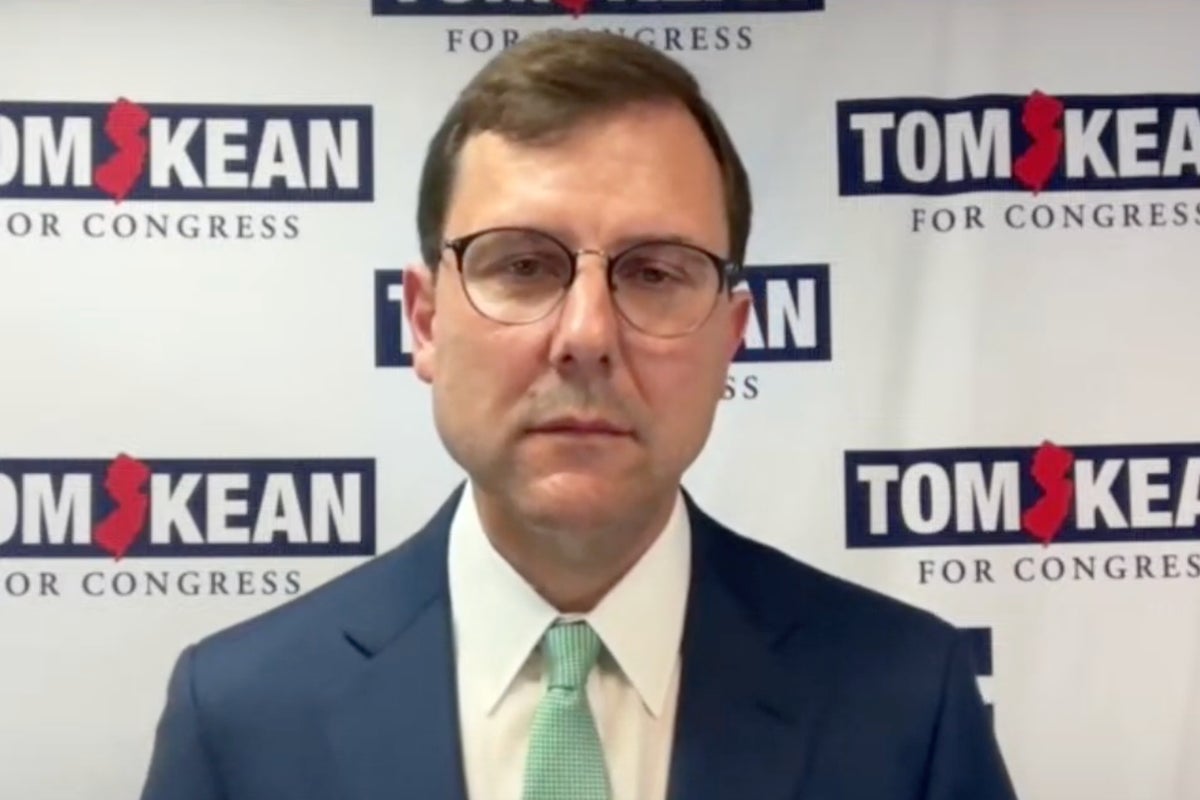
New Jersey lawmaker missing since March set to return to work this month – but he still hasnt revealed mystery illness The Republican representative ran unopposed in his June primary despite being missing from office for months
independent · about 2 hours ago
Russian central bank chiefs absence stirs succession talk Elvira Nabiullina was a no-show at several recent high-profile events, sparking speculation about a shake-up
financial times · about 2 hours ago
Privatbank: Bafin lässt komplette Geschäftsführung der Berenberg Bank abberufen Die Chefs der Privatbank dürfen ihre Funktionen ab sofort nicht mehr ausüben. Grund sind mögliche Verstöße gegen Corporate-Governance-Regeln. Jetzt führt ein alter Bekannter das Geschäft.
handelsblatt · about 2 hours ago
Банк России понизил ключевую ставку до 14,25
meduza · about 2 hours ago
Новые «иноагенты»: журналист Петр Рузавин и бывшая глава штаба Навального в Томске Ксения Фадеева
meduza · about 2 hours ago
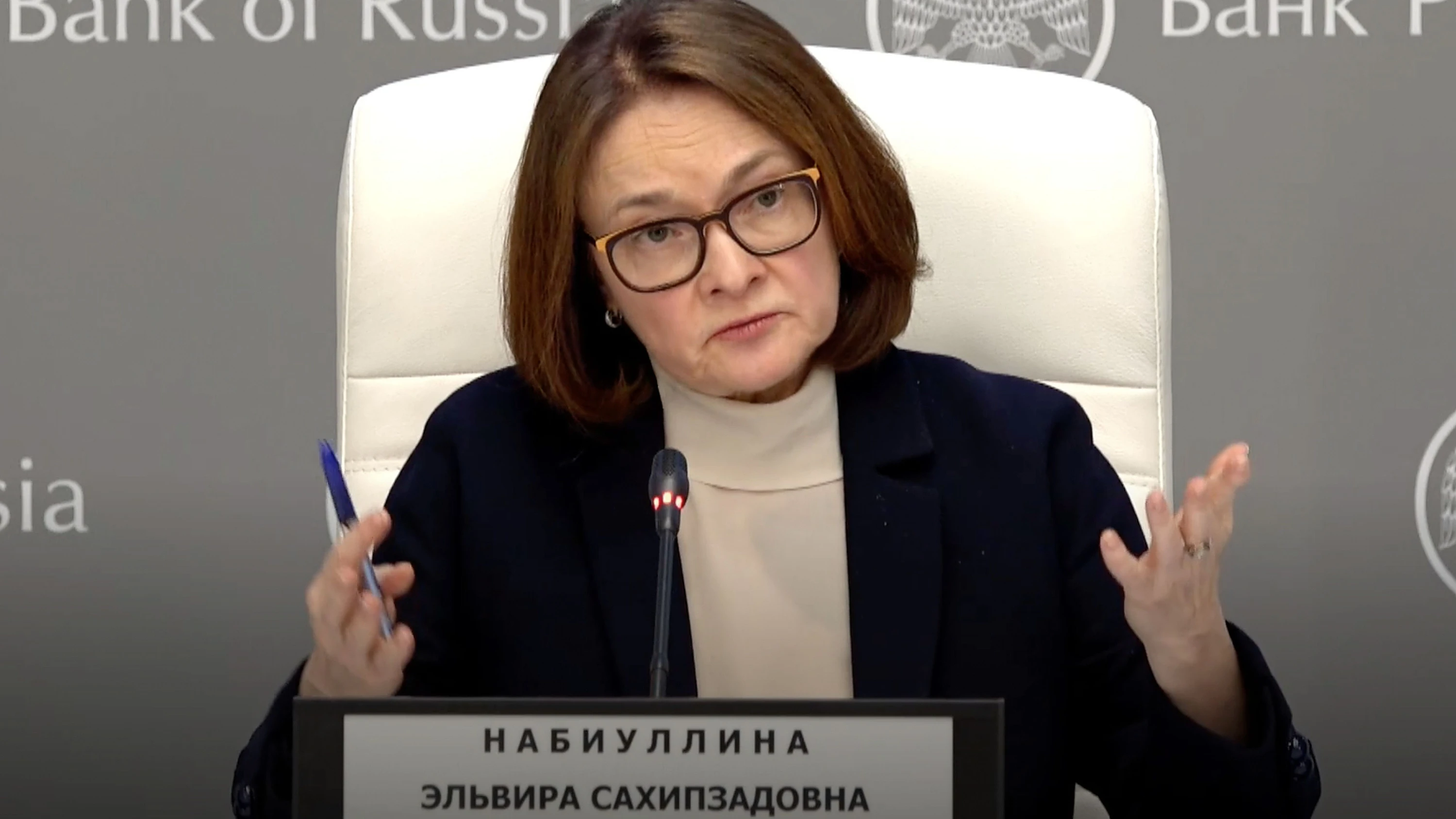
Leitzinsen gesenkt: Russlands Notenbankchefin nach Krankheit wieder zurück Russlands Zentralbank rückt den Leitzins nur behutsam nach unten. Trotz Putins Drängen warnt Chefin Nabiullina vor weiterem Inflationsdruck.
faz · about 2 hours ago
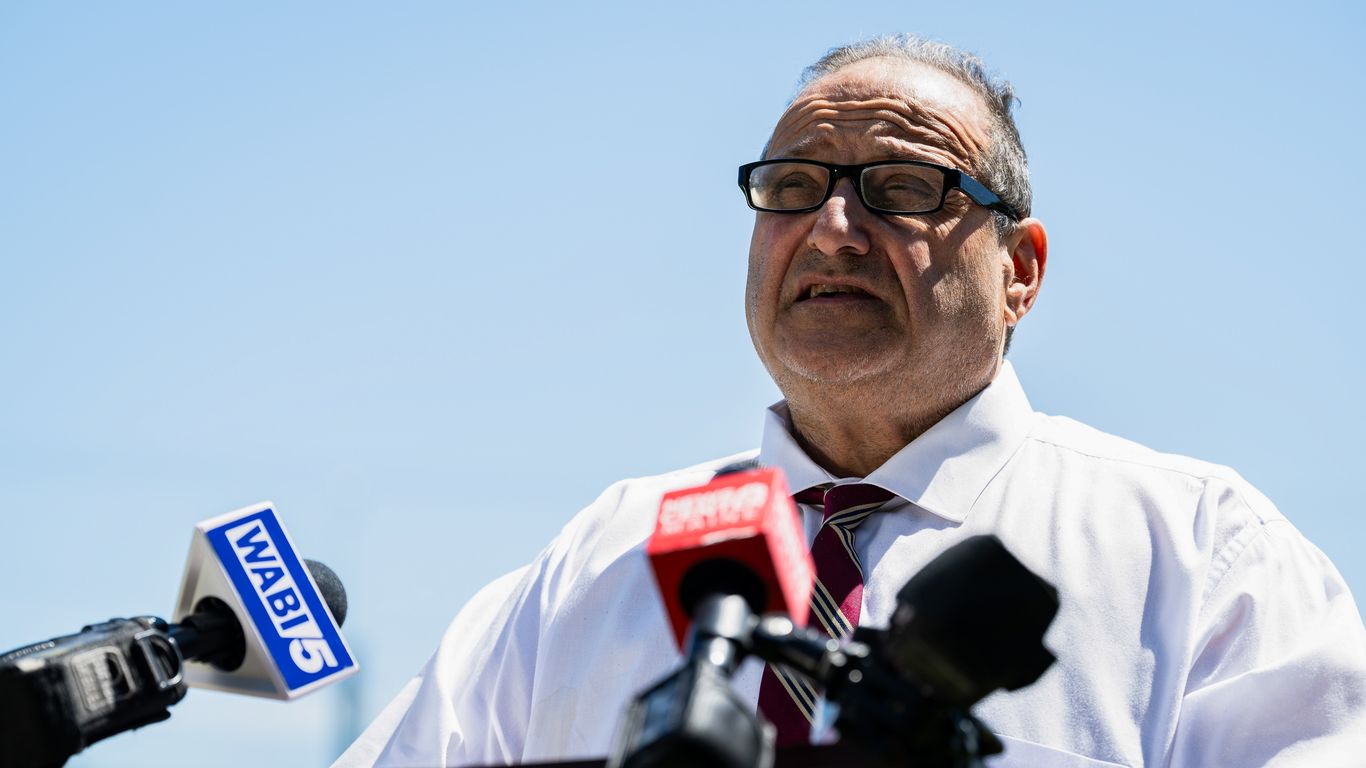
House Democrats suffer 2nd crushing primary loss as partys pick falls short in Maine House Democratic leaderships preferred candidate in Maines 2nd district, state Sen. Joe Baldacci, lost his primary to progressive rival Matt Dunlap, state election officials announced early Friday morning.Why it matters: This is the second time this month that a candidate backed by the Democratic Congressional Campaign Committee has fallen short in their primary.California State Assembly member Jasmeet Bains, the DCCC-backed candidate in Californias 22nd district, failed to make it to the general election, losing out to progressive Randy Villegas.The DCCC has sparked considerable tension among House Democrats by intervening in these races, with some lawmakers threatening to withhold their dues to the House Democratic campaign arm.Dunlap, Maines state auditor, defeated both Baldacci and former congressional staffer Jordan Wood in a ranked-choice primary.Catch up quick: Baldacci was one of several candidates in contested primaries who were added to the DCCCs coveted "Red to Blue" list last month.The program is generally meant to help Democratic candidates in open or Republican-held battleground seats defeat their GOP opponents.But party leadership determined that Baldacci and several other candidates in districts across the country had the best chance of flipping or holding their districts.Yes, but: The DCCCs investment was minuscule compared to how much they spent in other primaries in California, Texas and Pennsylvania.They ran a $7,500 joint ad buy with Baldacci, whose own campaign spent nearly $250,000 on ads, according to AdImpact.Outside group Real Change PAC, which has suspected ties to Republicans, spent $500,000 on ads attacking Baldacci.Whats next: Dunlap will face off with Republican former Gov. Paul LePage in the race to succeed Rep. Jared Golden (D-Maine).The district is seen as one of the GOPs top potential pickups in November, having gone for President Trump by nine percentage points in 2024.
axios · about 2 hours ago
Search continues for kidnapped Mexican journalist Roxana Guzman
aljazeera · about 2 hours ago

Back After Vanishing for 2 Weeks, Russian Banker Tries to Project Calm The central bank leader Elvira S. Nabiullina reappeared during a news conference after a gap that highlighted deep tensions in the countrys political and economic elite.
new york times · about 2 hours ago
A former Belarusian official who sided with the opposition vanished last year. A new investigation says FSB officers kidnapped him from a yacht in the Black Sea.
telegram bot · about 2 hours ago
Russia sentences historian Tamara Eidelman to eight years in prison in absentia for sharing negative information about the USSRs actions during WWII
telegram bot · about 2 hours ago