Loading…
 Saturday, August 29Saturday, August 29
3 months · 4 summary articles
Viktor Orbán re-elected Fidesz leader despite April election defeat, securing another one-year term on Saturday as 729 of 737 delegates voted to keep him at the helm of Hungary’s ruling party. The landslide endorsement came during the party’s 32nd congress in Budapest, where Orbán, who turned 63 two weeks ago, declared in defiant tones: “I will never surrender.”
The vote capped a dramatic reversal of fortune for Fidesz, which lost power for the first time in fourteen years in the 14 April parliamentary elections to the centre-right Tisza party. Orbán, who had served as prime minister from 2010 until stepping down in May, ran unopposed and accepted full responsibility for the defeat. “I take full responsibility for the April loss,” he told delegates, adding that the party must now “fundamentally renew” itself while keeping its core identity intact.
Despite the electoral setback, Orbán’s grip on Fidesz remains unchallenged. Dutch-language reports noted that 729 delegates voted in favour, with no votes against and no alternative candidates, underscoring the absence of internal dissent. German outlets highlighted Orbán’s pledge to hand more influence to a “younger generation” while retaining ultimate control, a balancing act he framed as renewal without rupture.
International observers see the re-election as a signal that Orbán intends to remain a central figure in Hungarian politics regardless of electoral outcomes. The Kyiv Independent noted that the vote “secured another one-year term despite the party’s defeat in April’s elections,” while Greek media emphasised Orbán’s defiant mantra—“I will never give up”—as a message to both domestic critics and European partners.
Analysts suggest the party’s next moves will focus on consolidating its opposition role while preparing for the 2026 municipal elections and positioning for a potential return to national power. Orbán’s insistence on renewal, coupled with his refusal to step aside, indicates that Fidesz will continue to operate as a vehicle for his political vision, even as younger cadres are groomed for greater visibility. The congress’s outcome leaves little doubt: Orbán remains the undisputed leader of Hungary’s largest opposition force, determined to shape its future direction from the top.
Follow us for live European news
1 further source not geolocated

Voormalig premier Hongarije Viktor Orbán blijft partijleider van Fidesz De voormalige Hongaarse premier Viktor Orbán blijft pndanks de verkiezingsnederlaag bij de parlementsverkiezingen in april partijleider van Fidesz. Op een partijcongres van de rechts-nationalistische partij stemden vrijwel alle afgevaardigden voor zijn herbenoeming. Er waren geen tegenkandidaten.
nu.nl · 3 months ago
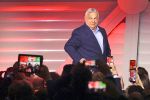
Orbán bleibt Fidesz-Chef und will Partei grundlegend erneuern Auf einem Parteitag stimmten 729 Delegierte für, keiner gegen ihn. Laut dem früheren Premier soll die "jüngere Generation" die Führung der Partei übernehmen
der standard · 3 months ago
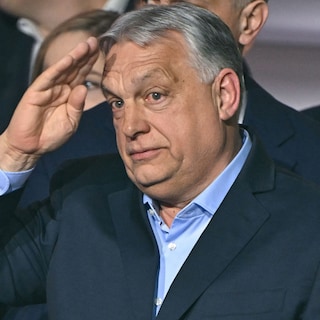
Orbán blijft partijleider Fidesz ondanks verkiezingsnederlaag
trouw · 3 months ago

⚡️Orban secures new term as Fidesz party leader despite election defeat. Viktor Orban was re-elected leader of Hungarys Fidesz party on June 13, securing another one-year term despite the partys defeat in Aprils elections.
bluesky bot · 3 months ago
Hongrie: Viktor Orban réélu à la tête du Fidesz malgré sa défaite aux législatives Après sa défaite cuisante aux élections davril, le Fidesz, le parti de lancien premier ministre Viktor Orban, tenait son 32ᵉ congrès samedi 13 juin à Budapest. Ce devait être le congrès du renouveau : mais le nouveau ressemble beaucoup à lancien. Même si la direction du parti a été renouvelée, Viktor Orban a été réélu président. « Je ne rendrai jamais les armes ! » a déclaré le politicien qui a fêté ses 63 ans il y a 2 semaines. Sur les 737 délégués du parti, 729 ont réélu leur chef bien-aimé.
rfi.fr · 3 months ago
Orban bleibt Fidesz - Chef – und will die Partei grundlegend erneuern
gdelt bot · 3 months ago
Orbán Viktor túszul ejtette a Fideszt A bukott miniszterelnököt újra elnökké választották, és saját kedvére alakíthatja át a pártot. Jövőre ismét fiatalítást ígért, de addig sok víz lefolyik a Tiszán.
444.hu · 3 months ago
Slovensko-maďarské vztahy jsou tak špatné, že se už mohou jen zlepšovat, říká hungarista Blažek V Budapešti byl v sobotu sjezd Maďarské občanské unie, zkráceně Fidesz. Viktor Orbán dal sice svou funkci ve vedení strany k dispozici, na sjezdu byl ale opět zvolen většinou z delegátů. V dubnových předčasných parlamentních volbách, které s přehledem vyhrála strana Respektu a svobody (TISZA), přitom utrpěl drtivou porážku. Jak chce Fidesz změnit? Téma přibližuje hungarista Jan Blažek.
irozhlas.cz · 3 months ago
Hungarys former PM Orban re-elected party leader despite election loss Viktor Orban, who ran unopposed, said he took full responsibility for his pro-Russian Fidesz partys defeat in April.
aljazeera · 3 months ago

Viktor Orbán reeleito presidente do Fidesz Viktor Orbán, primeiro-ministro da Hungria de 2010 até maio passado, foi reeleito presidente do Fidesz, no primeiro congresso do partido desde a sua derrota nas eleições parlamentares.
observador · 3 months ago
KOGNITÍV megújulás és DISSZONANCIA a Fidesz kongresszusán A vereség óta jóval készségesebben nyilatkoznak a fideszesek, mint korábban. Megpróbáltuk megtudni, mi van az Orbán-korszakon túl.
444.hu · 3 months ago
Viktor Orban a fost reales în fruntea partidului Fidesz, în ciuda înfrângerii la alegerile parlamentare: „Niciodată nu renunț Principalul partid de opoziție din Ungaria, Fidesz, l-a reales sâmbătă pe fostul prim-ministru Viktor Orban în funcția de lider pentru încă un an, în ciuda faptului că partidul a pierdut puterea în urma alegerilor din 12 aprilie în favoarea formațiunii de centru-dreapta Tisza, relatează Reuters.
digi24 · 3 months ago
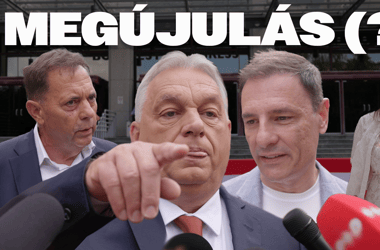
„Ellenzékből könnyebb kommunikálni, el tudjuk mondani, amit az emberek kívánnak – videóriport a Fidesz tisztújító kongresszusáról A Fidesz 32. tisztújító kongresszusát tartotta szombaton a Kongresszusi Központban. Magyar Péter miniszterelnök az esemény előtt bizonyítékokat mutatott arról, hogy az Orbán-kormány menekülttábort akart létrehozni. A kongresszusra érkezőket arról kérdeztük, hogyan képzelik el a párt megújulását, Orbán Viktort pedig arról, tart-e a belső kritikáktól Magyar bejelentését követően. Az is kiderült, Orbán Viktor nem be akarta csapni az EU-t, csak „kitaktikázni, a miniszterelnök szerint viszont belehazudtak a magyar emberek szemébe.
hvg.hu · 3 months ago