Loading…
 Saturday, September 26Saturday, September 26
3 months · 4 summary articles
Pope Leo XIV, the first American-born pontiff, marked the 250th anniversary of U.S. independence on Saturday by kneeling in silent prayer at Lampedusa’s cemetery of the nameless, where he laid white flowers at graves marked with crosses fashioned from sunken migrant boats. The symbolic visit to the Italian island, a gateway for thousands of migrants risking deadly Mediterranean crossings, underscored the pontiff’s unyielding critique of hardline migration policies in both Europe and the United States, while urging leaders to adopt humane and forward-looking solutions.
Speaking to migrants, Italian Coast Guard rescuers, and aid workers gathered on the rocky shoreline, Pope Leo declared that those who perished at sea were “victims of choices made and unmade,” a pointed reference to both the policies that drive displacement and the failures to address its root causes. “The dignity of every human person demands that we receive immigrants with compassion and generosity,” he said, echoing a message delivered in a prerecorded video address to Americans on Friday, where he praised the nation’s tradition of welcoming newcomers while implicitly rebuking President Donald Trump’s administration.
The visit to Lampedusa, a tiny island closer to Tunisia than mainland Italy, was deliberately timed to coincide with July 4, a day of celebration in the U.S. but one the pope chose to spend in solidarity with migrants. His predecessor, Pope Francis, made the same pilgrimage in 2013, the first trip of his papacy, cementing Lampedusa’s status as a symbol of Europe’s migration crisis. Pope Leo’s arrival echoed that legacy: he began at the Cala Pisani cemetery, where he blessed a memorial plaque renaming the Favaloro pier after Francis, and proceeded to the “Door of Europe” monument, a stark reminder of the thousands who have died or disappeared attempting the perilous crossing.
In a homily delivered during Mass, the pope called on Europe to address migration “in a comprehensive manner,” integrating immediate humanitarian aid into a long-term strategy that prioritizes reception, protection, support, and integration. He also pressed European governments to invest in the countries migrants flee, arguing that poverty, insecurity, and conflict should not force people to abandon their homes. “Europe is capable of addressing this crisis with compassion and planning,” he said, a direct challenge to the continent’s increasingly restrictive border policies.
The timing of the visit carried particular weight, coming just weeks after the European Union adopted new migration measures that critics argue prioritize deterrence over solidarity. Pope Leo’s presence on Lampedusa—where more than 14,000 migrants have arrived by sea this year, with over half landing on the island—sent a clear message to Brussels and Washington alike. “To receive immigrants with compassion is not only an act of charity, but a recognition of the dignity that belongs to every human person,” he told the U.S. in his Independence Day message, a thinly veiled rebuke to Trump’s immigration crackdown.
Among those gathered were newly arrived migrants, including Kandeh Abdourahman, who reached Lampedusa in 2015 after crossing five African countries, the Sahara Desert, and the Mediterranean. “The pope’s visit speaks to every one of us,” he told Reuters, reflecting the emotional resonance of the pontiff’s gesture. Italian authorities reported that over 1,400 people have died or gone missing in the Mediterranean this year alone, a toll that Pope Leo described as a moral failure of both action and inaction.
The visit also carried geopolitical symbolism, as Pope Leo declined an invitation to Washington’s July 4 celebrations in favor of Lampedusa, a deliberate choice to highlight the human cost of migration over nationalist rhetoric. His words—delivered from a frontline of Europe’s migration debate—served as a stark counterpoint to the day’s festivities, a reminder that the ideals of freedom and prosperity enshrined in the U.S. Declaration of Independence remain unfinished for those fleeing war and poverty.
Follow us for live European news
4 further sources not geolocated

Leão XIV homenageia em Lampedusa migrantes mortos Na saudação às autoridades locais, o Papa afirmou que esta homenagem "é sinal do vínculo" que o seu antecessor estabeleceu com a comunidade local "e com os irmãos e irmãs migrantes"
observador · 3 months ago

A Lampedusa, le pape Léon XIV exhorte lEurope à agir davantage pour protéger les migrants Sur lîle italienne devenue le symbole du drame des traversées mortelles de la Méditerranée, le pontife en a appelé à une UE «capable daccueillir, de protéger et dintégrer les migrants», quelques semaines après ladoption de nouvelles mesures migratoires.
liberation · 3 months ago
The Inhumane Treatment of Migrants: The Long Durée of Colonial Violence in the UK and Europe
gdeltproject.org · 3 months ago
Noah, Peter Pan and the Sleeping Beauty: Europe – Identity Imagined
gdeltproject.org · 3 months ago
Refugee Children Missing in Europe- Modern Day Slavery
gdeltproject.org · 3 months ago
Pope Leo calls on U.S. to protect immigrants in message marking Americas 250th birthday
gdeltproject.org · 3 months ago
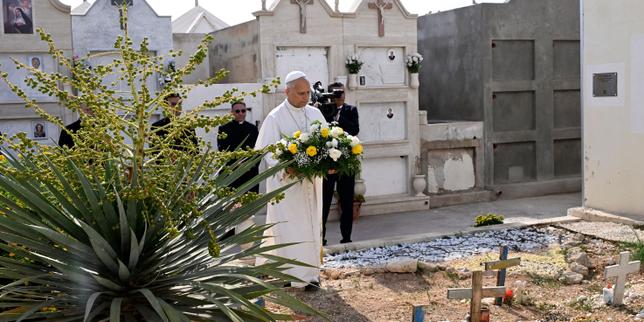
A Lampedusa, le pape Léon XIV rend hommage aux migrants morts dans la Méditerranée et appelle lEurope à « aborder la crise de manière organique » Le pontife américain suit les traces de son prédécesseur, François, qui avait choisi cette petite île devenue le symbole du drame des migrants morts en tentant de traverser la mer Méditerranée, pour son premier déplacement, en 2013.
le monde · 3 months ago
Popes message to US on Independence Day: accept immigrants – Shafaqna English | International Shia News & Fatwas
gdeltproject.org · 3 months ago
Pope Leo urges US to welcome immigrants in July 4 appeal from Lampedusa
gdeltproject.org · 3 months ago

El Papa se arrodilla en Lampedusa ante la tragedia de los migrantes El Pontífice afirma que los muertos en el Mediterráneo son víctimas tanto de las decisiones tomadas como de las que nunca se tomaron
la vanguardia · 3 months ago
Papst betet am „Friedhof der Namenlosen auf Lampedusa Papst Leo XIV. hat auf Lampedusa der im Mittelmeer gestorbenen Migranten gedacht. Später traf er Migranten und rief zu mehr Solidarität auf.
die presse · 3 months ago
À Lampedusa, le pape Léon XIV exhorte lEurope à agir davantage pour protéger les migrants Au moment où lEurope durcit sa politique migratoire, le pape Léon XIV a exhorté samedi 4 juillet à agir davantage pour protéger les migrants lors dune visite sur la petite île italienne de Lampedusa, devenue le symbole du drame des traversées mortelles de la Méditerranée.
rfi.fr · 3 months ago
Pope Leo marks July 4 by praying for migrants
gdeltproject.org · 3 months ago
Papa Leon XIV, apel către Europa să facă mai mult pentru migranți, de pe insula devenită simbol al tragediilor din Marea Mediterană Într-o predică rostită sâmbătă în insula italiană Lampedusa, papa Leon a cerut Europei să facă mai mult pentru protecţia migranţilor,, informează AFP, preluată de Agerpres. Suveranul pontif a călcat pe urmele predecesorului său Francisc, care a făcut în 2013 prima deplasare în afara Vaticanului în aceeaşi insulă de numai 20 de km pătraţi dintre Tunisia …
hotnews.ro · 3 months ago
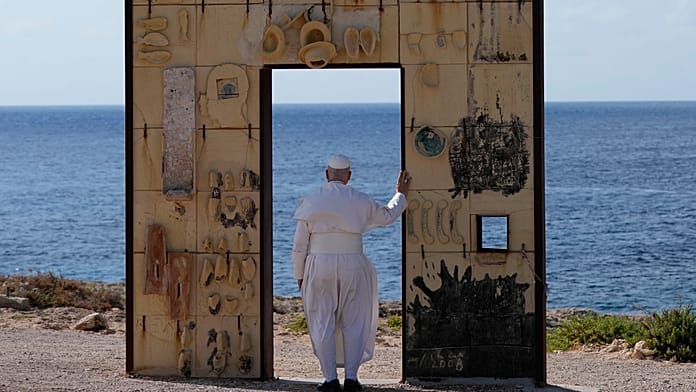
Pope makes historic visit to Lampedusa, warns Europe: Deaths at sea are failures to act Pope Francis has visited the island that symbolises the migrant crisis. Greeted by thousands, he stressed Europes duty to act and urged the faithful not to ignore the suffering of those forced to leave their homeland.
euronews · 3 months ago

Pope Leo marks US anniversary with migrant appeal on Lampedusa reut.rs/4eZTy7R
bluesky_Reuters · 3 months ago
Pope Leos poignant visit to Gate of Europe (images)
gdeltproject.org · 3 months ago
Pope Leo urges migrant protection, integration on visit to Lampedusa Pontiff urges people in Europe and US to welcome and assist migrants during symbolic trip to Italys frontier island.
aljazeera · 3 months ago
Pope Leos visits to Lampedusa on July 4 symbolic Pope Leo XIV, who has sparred with the Trump administration over its immigration crackdown, spent the Fourth of July on Saturday in the epicenter of Europes migration debate to honor the tens of thousands of people who have died trying to reach Europe to find freedom and prosperity. While the United States marks the 250th anniversary of the Declaration of Independence with rallies, parties and fireworks, historys first US-born pope traveled to the Sicilian island of Lampedusa to pray at a migrant cemetery and celebrate a solemn Mass for the islands newest arrivals. FRANCE 24s Seema Gupta reports.
france24 · 3 months ago
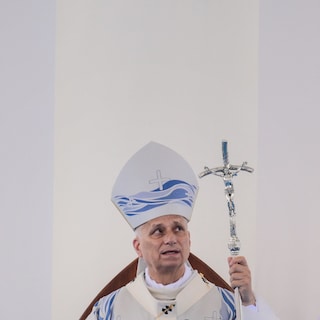
Paus Leo bezoekt Lampedusa in plaats van Trump en vraagt aandacht voor het lot van vluchtelingen
de morgen · 3 months ago
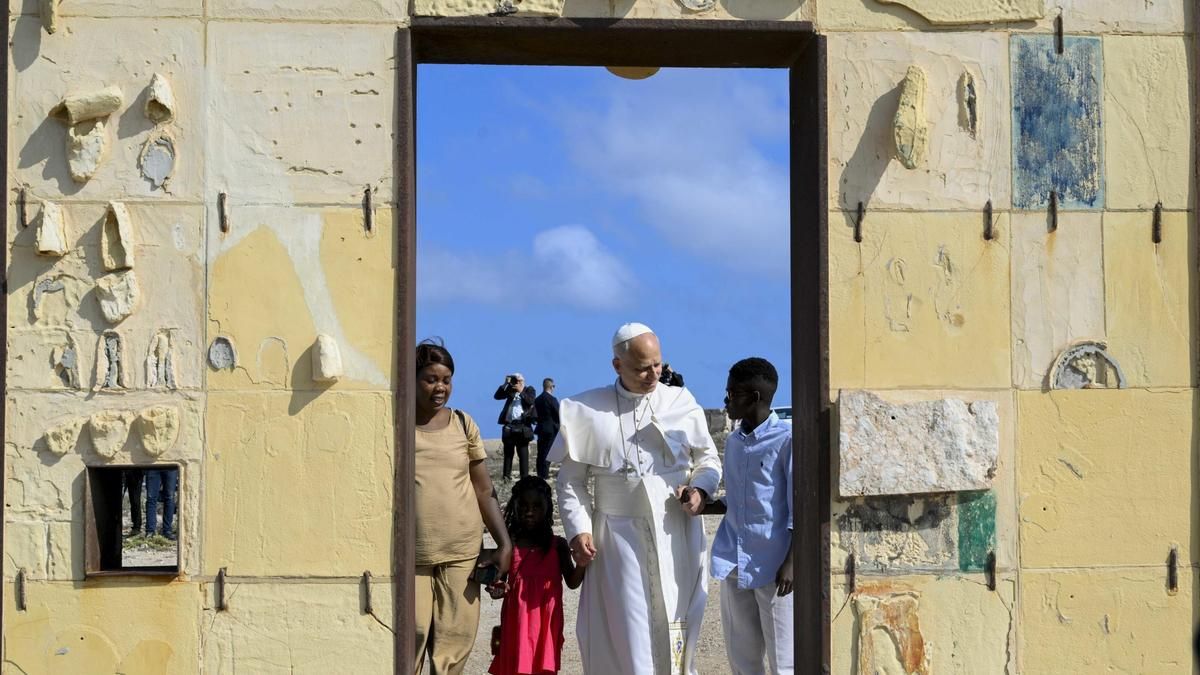
El Papa elogia el pasado migrante de EEUU en un dardo directo contra el discurso de Trump León XIV insta a los estadounidenses a estar a la altura de los ideales de la Declaración de Independencia en un discurso desde Lampedusa dirigido a Estados Unidos por la celebración de su 250 aniversarioEl Papa lanza un mensaje a Trump con una visita migratoria a Lampedusa en el 250 cumpleaños de EEUU El papa León XIV ha aprovechado este sábado su primer discurso importante dirigido a su país natal para elogiar la historia de Estados Unidos en la acogida de migrantes. Coincidiendo con el 250 aniversario de la celebración del 4 de julio, ha instado a los estadounidenses a estar a la altura de los ideales proclamados en la Declaración de Independencia. En su más reciente crítica implícita a Donald Trump, el líder de la Iglesia Católica ha dicho que la palabra Estados Unidos se ha convertido en sinónimo de libertad en todo el mundo gracias a la forma en que el país ha acogido a los migrantes. En un discurso transmitido en directo en el Centro Nacional de la Constitución en Filadelfia desde el Vaticano, León XIV ha expresado su esperanza de que los ideales de unidad, justicia y paz de los padres fundadores guíen a Estados Unidos en la celebración de su 250 aniversario. Este aniversario histórico nos brinda la oportunidad de reflexionar una vez más sobre los principios fundacionales de la nación, con la esperanza de que Estados Unidos permanezca siempre fiel al sueño que le ha valido el título de tierra de la libertad y hogar de los valientes, ha dicho el Papa, que conmemora esta festividad con una breve visita a la isla de Lampedusa, en el sur de Italia, uno de los principales puntos de entrada a Europa para quienes realizan la peligrosa travesía marítima desde el norte de África en busca de refugio. Un mensaje contra el odio y la polarización Migrantes recién llegados, oficiales de búsqueda y rescate de la guardia costera italiana y organizaciones humanitarias se han congregado cerca del puerto más meridional de Italia para recibir al Papa, quien también ha instado a los líderes europeos a abordar la migración de manera integral, integrando las ayudas inmediatas en un plan estratégico a largo plazo capaz de acoger, proteger, apoyar e integrar a los migrantes. Asimismo, ha pedido a los líderes que contribuyeran a mejorar las condiciones en los países de origen de los migrantes para que menos personas se vean obligadas a marcharse. Trabajadores colocan una fotografía gigante antes de la visita del papa León XIV a Lampedusa, Italia, el 3 de julio de 2026. Al igual que Francisco, León XIV ha tenido discrepancias con Trump por sus políticas migratorias, y en noviembre pidió a Estados Unidos una profunda reflexión sobre el trato a las personas detenidas. Las relaciones con la administración Trump empeoraron aún más después de que el pontífice condenara enérgicamente la guerra de Estados Unidos e Israel contra Irán. Días antes del viaje de León XIV a Lampedusa, el vicepresidente de Estados Unidos, J.D. Vance, afirmó que la postura del Vaticano sobre inmigración es preocupante. León XIII aún no ha aceptado la invitación de Trump a la Casa Blanca, ofrecida por Vance durante una reunión en el Vaticano en mayo del año pasado. Estados Unidos no figura en la agenda internacional del Papa para 2026, aunque –según varias informaciones– algunos miembros de la administración Trump esperaban que asistiera a las celebraciones del 4 de julio. El viaje de León XIII a Lampedusa es un contundente mensaje político contra todos los partidos en Europa que siembran el odio y polarizan Marco Politi — Escritor y periodista vaticano Según el escritor y periodista vaticano Marco Politi: El viaje de León XIV a Lampedusa es profundamente simbólico y también es una señal política. Se centra en el tema de la inmigración. Esto significa reafirmar lo que dijo recientemente en España sobre la dignidad de todo ser humano, pero el viaje también es un mensaje político contra la persecución de inmigrantes y las acciones de los agentes del ICE en Estados Unidos. Además, es un contundente mensaje político contra todos los partidos en Europa que siembran el odio y polarizan, añade. Nos recuerda que nuestras historias son escuchadas La corresponsal en el Vaticano para la cadena holandesa NOS, afirma que el viaje de León XIV tiene como objetivo, en parte, rendir homenaje a Francisco, pero también enviar un mensaje a Trump. El Papa le está diciendo a Trump lo que es importante para él: los migrantes. Eligió el 4 de julio para dejarlo claro. Lampedusa, con aproximadamente 6.000 habitantes y ubicada más cerca de Túnez que de la Italia continental, ha sido durante décadas el primer puerto de escala para quienes cruzan el Mediterráneo en embarcaciones precarias desde el norte de África. Más de 182.000 personas han transitado por el centro de acogida de la isla en los últimos tres años, según ha informado esta semana Vatican News, citando datos de la Cruz Roja Italiana. Desde 2014, la Organización Internacional para las Migraciones (OIM) ha registrado decenas de miles de muertes de personas que partieron de Túnez o Libia. A pesar de una drástica disminución en los últimos años de las llegadas a las costas del sur de Italia, las muertes persisten. Entre enero y principios de abril, la OIM informó de casi 1000 personas fallecidas o desaparecidas en el Mediterráneo. El Papa le está diciendo a Trump lo que es importante para él: los migrantes. Eligió el 4 de julio para dejarlo claro Andrea Vreede — Corresponsal en el Vaticano para la cadena holandesa NOS El mediador cultural Kandeh Abdourahman, que trabaja en la isla para el Comité Internacional de Rescate, ha declarado: Fui uno de los miles de que cruzaron el Mediterráneo y llegaron a Lampedusa en 2015, exhausto e inseguro. La visita del Papa nos interpela a todos: nos recuerda que nuestras historias son escuchadas, que bienvenidos no es solo una palabra, sino un acto de humanidad que puede ayudarnos a llegar a los 118 millones de personas desplazadas en el mundo hoy en día. León XIV ha celebrado una misa y ha hablado con los supervivientes de la travesía, así como con trabajadores humanitarios en Lampedusa.
eldiario.es · 3 months ago
250. Geburtstag der USA: Papst Leo XIV. besucht Lampedusa In den Vereinigten Staaten wird pompös der 250. Unabhängigkeitstag gefeiert. Der erste US-Papst trifft derweil Geflüchtete auf Lampedusa. Eine Botschaft an Donald Trump? mehr...
taz.de · 3 months ago
Em Lampedusa, Leão XIV pede aos EUA e à Europa mais apoio aos migrantes No dia do 250.º aniversário da independência dos EUA, o Papa norte-americano visitou a ilha do Mediterrâneo que é porta de entrada na Europa para milhares de migrantes.
publico · 3 months ago
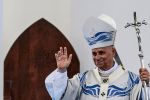
Nach Lampedusa statt nach Washington: Leo XIV. setzt ein Zeichen der Solidarität mit Flüchtlingen Dreizehn Jahre nach seinem Vorgänger Franziskus hat auch Papst Leo XIV. die Insel besucht. Eigentlich wäre der erste US-Papst von Donald Trump zur Feier des 250. Jahrestags der Unabhängigkeit eingeladen gewesen.
der standard · 3 months ago
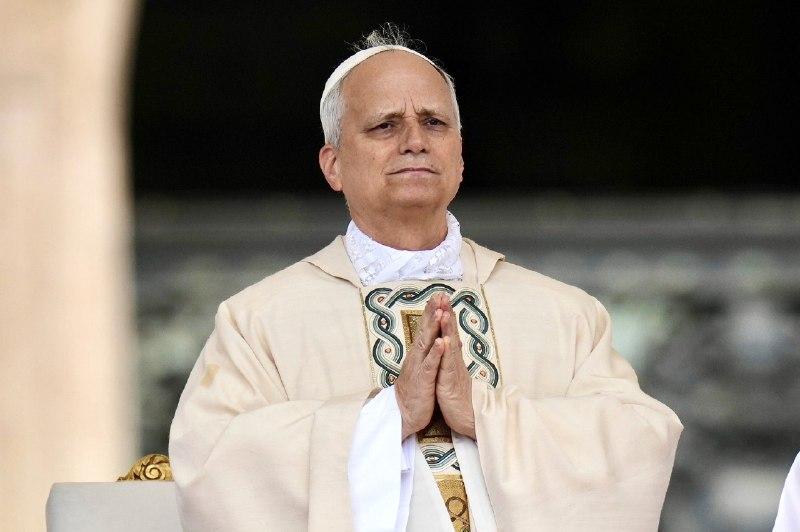
JUST IN: Pope Leo XIV calls for #Europe to increase efforts to protect and integrate migrants.
mastodon bot · 3 months ago

From the migrant graves of Lampedusa, Pope Leo sends a message to Trump
bluesky_The Times · 3 months ago
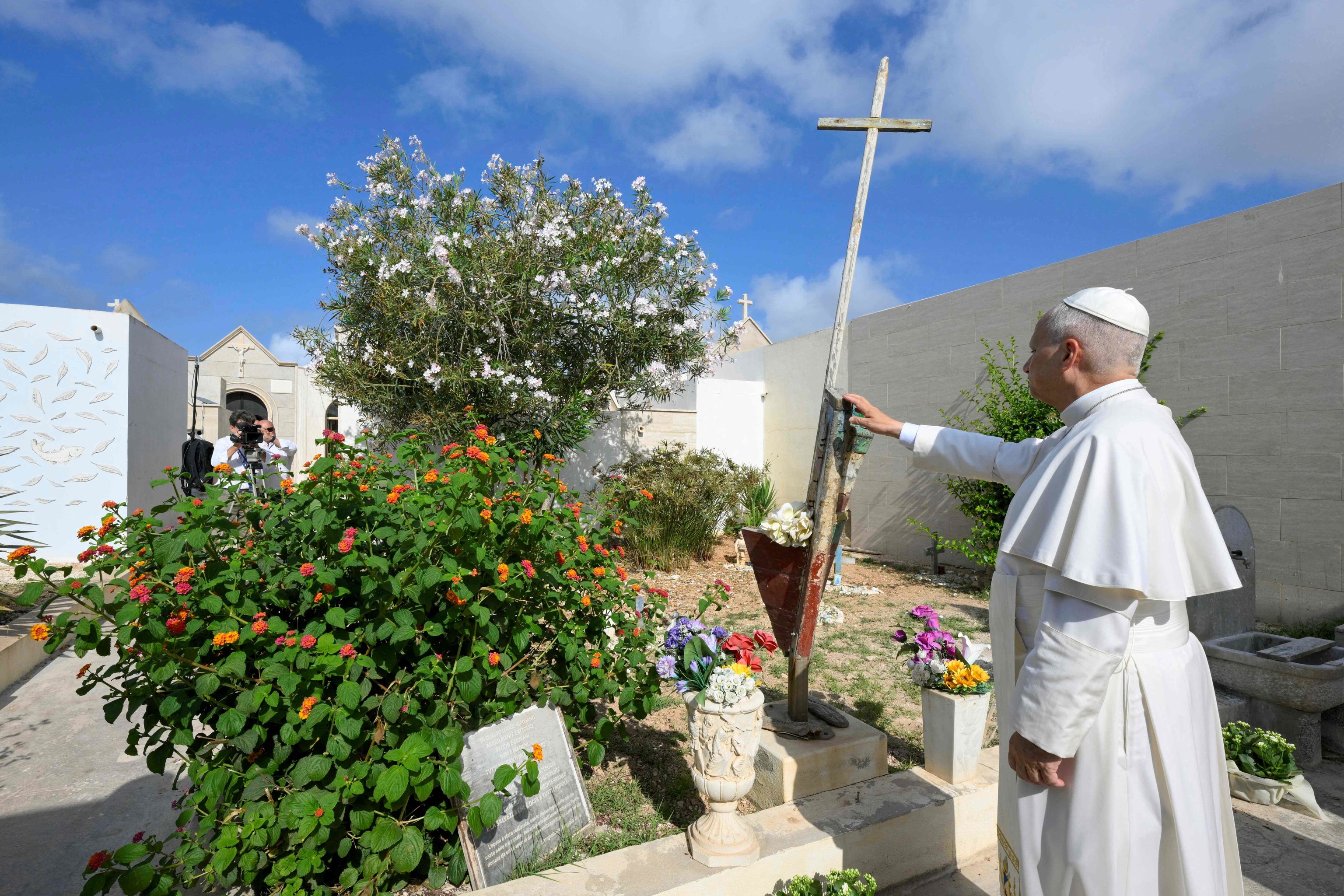
El Papa en Lampedusa: "Europa es responsable de los migrantes" Desde la principal puerta de entrada de la migración africana hacia Europa, León XIV ha advertido de que los muertos en este mar «son víctimas de decisiones tomadas o de decisiones omitidas» Leer
elmundo · 3 months ago
Pope Leo XIV: Migrants lost at sea are victims of choices made and unmade
gdeltproject.org · 3 months ago
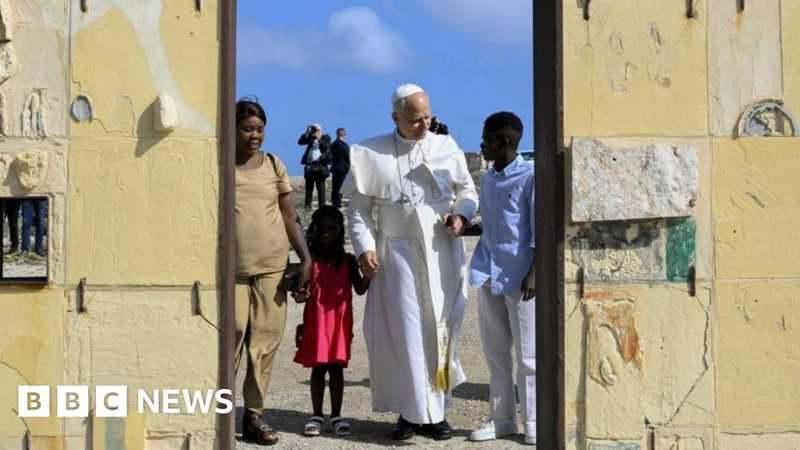
Pope urges Europe to do more for migrants while visiting gateway islandThe pontiff pays tribute to migrants who lost their lives at sea at a cemetery on the Italian island of Lampedusa. #News #Europe #Lampedusa #theMediterraneanSea
mastodon bot · 3 months ago
Papa Leone attraversa la Porta dEuropa a Lampedusa e scende da solo sulla scogliera. La papalina vola via Seconda simbolica sosta dopo il cimitero per papa Leone a Lampedusa: Prevost si è recato alla Porta dEuropa, monumento in ceramica e ferro, simbolo di ingresso dei migranti nel Vecchio continente. Qui il Papa ha salutato proprio una famiglia di migranti, ma soprattutto in modo altamente simbolico ha attraversato la porta, poggiando la mano sulla […] Larticolo Papa Leone attraversa la Porta dEuropa a Lampedusa e scende da solo sulla scogliera. La papalina vola via proviene da Il Fatto Quotidiano.
il fatto quotidiano · 3 months ago