 Thursday, May 21Thursday, May 21
Norway is reinforcing its role as a key energy supplier to Europe by expanding oil and gas production to address supply shortfalls caused by conflicts in Ukraine and the Middle East. Norwegian Energy Minister Terje Aasland announced the reopening of three gas fields off the southern coast by the end of 2028, nearly three decades after their closure, emphasizing Norway’s commitment to maintaining and increasing production rather than scaling it back. This move aligns with Norway’s broader strategy to ensure Europe’s energy security amid geopolitical disruptions .
The Northern Sea Route is emerging as a strategic opportunity for Norway, with discussions highlighting its potential to enhance trade and energy logistics in the Arctic. This route could diversify Europe’s energy supply chains and reduce reliance on traditional, conflict-prone transit corridors .
Meanwhile, the EU is exploring alternative Middle East energy infrastructure to bypass high-risk areas like the Strait of Hormuz, reflecting broader efforts to secure stable energy supplies for Europe. These initiatives underscore the continent’s focus on innovation and diversification in energy security strategies .
In the realm of energy technology, Norway’s hydrocarbon expansion contrasts with global trends toward renewable innovation. However, Europe’s broader energy transition remains a priority, with discussions at the World Economic Forum emphasizing the need for technological advancements to balance security and sustainability . Germany’s lag in breakthrough innovation, particularly in energy-related technologies, poses challenges to its long-term competitiveness in the sector .
> Background: [**Europe Balances Energy Security and Green Transition Amid Global Shifts
Alternative options if preferred

Geopolitics of Technology and the Hydrocarbon Status Quo
gdeltproject.org · 11 days ago
After 14 Profit Drop, Volkswagen Looks to China for New Growth Opportunities in Europe
gdeltproject.org · 12 days ago
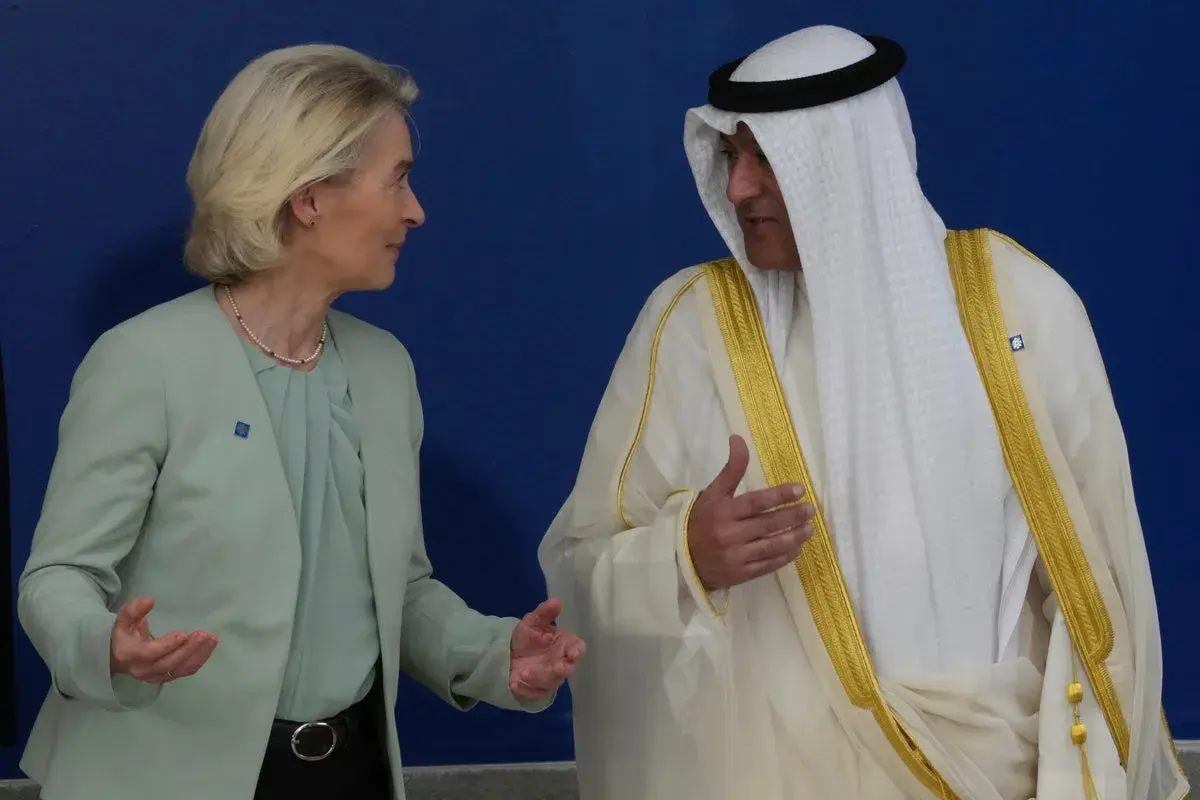
EU officials explore funding alternative Middle East energy routes to bypass conflict zones like the Strait of Hormuz. #Energy #MiddleEast
mastodon bot · 12 days ago

Ecologists: Germany has used up its natural resources for 2026
news.yahoo.com · 12 days ago
Energy tech through the lens of the World Economic Forum
gdeltproject.org · 12 days ago
Northern Sea Route: future business for Norway
gdeltproject.org · 12 days ago
Hyundai Introduces IONIQ 3: Aero Hatch Elevates EV Technology for Simple, Spacious , Intuitive Mobility – THISDAYLIVE
gdeltproject.org · 12 days ago
Norwegian Foreign Minister Warns against Intolerance in Society
gdeltproject.org · 12 days ago
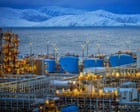
We are talking about energy security for Europe: Norway doubles down on oil and gas production Norways energy minister says country has a responsibility to address shortfalls caused by wars in Ukraine and Middle EastIn case of any doubt about Norways commitment to maintain – and expand – its production of gas and oil offshore, the energy minister, Terje Aasland, has a pithy response: We will develop, not dismantle, activity on our continental shelf.This week, to the alarm of environmental campaigners, he announced that three gasfields off the countrys southern coast would reopen by the end of 2028 – nearly three decades after they closed – to meet a shortfall caused by the impact of the war in Ukraine and disruption to supplies from the Middle East. Continue reading...
theguardian · 12 days ago
Copper nation - Indonesia races to become an EV supply chain powerhouse Indonesias ability to scale its copper output and refining capacity places it at the centre of the Green Cold War, allowing it to navigate between major powers by offering a high-capacity alternative to more volatile mining jurisdictions.
intellinews · 12 days ago

Fuel shortages and high prices push adoption of EVs in Africa, led by Ethiopia
news.yahoo.com · 12 days ago
Philippa Sigl-Glöckner, economist: Germany lacks breakthrough innovation According to the German budgetary policy specialist, the industrial model that has prevailed in Germany since 1945 does not sufficiently focus on cutting-edge technologies and is more threatened by Chinese competition than ever.
le monde · 12 days ago