
Dutch report finds one in four adults with severe mental illness fall through care gaps

An estimated 62,500 adults in the Netherlands with serious mental illnesses are not receiving care and remain off the radar of mental healthcare services, according to a report published Wednesday by the Dutch Mental Health Association (GGZ). The report, titled *Blijvend dichtbij* (“Staying close”), found that one in four people with severe mental health conditions fall through the cracks, particularly during transitions such as discharge from clinics, relocation, or the end of a prison sentence.
Ruth Peetboom, chair of the GGZ, said these gaps often occur because responsibility for the individual is unclear. “A discharge from a clinic, a move, or the end of detention should not become the moment when someone loses their support. A psychological vulnerability does not disappear when a treatment plan or sentence ends,” Peetboom said. The report recommends expanding assertive outreach care in all municipalities to identify those avoiding treatment, increasing housing for people with mental health issues, and clarifying accountability during transitions.
The findings align with an earlier report this year by the Dutch Safety Board (OVV), which also noted that a significant proportion of adults with serious mental health problems receive no or insufficient care. The GGZ report cited housing shortages and fragmented support systems as key contributors to the problem, increasing the risk of relapse or homelessness.
In a separate incident in Rotterdam on Saturday morning, a man with what police described as “incomprehensible behavior” stabbed two bystanders in separate locations, leaving one hospitalized. Authorities arrested a 26-year-old suspect who had no prior connection to the victims. Police stated that, in addition to the criminal investigation, there would be a focus on ensuring appropriate care for the individual.
The GGZ report highlighted similar cases, including individuals with severe mental illnesses who fell through systemic gaps, sometimes with tragic consequences. Examples cited include a man who attacked healthcare workers with a knife during a crisis intervention and another who committed a fatal shooting at Erasmus MC in Rotterdam. A 2015 investigation into the murder of former Dutch minister Els Borst by a man with a severe mental illness found that mental healthcare institutions had been constrained by conflicting demands: providing more security with fewer resources.
Follow us for live European news
- 4
- 3
- 2
- 1
- 1
- 1
- 1
- 1
- 1
- 1
- 1
- 1
- 1
- 1
- 1
3 further sources not geolocated
Articles

Navigatorii de pacienți te ajută să găsești soluții pentru cancer și bolile cronice. Există asociații care oferă gratit serviciul De câțiva ani, în România există o nouă profesie care poate oferi un ajutor crucial persoanelor cu cancer sau cu o boală cronică: navigatorii de pacienți. Navigatorul de pacienți a apărut în SUA în anii 90, pentru a lupta cu disparitățile în îngrijirea bolnavilor de cancer. Dar azi există navigatori pentru mai multe afecțiuni și …
hotnews.ro · about 2 hours ago
Stor brist på spermadonatorer Det råder stor brist på spermadonatorer runtom i landet och väntetiderna är långa. Det visar en genomgång som TT har gjort.– Det pågår rekrytering via sociala medier och vi ser en liten boost av det, säger läkaren Sara Malchau Lauesgaard vid Sahlgrenska sjukhuset i Göteborg.
svenska dagbladet · about 2 hours ago

Jeder Fünfte verschweigt seinem Arzt unangenehme Fakten Kaum ein Vertrauensverhältnis ist gesetzlich so stark geschützt wie jenes zwischen Arzt und Patient. Eine aktuelle Umfrage zeigt, dass dennoch viele Beschwerden nicht angesprochen werden.
welt.de · about 2 hours ago

Worried your child is a loner? A new study says playing alone may be just fine What matters may not be how much time a child spends alone, but whether they still feel they belong.
euronews · about 2 hours ago
Antibiotikabruken går ned Antibiotikabruken blant nordmenn gikk ned i første halvår i år, ifølge Apotekforeningen.
aftenposten · about 3 hours ago
Around 62,500 people in Netherlands not in treatment for serious mental health problems A quarter of people with serious mental illnesses do not receive care and are off the radar of mental healthcare services.
nltimes.nl · about 3 hours ago

Ruim 78 procent van de Vlamingen voelt zich zelden of nooit onveilig in eigen buurt
de morgen · about 3 hours ago
Κίμωλος: Πώς ένα μικρό ιατρείο μπορεί να σώζει ζωές – Ο γιατρός που μετακινήθηκε από την Αθήνα, μιλά στο ygeiamou Η παρουσία ειδικού παθολόγου στο νησί της Κιμώλου και η λειτουργία σύγχρονων διαγνωστικών μηχανημάτων συνέβαλαν καθοριστικά στην έγκαιρη αντιμετώπιση επειγόντων περιστατικών και στη διάσωση ανθρώπινων ζωών
protothema · about 3 hours ago

Malaysian PM expected to be discharged from hospital after surgery, state news agency reports reut.rs/4wopNnE
bluesky_Reuters · about 3 hours ago
Jēkabpils doctor attacked while on duty A doctor at Jēkabpils Regional Hospital has been attacked by an aggressive visitor who had accompanied a patient. The doctor has suffered a concussion and stresses that he no longer feels safe at his workplace, Vidusdaugava Television reported on August 12.
lsm latvia · about 3 hours ago

Was kann man tun bei vorzeitigem Samenerguss? Das zu frühe Kommen ist die häufigste sexuelle Funktionsstörung des Mannes. Darüber gesprochen wird fast nie – dabei kann man das recht gut in den Griff bekommen, sagt Sexologin Beatrix Roidinger
der standard · about 3 hours ago
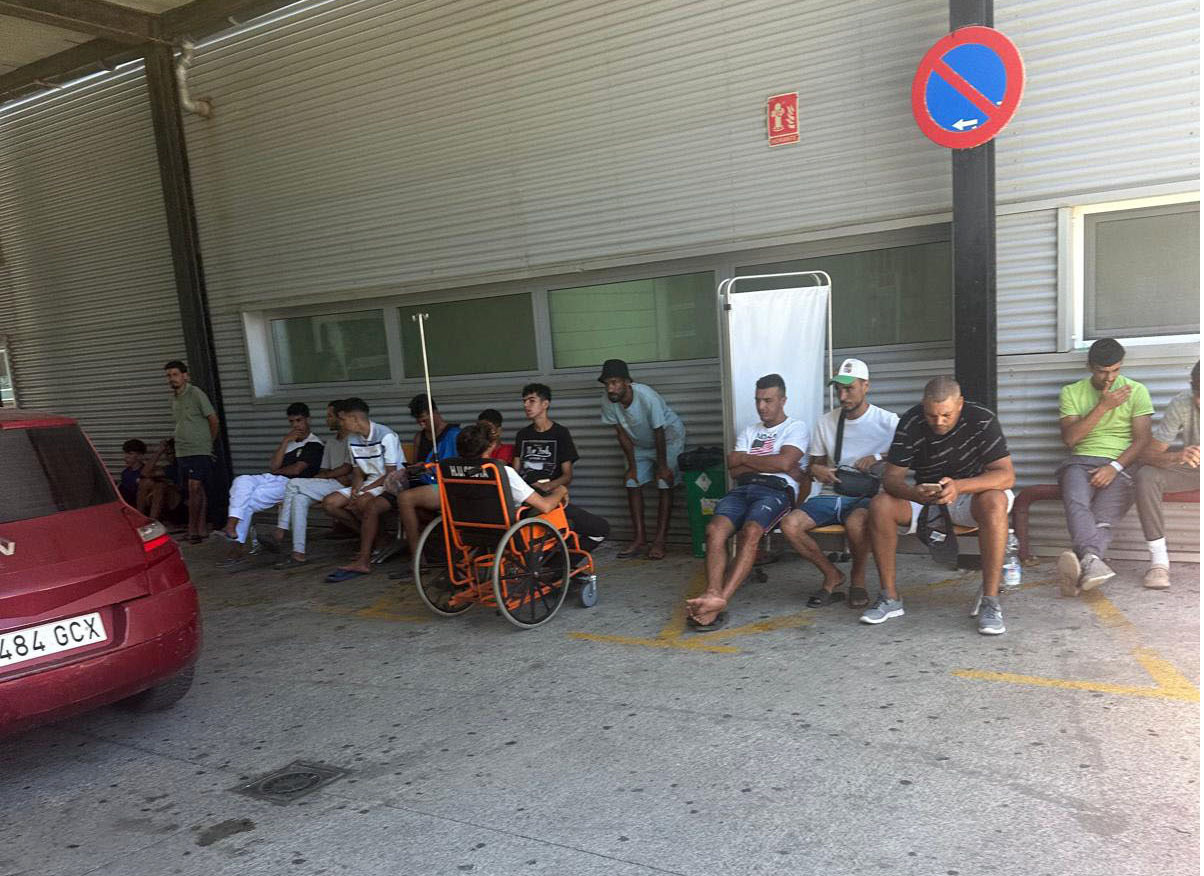
Los mensajes de denuncia de los médicos en Ceuta: "Esto va a explotar con una auténtica crisis de salud poblacional", "el hospital no aguanta" Las situación en la ciudad autónoma es crítica por el riesgo de enfermedades infecciosas y los profesionales sanitarios ya acusan el desgaste: "Mientras esto se prolonga, se mira hacia otro lado, pero puede ser a costa de la salud de los trabajadores" Leer
elmundo · about 4 hours ago
Koniec 40-stupňovým peklám na izbách: Do ktorých nemocníc posiela Šaško klimatizácie? Minister zdravotníctva Kamil Šaško reaguje na vlnu kritiky a oznamuje, že sľubované klimatizácie sa už inštalujú v 13 štátnych nemocniciach. Koľko to bude stáť, je otázne.
aktuality.sk · about 4 hours ago
Nachtschichtarbeit erhöht Long-Covid-Risiko dramatisch Wiener Epidemiologen fanden Hinweise auf einen Zusammenhang von Nachtschichtarbeit auf das Risiko von Long-Covid-Erkrankungen. Auch Schlafstörungen haben einen nachgewiesenen Effekt.
die presse · about 4 hours ago
Ruim 60.000 mensen met ernstige psychische aandoeningen buiten beeld van ggz Een kwart van de mensen met ernstige psychische aandoeningen krijgt geen zorg en is buiten beeld van de geestelijke gezondheidszorg. Het gaat naar schatting om 62.500 volwassenen, meldt de Nederlandse ggz in een nieuw rapport.
nu.nl · about 4 hours ago
Studie om overdødelighet under pandemien trukket tilbake Fagtidsskriftet BMJ Public Health har trukket tilbake en kontroversiell studie om overdødelighet under pandemien.
aftenposten · about 4 hours ago
Focarele de boală se extind, crescătorii de animale sunt disperați. „Sunt oameni care cred că totul e pus înadins În ciuda restricțiilor de mișcare impuse crescătorilor de animale, încă apar focare de boală la oi și capre. Fermierii sunt disperați că li se vor sacrifica animalele, iar numărul celor care cred că „boala e pusă crește. Reprezentanții crescătorilor cer măsuri.
adevarul · about 4 hours ago
Eesti Patsientide Liidu juht: alla 16-aastased ei tohiks elektritõukeratastega üldse sõita Eesti Patsientide Liit leiab, et renditõukerataste laenutamise regulatsioon peab olema sisuliselt toimiv ning kliimaministeerium peaks selles suhtes rendifirmadega karmim olema.
postimees · about 4 hours ago
Navigatorii de pacienți te ajută să găsești soluții De câțiva ani, în România există o nouă profesie care poate oferi un ajutor crucial persoanelor cu cancer sau cu o boală cronică: navigatorii de pacienți. Navigatorul de pacienți a apărut în SUA în anii 90, pentru a lupta cu disparitățile în îngrijirea bolnavilor de cancer. Dar azi există navigatori pentru mai multe afecțiuni și …
hotnews.ro · about 4 hours ago
Kindsmisshandlungen – Gewalt gegen Kinder: Fachleute schlagen Alarm Gewalt, Vernachlässigung, Missbrauch: Der Basler Kinderschutzarzt warnt vor einer besorgniserregenden Entwicklung.
srf.ch · about 6 hours ago
HS 50 vuotta sitten 12.8.1976 | Hoitajapula sulki yli tuhat sairaansijaa Potilaita käytävilläkin HYKS:ssä
helsingin sanomat · about 6 hours ago
Fellner: SPÖ-Umfragewerte „wirklich besorgniserregend
orf.at · about 7 hours ago

CNNs Scott Jennings gives update on Mitch McConnells private health battle I could tell being at home was better than being in the hospital, the conservative pundit said about the senator from Kentucky
independent · about 7 hours ago
Ggz: 62.500 mensen met ernstige psychische aandoeningen uit beeld Een kwart van de mensen met ernstige psychische aandoeningen krijgt geen zorg en is buiten beeld van de geestelijke gezondheidszorg. Het gaat naar schatting om 62.500 volwassenen, meldt de Nederlandse ggz in een nieuw rapport.
rtl nieuws · about 8 hours ago
Det er aldri blitt påvist at antidepressiva «redder liv». Tvert imot kan de faktisk gjøre noen mennesker suicidale. Joanna Moncrieff svarer.
aftenposten · about 8 hours ago
Ziek, verward en zonder zorg: 62.500 cliënten leven buiten het zicht van de ggz Zieke mensen met een ernstige psychische aandoening zijn te vaak aan zichzelf overgeleverd, waarschuwt de ggz. Dat komt doordat hulp stopt op het moment dat iemand van zorg, woning of instantie verandert. De voorzitter van de branchevereniging: „Iemand mag niet ineens alleen komen te staan.
nrc · about 8 hours ago
Medicine recall creates chaos for patients Doctors contracted with the national health system (Gesy) are reportedly scrambling to modify patients prescriptions following a mass recall of pharmaceutical products by Remedica. According to Phileleftheros, patients are also having difficulty getting in touch with their physicians, while at the same time many pharmacies are shut ahead of the mid-August holiday. For some of […]
cyprus mail · about 8 hours ago