
Century of Ingeborg Bachmann celebrated as Helga Schubert challenges her romantic myth
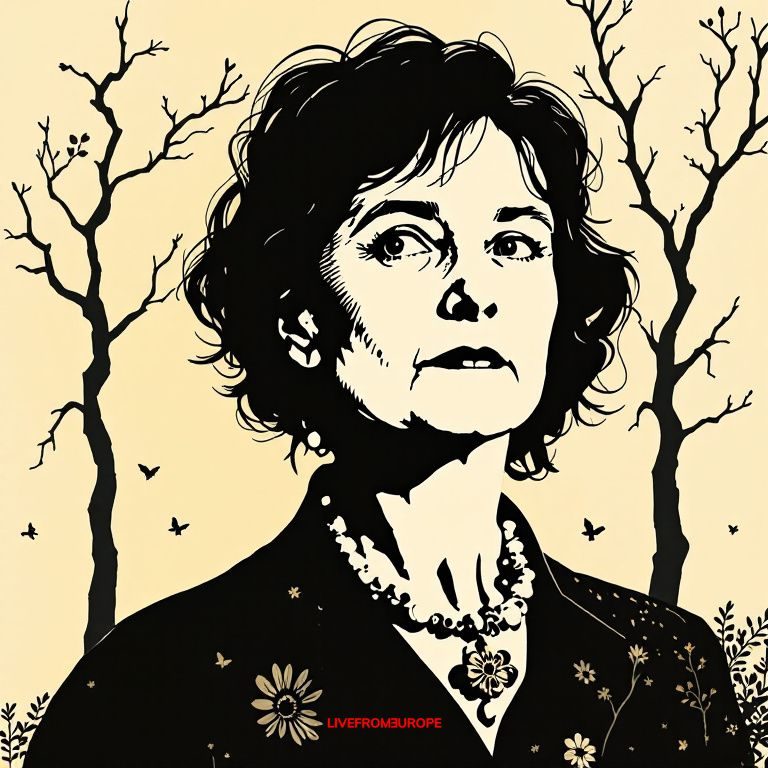
On what would have been her 100th birthday, Europe’s literary world marked the centenary of Ingeborg Bachmann with a week-long festival in Klagenfurt, the Carinthian city where she was born on 25 June 1926. The 50th Ingeborg Bachmann Prize opened on Wednesday evening with a keynote by the German writer Helga Schubert, who used the occasion to challenge the myth of Bachmann as a tormented romantic and to reclaim the poet’s political legacy.
Speaking in the ORF studio in Klagenfurt, Schubert told an audience of critics, writers and broadcasters that “I am interested in her poems—and you are only interested in her love hunger,” a pointed reference to the way Bachmann’s biography has often been reduced to her relationships with Paul Celan and Max Frisch. Schubert, herself a juror at the prize, argued that Bachmann’s work remains urgent because it interrogates how fascism persists in peacetime. “The truth is bearable for human beings,” she said, echoing Bachmann’s own dictum, and insisted that the festival should focus on the poet’s unflinching gaze rather than the biographical clichés that have obscured it.
Bachmann died in Rome on 17 October 1973, aged 47, after a fire in her apartment. Yet half a century later her writing still shapes debates about language, power and gender. Her debut novel *Malina* (1971) is now a canonical text, and her 1950s poetry once graced the cover of *Der Spiegel*. In Klagenfurt, organisers have staged readings, exhibitions and a new film by Regina Schilling, *Ingeborg Bachmann – Someone Who I Once Was*, in which Sandra Hüller portrays the traces left by the progressive thinker.
Across the continent, media have revisited Bachmann’s fraught relationship with her father, a schoolteacher who joined the NSDAP in 1932. Austrian public broadcaster ORF noted that the centenary has prompted fresh reflection on how the daughter of a Nazi sympathiser confronted the continuities of authoritarianism in post-war Europe. The Slovenian service RTV SLO likewise recalled Bachmann’s advocacy for women’s rights, publishing under the pseudonym Ruth Keller.
The festival continues through Sunday, with the main prize ceremony scheduled for Saturday. In her opening remarks, Schubert urged the literary public to “never again wear a nylon dress and smoke a cigarette” in tribute to Bachmann, a sartorial shorthand for the reductive iconography that has dogged her memory. Instead, she proposed, the centenary should be an occasion to read the poems, to confront the essays, and to ask what Bachmann’s uncompromising art still demands of us.
Follow us for live European news
- 3
- 2
- 2
- 1
- 1
1 further source not geolocated
Articles

Mineva 100 let od rojstva pisateljice in borke za pravice žensk Ingeborg Bachmann Pred sto leti se je rodila pesnica in pisateljica Ingeborg Bachman, poznana tudi pod psevdonimom Ruth Keller, ki velja za eno najpomembnejših nemško pišočih avtoric 20. stoletja. V njeni rodni Avstriji se je ob obletnici spominjajo s številnimi dogodki.
rtv slovenia · about 3 hours ago

Lunivers de Maurice Tillieux chez Huberty & Breyne Gil Jourdan lui a permis datteindre le panthéon des auteurs de BD, mais il fut lauteur de bien dautres séries. ...
la libre · about 3 hours ago

La photographie pour tous, son histoire aussi La collection Photo Poche en appui des relectures de grands auteurs proposées aux Rencontres dArles. ...
la libre · about 3 hours ago
George Lucas vuelve al cine, pero no tiene nada que ver con Star Wars: esta es la película donde podremos verlo La leyenda de la ciencia ficción da el salto al cine de animación y aparecerá en un largometraje que se estrena el 1 de julio en cinesEl asesinato de Isabel Carrasco: todo lo que pasó en este caso que ahora se convertirá en una serie Hace más de 20 años que George Lucas dirigió su última película. Pero el cineasta, que estuvo al frente de Star Wars: Episodio III - La venganza de los Sith (2005), no ha dejado de trabajar desde entonces. Dedicó más de quince años a desarrollar el concepto de Strange Magic (2015), una película musical animada por ordenador, y ha sido productor ejecutivo de largometrajes recientes, incluyendo Indiana Jones y el dial del destino (2023). Los fans de esta leyenda de la ciencia ficción siguen esperando sorpresas por su parte, aunque en 2012 Lucas ya dejó claro que se retiraba de la producción de grandes superproducciones de Hollywood para centrar su carrera en películas más pequeñas. ¿Cuál será su siguiente trabajo? En los últimos días, una nueva noticia al respecto ha salido a la luz. Ha sido gracias a Collider que hemos conocido el siguiente paso del creador de La guerra de las galaxias. A través de una entrevista con Chris Meledandri, fundador y director ejecutivo de Illumination, el medio ha compartido que Lucas aparecerá en la próxima película de este estudio de cine de animación: Minions & Monsters. El largometraje, que se estrena en exclusiva en las salas de cines el próximo miércoles 1 de julio, es la secuela de Minions: El regreso de Gru (2022), la tercera película de la saga Minions, la séptima entrega de la franquicia Mi Villano Favorito y la decimoséptima película producida por Illumination. Así surgió la colaboración Tuve el privilegio de conocer a George hace unos dos años, y lo que me llevó a conocerlo fue lo mucho que le gustan las películas de Illumination, y específicamente Gru, mi villano favorito, y aún más específicamente, los Minions, compartió Meledandri con Collider. Fue emocionante saberlo y luego compartirlo con el equipo, porque obviamente él pertenece a un grupo muy selecto de personas por las que todo el estudio siente un respeto enorme. La idea de que George Lucas apareciera en la película surgió de una conversación que, más tarde, Meledandri tuvo con el director Pierre Coffin, el coguionista Brian Lynch y el productor Bill Ryan. ¿Y si pudiéramos tener a George? La idea sonaba a disparate, pero no dudaron en intentarlo, y se llevaron la sorpresa, porque el que fue dueño de Lucasfilm aceptó la propuesta. En el largometraje de animación, Lucas se interpreta a sí mismo. Fue increíble. Así que estamos encantados de tenerlo en la película. Lo vi hace poco y ya me está hablando del papel que quiere interpretar en la próxima película de los Minions. Así que es realmente increíble, compartió el CEO de Illumination en la entrevista.
eldiario.es · about 3 hours ago
Helga Schubert über Ingeborg Bachmann: „Ich interessiere mich für ihre Gedichte – und Ihr Euch nur für ihren Liebeshunger Die Schriftstellerin Helga Schubert eröffnete am Mittwochabend das 50. Ingeborg-Bachmann-Lesen mit einer Rede über Bachmann – und über sich als Jurorin dieses Wettbewerbs.
tagesspiegel · about 3 hours ago
Film zu Ingeborg Bachmann: Alle anderen waren zu spät In Regina Schillings „Ingeborg Bachmann – Jemand, der ich einmal war spielt Sandra Hüller aus, was die Blicke der anderen von der progressiven Denkerin übrig ließen. mehr...
taz.de · about 3 hours ago
Scriitorul Mircea Cărtărescu a fost primit la Vatican de Papa Leon al XIV-lea Cu ocazia împlinirii a 100 de ani de când a fost înființată Libreria Editrice Vaticana (LEV), Sfântul Părinte Leon al XIV-lea a primit în audiență un grup de scriitori și scriitoare din întreaga lume, printre invitați numărându-se și scriitorul român Mircea Cărtărescu ale cărui apere narative au fost traduse în limba italiană. Întâlnirea a avut loc miercuri, în cursul dimineții, în Sala adiacentă Aulei Paul al VI-lea din Vatican, relatează vaticannews.va.
digi24 · about 3 hours ago
Die Versuchung, die Helga Schubert meint: Der Bachmannpreis in Klagenfurt ist eröffnet [premium] Die deutsche Schriftstellerin Helga Schubert hielt im ORF-Studio Klagenfurt am Mittwochabend die Eröffnungsrede zu den 50. Tagen der deutschsprachigen Literatur.
die presse · about 3 hours ago
Aus der Enge in die Weltliteratur Am Donnerstag wäre Ingeborg Bachmann 100 Jahre alt geworden. Die aus Klagenfurt gebürtige und unter tragischen Umständen 1973 in Rom zu Tode gekommene Autorin zählt zu den einflussreichsten europäischen Schriftstellerinnen des 20. Jahrhunderts. Als Dichterin schaffte sie es in den 1950er Jahren auf das „Spiegel-Cover, ihr erster Roman „Malina (1971) gilt heute als Klassiker. Als Tochter eines früh der NSDAP beigetretenen Lehrers beschäftigte sie sich zeitlebens mit der Frage, wie der Faschismus in Friedenszeiten fortwirkt.
orf.at · about 3 hours ago
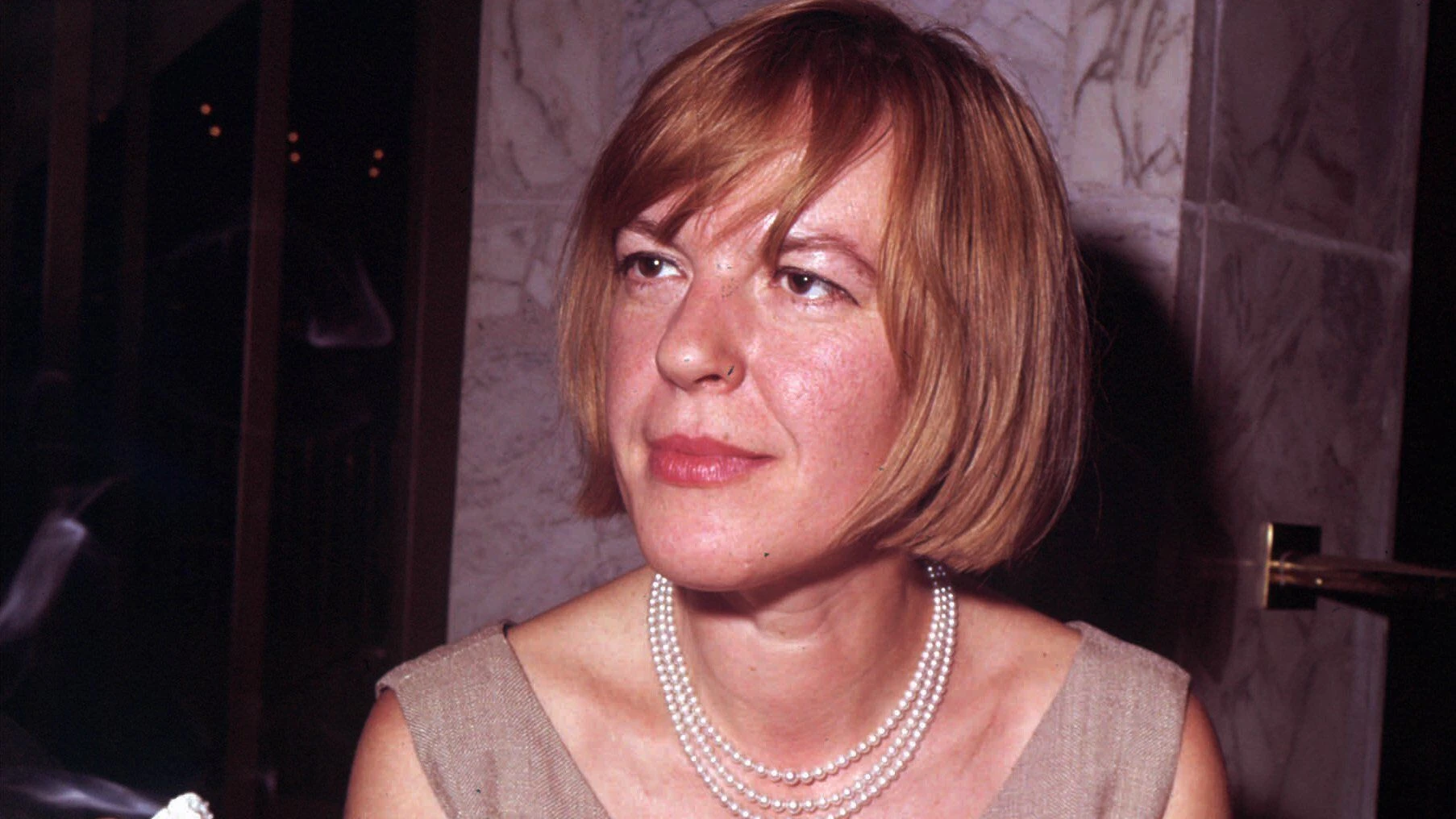
Legendäre Autorin: Was Ingeborg Bachmann uns heute noch zu sagen hat Die Wahrheit ist dem Menschen zumutbar: Vor hundert Jahren wurde Ingeborg Bachmann geboren. Auch nach ihrem Tod vor gut fünfzig Jahren animiert sie Generationen von Lesern.
faz · about 3 hours ago
Mircea Cărtărescu, invitat la Roma de Papa Leon. Suveranul pontif s-a întâlnit cu scriitori din toată lumea Papa Leon al XIV-lea s-a întâlnit cu scriitori din întreaga lume, la Roma, cu ocazia centenarului Editurii Vaticanului. Printre invitați s-a aflat și scriitorul român Mircea Cărtărescu.
adevarul · about 3 hours ago
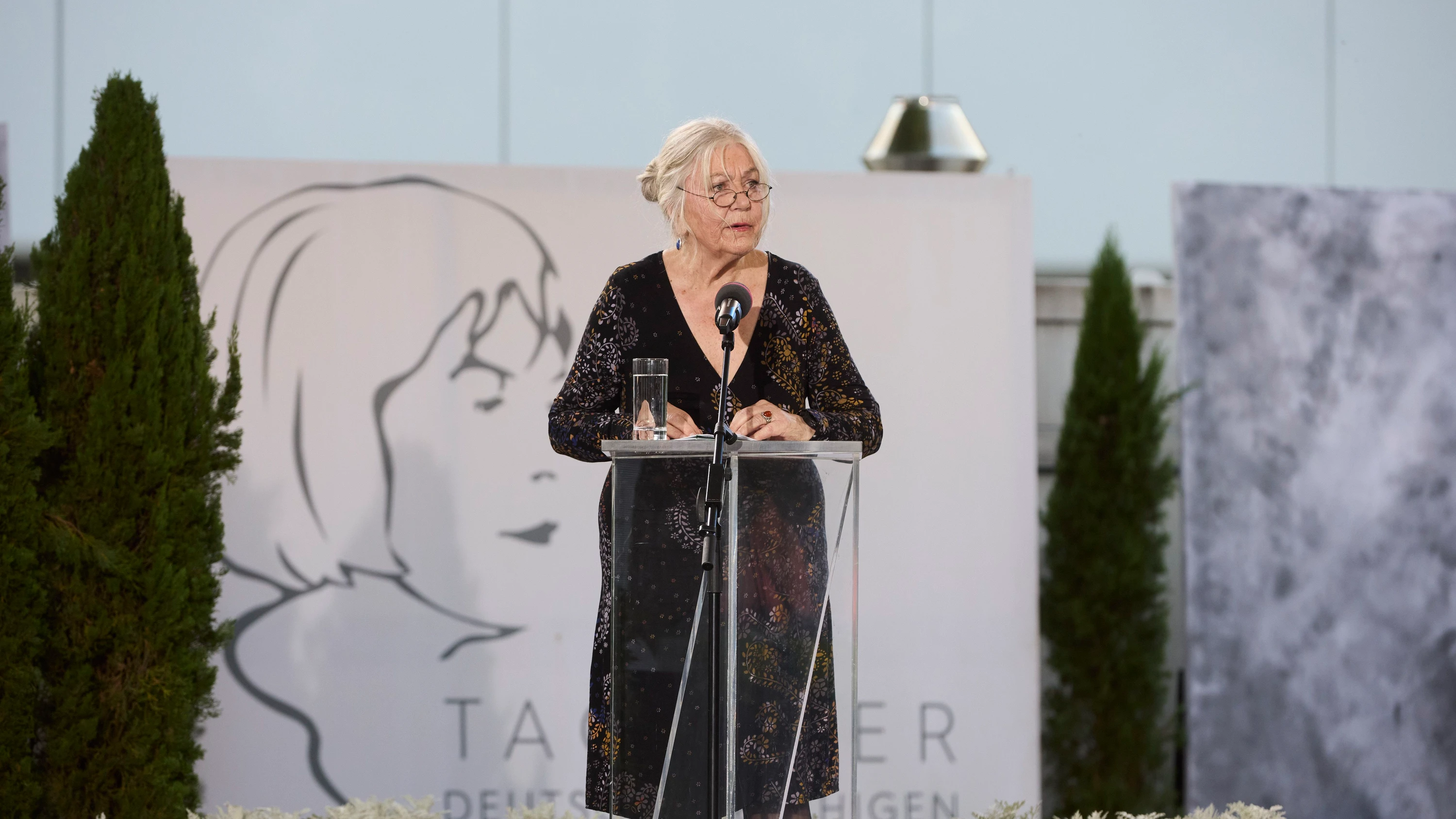
auftakt 50. Bachmannpreis: Nie mehr Nylonkleid und Zigarette Auftakt zum 50. Bachmannpreis-Wettbewerb: Helga Schubert erinnert in ihrer Klagenfurter Rede zur Literatur daran, dass Ingeborg Bachmann noch leben könnte – wirbt aber dafür, sich vom Bild der gequälten Dichterin zu lösen.
faz · about 3 hours ago
Ingeborg Bachmann und die Politik: Dichtung und Wahrheit Ingeborg Bachmann nahm in ihrem Schreiben stets die Gewalt in der Sprache in den Blick. Wo stand die Dichterin politisch? mehr...
taz.de · about 3 hours ago